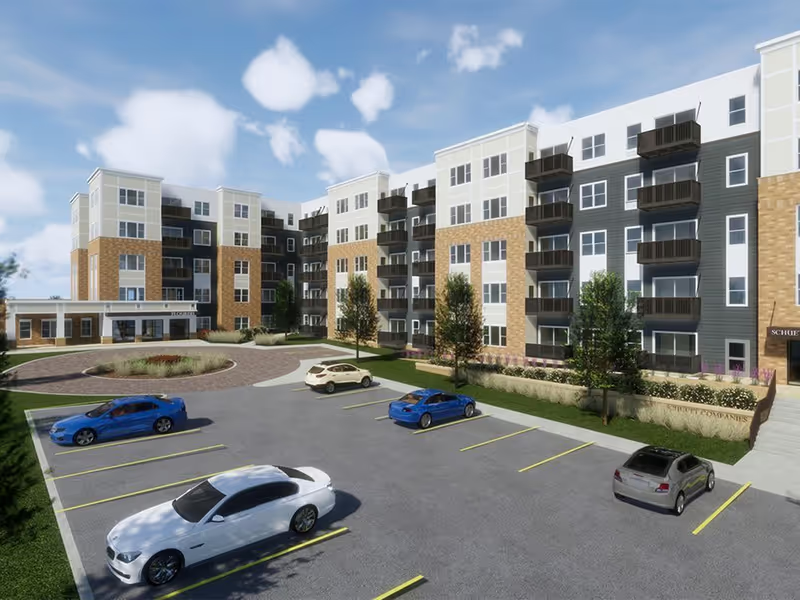
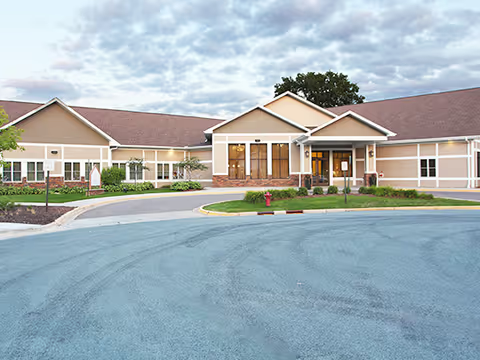
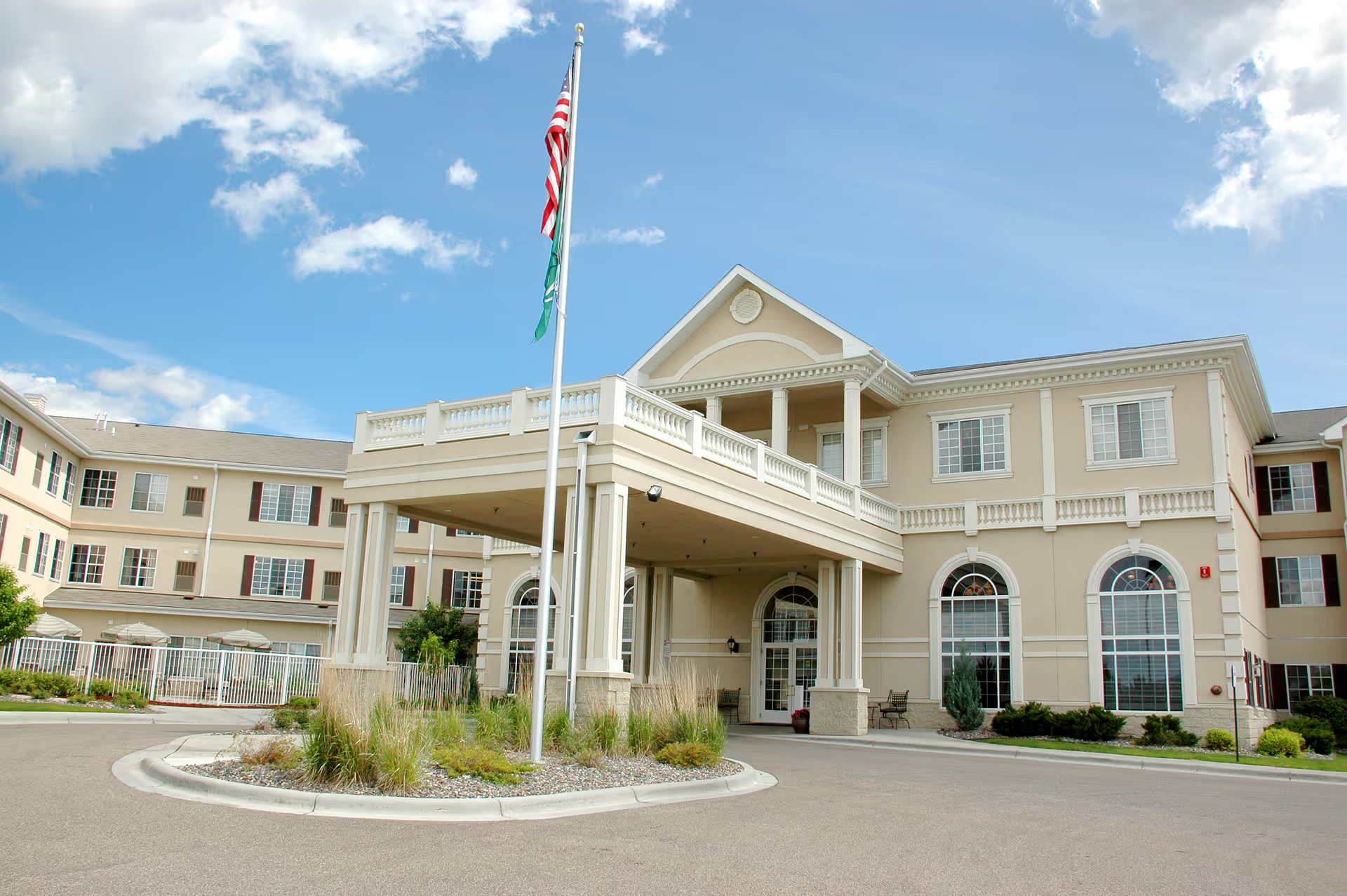
RidgePointe presents as a large, active independent/assisted living community with several operational strengths and a handful of recurring operational caveats. The facility is frequently described as clean and well kept, anchored by a prominent atrium and landscaped grounds, underground/heated parking, and multiple on-site conveniences (salon, convenience store, woodshop, fitness room, library). Apartments tend to be spacious and well laid out; common spaces and organized programming create a social, community-oriented atmosphere that many residents find welcoming.
Staff and care: Staff engagement is widely cited as a central strength — residents and families describe friendly, attentive employees, long-tenured personnel who often know residents by name, and 24/7 desk coverage that functions as a concierge. These qualities support resident safety and day-to-day comfort. That said, reviewers noted variability in staffing responsiveness, particularly on weekends and during acute illness episodes, and there are limitations in the community’s capacity to manage higher-acuity or continuous clinical needs. Prospective residents who expect progressive care needs should confirm scope and transition options in writing and review how on-site or contracted home-care services are coordinated.
Dining: Dining is an important mixed area. The community offers multiple dining venues, formal atrium meals, and complimentary continental breakfast; many residents enjoy the social dining environment and occasional high-quality meals. However, food quality is described as inconsistent, with comments about variable menu execution and the impact of kitchen staffing changes. Additionally, the facility’s full dining-service hours are not continuous seven days a week in some accounts, and there are occasional extra fees (e.g., for room service), so families should clarify meal plans, included meals, and dining schedules during touring.
Activities and community life: A clear strength is the breadth of activities and low- or no-cost programming: exercise classes, lectures, gardening, woodworking, arts and crafts, card games, outings, and scheduled transportation are commonly mentioned. This programming supports social engagement and contributes to a strong sense of community and resident camaraderie. Residents frequently report an active social culture and plentiful opportunities to participate.
Facilities and maintenance: Physically, RidgePointe is an older property with some recent upgrades (entrances, select common areas) but also uneven capital maintenance across the campus. Reviewers noted aging in-unit finishes, mismatched or older appliances, limited in-unit storage in some floorplans, and inconsistent cosmetic condition in certain hallways or lobbies. Weekly housekeeping of kitchen and bath is provided, but some residents noted variability in the thoroughness of apartment cleaning. The building’s construction provides good sound isolation in many units, and the atrium/glass-ceiling feature is a commonly praised amenity.
Management and patterns to verify: Management is often described as accommodating and family-like, with staff who go beyond expectations for routine needs. Conversely, a subset of reviewers described communication gaps around renovations, tour representations, or managerial tone. Transportation systems and shuttle accessibility were also called out as areas where mobility accommodations should be confirmed. For prospective residents and families, it is advisable to request written details on dining inclusions, housekeeping scope, transportation and accessibility features, emergency staffing levels, and the community’s policies for escalating care needs.
Overall assessment: RidgePointe appears well suited for seniors seeking an active, socially oriented independent or assisted living environment with strong front-desk support, abundant programming, and attractive common spaces. The most important due diligence items are confirming up-to-date capital upgrades for the specific unit, clarifying dining-service schedules and meal quality expectations, and verifying the community’s ability to accommodate advancing care needs and weekend staffing responsiveness. Those factors will determine fit for residents with higher medical or mobility requirements versus those seeking an engaged independent-living setting.