Overall impression: Reviews convey a contrast between consistently positive caregiving and significant safety- and management-related concerns. Families emphasize that staff provided attentive, comfort-focused care and that their relatives appeared well looked after; at the same time, there are serious concerns about on-campus safety and leadership response that may affect overall confidence in the environment.
Care quality and staff: Reviewers express appreciation for the direct care staff, describing them as compassionate and effective at making residents comfortable. These comments suggest strengths in daily caregiving, resident comfort measures, and family communication around basic care needs. The available feedback does not provide detailed clinical outcomes or specifics about medication management, so families should request documentation and direct conversations about clinical protocols during tours.
Dining and activities: The submitted summaries do not include substantive information about dining quality, meal service reliability, or activity programming. Because these are important components of daily life, prospective residents and families should ask for sample menus, meal schedules, activity calendars, and participation rates when evaluating the community.
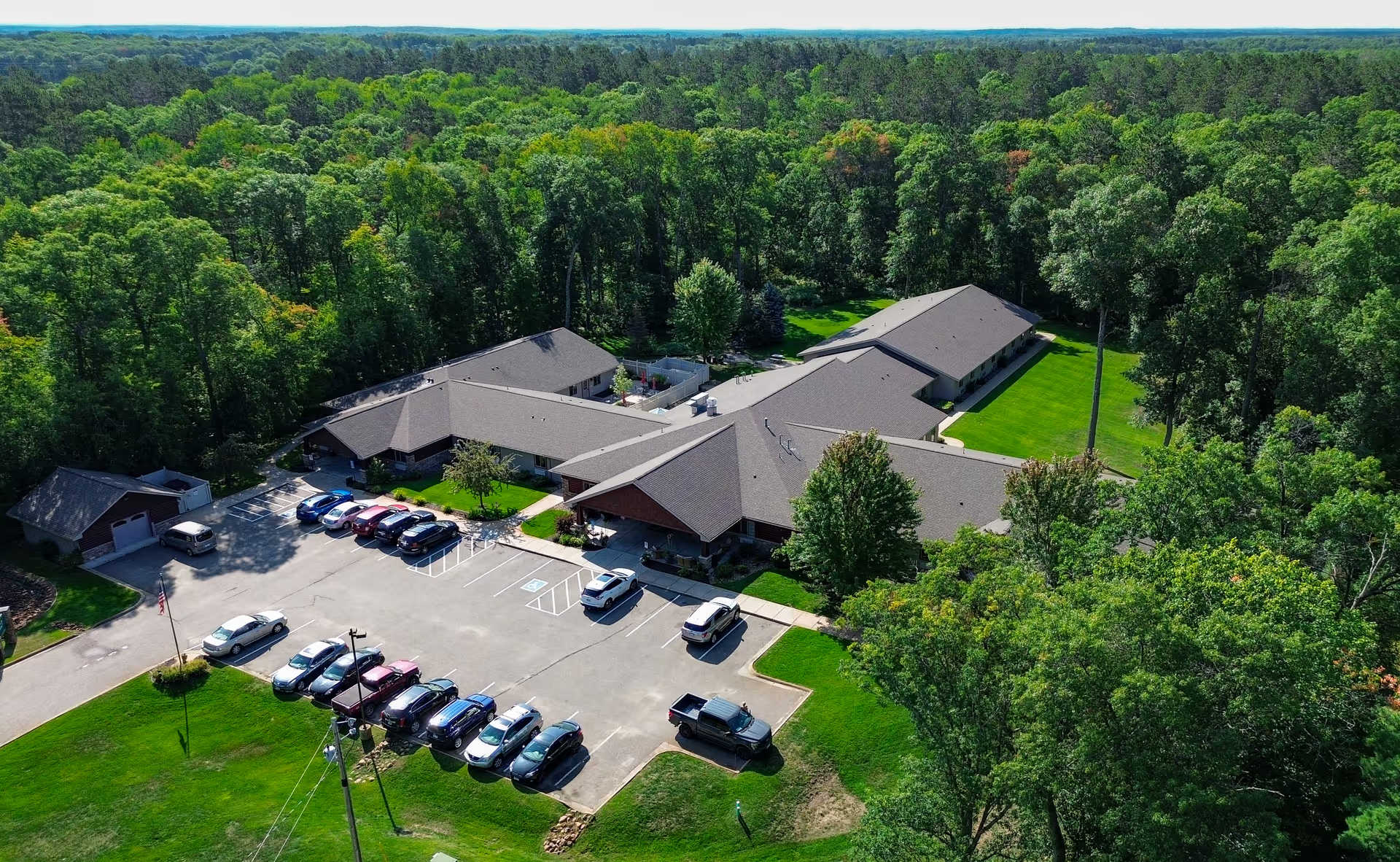
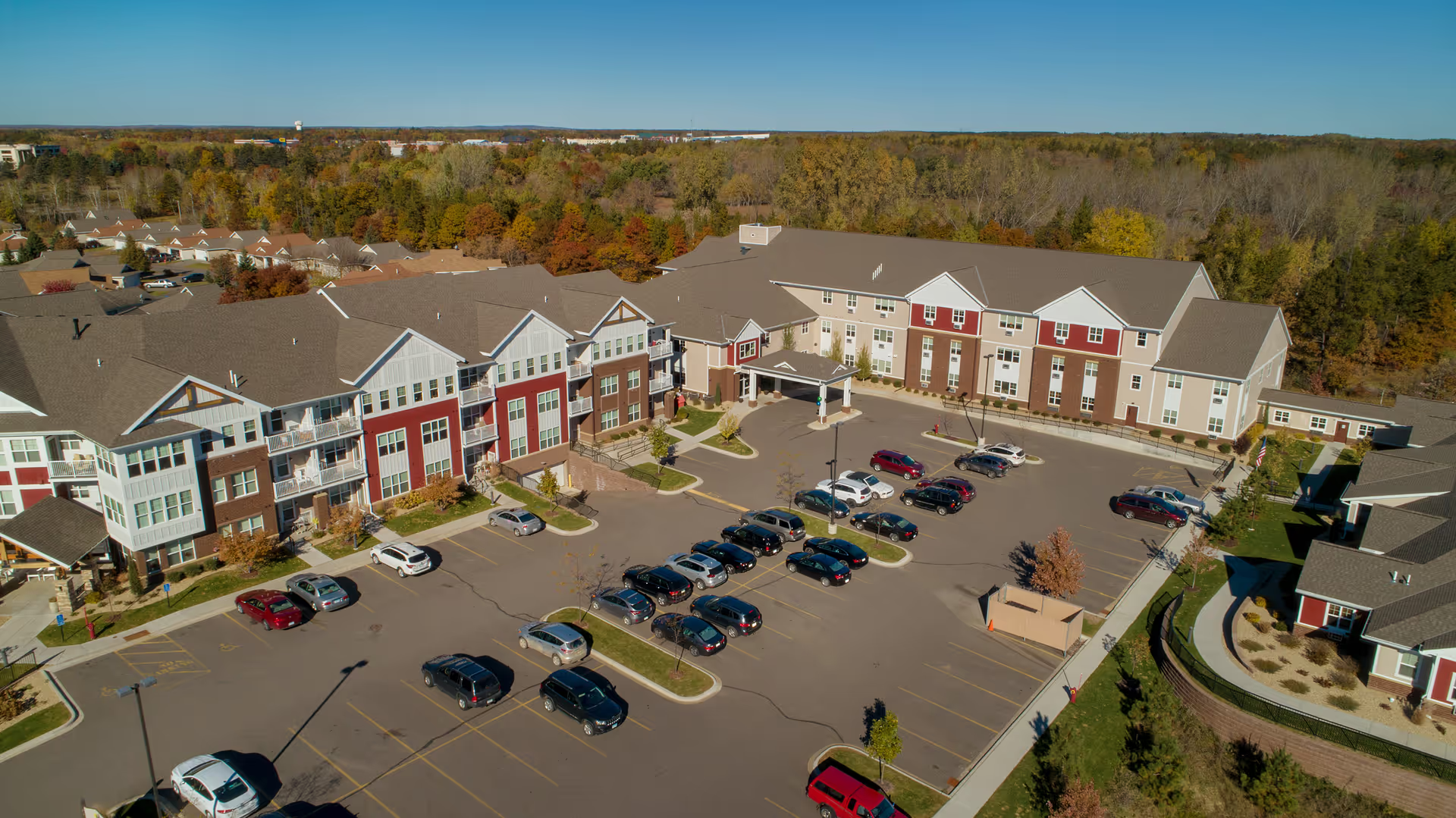
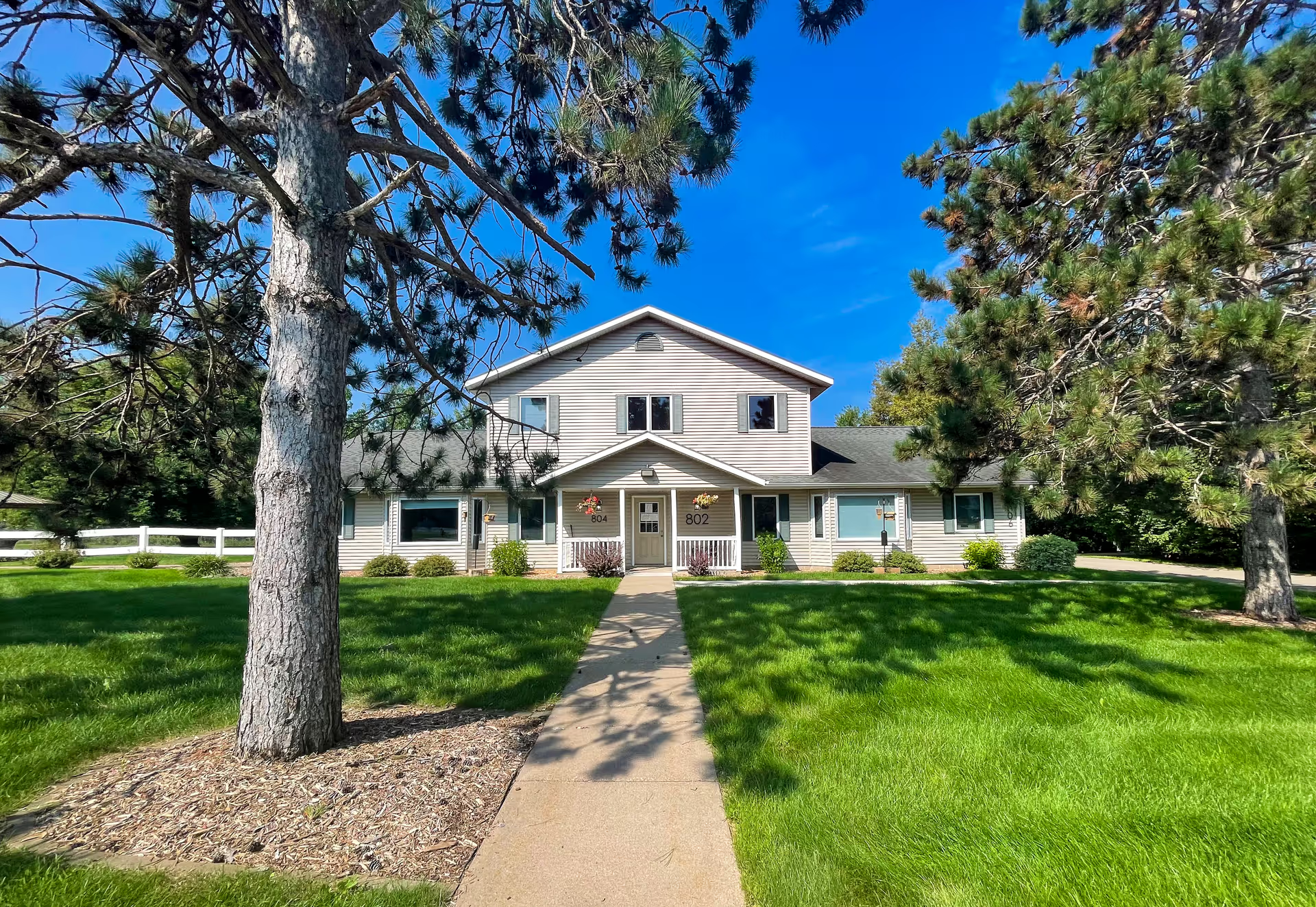
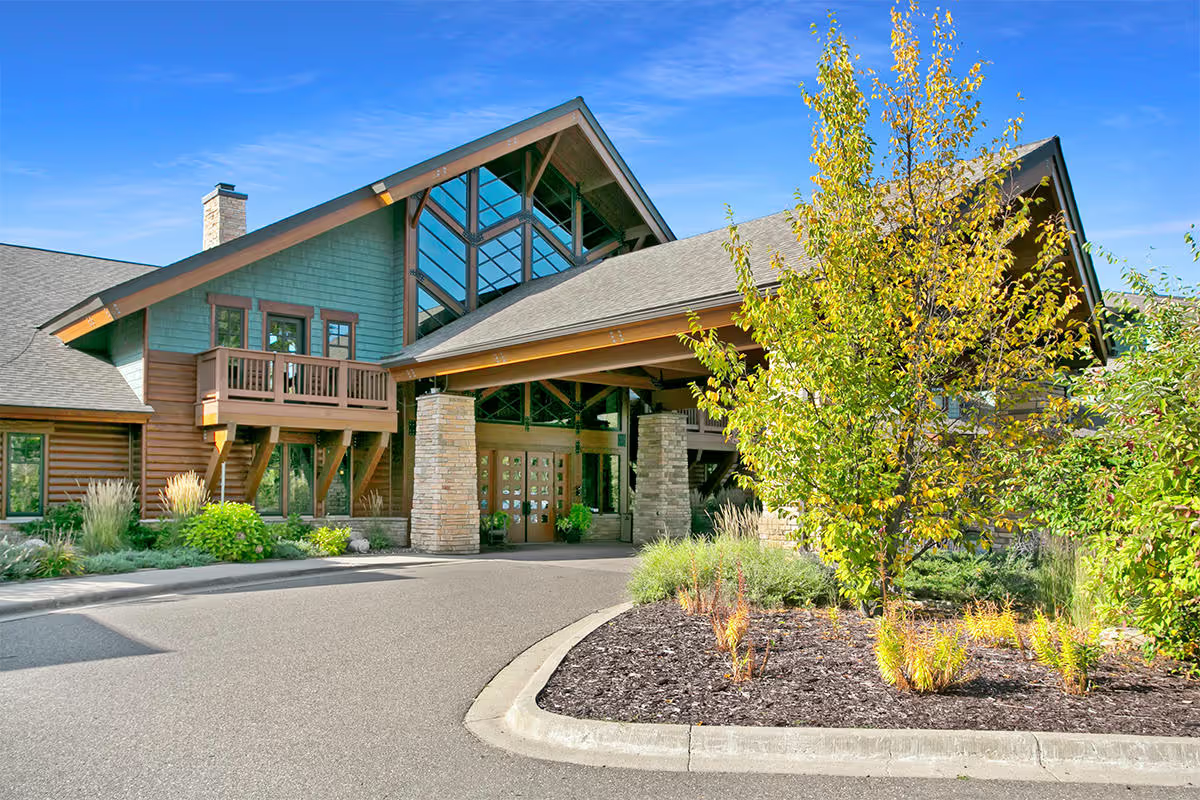
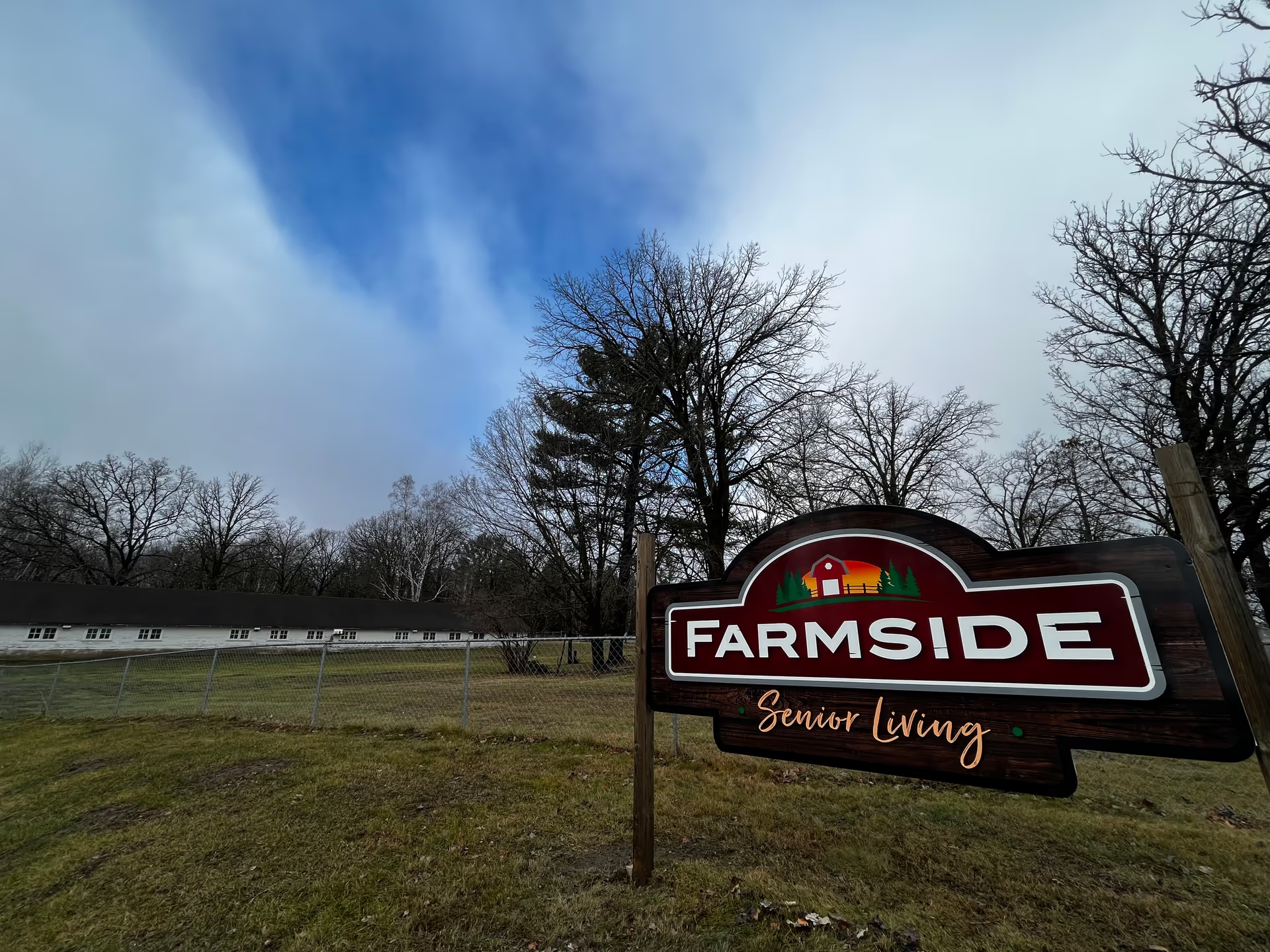
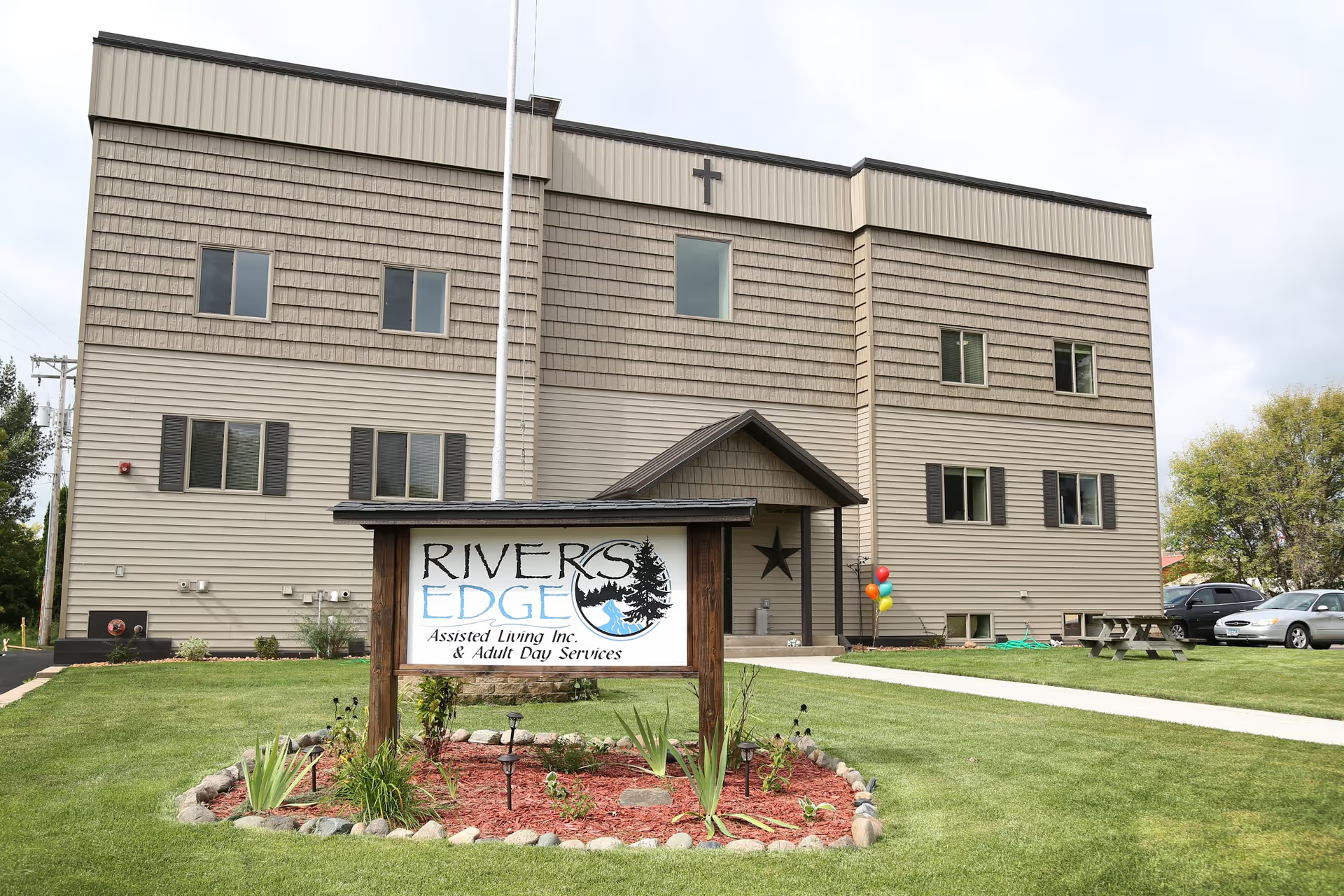
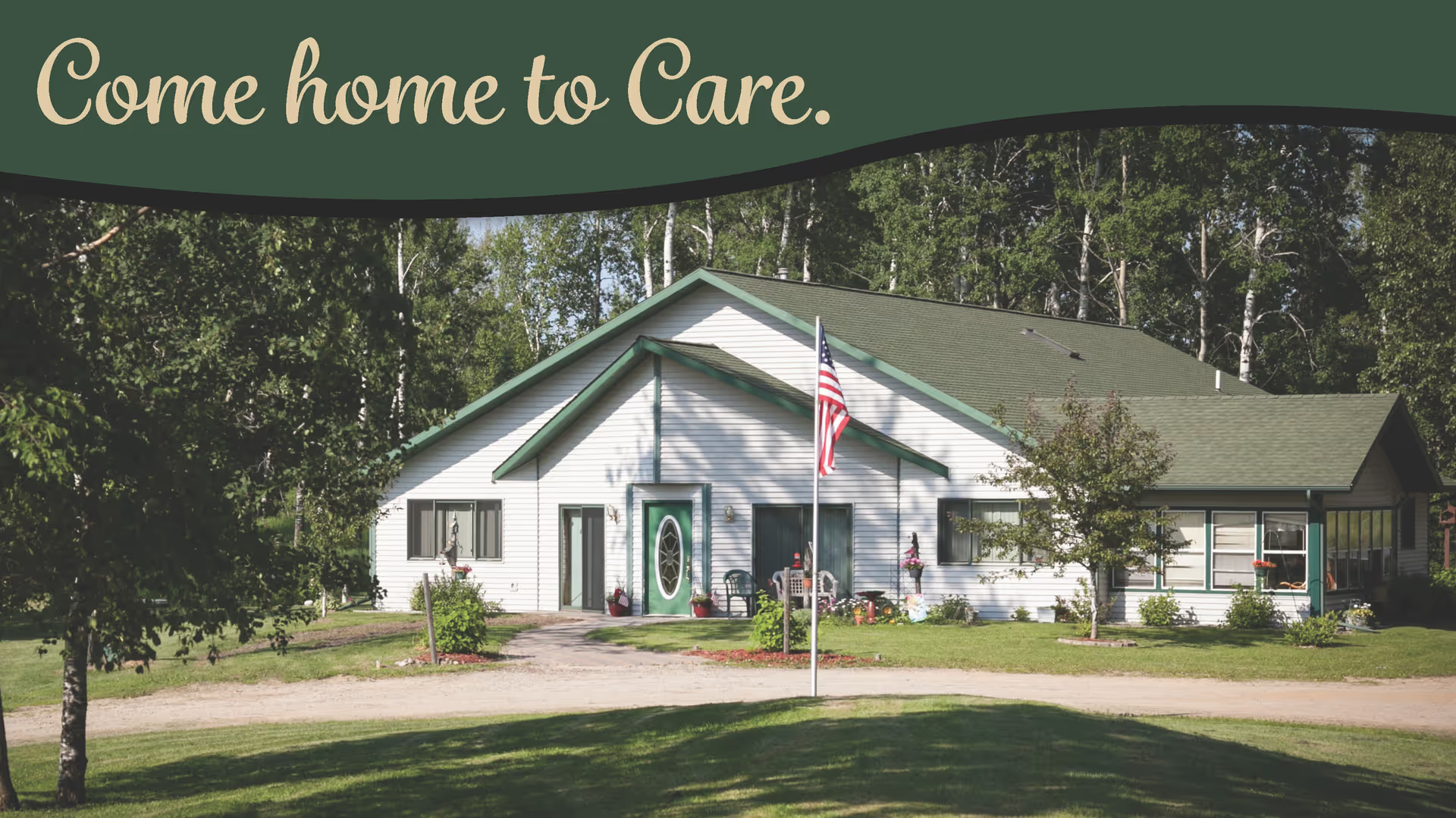
Facilities and surroundings: Reviewers note attractive grounds and a pleasant setting, which can contribute positively to residents' quality of life. However, comments about illicit activity on the property raise concerns about how exterior and perimeter safety are managed. Prospective visitors should assess lighting, access control, visitor sign-in procedures, and the presence of security cameras or on-site security personnel.
Management and notable patterns: A recurring theme is dissatisfaction with management’s acknowledgement and handling of safety complaints. Descriptors used by reviewers imply a pattern of dismissiveness or insufficient follow-up when serious concerns are raised. Given the nature of the allegations, families should request the facility’s incident-reporting policies, examples of corrective actions taken, and information on how leadership communicates with families after incidents. It may also be appropriate to inquire about coordination with local law enforcement and regulatory oversight.
Recommendations for families: Balance the demonstrated strengths in day-to-day caregiving with the documented safety and leadership concerns. During a visit, observe staff–resident interactions, ask for detailed safety and incident-response protocols, review staffing levels and clinical oversight, and request written policies on campus security, visitor management, and incident escalation. If safety remains a concern, consider seeking references from current families and confirming recent inspection or licensing records.