Experiences at this facility are mixed, with distinct clusters of positive post-acute and long-term care outcomes alongside operational concerns that affect some families. Many accounts highlight strong clinical rehabilitation capabilities — weekday OT/PT/speech services, effective post-surgical rehab, and coordinated transitions for patients discharged from hospitals. Several families specifically praised compassionate nursing and aide care, dignified end-of-life and hospice support, and staff who communicated well and provided individualized attention.
At the same time, there is a pattern of operational weaknesses that families described as affecting day-to-day care. Staffing levels and turnover were frequently mentioned, and reviewers linked these shortages to delays in assistance, inconsistent delivery of ADL support, and variability in the tone or responsiveness of front-line staff. Communication and administrative systems also appear uneven: examples included missing paperwork, fax and record-transfer failures, and difficulty reaching staff by phone. These issues created uncertainty during admissions and care transitions for some families.
Housekeeping, sanitation, and pest-control emerged as specific areas of concern for some reviewers. While other families described clean, well-maintained common areas and a newer building addition, a subset reported inconsistent cleaning of resident rooms and shared bathrooms and flagged the need for more reliable pest-control measures. Meal service likewise showed variability: several reviewers praised food quality, but others described late lunches or interrupted meal delivery.
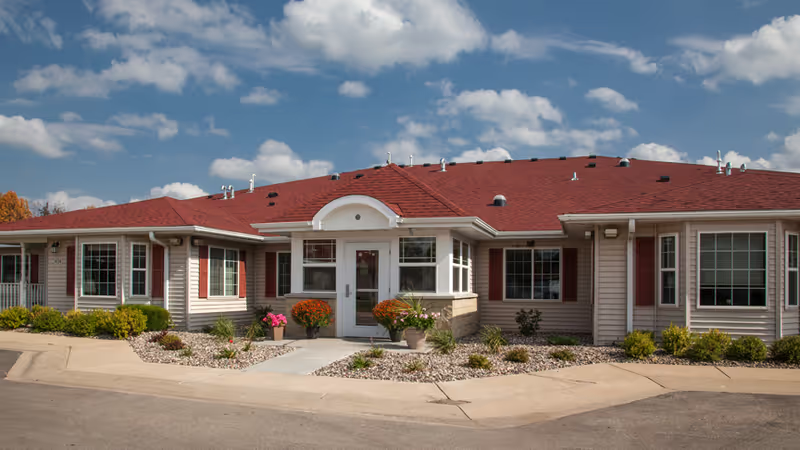
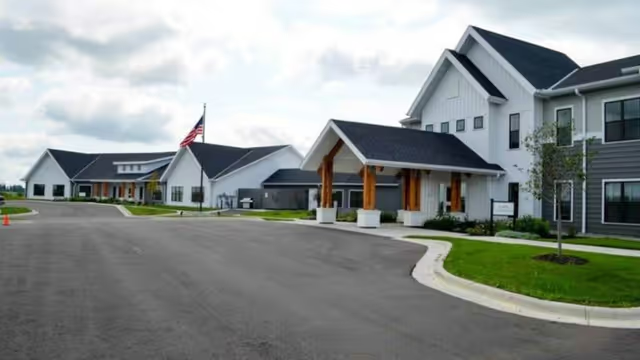
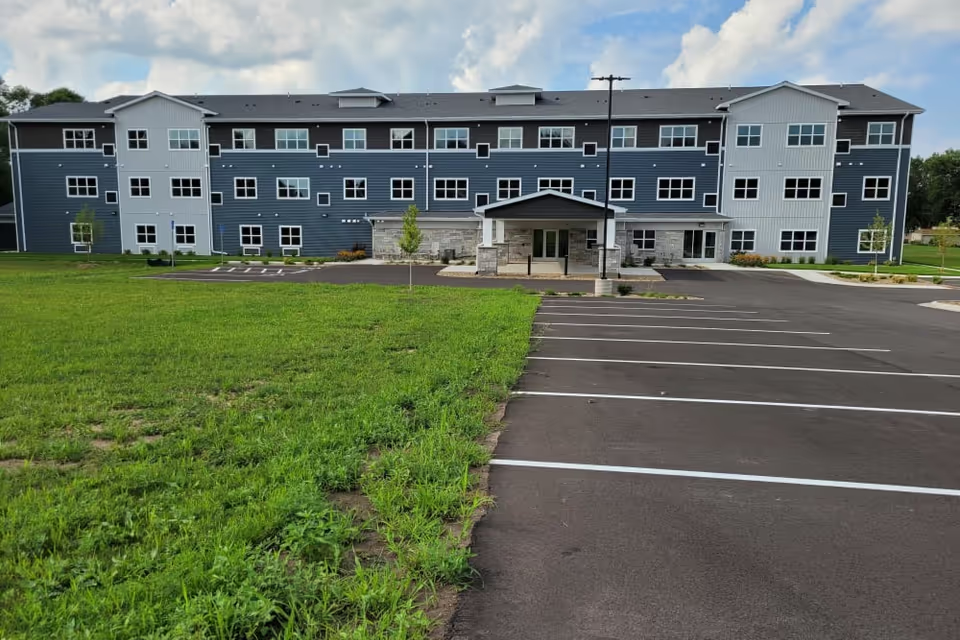
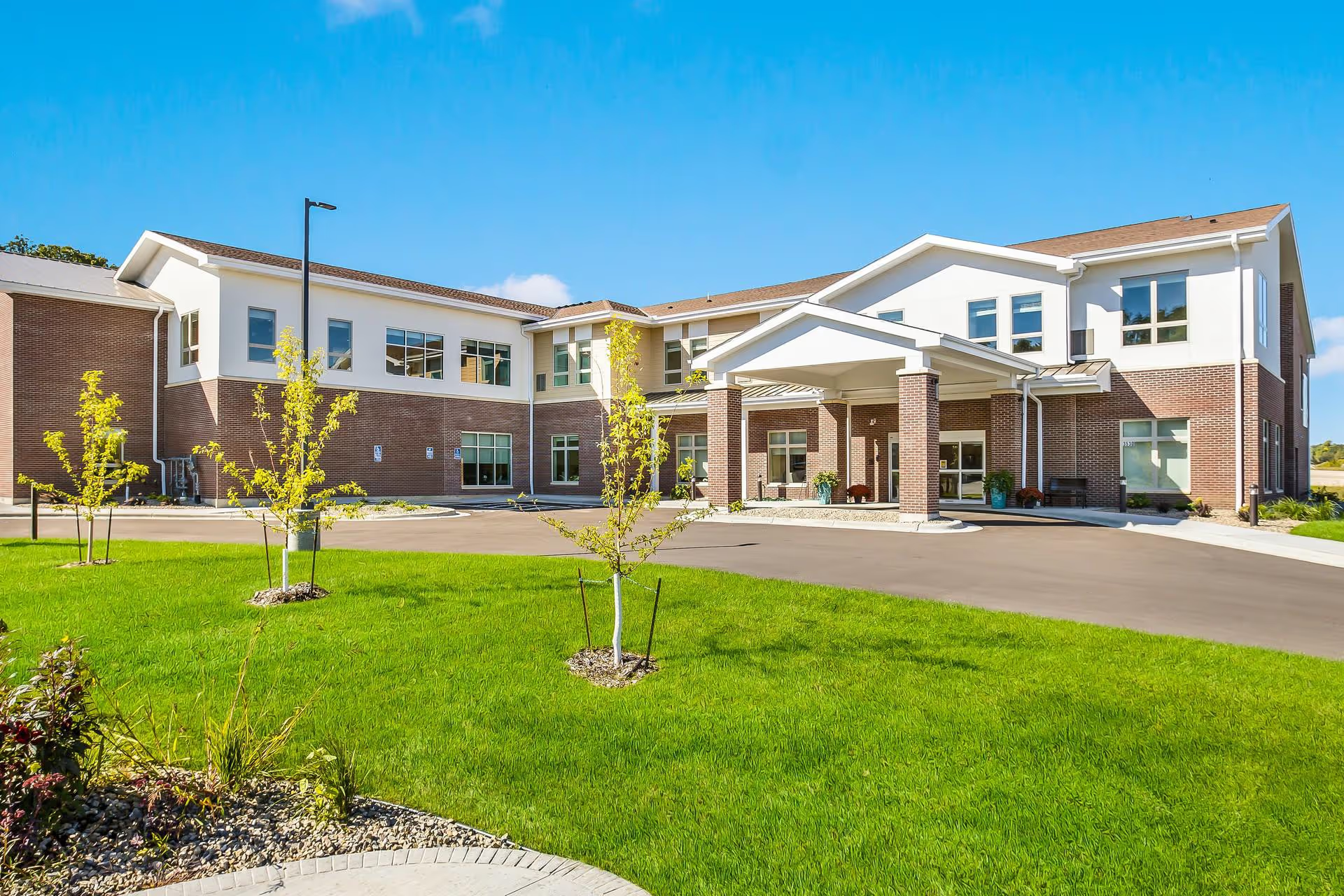
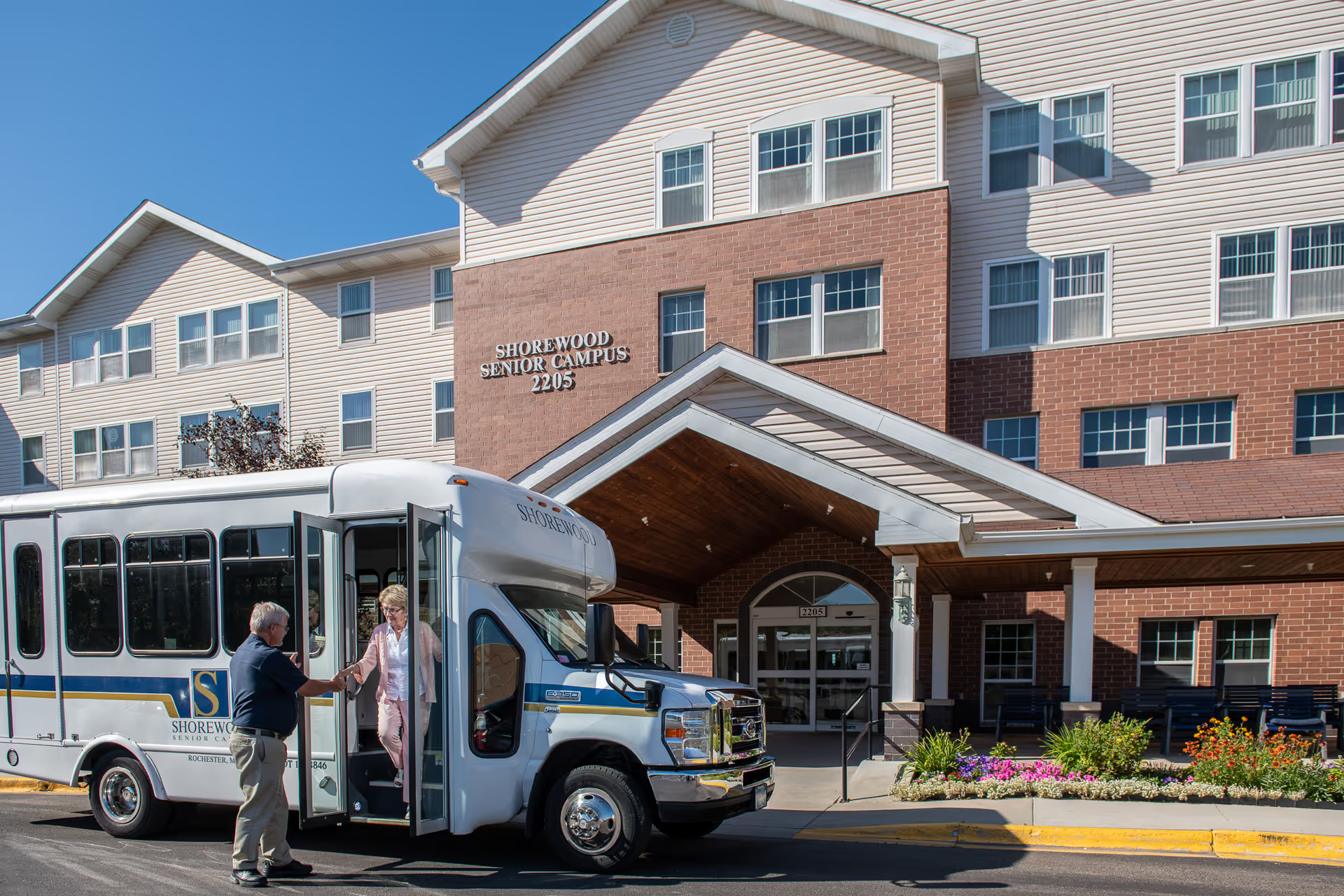
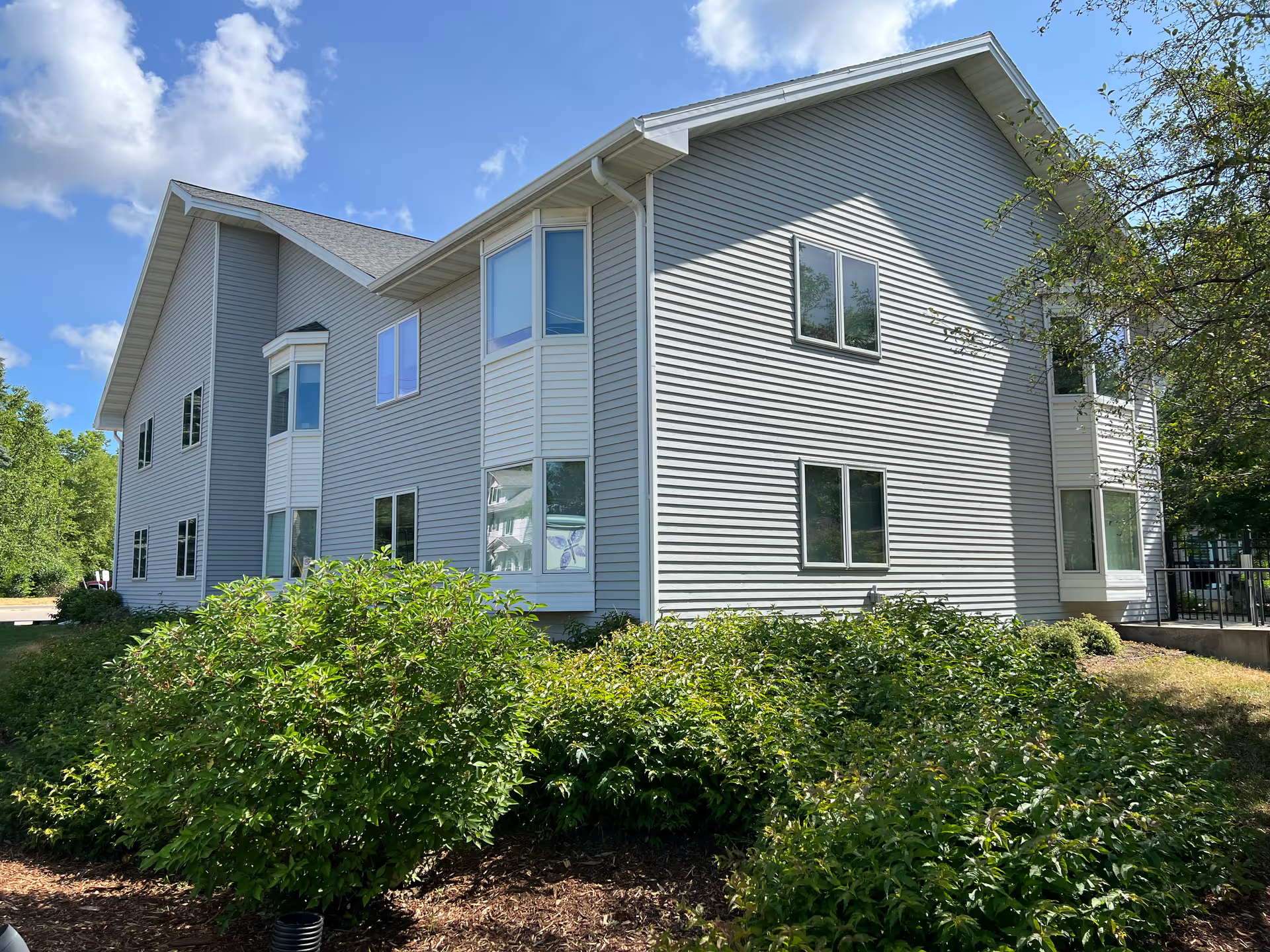
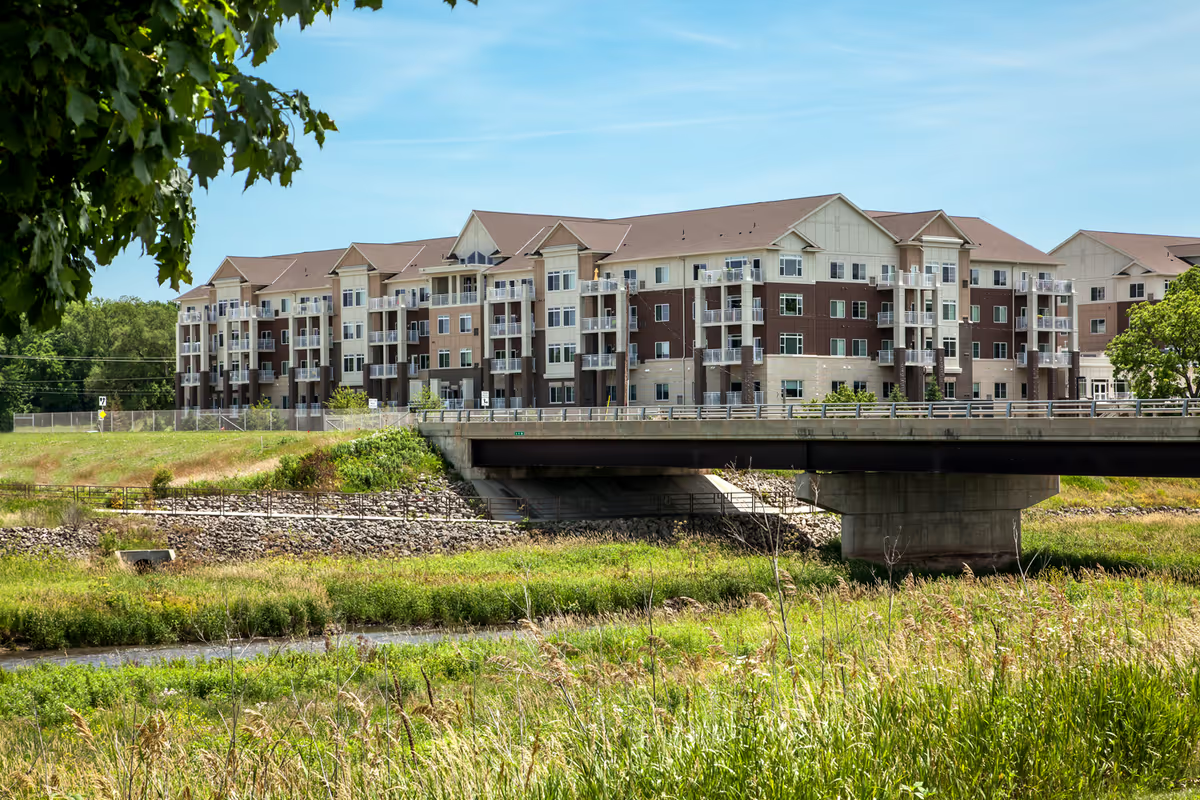
Facility amenities and community aspects are generally viewed positively. The facility has a newer addition, larger event rooms, and an environment that many families described as friendly and conducive to visits and volunteer activities. Family engagement through visiting, music, and volunteer-led programs was noted as a benefit that contributed to resident well-being.
Management and oversight present a mixed picture. Some reviews praised responsive leadership and good communication; others pointed to turnover in key roles (including social work and nursing leadership), payroll/operational concerns, and gaps in clinical supervision. These management-level inconsistencies appear to correlate with the variability in frontline performance, housekeeping, and administrative reliability.
In summary, prospective residents and families should weigh the facility’s demonstrated strengths in rehabilitation, compassionate bedside care, hospice coordination, and updated physical plant against recurring operational issues: staffing instability, uneven communication and record-keeping, inconsistent housekeeping and pest-control, and occasional interruptions in meal-service continuity. Those prioritizing intensive rehab and supportive bedside staff report positive outcomes; those for whom consistent housekeeping, dependable communication, and uninterrupted ADL assistance are critical may want to confirm current staffing, administrative processes, and sanitation/pest-control protocols before placement.