Overall impression: Reviews describe a community with strong strengths in hands-on caregiving, resident engagement, and a welcoming environment, alongside recurring operational shortcomings in communication and front-desk responsiveness. Families commonly highlight compassionate direct-care staff and an atmosphere that feels home-like; however, several accounts point to avoidable process and customer-service gaps that affect family interactions and day-to-day convenience.
Care and staff: Care quality is generally characterized as compassionate and attentive. Multiple accounts specifically praise caregivers for patience, responsiveness during transitions, and the ability to foster resident engagement—particularly in the memory-care unit. Individual staff members and caregiving teams are frequently described as warm and supportive, and one consistent positive theme is the facility’s ability to manage transitions into memory care in a way families find stress-reducing. At the same time, there are recurring concerns about inconsistent responsiveness: reviewers describe delays in attending to needs and episodes where staff communication or tone fell short of expectations. These indicate an operational need for more consistent training, staffing oversight, or monitoring of response times.
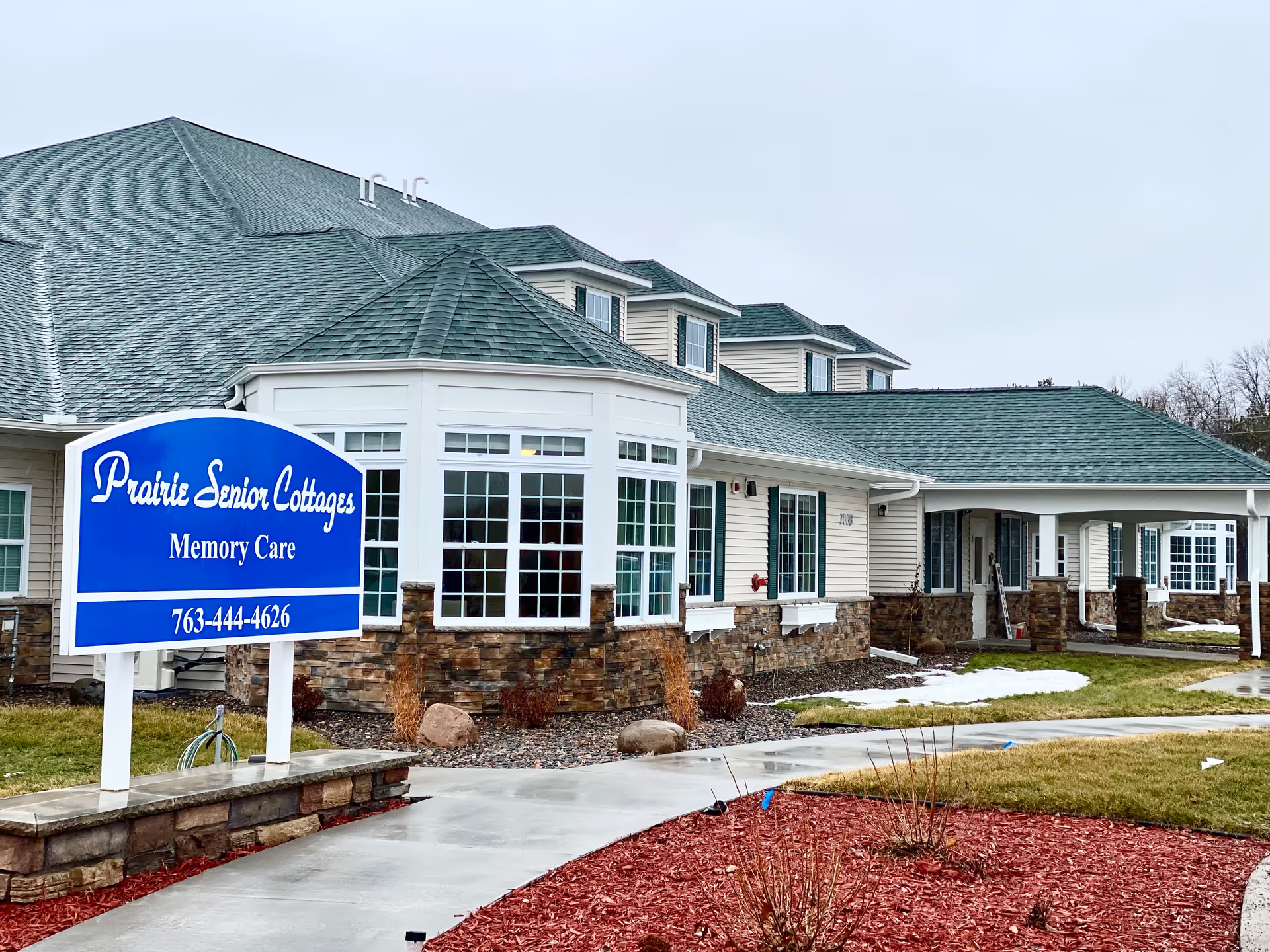
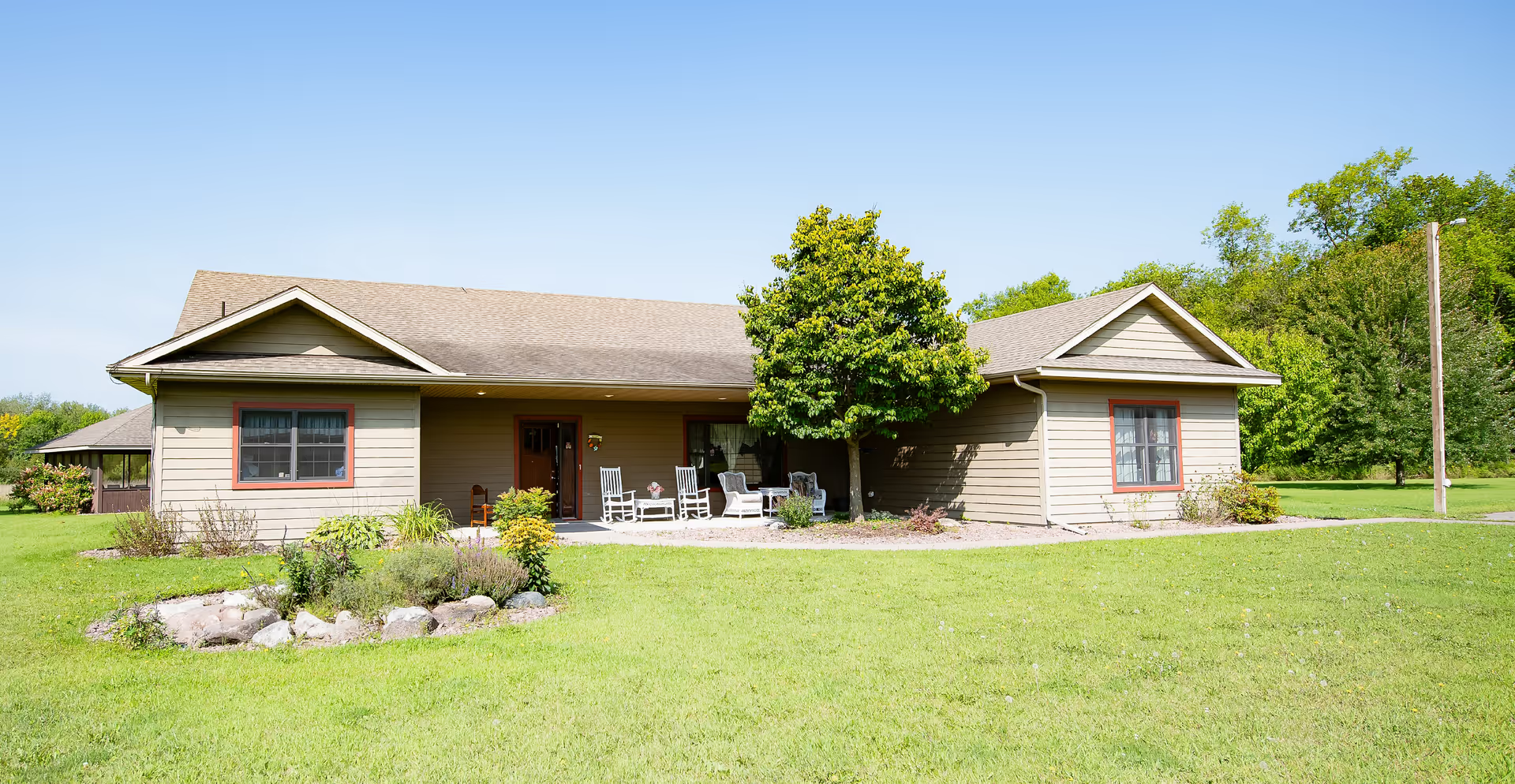
Activities, dining, and daily life: The memory-care program is often described as clean and engaging, with staff actively interacting with residents. Reviewers note a strong sense of community and meaningful resident engagement, which supports quality of life. Dining-specific feedback is limited in the available summaries; there is no clear pattern about food quality or meal service reliability. Activities and social atmosphere receive positive attention overall, with many describing welcoming common spaces and residents who are friendly and comfortable.
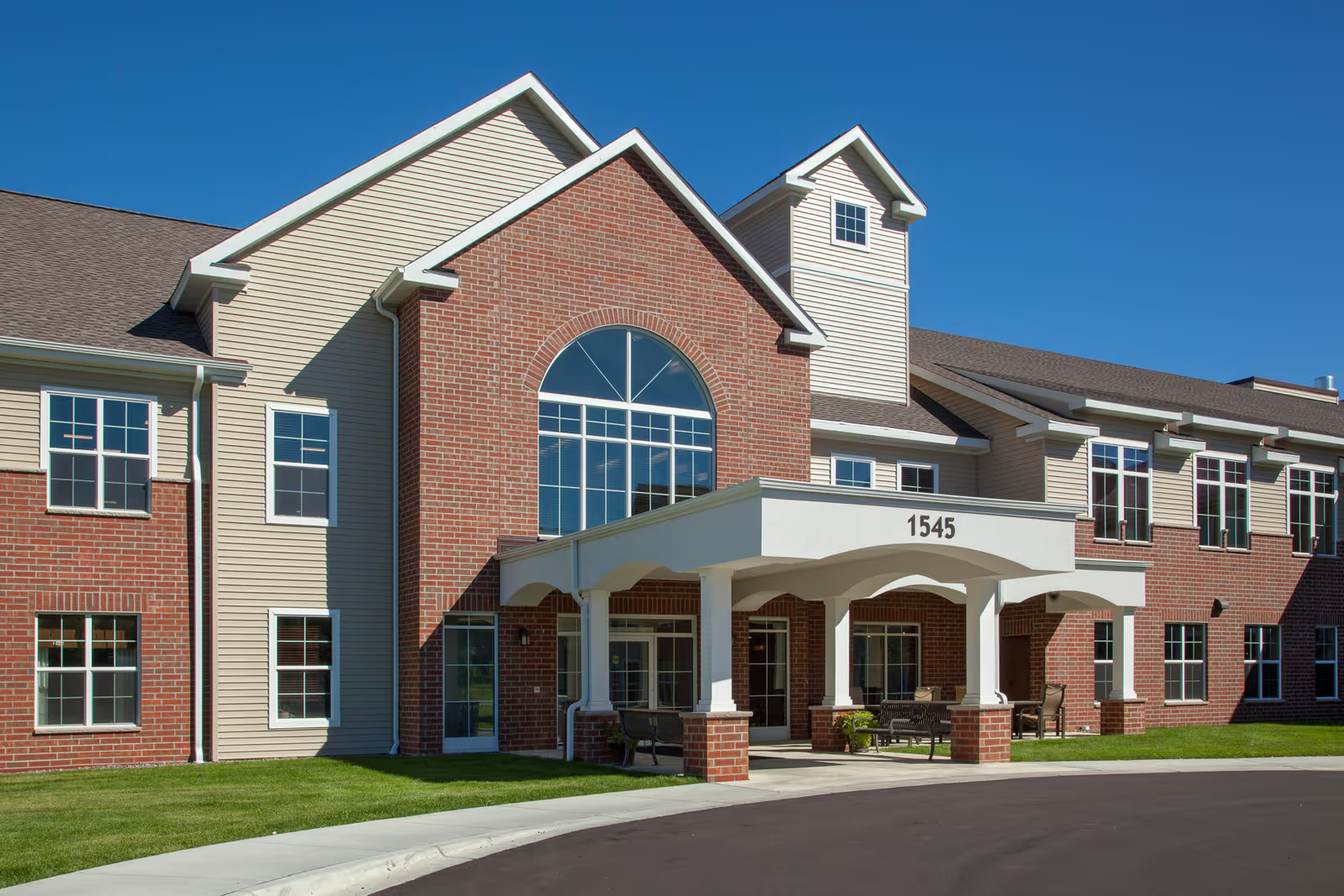
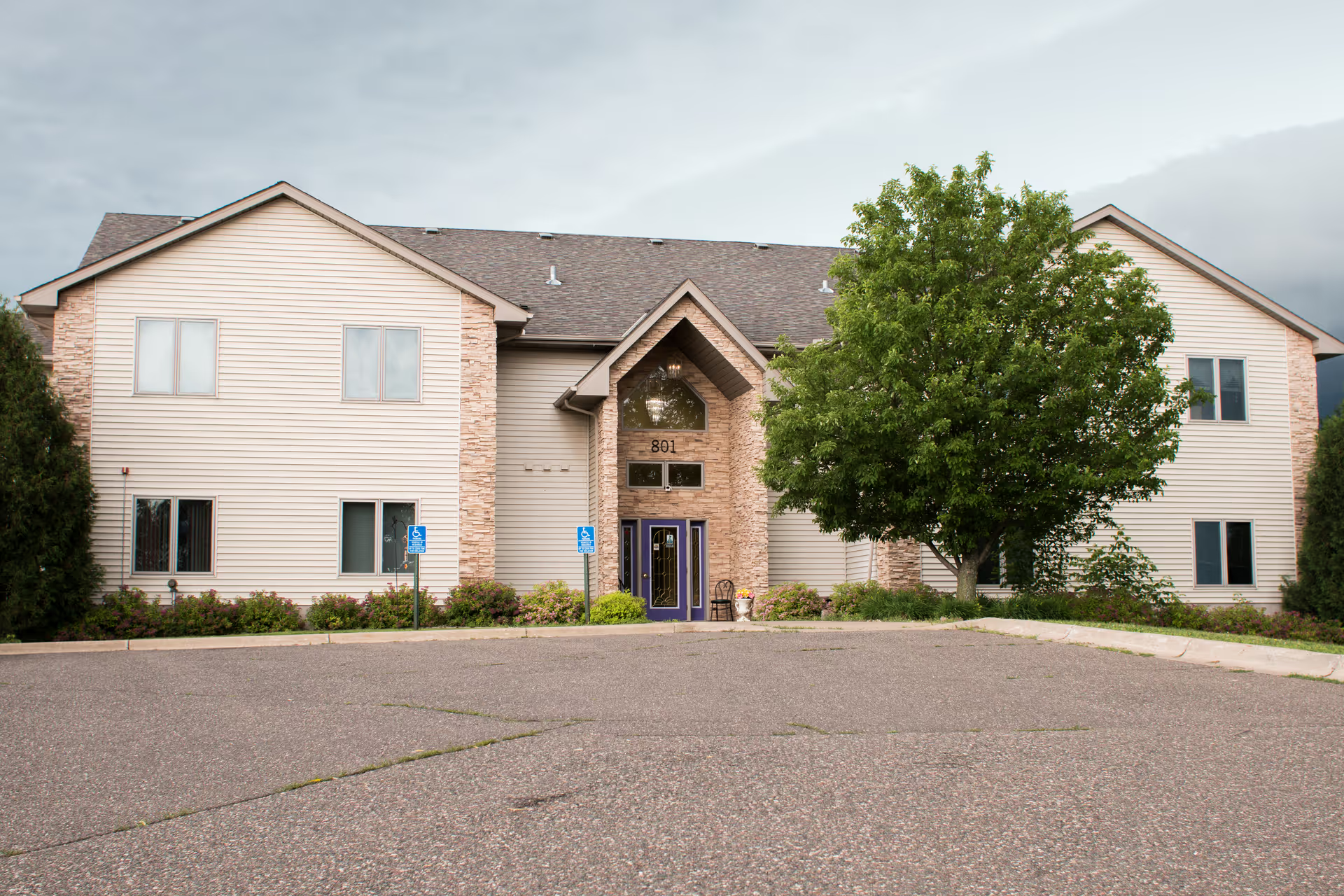
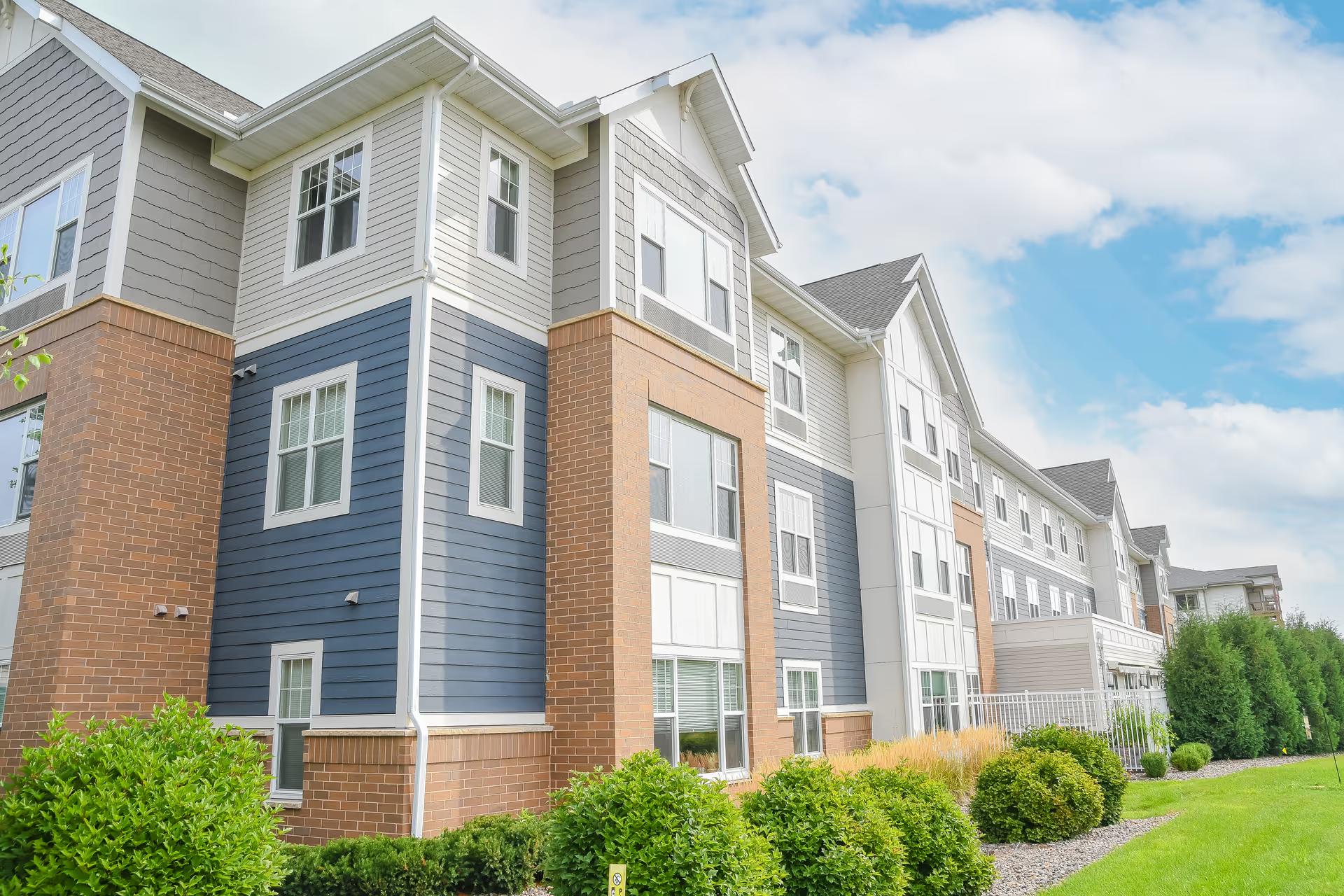
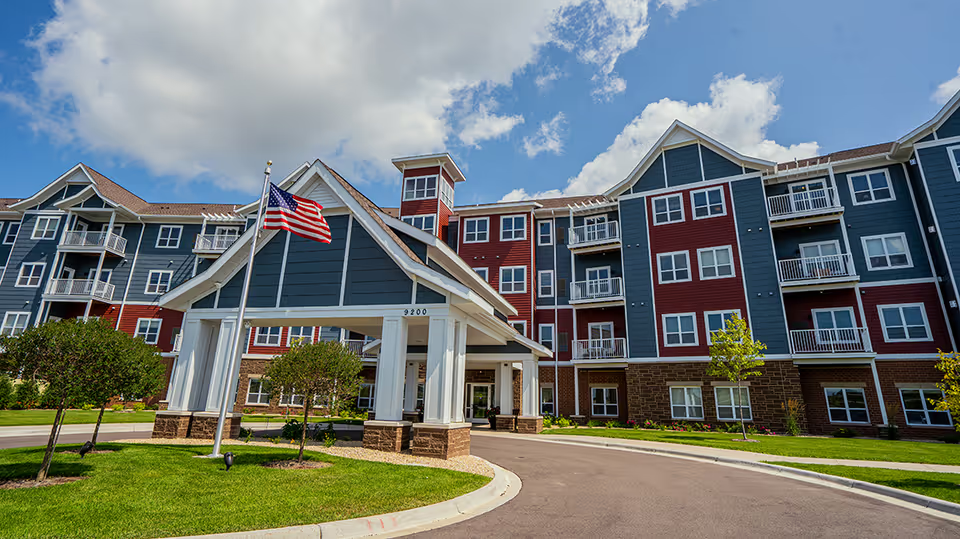
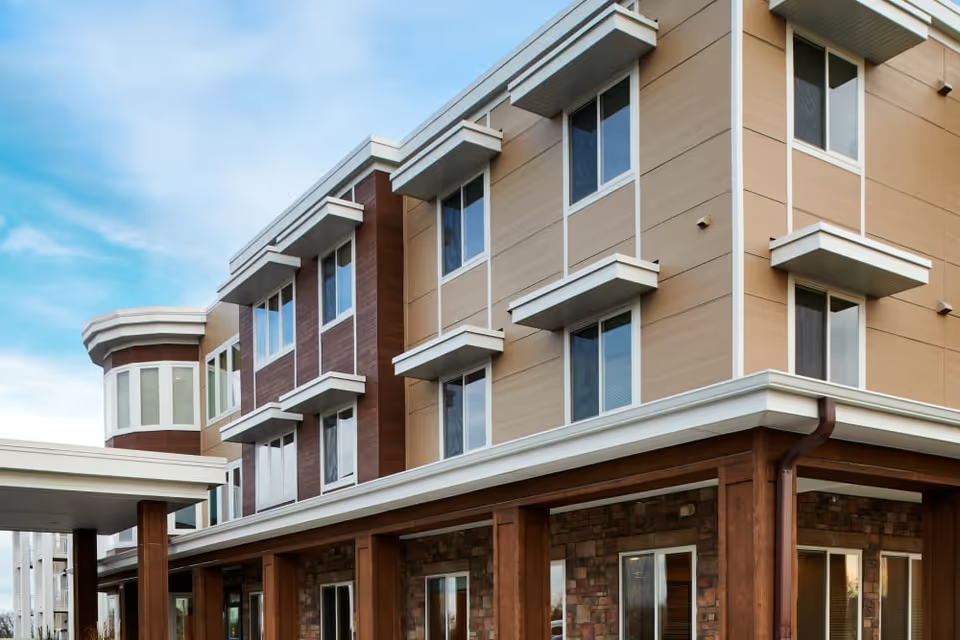
Facilities and apartments: The building is described as new and well-maintained, with modern in-unit amenities such as laundry, dishwashers, and an attached garage. These features support independent and assisted living needs. At the same time, reviewers reference budget-related shortcomings in certain apartments, suggesting variability between unit finishes and price points. Prospective residents should verify unit specifications and compare finish levels to the quoted rate.
Management, communication, and systems: Management impressions are mixed. Several reviews describe engaged leadership and responsive individual staff members; others raise concerns about customer-service tone and front-office operations, including unclear call routing, unanswered phones, and difficulties at reception or entry. These are operational traits rather than isolated incidents and point to opportunities for improved telecommunications systems, clearer visitor-entry procedures, and consistent customer-service training for both front-line and supervisory staff.
Notable patterns and recommendations: The dominant positive pattern is strong, compassionate caregiving and a comfortable, community-oriented living environment—particularly in memory care. The dominant operational pattern is inconsistent communication and front-desk responsiveness, which can undermine family confidence and convenience. For prospective residents and families: ask for a walk-through of the communication systems (phone/call routing, visitor entry), request sample apartment specifications by price tier, and meet direct-care teams during a visit. For the provider: prioritize improvements to telecommunication and reception processes, standardize customer-service training, and implement measurable response-time monitoring to address intermittent lapses in timely attention to residents.