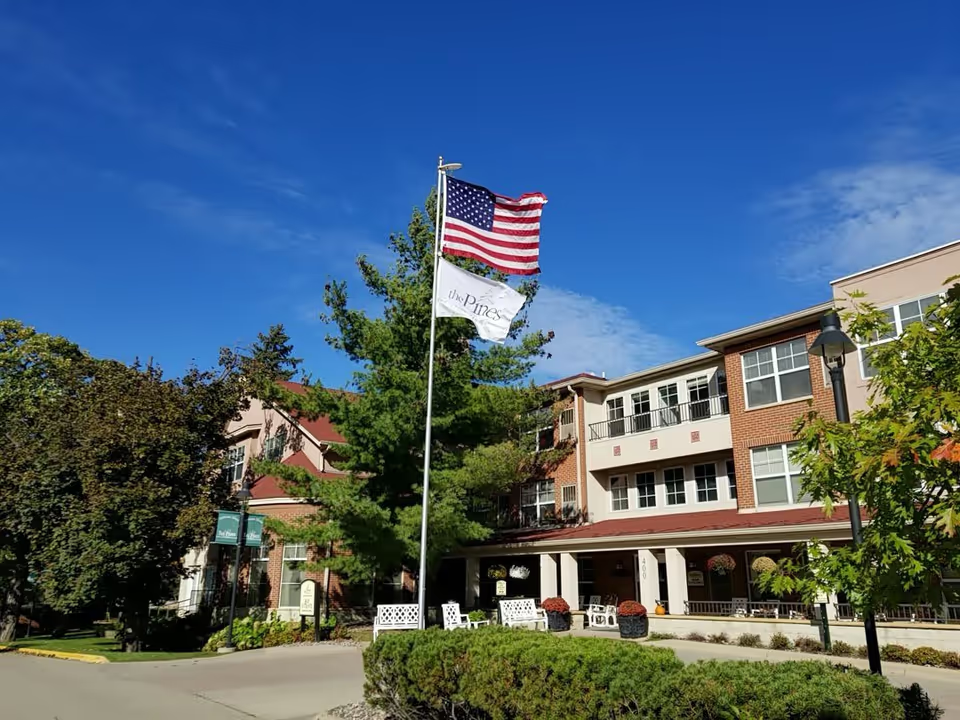
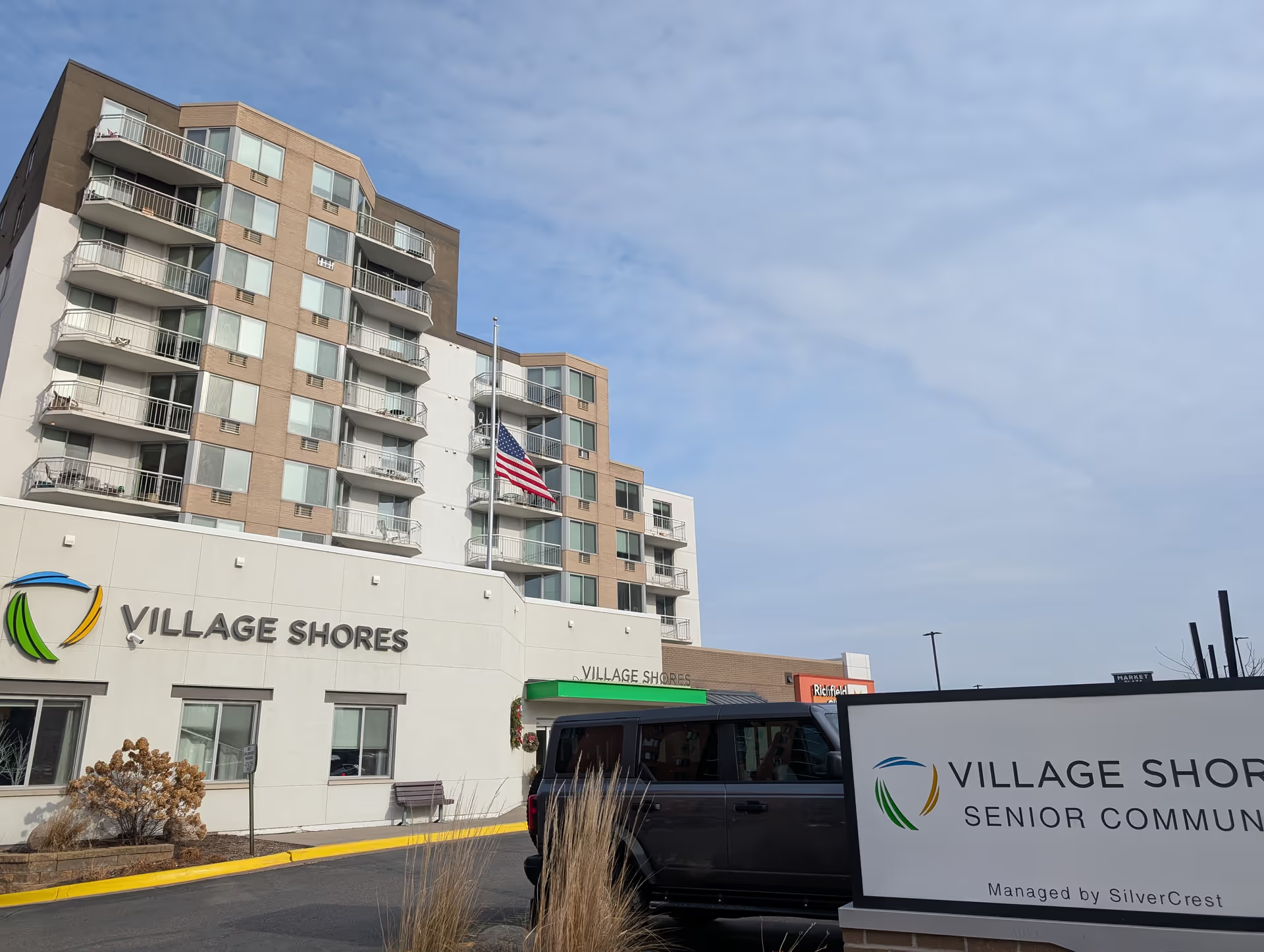
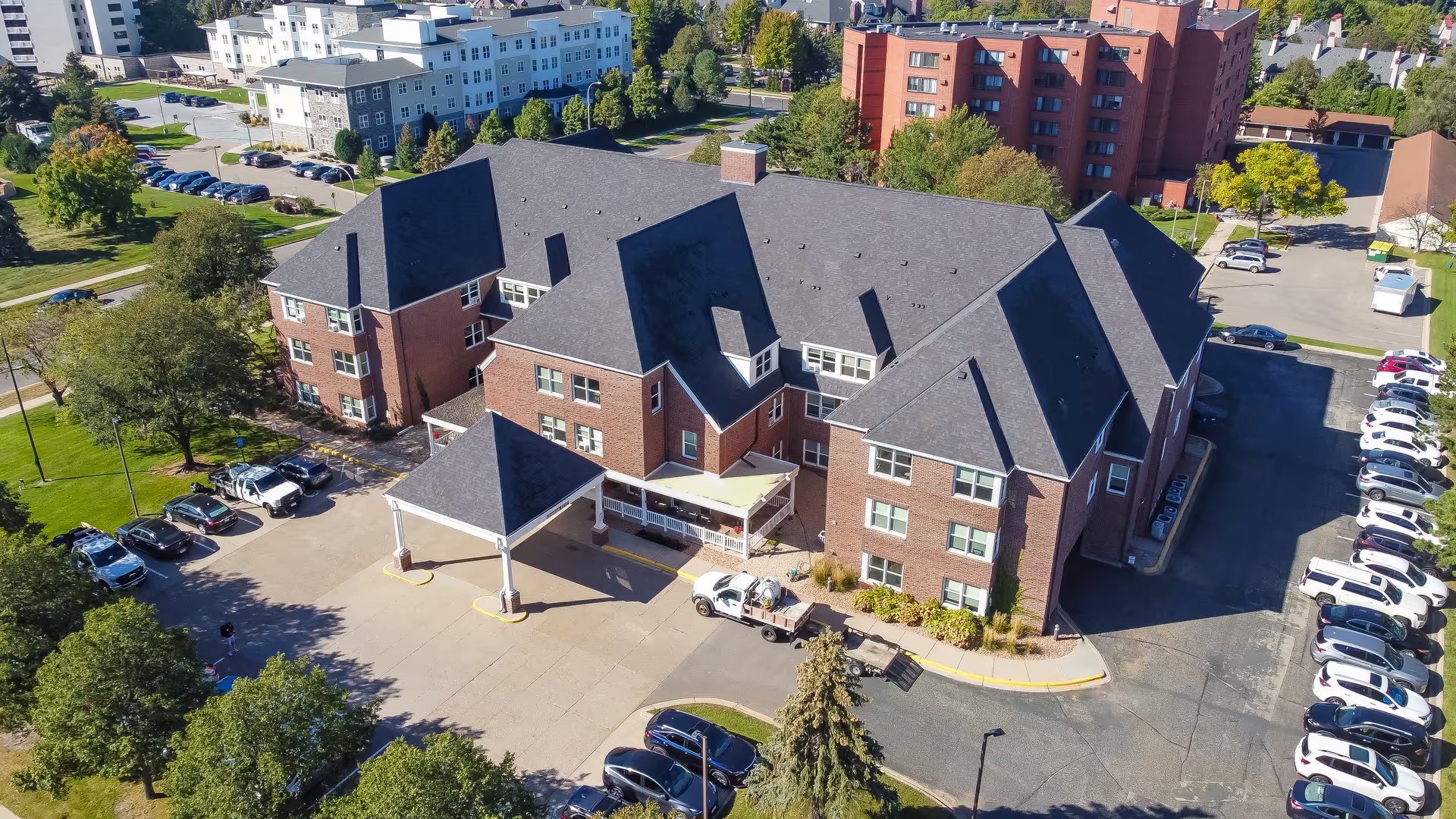
Havenwood of Richfield presents a mixed but informative profile. Many families and residents commend the facility’s welcoming atmosphere, newer building features, and wide range of amenities — including a gym, craft room, theater, in-unit laundry in many apartments, and concierge services. The community is often described as social and home-like, with strong peer engagement and opportunities to meet other residents. Memory-care units are frequently characterized as peaceful and smaller in scale, which some families find more comforting and residential.
Direct-care staff, activities personnel, and kitchen leadership receive consistent praise. Reviewers repeatedly highlight compassionate and attentive aides and nurses, hands-on clinical staff, and a highly regarded activities department that runs varied, creative programs and community events. The executive chef and dining leadership are also noted positively for breakfast and lunch offerings. Maintenance and housekeeping staff are often described as responsive when repairs are needed, and front-desk/concierge interactions are described as welcoming.
However, a set of operational weaknesses appears recurrent. Leadership instability and frequent administrative turnover are a persistent concern and are tied to lapses in communication and operational consistency. Understaffing and high personnel turnover are reported to affect service continuity and training, producing uneven care quality across shifts and units. Related to staffing, reviewers describe gaps in medication-management processes, delays in medication evaluation, and uneven family notification about medication changes.
Dining and daily logistics show variability. While some meals and the chef’s offerings receive praise, families describe unreliable meal delivery at times, missed or delayed meals, and inconsistent evening meal satisfaction. Housekeeping and laundry processes are also inconsistent in some units, with families noting missing items and variability in cleaning frequency. Security and access-control processes (for example, delays with building fobs or entry) and a small number of allegations concerning missing valuables raise additional operational concerns.
Resident safety and monitoring are another theme. Reviewers cite instances that suggest gaps in night checks and monitoring practices, occasional delays in staff response, and variable oversight during higher-dependency periods. These reports are tied in several accounts to the broader staffing and training patterns already noted. Families also describe concerns about morale and perceived favoritism that can influence day-to-day resident experience.
In sum, Havenwood of Richfield offers many strengths that are important to prospective residents — a lively activities program, caring front-line staff, attractive physical spaces, and responsive maintenance. These positives are counterbalanced by recurring operational issues: leadership turnover, staffing instability, inconsistent training and monitoring practices, and uneven dining and housekeeping reliability. Prospective families should weigh the facility’s strong social and programmatic assets against these operational risks, ask targeted questions about current leadership stability, staffing ratios and training, medication-management protocols, meal-delivery processes, and security procedures, and seek recent references from current families or an in-person observation of care and mealtime routines before deciding.