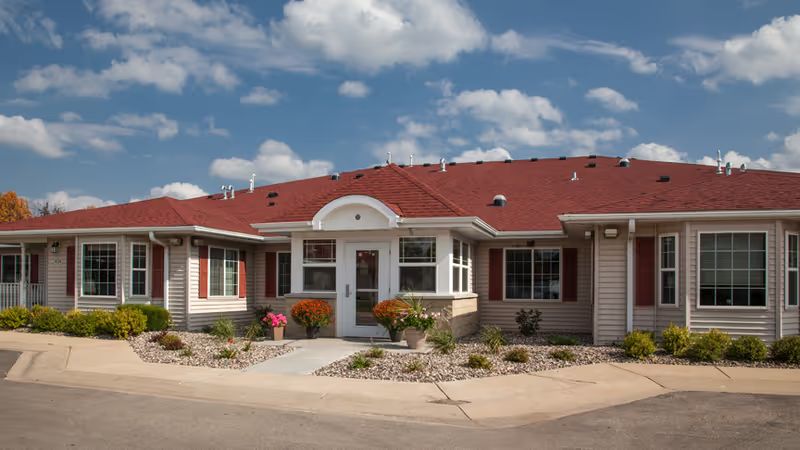
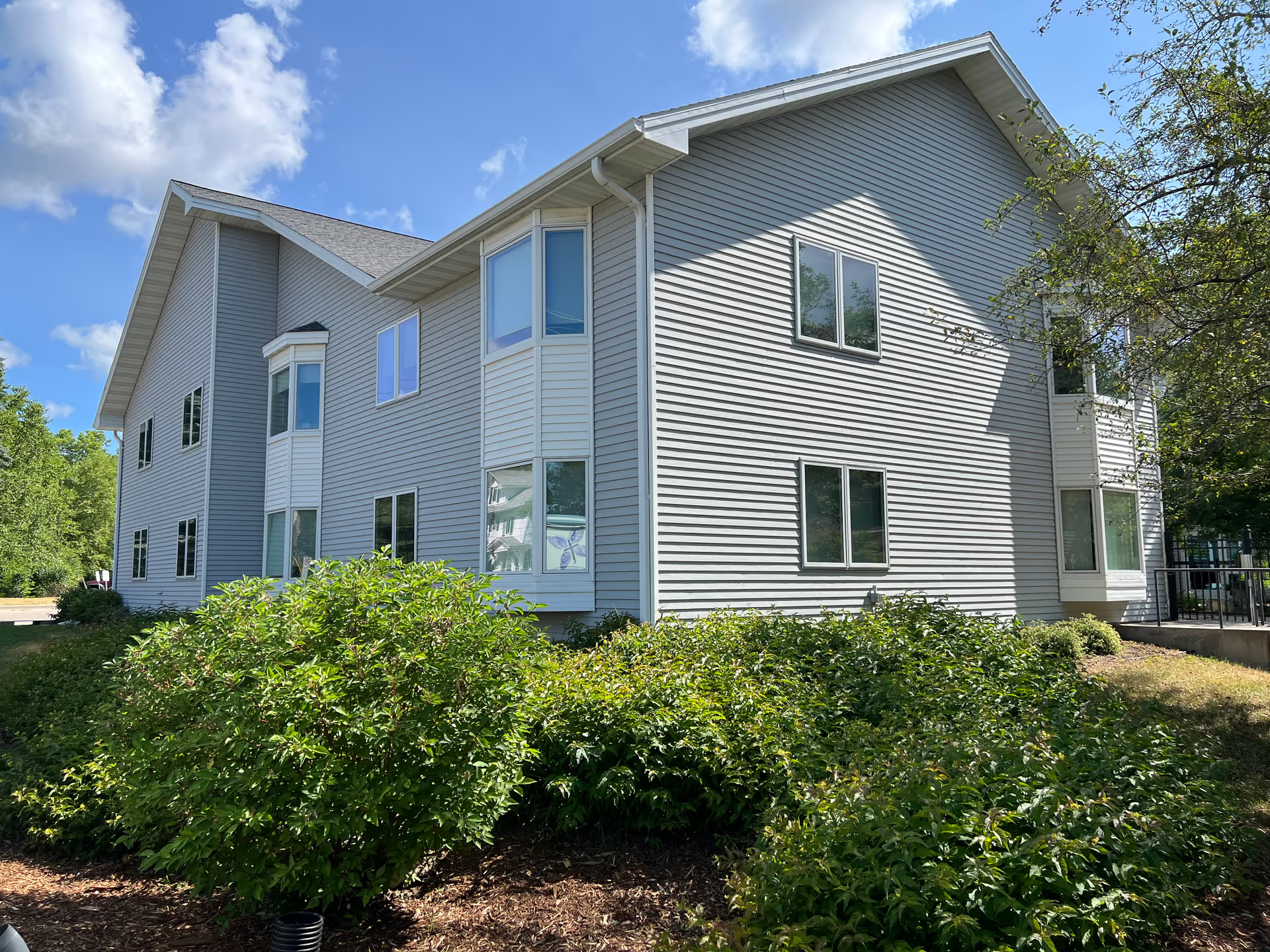
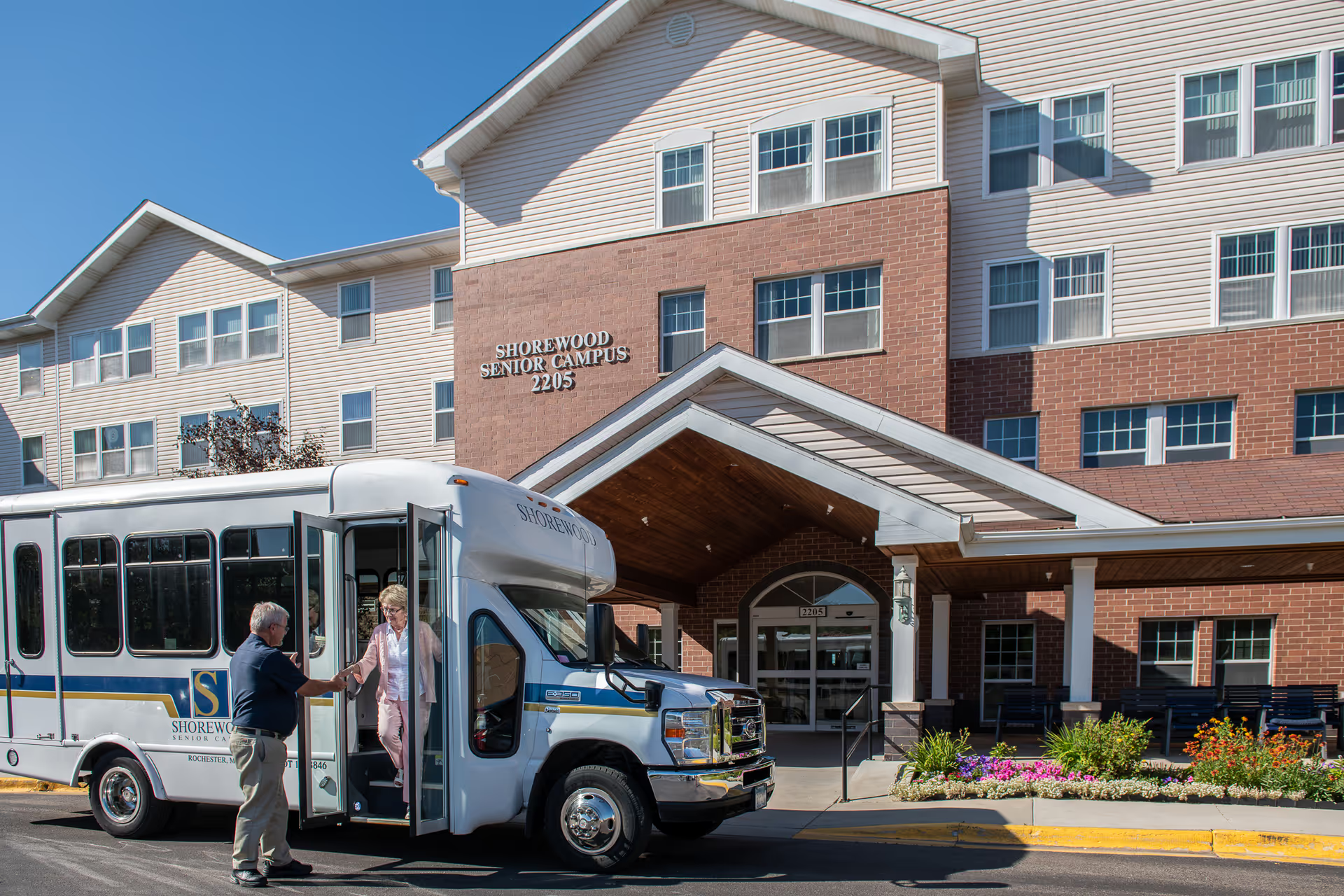
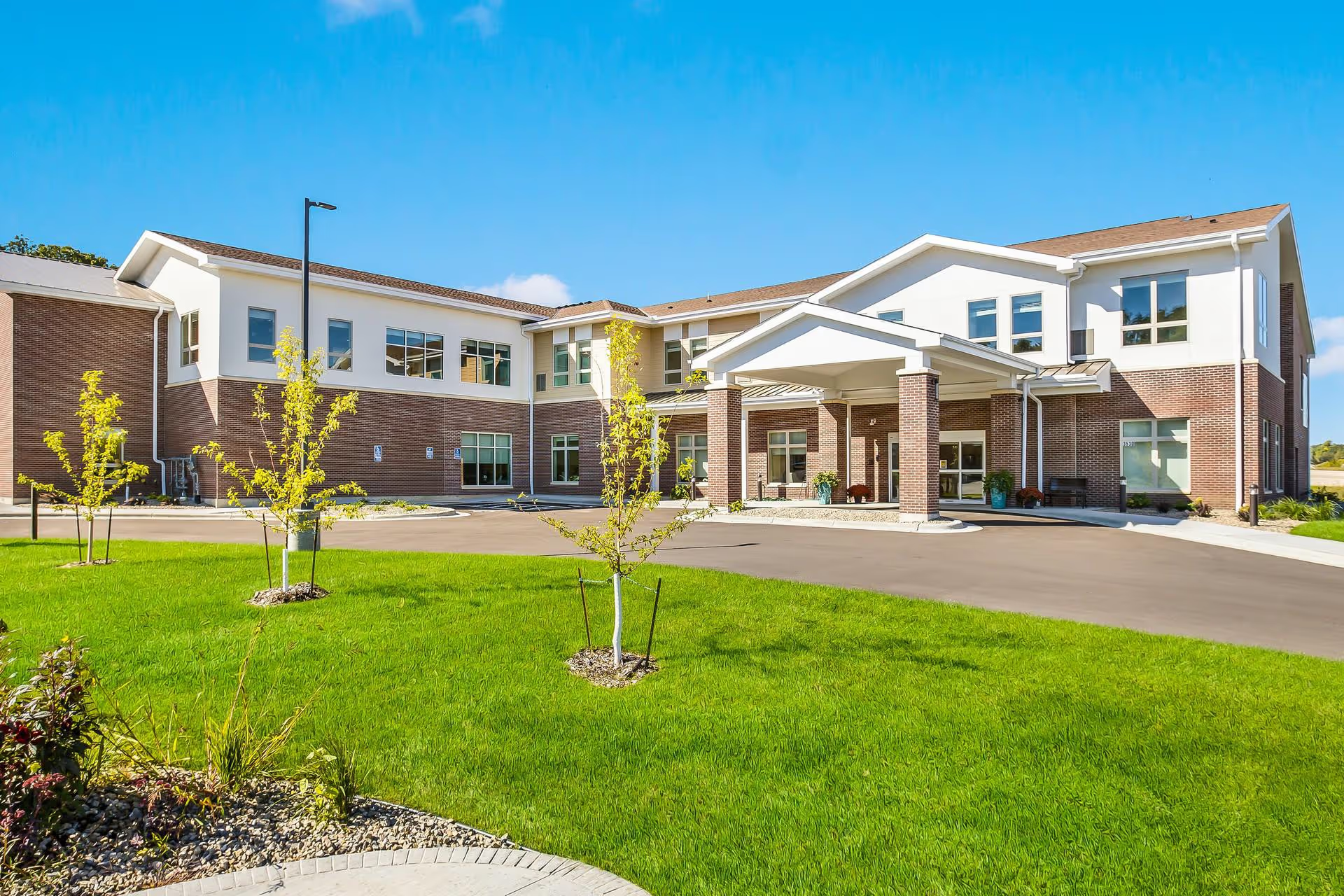
Realife Co-Op presents as an active independent-living community with clear strengths in social programming and unit design. Multiple reviewers emphasize a robust activities program — several organized groups and a schedule that can include multiple events per day — and a visible focus on communal engagement, including rotating artwork and frequent opportunities for residents to interact. Apartments are consistently described as spacious and well-laid-out, and many accounts highlight a generally clean and orderly interior environment.
Care and staffing should be considered in the context of an independent-living/cooperative model. The community appears oriented toward independent seniors rather than higher-acuity care; prospective residents who require regular clinical services or hands-on assistance may find the model insufficient. Staff impressions are mixed: while some reviewers describe staff and residents as friendly, there are isolated but notable concerns about responsiveness to calls for assistance. Additionally, at least one account details operational disruption during a COVID-19 outbreak, which, together with other comments, suggests opportunities to strengthen infection-control protocols and crisis communication procedures.
Dining receives little consistent commentary in the material provided; there is no clear, facility-wide pattern of praise or criticism for meal quality or service. That absence suggests prospective residents should request current dining information and sample meals during a visit.
Activities and social life are clear selling points. The programmatic breadth — multiple daily activities and many organized groups — supports an engaged lifestyle for residents who value frequent social and recreational opportunities. The presence of rotating artwork and active common-area programming further indicates an investment in communal life and aesthetic upkeep.
Facility features are mixed. Apartment interiors are praised for size and layout, and overall cleanliness is repeatedly noted. However, common corridors and some shared spaces are described as dim or dreary, a condition attributed in part to energy-saving measures; this affects ambiance and could matter for residents sensitive to lighting. Practical conveniences are limited in some units: there is no in-unit washer/dryer (laundry facilities are located on each floor), and units have carpeted flooring, which some may view as an upkeep or allergy concern. Several reviewers indicated that accessibility or other unit modifications can incur additional expense, so buyers should clarify modification policies and likely costs in advance.
Management and governance appear to follow a cooperative model, which can offer resident involvement and community orientation but also has structural limitations. The co-op governance style may not suit everyone — especially those who prefer a traditional operator-managed environment or who require more predictable service levels. Finally, resident social dynamics can be uneven: while many describe a friendly, engaged community, others report less welcoming interactions in specific situations. Prospective residents should visit at varied times, meet current residents, and discuss governance, staff-response procedures, and modification policies with management to determine fit.