Overall impression: Reviews describe a facility with a clear split between the frontline care experience and administrative/leadership performance. Many reviewers praise direct-care staff as compassionate, engaged, and personally invested in residents; those comments are reinforced by examples of staff being characterized as "rockstars," positive neighborly social interactions, and residents enjoying their apartments and the community setting. The facility's infection-control response during the COVID-19 pandemic is noted positively, and the campus receives favorable mention for its wooded setting and proximity to downtown St. Joseph. External recognition and awards are also cited as indicators of quality.
Care quality and staff: Direct-care staff receive consistent positive remarks for kindness, engagement, and the ability to facilitate resident activities and friendships. At the same time, reviewers also describe inconsistency in responsiveness and occasional interruptions during care tasks, suggesting variability in day-to-day service delivery. Families should expect strong person-to-person interactions in many cases but also ask specific questions about staffing levels, response times, and continuity of caregivers.
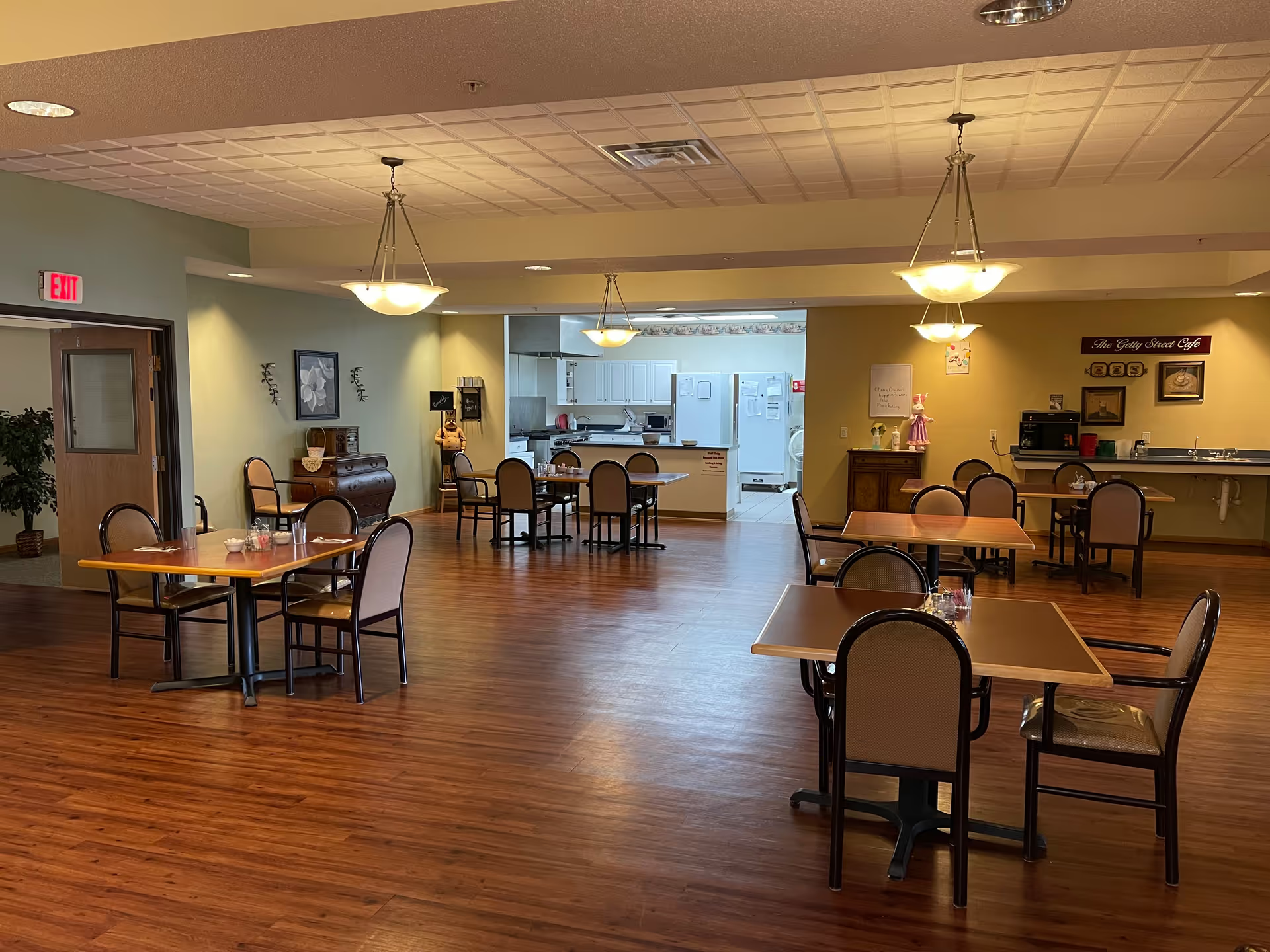
Dining and activities: Accounts reflect an active social environment with opportunities for residents to build friendships. Dining experiences show mixed feedback: while some aspects are adequate, there are concerns about dining presentation and the use of disposable dinnerware, which some reviewers find diminishes meal quality. Prospective residents should review meal-service practices and sample menus during a visit.
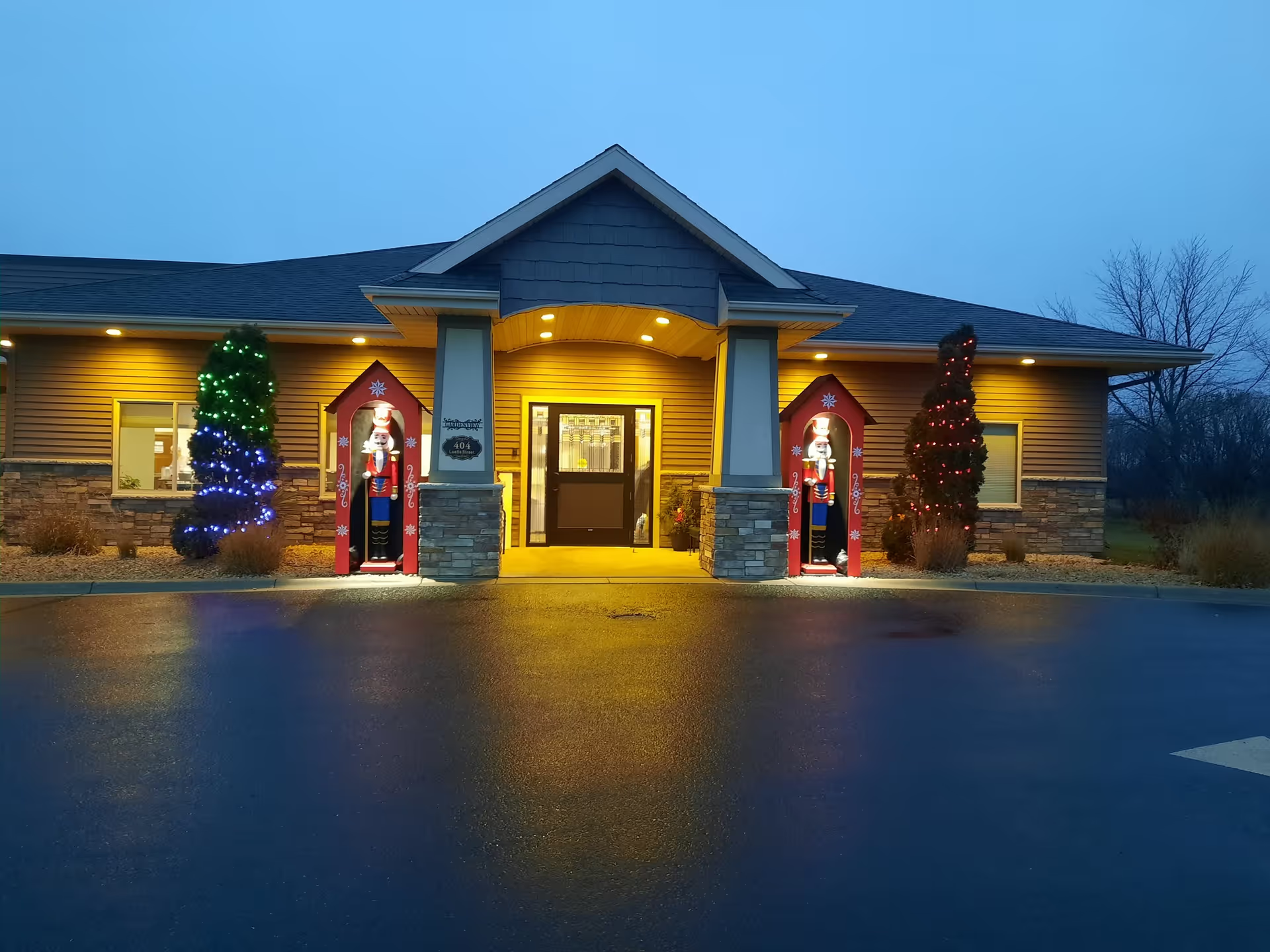
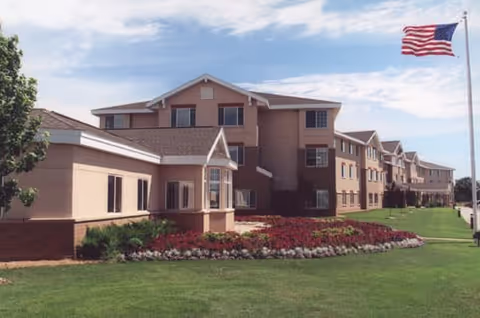
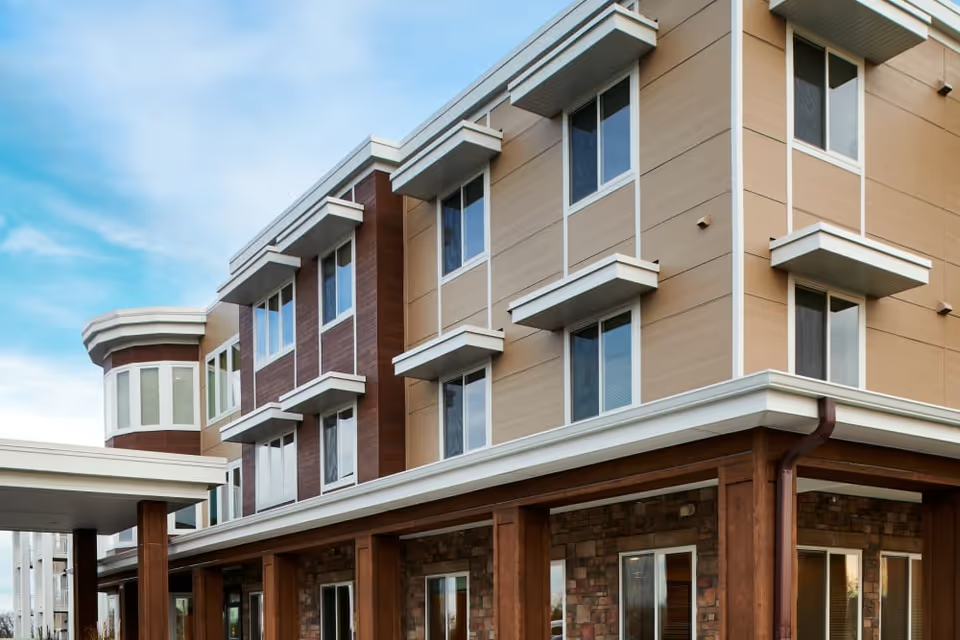
Facilities and grounds: The campus setting and apartment accommodations are described positively by residents, who note comfortable private units and a pleasant wooded environment. At the same time, reviewers describe confusing internal wayfinding and some exterior grounds and landscaping maintenance issues. A guided tour that covers apartment units, common areas, and outdoor spaces would help clarify the facility layout and upkeep.
Management and administration: The most consistent negative theme centers on leadership and communication. Reviewers cite poor communication with families, abrupt or abrasive interactions from management, and instances of what they see as inconsistent or politically influenced personnel decisions. These reports include strong sentiment about staff terminations and donor interactions; such claims suggest perceived instability in leadership practices and trust with stakeholders. Several reviewers also mention misleading or unclear marketing versus actual services, and some consider the cost to be high relative to perceived value. Together, these concerns point to operational and cultural issues at the administrative level rather than uniform clinical-care failures.
Notable patterns and advice for prospective families: The dominant pattern is a contrast between well-regarded frontline caregiving and significant concerns about management behavior, communication, and policies. Prospective residents and families would benefit from direct, specific inquiries before committing: ask for written examples of communication protocols, policy enforcement rules (such as mask and visitation policies), staffing ratios and turnover metrics, details about dining service practices, and a clear accounting of fees and what they cover. It is also prudent to request references from current residents or families and to observe interactions between leadership, staff, and residents during a visit to assess tone and responsiveness.
In summary, Woodcrest of Country Manor appears to offer strong interpersonal care and a desirable campus environment for many residents, paired with administrative and communication issues that merit careful review by prospective residents and their families.