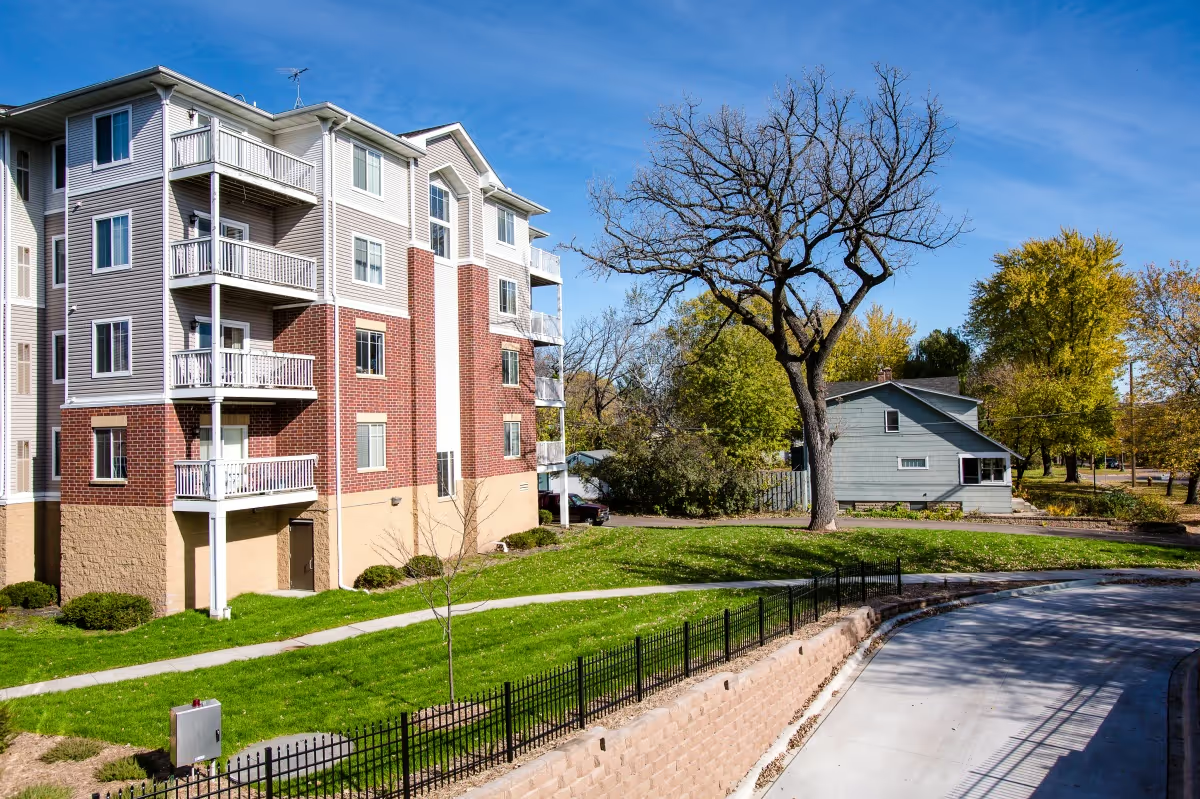
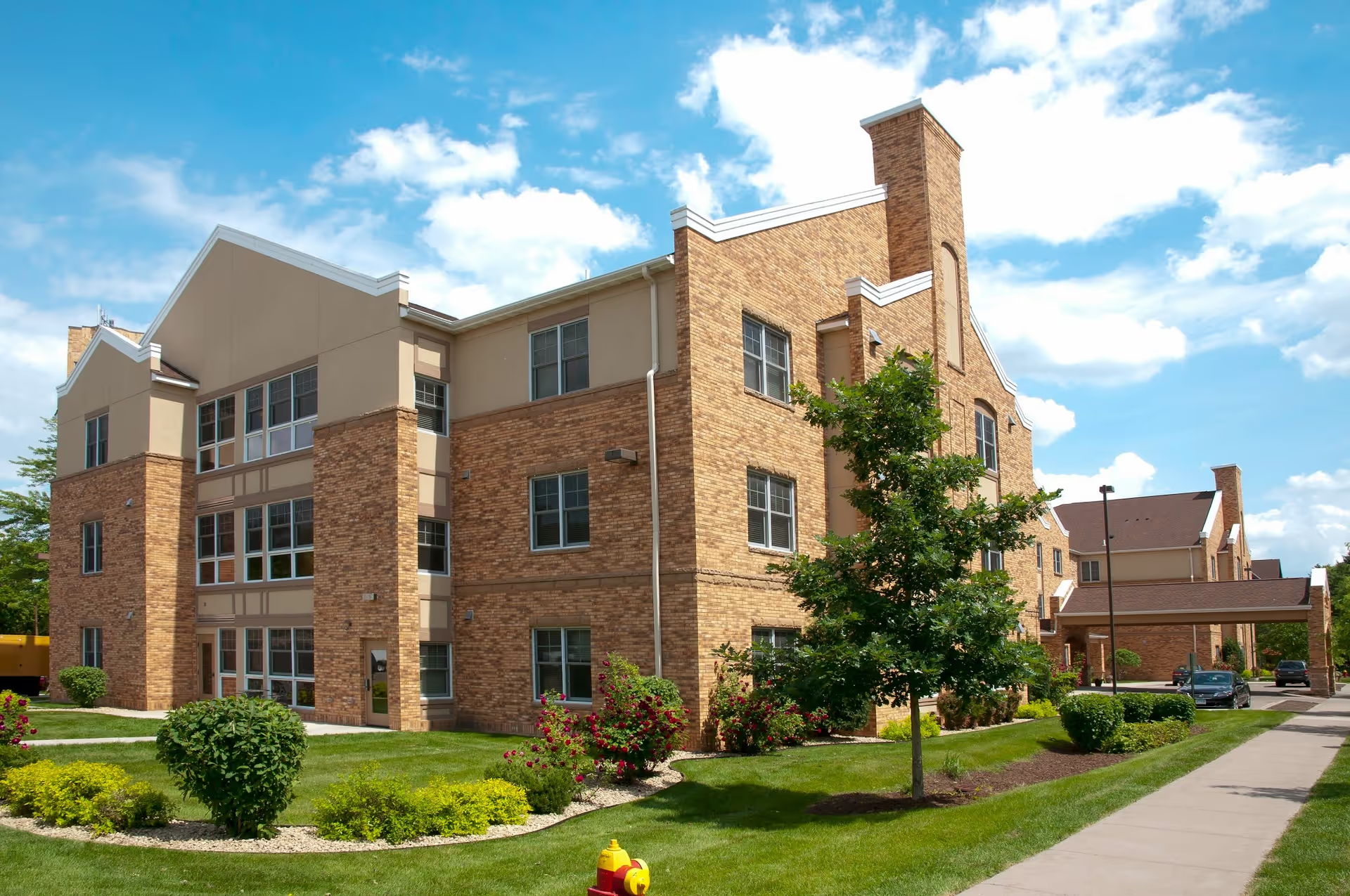
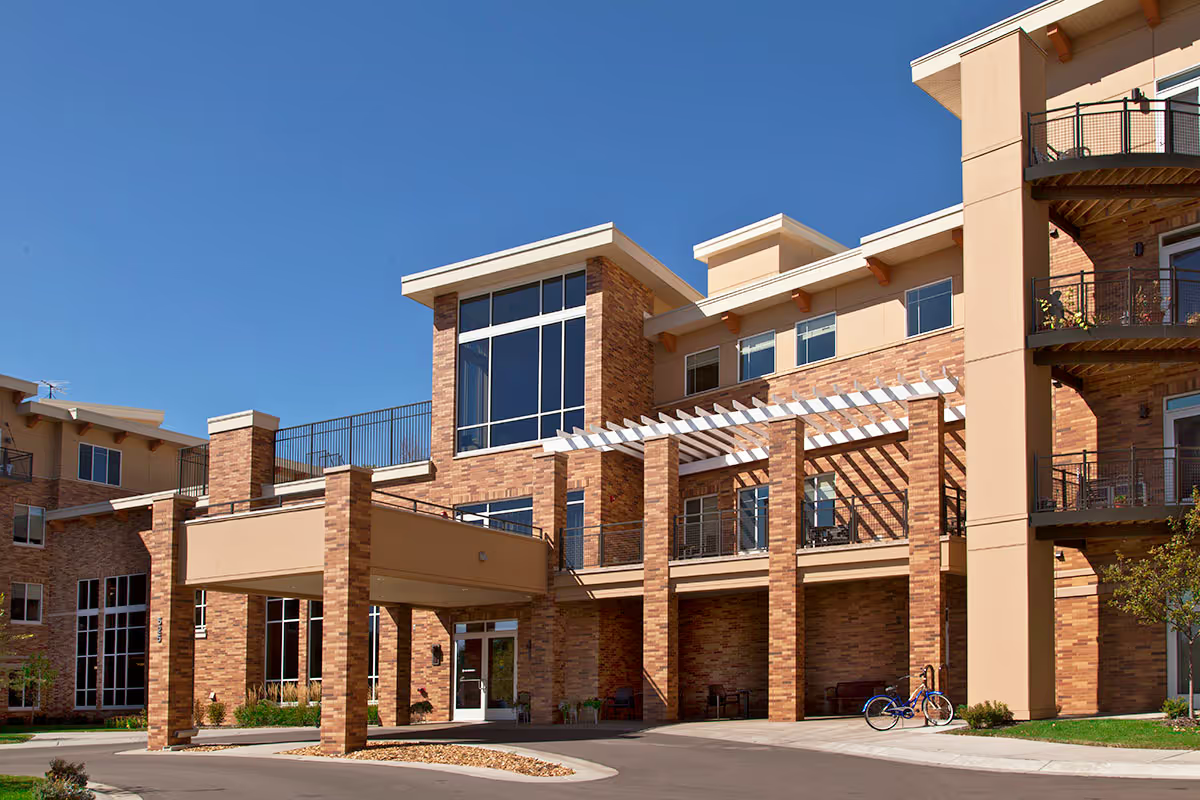
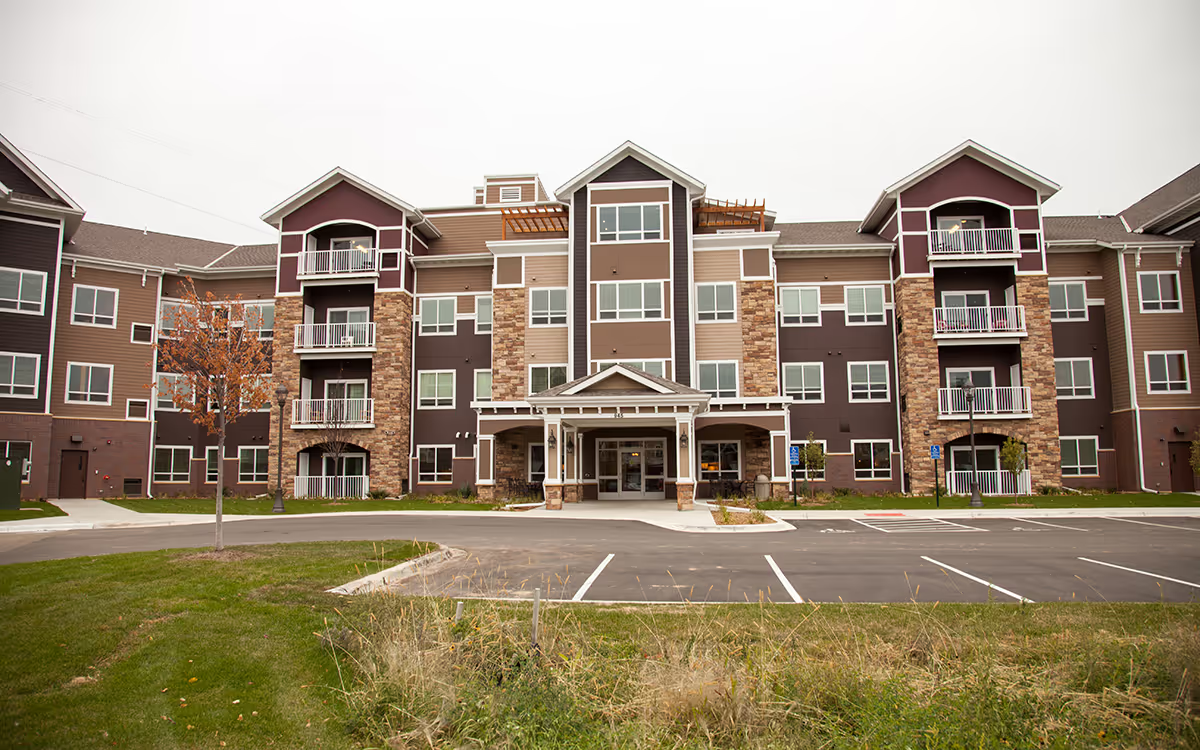
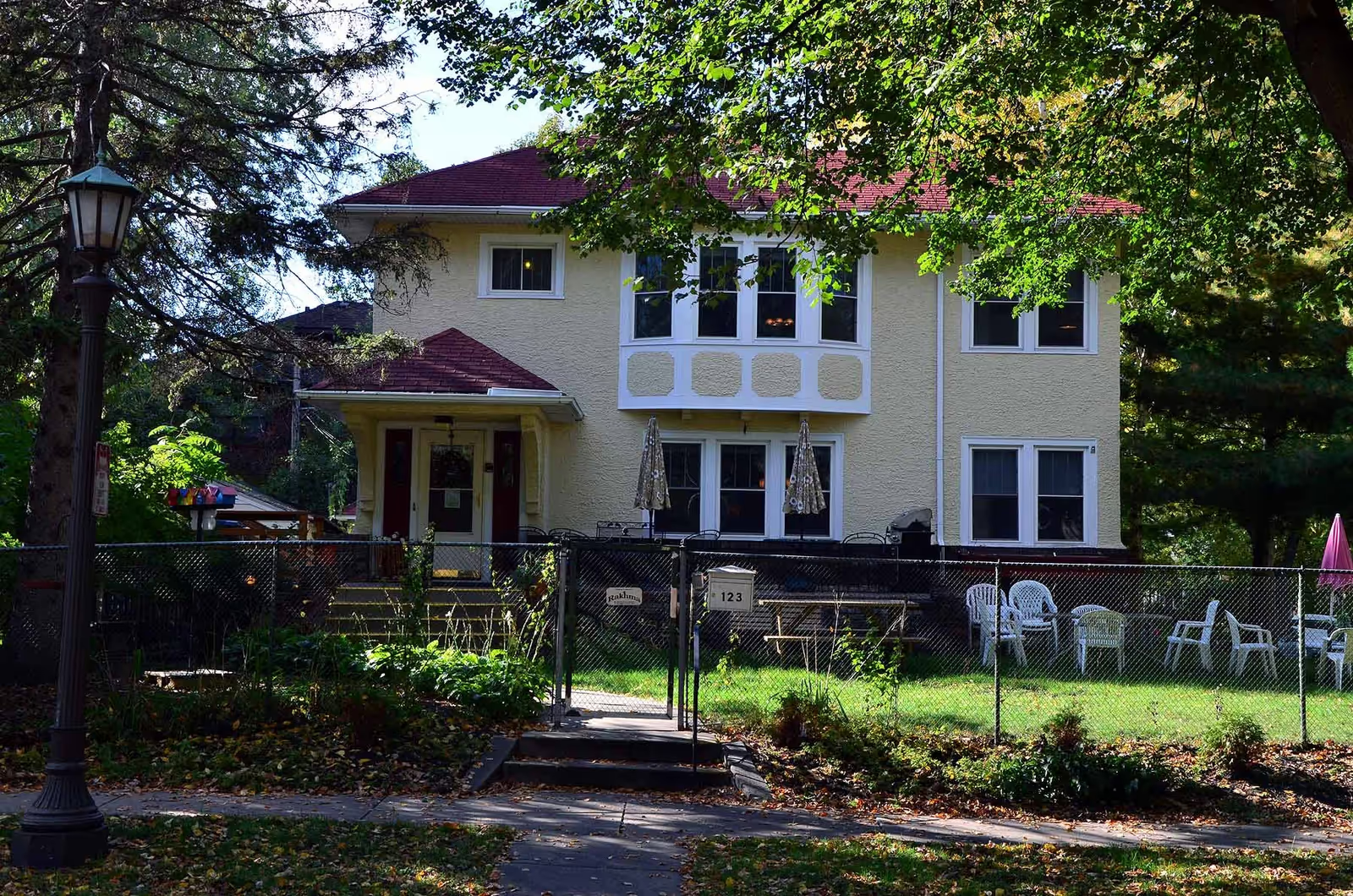
Reviews present a mixed but coherent picture: many families praise the facility's small, home-like setting, compassionate staff, and well-kept physical environment, while a set of operational weaknesses recurs across longer-form accounts. The facility is repeatedly described as bright, clean, and intimate, with spacious rooms, private bathrooms in many units, accessible outdoor spaces and gardens, and an atmosphere that many residents and families find comfortable and familiar.
Care quality is frequently characterized by individualized attention and frequent nursing checks; multiple reviewers compliment front-line caregivers, specific nurses, and an admissions process that eases transitions. At the same time, several reviewers raised concerns about staffing consistency — particularly during evenings and weekends — and about delays in attending to resident needs. Related clinical concerns include alleged medication-administration errors and gaps in diet accommodation and meal continuity; these items indicate variability in day-to-day clinical reliability despite examples of strong nursing and hands-on caregiving.
Dining and activities are described as uneven. The dining staff and chef received praise from multiple families and some residents, with meals described as good to quite good in many accounts. Others reported limited flexibility for special diet needs and occasional lapses in meal delivery. Activities programming is often cited as a positive feature — with singalongs, group events, and creative in-house offerings — though some families noted a lack of personalized memory-care programming or variable activity engagement for residents with dementia.
Facility amenities and ancillary services are generally seen as strengths: clean common areas, handicap-accessible bathing, pet-friendliness, and regular physician/geriatrician visits were cited. Conversely, recurring administrative issues appear in reviews: inconsistent laundry and personal-property handling, billing and end-of-life administrative errors, and access-control procedures that can delay visitors or family access. A subset of reviews documents more serious allegations — including medication-administration problems and concerns following a resident's death — that prompted calls for regulatory review; these accounts point to the need for prospective families to seek clear documentation of clinical and administrative safeguards.
Management impressions are mixed. Several reviewers specifically praised on-site leadership and named staff for responsiveness and follow-up; others described defensive interactions and concerns about conflict resolution and retaliation. Given the split between many positive staff-level comments and multiple operational concerns, prospective families should balance the facility's clear strengths (small scale, engaged caregivers, pleasant environment) against the documented patterns of inconsistent staffing, communication gaps, and administrative/process weaknesses.
Practical recommendations for families considering this facility include asking for current staffing ratios by shift, written medication-administration and diet-accommodation protocols, examples of memory-care programming, procedures for personal-property and laundry handling, and clarification of visitor access policies. Reviewing any recent regulatory history and requesting names and schedules for clinical leadership (nurse manager/physician) can help clarify whether the operational issues raised in some reviews have been addressed.