Overall impression: The Waterview Pines elicits a mixed but distinct pattern of strengths and operational weaknesses. The therapy department consistently receives strong praise for its clinical skill and resident-centered approach; physical and occupational therapy services are described as comprehensive and effective, with individual therapists noted for clinical competence and empathy. At the same time, operational and consistency issues across nursing and support services create variability in everyday resident experience.
Care quality and staff: Clinical rehabilitation care is a clear strength, with therapists singled out for skill and genuine concern. Nursing and support staff are frequently described as friendly, kind, and helpful; individual gestures of attentiveness are highlighted. However, that positive interpersonal tone exists alongside recurring concerns about responsiveness. Feedback points to delays in answering call lights, gaps in medication-administration timeliness, and instances of delayed assistance with toileting and hydration—operational patterns that families should monitor. Communication across shifts and between departments is also uneven, contributing to coordination gaps in daily care delivery.
Dining and activities: Dining impressions are mixed. Many comments describe meals as better than expected and praise some positive dining experiences, but others note repetitive menus and variable meal quality. Activity- and mobility-related observations suggest limited engagement for some residents; there are reports of residents being seated for extended periods and of limited oversight of mobility and ambulation needs. These items indicate potential opportunities to strengthen activity programming and supervised mobilization.
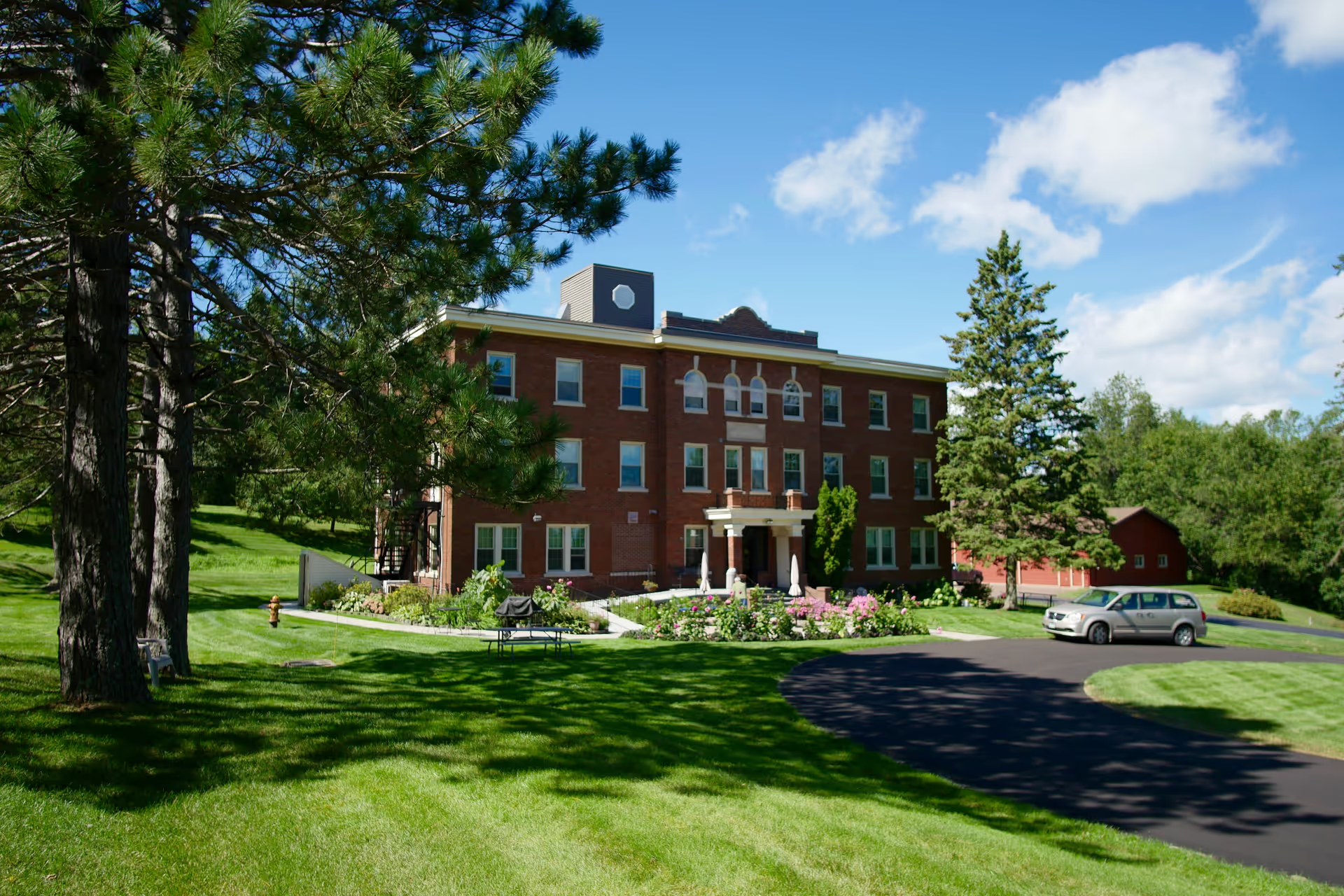
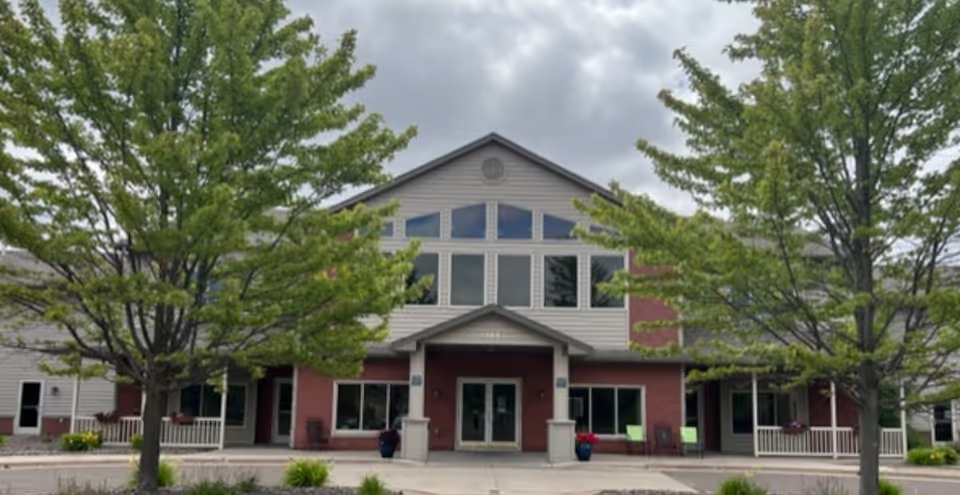
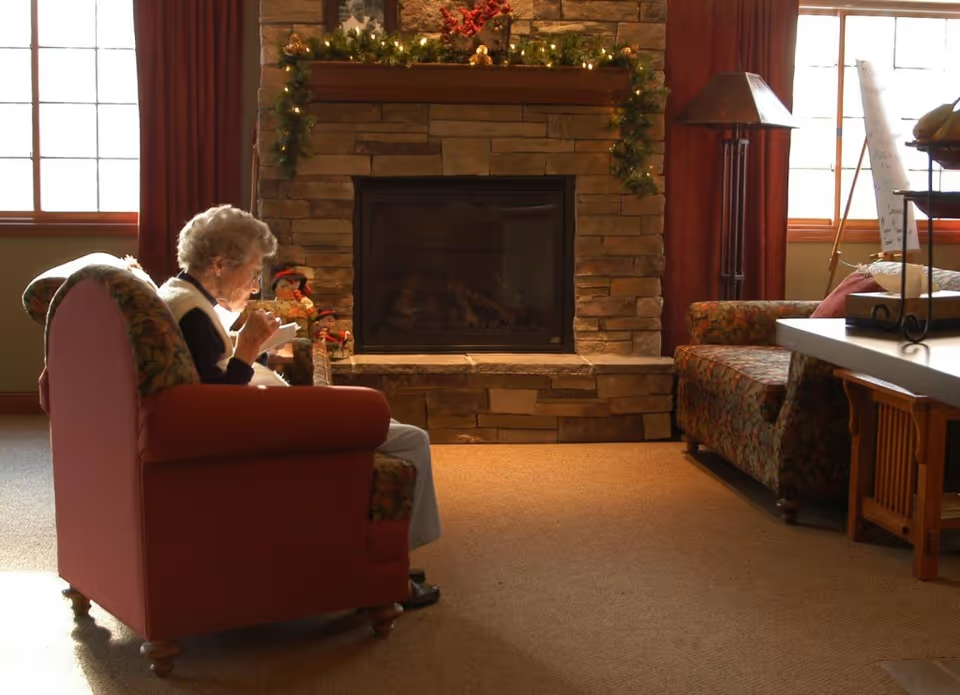
Facilities and environment: Physical spaces and rooms are generally regarded as spacious and well-maintained. At the same time, there are operational issues with room environment controls (temperature and ventilation) in some cases. Housekeeping and full-service support are noted as comprehensive in certain accounts, but sanitation and incontinence-care delays are also raised as concerns affecting resident comfort.
Management and notable patterns: Management presence and some administrative strengths are acknowledged; several comments reflect appreciation for specific staff members and supervisors. Nonetheless, there is a recurring perception of decline in culture and service consistency over time, with chronic understaffing cited as a driver of many operational problems. The overall pattern is one of a facility with clear strengths in therapy and compassionate individuals on staff, but with systemic staffing, communication, and consistency issues that affect everyday care and dining experiences.
What to watch for: Prospective residents and families may find the facility appealing for rehabilitation services and for staff who are personable and engaged. When evaluating placement, consider asking about current staffing levels, call-response protocols, medication-administration procedures, meal rotation and variety, mobility/activities programming, and room environmental controls. These operational areas align with the main concerns reflected in feedback and are likely to influence the day-to-day resident experience.