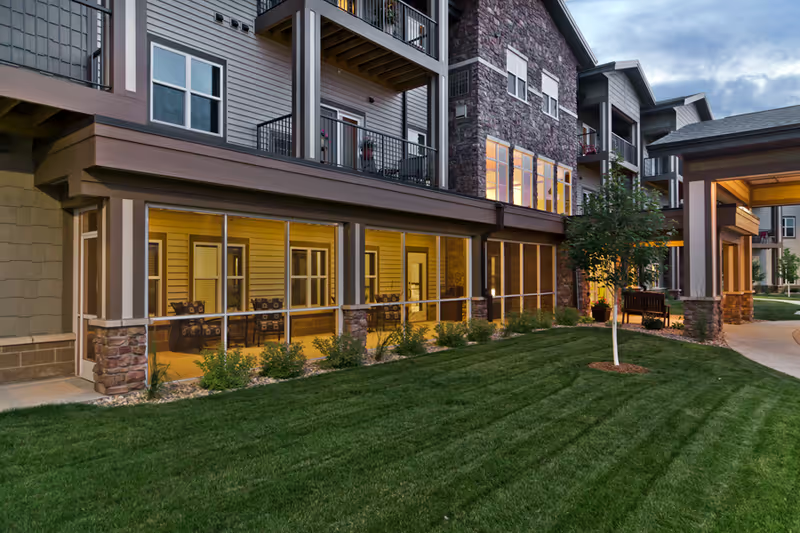
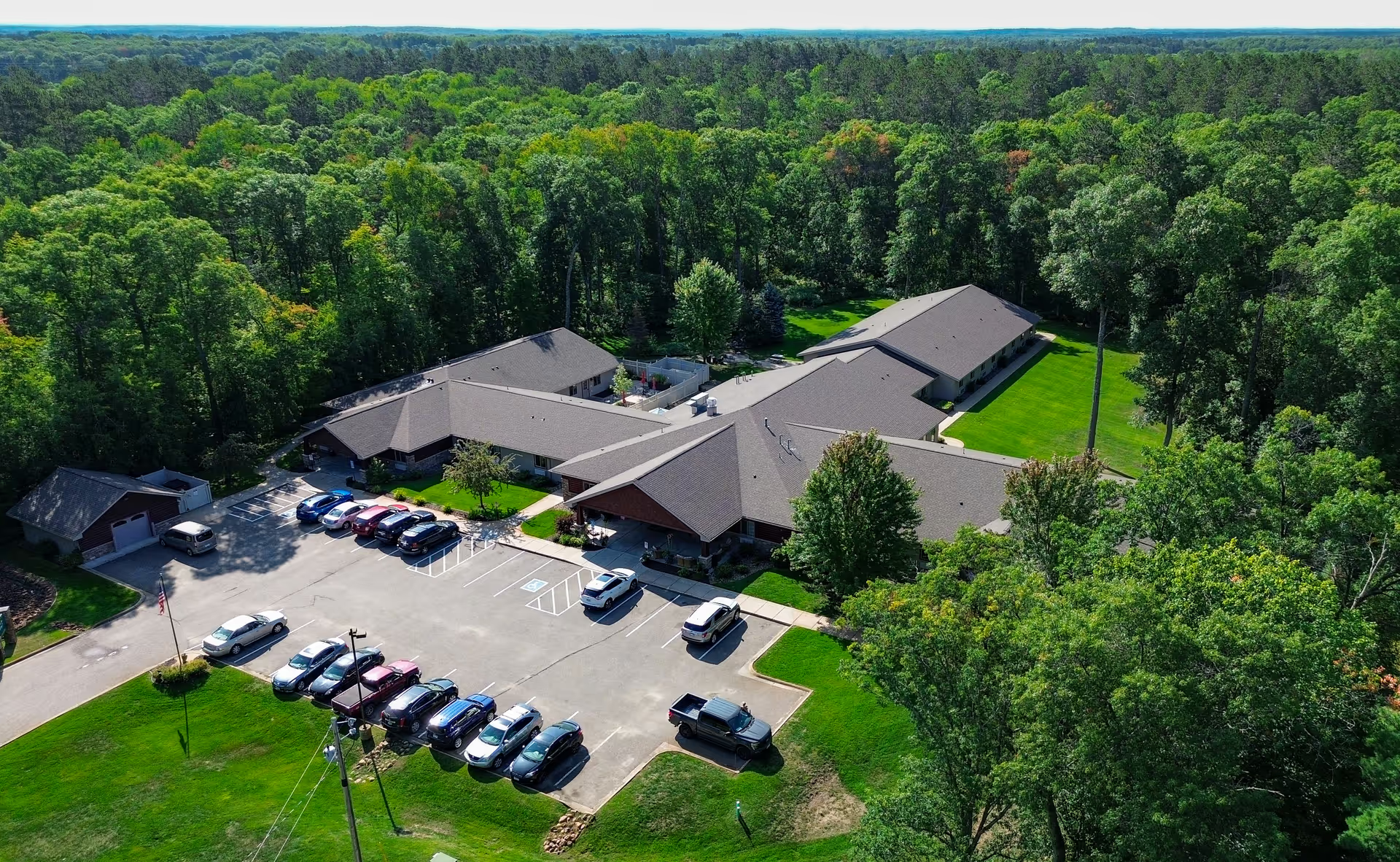
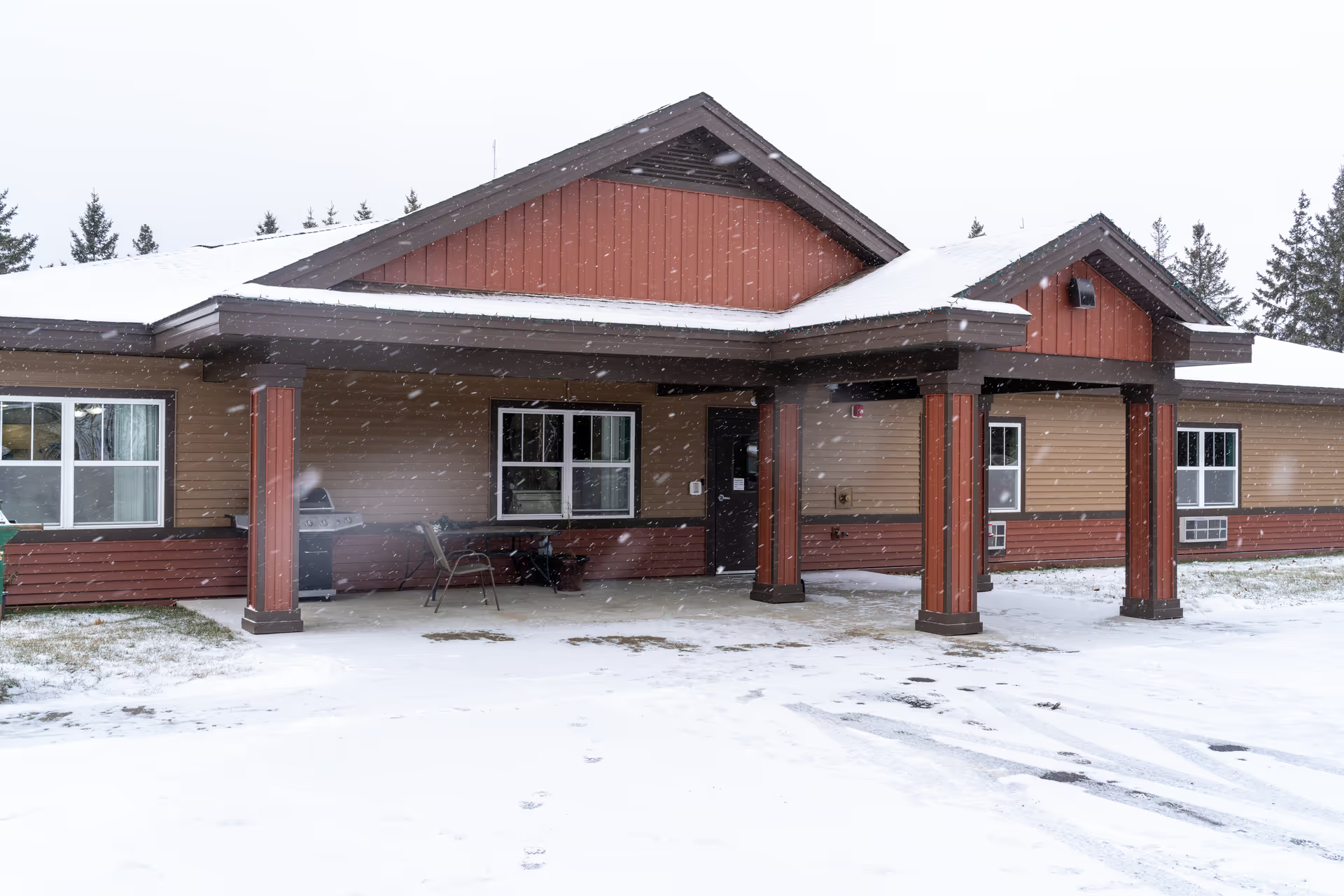
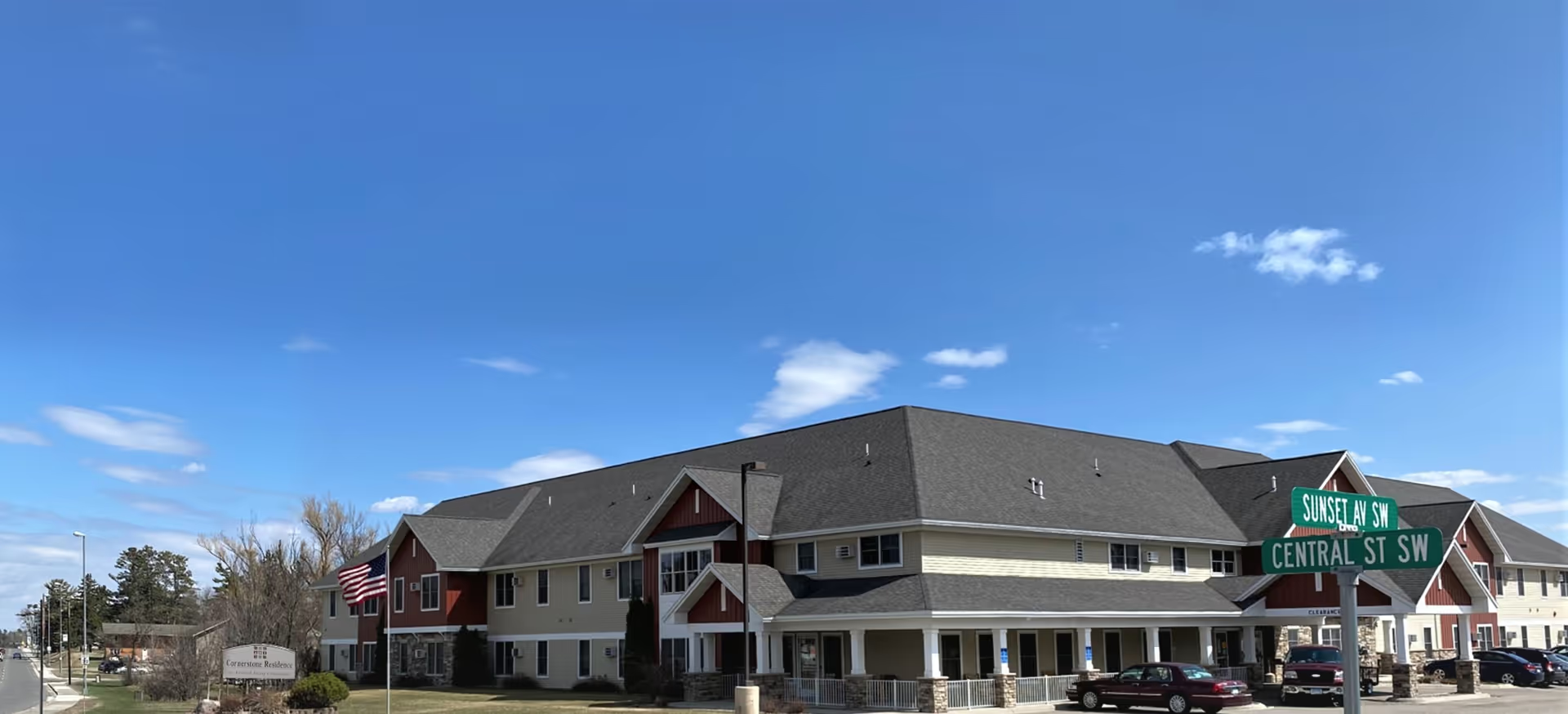
Edgewood May Creek is frequently described as an attractive, well‑kept community with a scenic lakeside campus, walking paths, and a separate Memory Care cottage. Families commonly praise the campus aesthetics, clean common areas, and an organized admissions packet that includes floor plans and pricing. The community offers multiple levels of care (independent living, assisted living, memory care), a small-community feel, regular three-meal dining, and a program of social and recreational activities including outings and games. Several reviews highlight helpful transportation, cooperative front-line staff, and periods when nursing and caregiving staff are perceived as responsive and attentive.
Care quality and staff performance produce mixed impressions. Many families report positive, hands-on interactions — assistance with activities of daily living, engagement in activities, and friendly nurses or recruitment personnel. However, other accounts indicate lapses in key clinical processes, notably medication administration and follow-up, as well as concerns about staff conduct and responsiveness. There are also mentions of personal-property incidents and at least some serious complaints that have led to external reporting; prospective families should treat these as indicators to investigate further rather than definitive patterns without verification.
Dining and activities are generally viewed as strengths. The facility’s dining areas are described as pleasant and well set up, with three meals served daily and cooperative dining staff. Recreational programming appears active and resident-oriented — games, outings, and social activities are noted as regular offerings that contribute to resident engagement.
The physical plant and accommodations are attractive but variable. The campus and outdoor spaces receive consistent praise; some units and rooms are described as spacious and comfortable, while others are characterized as small with limited storage. Housekeeping appears adequate in some areas but there are comments indicating light housekeeping or irregular housekeeping service may not be consistently provided to all residents.
Management and communication present a mixed picture. The admissions packet and some admissions staff are seen as organized and helpful, but there are also reports of unprofessional admissions interactions and inconsistent administrative communication. Families describe gaps in timely notification and incident response in some cases; combined with the more serious complaints noted above, this points to the value of reviewing the facility’s incident-reporting practices and state inspection history during the evaluation process.
Practical recommendations for prospective residents and families: tour the specific unit where a resident would live (observe room size and storage), meet nursing and caregiving staff across shifts, observe a mealtime and an activity, request written policies on medication administration, personal-property safeguards, housekeeping scope/frequency, fall-prevention protocols, and incident notification procedures, and review recent state inspection and complaint records. Those steps will help clarify whether the facility’s strengths align with your expectations and whether the operational concerns raised in some reviews have documented resolution.