McDonald County Living Center provides a full continuum of services including on-site rehabilitation, long-term care, and a dedicated Alzheimer’s/dementia unit. The facility is noted for its convenient location, routine provision of three meals per day, and transportation to medical appointments. Several reviewers praised clinical communication—families receive calls about health or medication changes—and some families reported that their relatives are content in the program.
Staff quality is a consistent area of strength for many families. Multiple accounts describe staff as friendly, hardworking, compassionate, and respectful; staff members are often familiar with residents by name and engage in proactive outreach to families. At the same time, there is variability in staff conduct and responsiveness: some reviewers described unfriendly interactions or delays in attending to resident needs. This variability appears related in part to staffing levels, which reviewers identified as insufficient at times.
Care operations show both positive and concerning patterns. The facility’s rehab services and clinical coordination receive favorable mentions, and medication-change communication is highlighted as a positive practice. However, operational weaknesses include inconsistent housekeeping and sanitation practices in some resident rooms and bathrooms, and reports that personal-care tasks (for example, scheduled showers) are not always completed reliably. These patterns suggest gaps in day-to-day staffing or task-assignment procedures that affect routine personal care and room cleanliness.
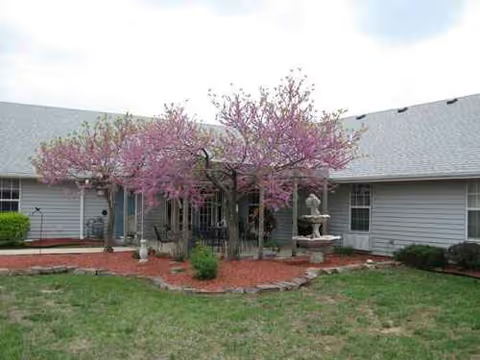
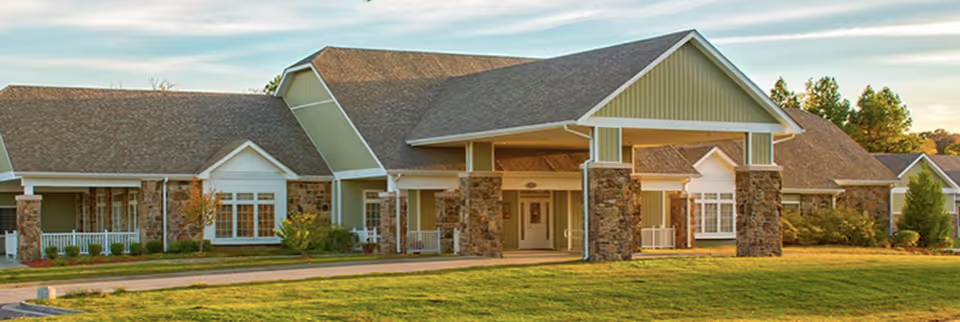
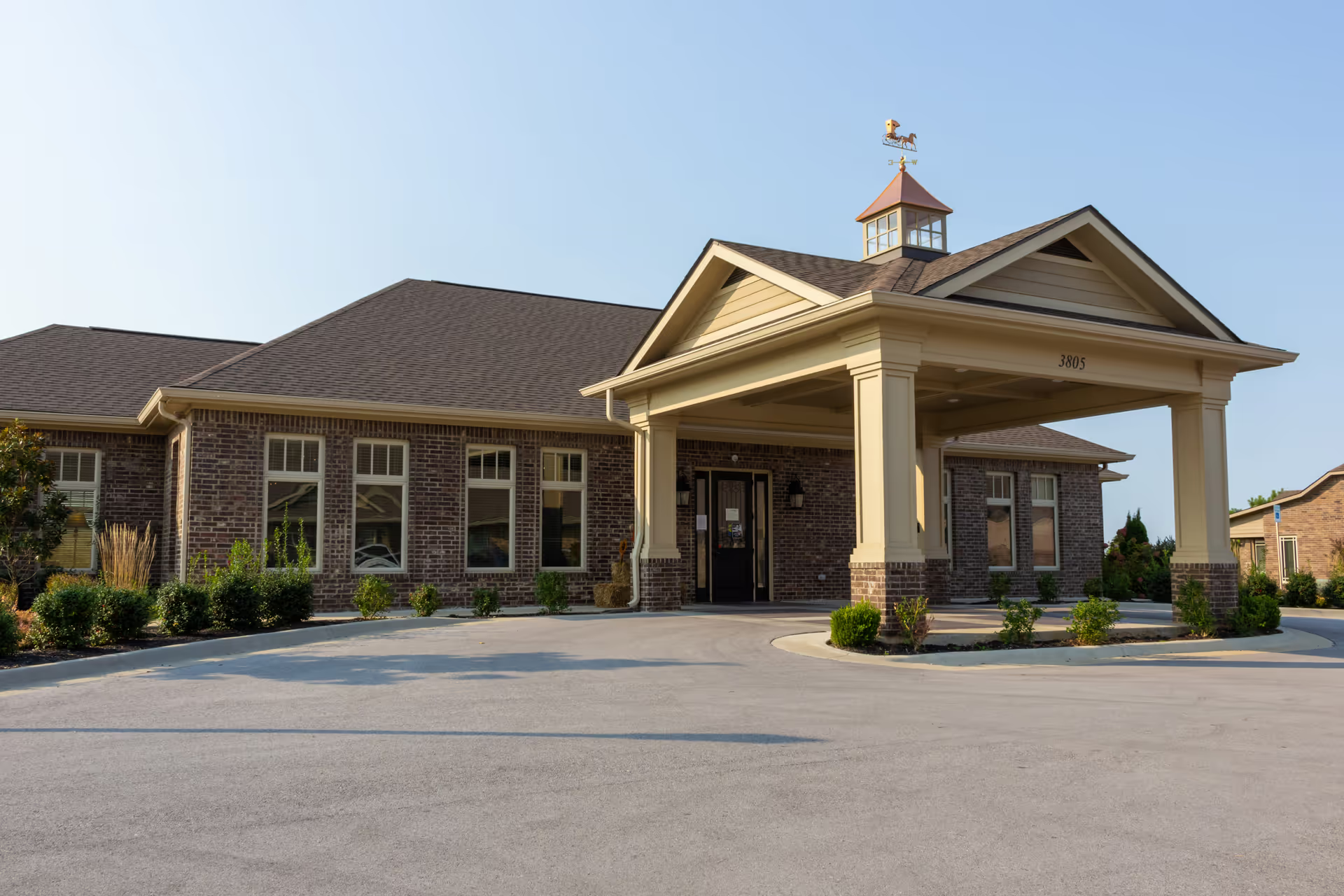
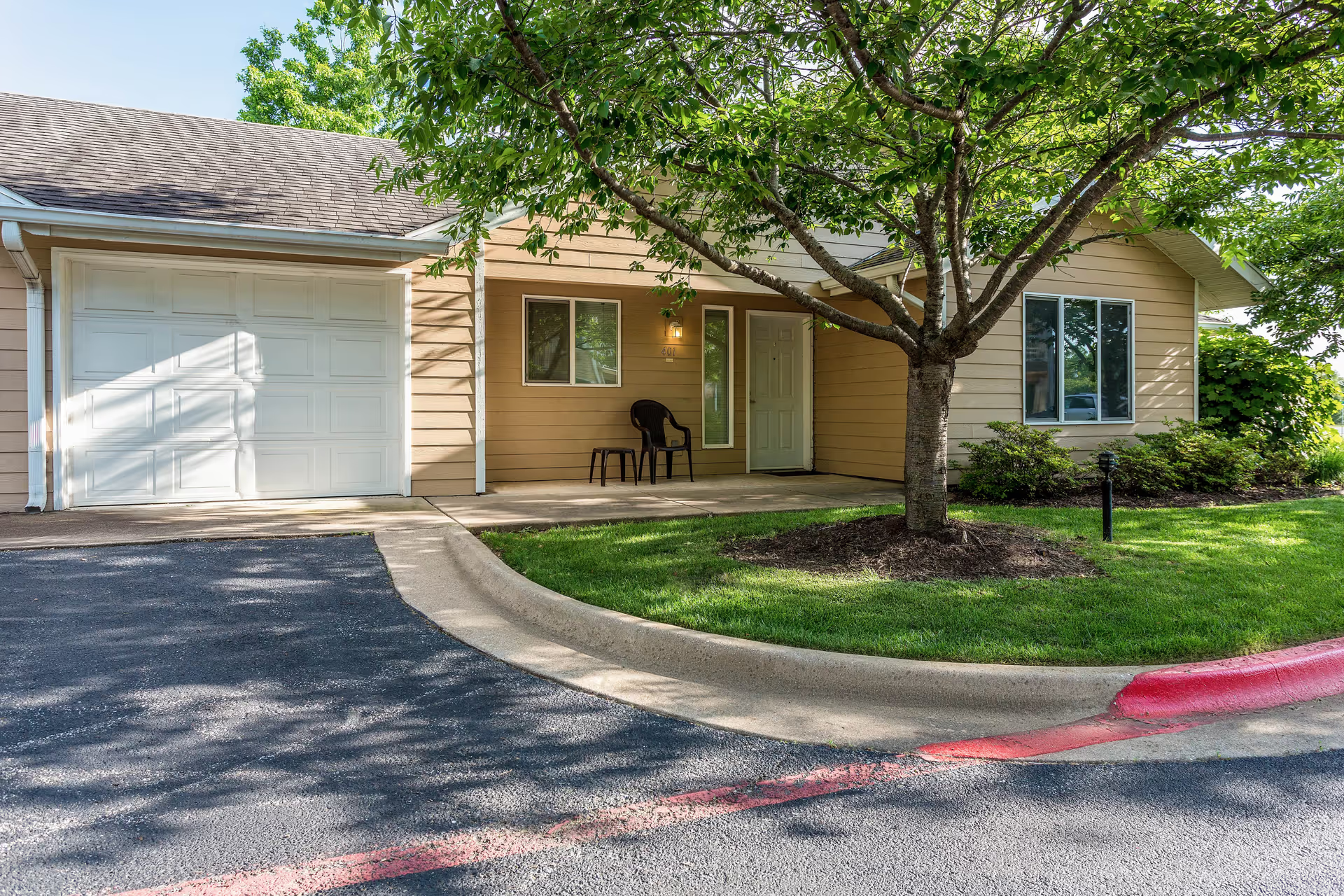
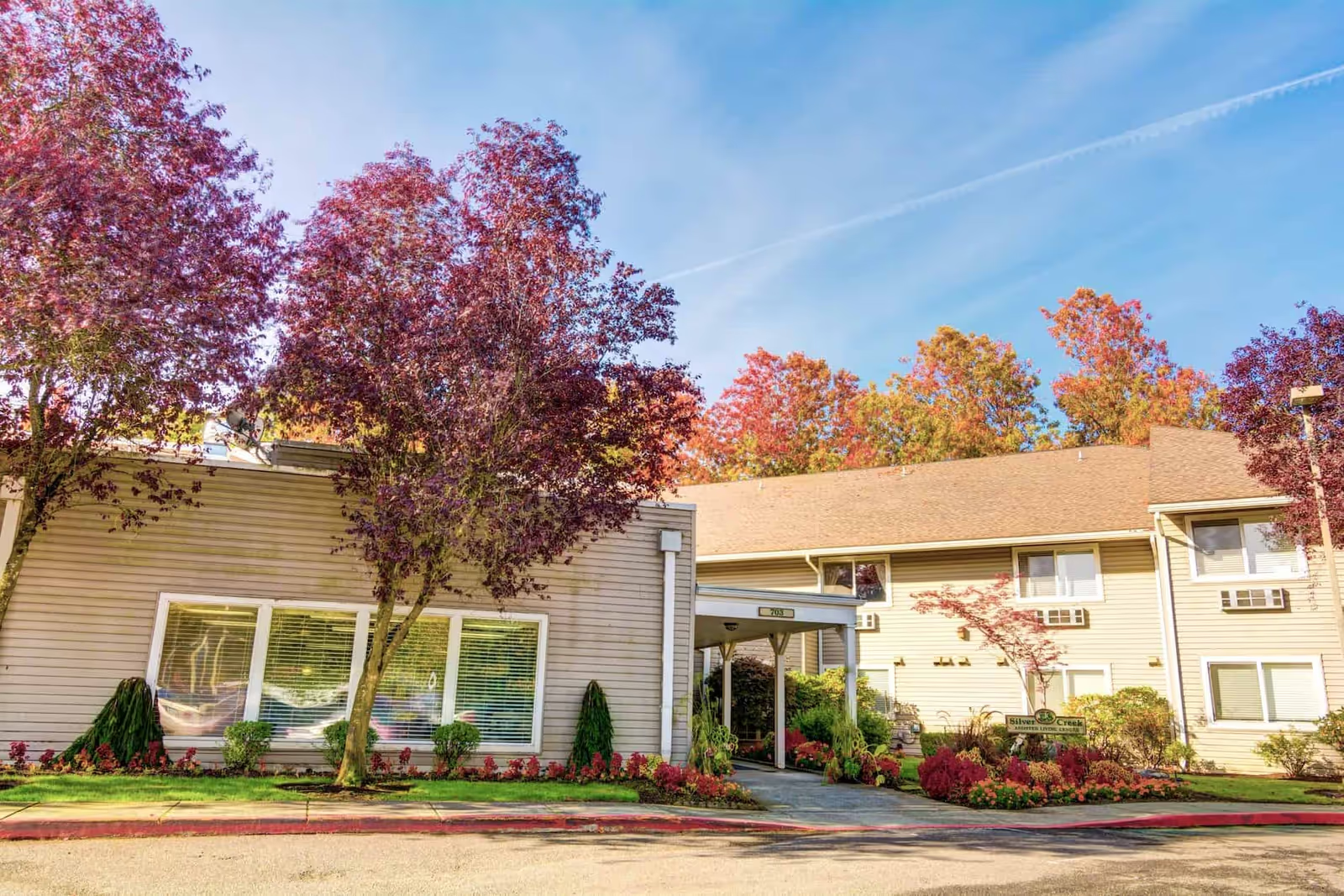
The physical environment elicits mixed impressions. Some areas and common spaces are described as clean and pleasant, while other units or rooms are characterized as dark, dated, and in need of painting, brighter lighting, and general maintenance. This variation appears unit-specific rather than uniformly facility-wide; prospective visitors should assess the particular unit they would use.
Dining and activities: reviewers generally note the availability of three meals a day and acceptable food quality. The facility enforces an exercise program that some families view as strict; for residents who can participate, structured activities and rehab appear available. Visitation was restricted during the COVID-19 period, which affected in-person contact for some families; this is described in the context of infection-control measures rather than as an ongoing policy critique.
In summary, McDonald County Living Center offers key clinical services and has many staff who are praised for compassion and communication. Important patterns to consider are inconsistent housekeeping and personal-care scheduling, occasional short staffing, and unit-to-unit variability in decor and maintenance. Prospective residents and families should tour the specific unit, ask about current staffing ratios and housekeeping protocols, review recent maintenance or renovation activity, and clarify dementia-care programming and visitation policies before deciding.