Overall impression: Reviewers present a mixed but instructive picture. Positive feedback centers on interpersonal care, basic services, and cleanliness; recurring concerns focus on physical plant condition, amenity limitations, and certain operational policies. Prospective residents and families are likely to appreciate the staff- and community-oriented aspects but should confirm service details that vary by unit or policy.
Care and staff: The staff receive consistently favorable comments for being friendly, attentive, and personable; many reviewers note staff members learn residents' names and respond promptly to needs. Housekeeping and laundry assistance are commonly available and the facility is generally described as clean and well-kept. At the same time, multiple reviewers expressed concerns about staff conduct or communication tone in some interactions; families should clarify complaint and supervision processes during a tour. There is limited indication of on-site clinical or nursing services, so residents with higher medical needs should verify availability of clinical oversight or external medical support.
Dining: Meals are a core feature and are often described as home-style and included in rent. However, several operational issues recur: some residents praise the food while others find the dining environment or menu options unsatisfactory. Policies restricting in-room meal delivery or personal appliances were cited and have created friction for some families. Prospective guests should sample the dining experience, review menu rotation, and confirm policies on meal service flexibility and special-diet accommodation.
Activities and social life: Social programming centers on low-impact, social and spiritual activities—bingo, Bible study, game nights, movie nights, and occasional events—which many residents enjoy and which contribute to a communal atmosphere. Reviewers frequently note a lack of broader activity variety and limited physical-wellness offerings: there is little evidence of formal fitness facilities, pool access, pet parks, or a robust activity curriculum beyond games and religious gatherings. Those seeking a wide range of therapeutic or fitness programming should ask for the activity calendar and examples of weekly engagement.
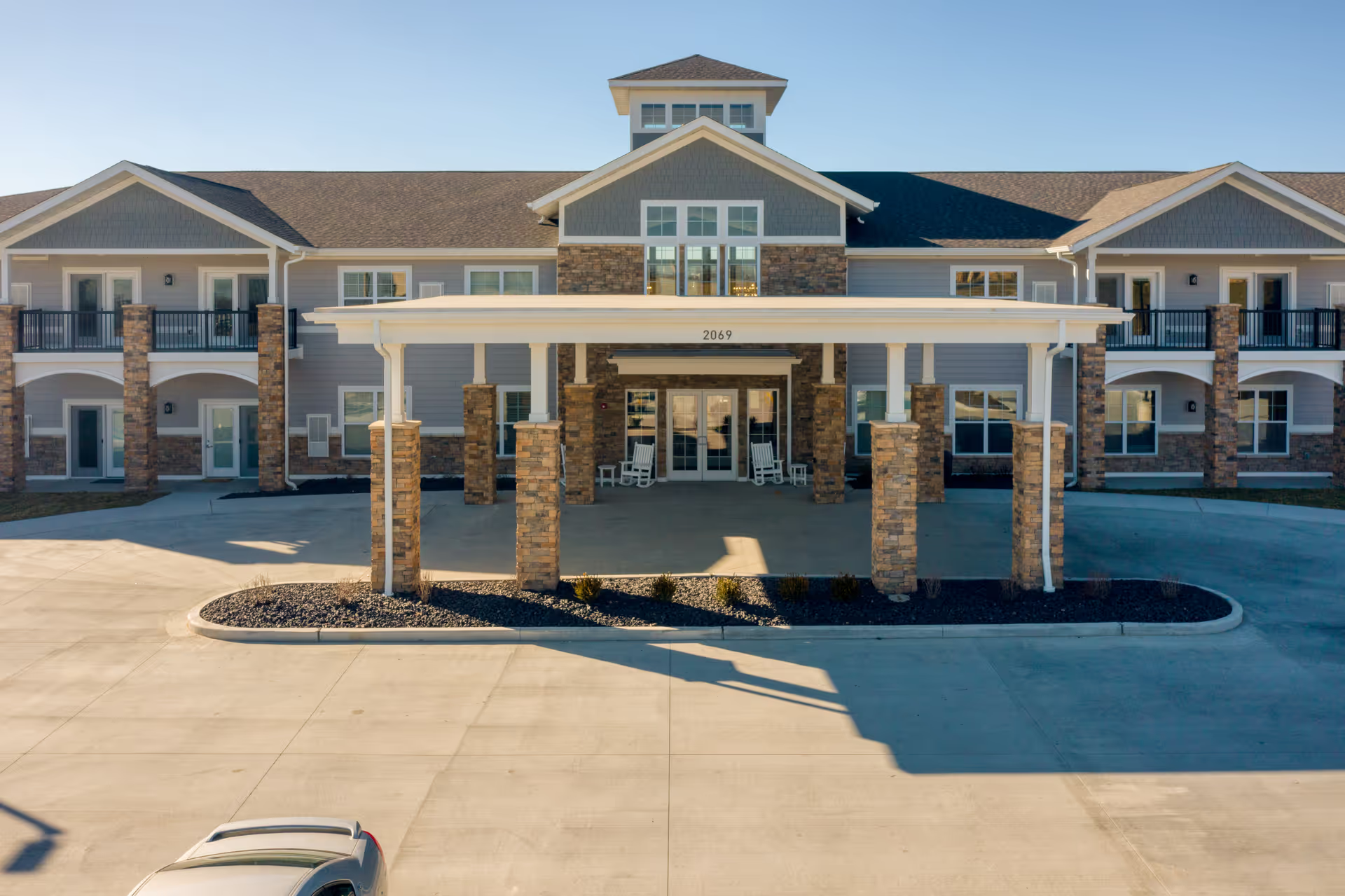
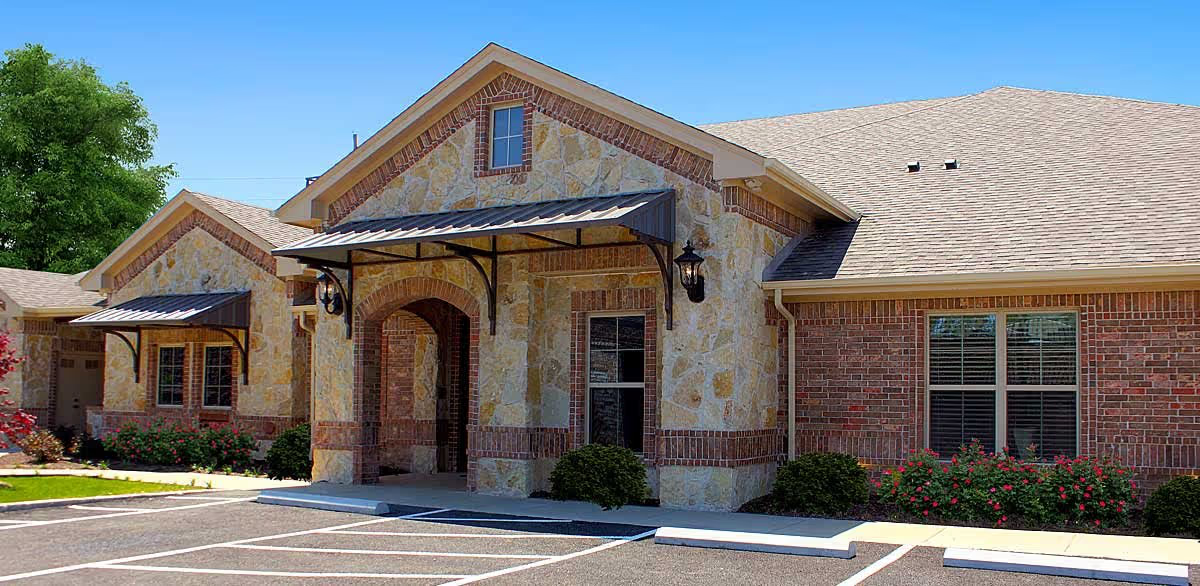
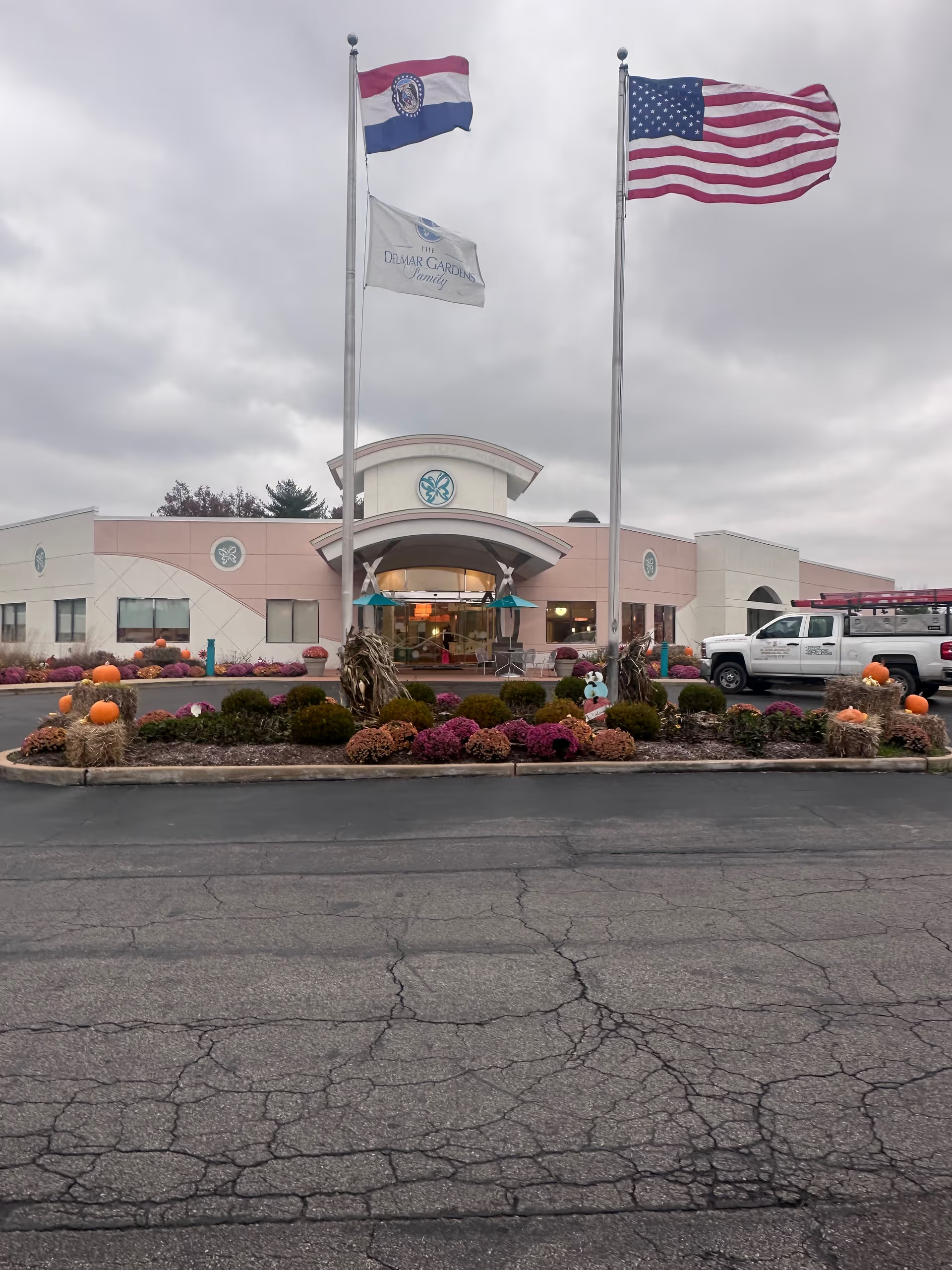
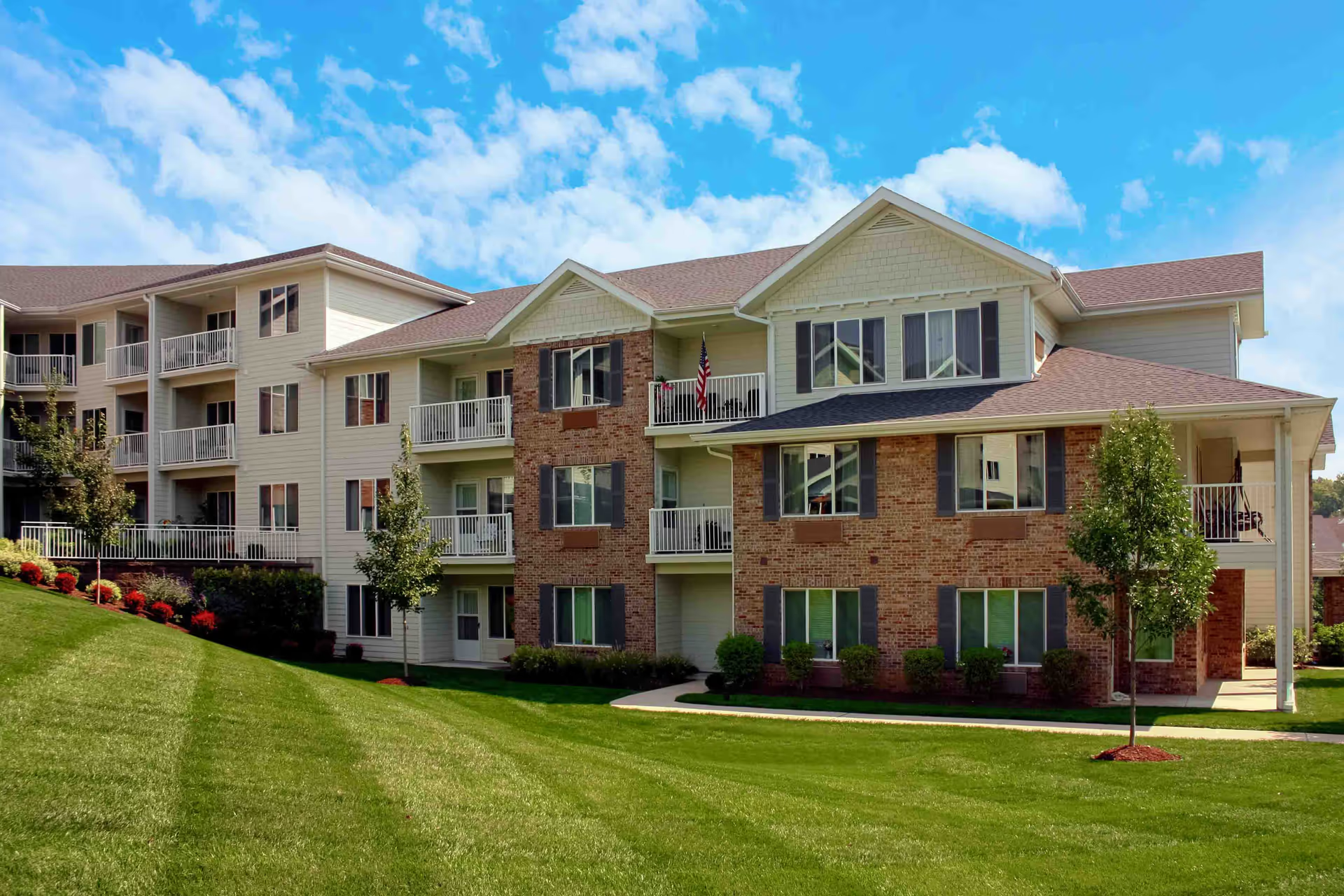
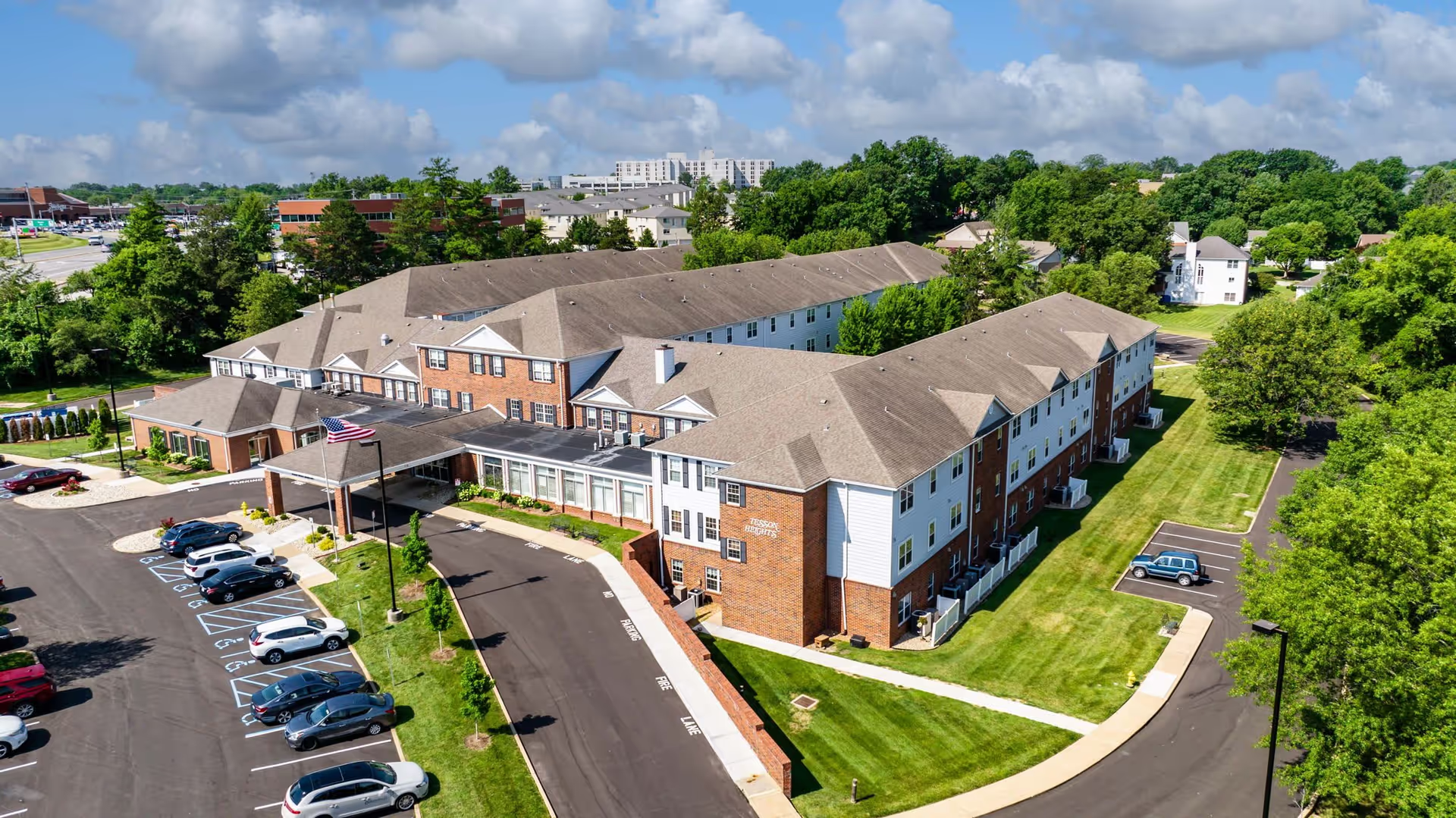
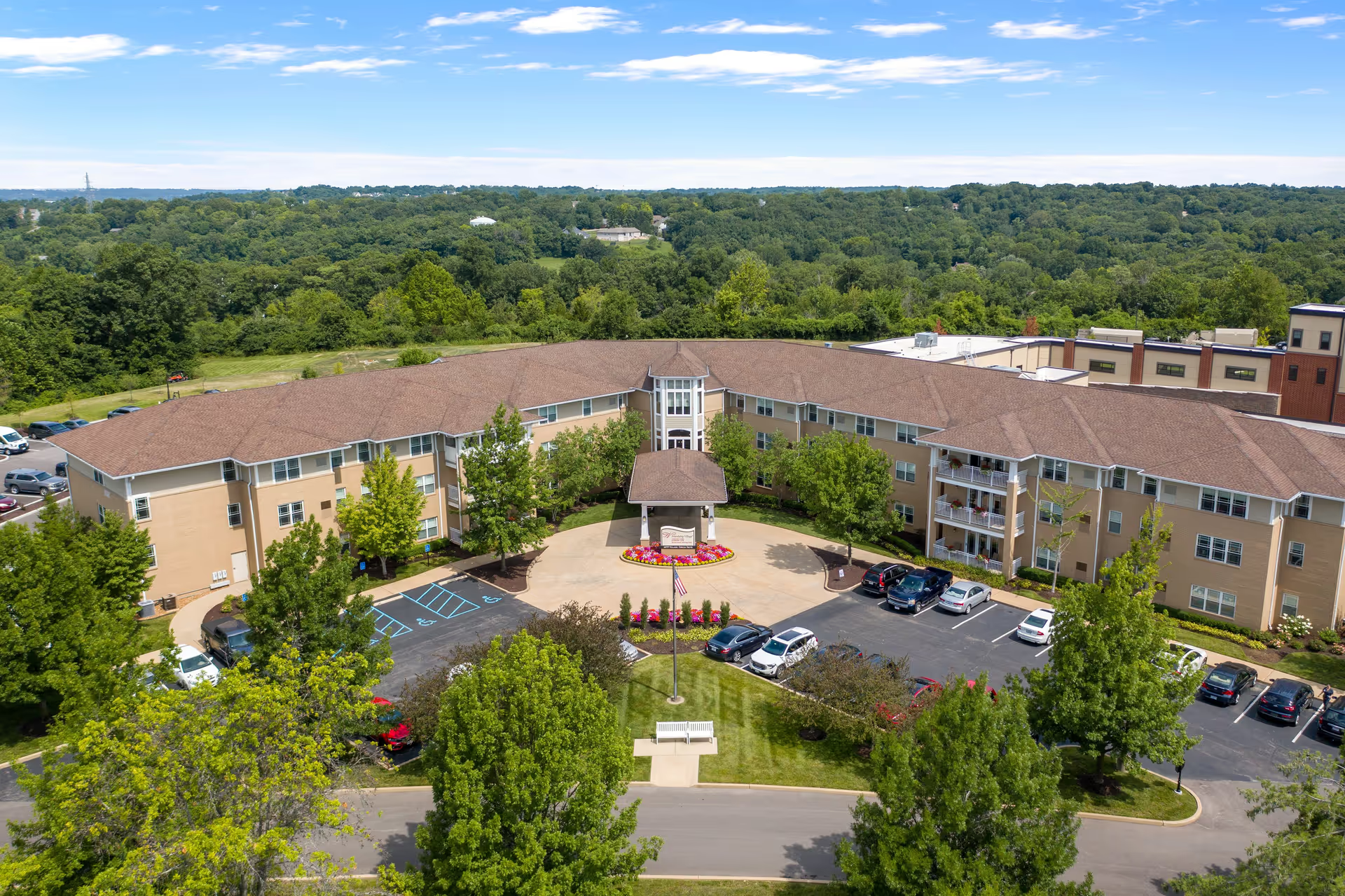
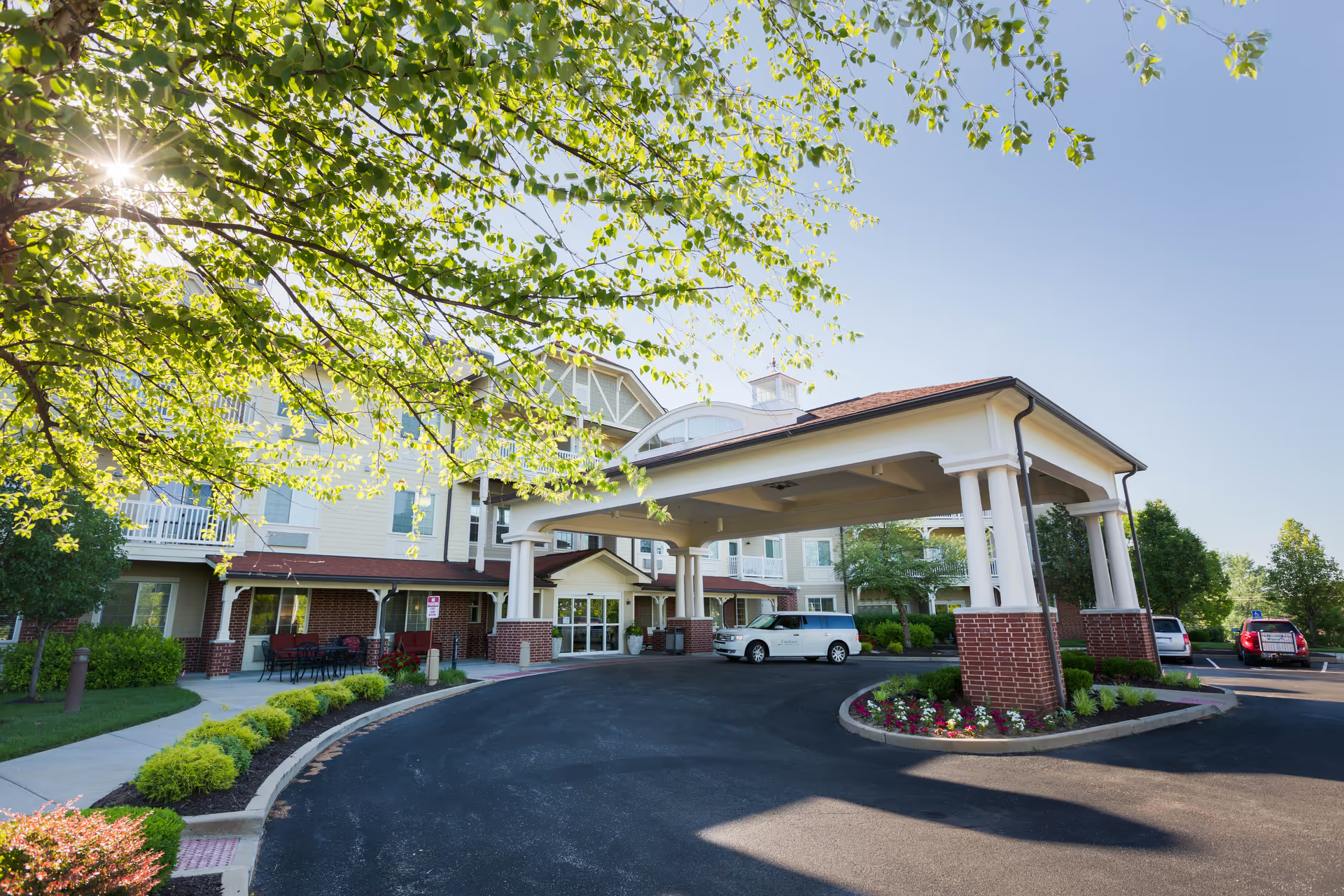
Facilities and amenities: The building is commonly described as a converted hotel or apartment-style complex with a range of unit types (efficiencies to two-bedroom units with kitchenettes). Cleanliness and routine maintenance are strengths, but the physical plant shows signs of aging in places—carpeting, lighting, and dated décor were cited. Many reviewers described units as small; several found value in the included services, while others questioned the price relative to unit size and available amenities. Security features such as locked entry are seen as positive; location near transit, shopping, and medical facilities is also a consistent advantage.
Management and notable patterns: Two clear patterns emerge: strong, person-centered staff interactions and reliable basic services (meals, housekeeping, security), contrasted with facility limitations (small units, dated finishes) and operational policies that some families find restrictive (dining access, in-room meals). Views on cost are mixed—some call the facility affordable for their budget tier, others consider it expensive for the space and amenities. Before committing, visitors should tour multiple unit types, observe mealtimes, request the activity schedule, confirm medical support options, and review written policies on dining and resident conduct to ensure alignment with the prospective resident’s priorities.