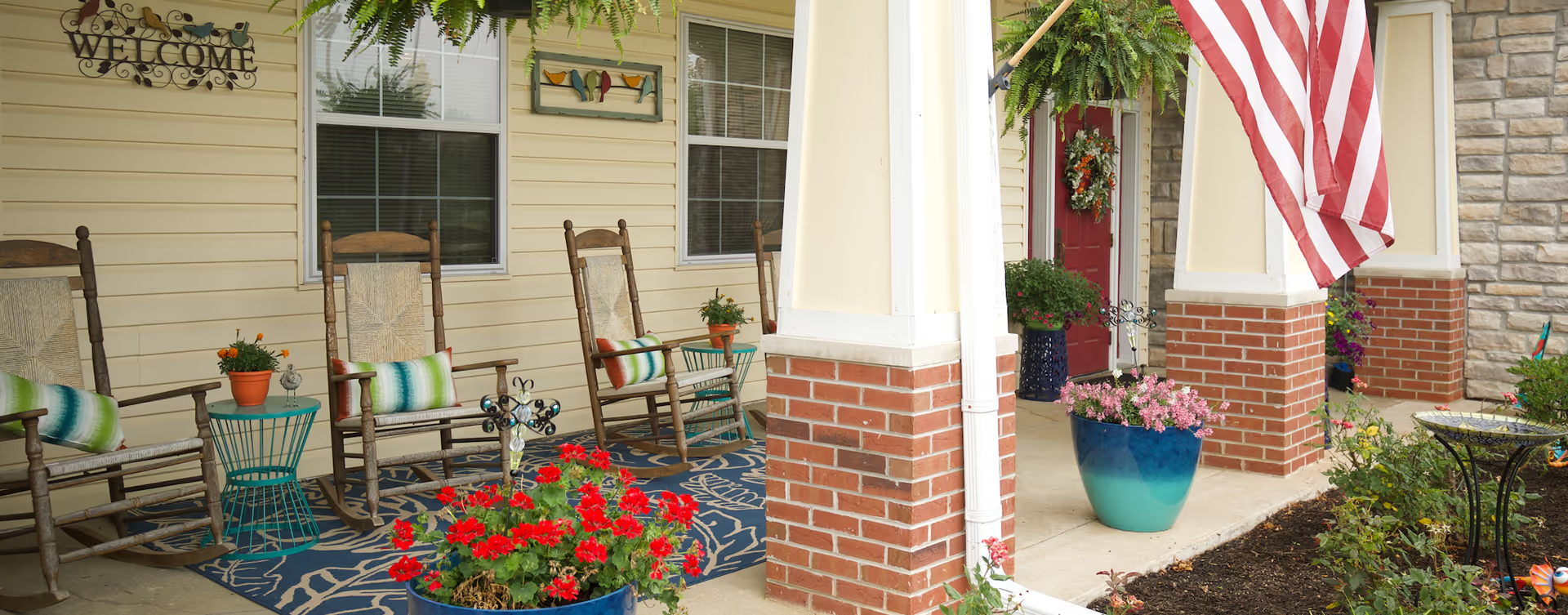
Reviews of Bowling Green Residential Care present a mixed but coherent picture: many families and visitors praise the staff, community atmosphere, and facility upkeep, while other accounts identify operational weaknesses in staffing, communication, and room configuration. Overall, the facility appears to offer a calm, home-like environment with staff who are frequently described as welcoming, empathetic, and respectful. Several comments emphasize resident dignity, a close-knit social environment, and residents who appear content under supervised independence.
Care and staff: Staff conduct is consistently praised for empathy and respectful interactions; multiple accounts highlight attentive, caring behavior and a positive rapport between staff and residents. At the same time, reviewers cite intermittent staffing shortfalls that can affect service delivery. These staffing inconsistencies suggest periods when care tasks and oversight may be stretched thin, which could influence responsiveness and daily routines.
Dining: Dining impressions are mixed. Some families describe enjoyable meals and good food, while others note bland preparation and a lack of on-site culinary staffing. This pattern points to variability in meal quality and questions about kitchen staffing or meal-service continuity rather than a uniform dining experience.
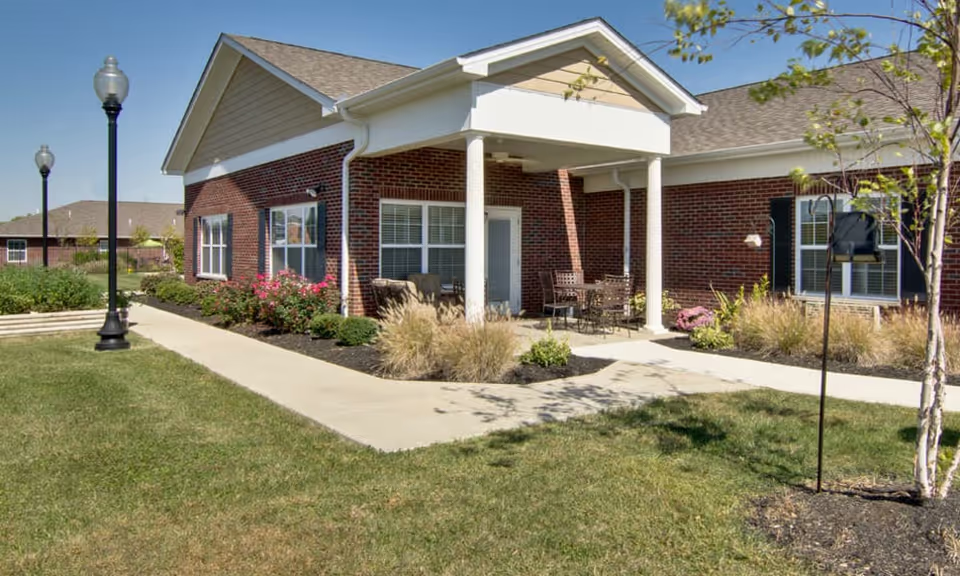
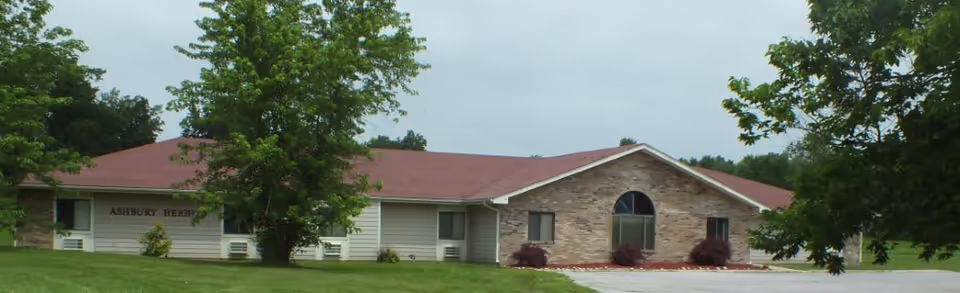
Facilities and housekeeping: The facility is often described as well-kept and clean, contributing to the home-like character many families value. However, there are indications of gaps in scheduled housekeeping—examples include missed routine cleanings—which creates inconsistency between overall cleanliness and housekeeping reliability. Multiple comments also raise concerns about small room sizes and practices that reassign residents into reduced living space, suggesting that room configuration and occupancy management are notable operational issues.
Communication and management: A recurrent theme is uneven family communication and clinical notification processes. Specific concerns include inadequate updates to families and gaps in hospital-to-family notification workflows. These point to management-level process weaknesses around care coordination and family engagement rather than one-off interpersonal issues.
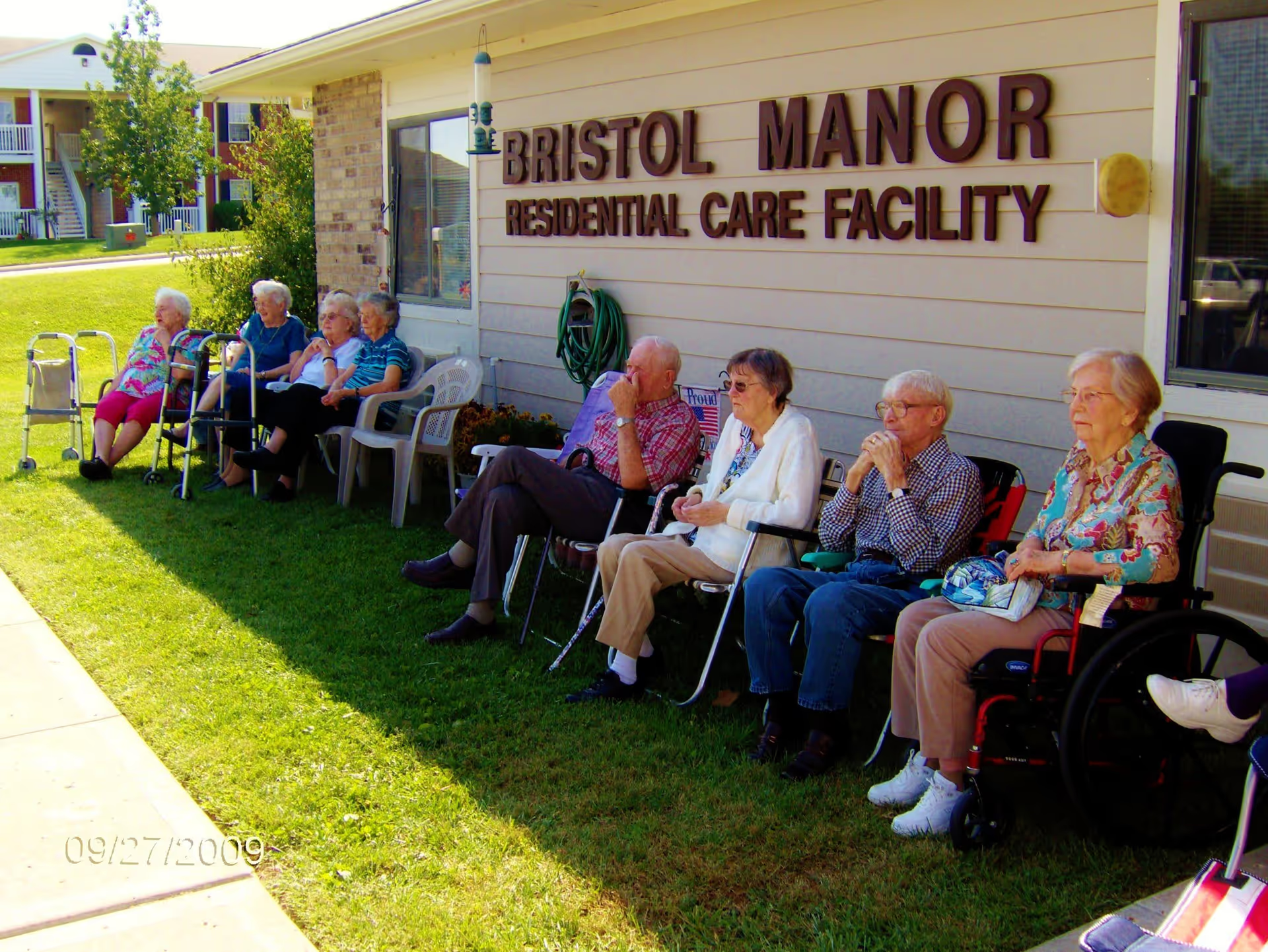
Activities and social environment: While reviews do not detail a robust activities program, the facility is described as peaceful and community-oriented, with residents appearing happy and socially engaged. The emphasis on dignity and respectful interactions implies a supportive social atmosphere, which can be important for quality of life even if structured programming details are sparse.
Notable patterns and implications: Prospective residents and families should weigh the facility’s strong interpersonal culture and generally well-maintained environment against operational concerns that could affect day-to-day care consistency—namely intermittent staffing, variable housekeeping schedules, small room allocations, and uneven family communication. The presence of an infection-control visitor policy (masking for unvaccinated visitors) indicates attention to public-health measures. For decision-making, consider arranging a tour that focuses on current staffing levels, a review of housekeeping and dining schedules, and clarification of communication protocols for clinical events and hospital transfers.