Overall impression: Reviews convey a predominantly positive view of Pine Lodge Residential Care, with recurrent praise for the quality of daily care and the personal attention residents receive. Many comments describe staff who build strong, family-like relationships with residents and families, creating a sense of security and reassurance about ongoing care. Care delivery is characterized in several accounts as attentive and compassionate, with staff described as going above and beyond routine duties.
Care and staff: Care quality is frequently highlighted as a facility strength. Reviewers note hands-on support, timely coordination when hospital transfers were required, and a management presence that families find reassuring. Ownership involvement is described positively, with owners and managers portrayed as accessible and engaged. At the same time, there are indications of variability in staff behavior: a minority of accounts raise concerns about interpersonal staff conduct and inconsistencies in professionalism. A few comments specifically note confidentiality and privacy issues; these concerns are operational in nature and relate to how staff conduct and information-sharing practices are managed.
Dining and activities: Dining emerges as a clear positive area. Multiple comments reference enjoyable, well-prepared meals. Activity programming is also a strength — staff and residents are described as participating in games and social programs, and reviewers emphasize that the facility offers engaging opportunities that help residents feel at home and socially connected.
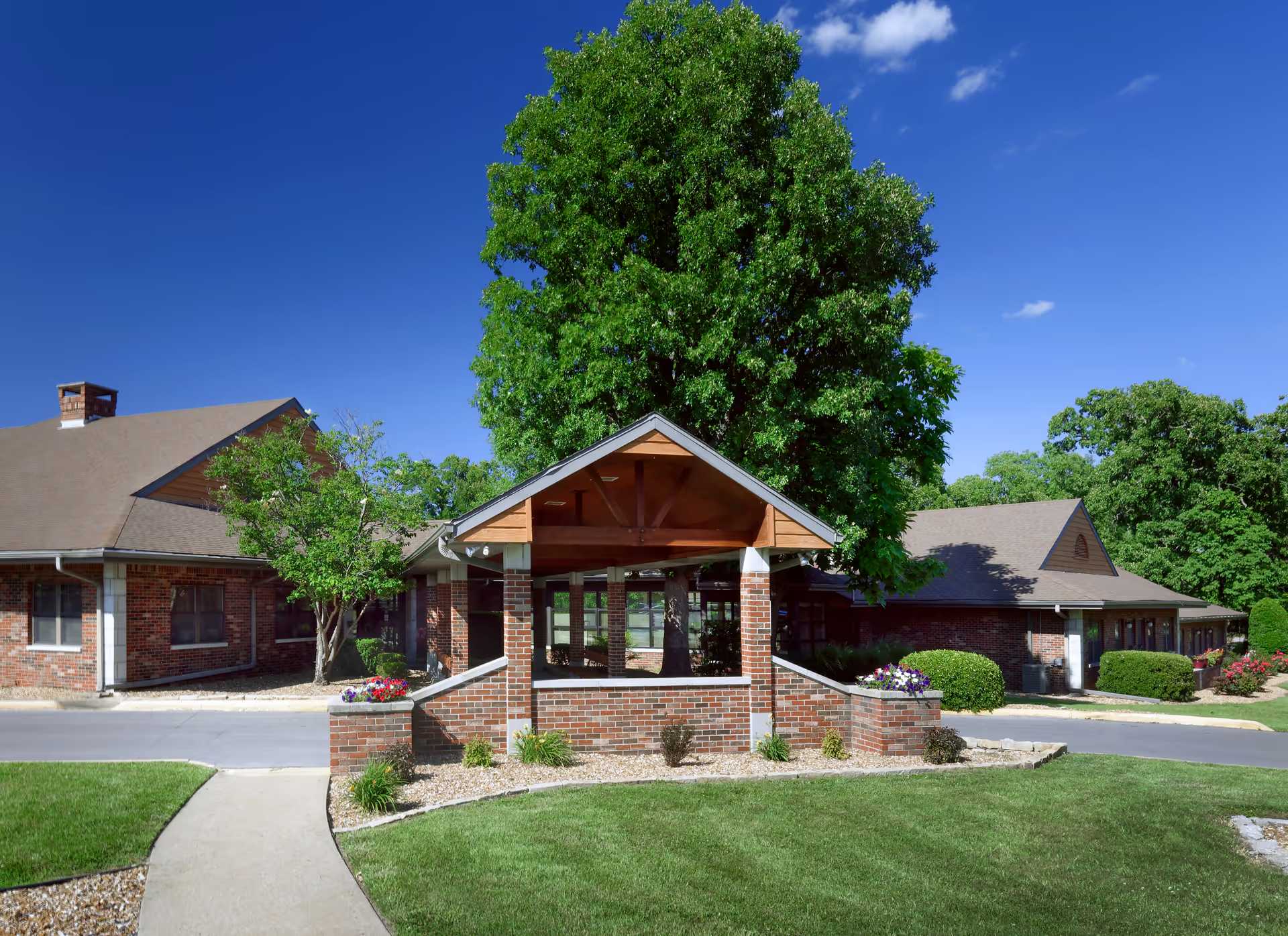
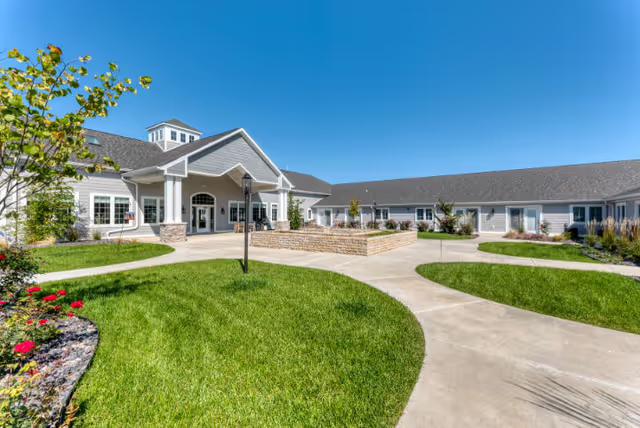
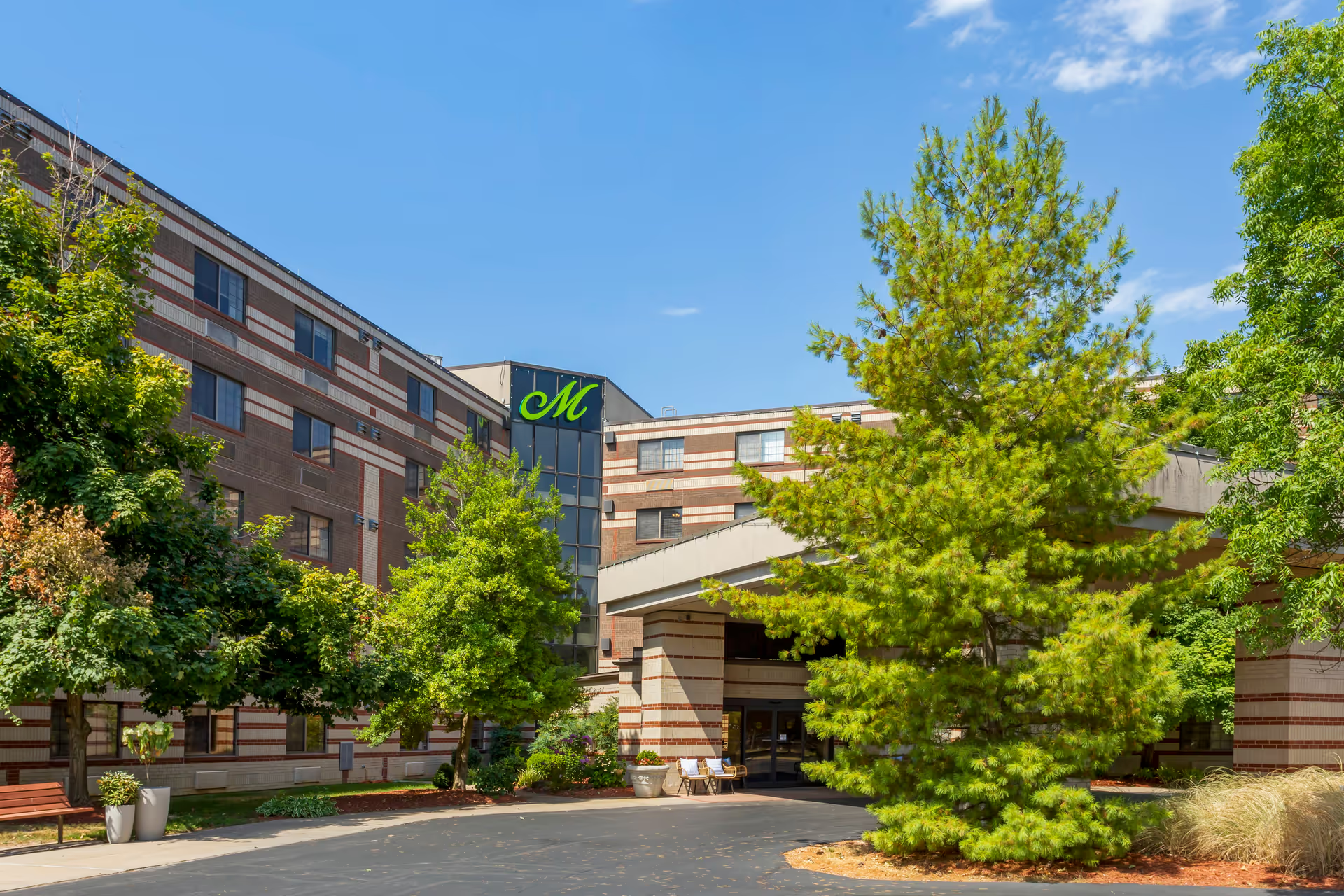
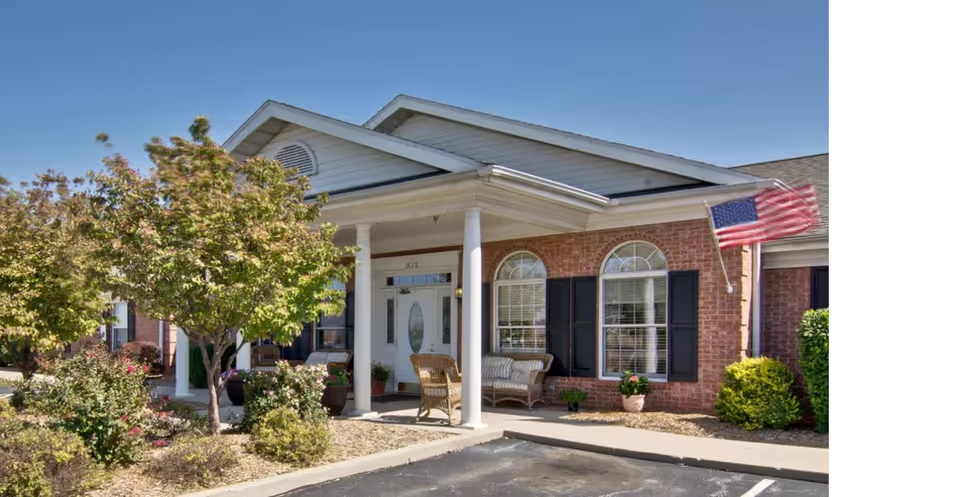
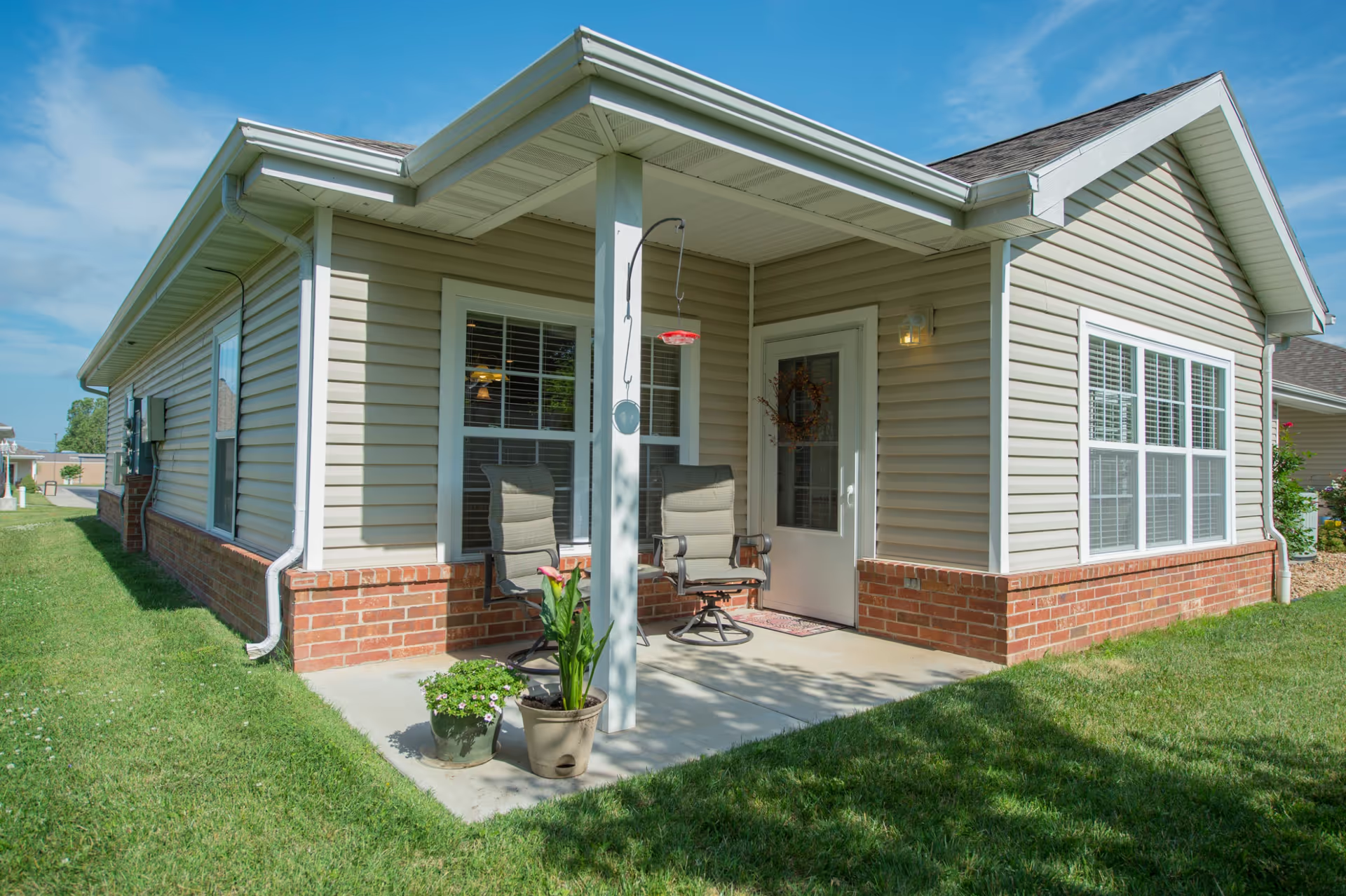
Facilities and cleanliness: The physical environment receives consistent praise. Descriptions include a beautiful, home-like atmosphere, neat common areas, and spotless resident rooms. Cleanliness and a well-maintained interior are repeated themes that contribute to the sense of comfort reviewers report.
Management and notable patterns: Management and owner involvement are generally viewed favorably; families describe clear communication and supportive behavior during care transitions. The notable pattern to weigh is the contrast between broadly positive accounts of care and facility environment and a smaller set of serious conduct-related concerns. Those concerns center on staff professionalism and confidentiality practices. Prospective residents and families may want to ask directly about staff training, confidentiality safeguards, incident reporting procedures, and how the facility addresses professionalism or communication lapses. Doing so can help corroborate the predominantly positive impressions while clarifying how the facility mitigates the operational risks mentioned in a few reviews.