California Care Center elicits a mixed profile: operational strengths are concentrated in housekeeping, dining, therapy and some aspects of clinical care, while recurring operational weaknesses center on medication controls, administrative transparency, and staff morale. Families and visitors frequently note attentive housekeeping, good meal preparation (with a praised cook), and effective short-term therapy and skilled-nursing interventions. These attributes suggest the facility can perform well for post-acute or short-term rehabilitation stays.
Care quality appears competent in structured clinical areas: therapy programs and skilled nursing services are described as effective and timely, and routine service tasks are handled efficiently. However, there is a significant concern about medication-management processes. One serious allegation involving medication handling raises questions about medication security and tracking; this indicates a need for clearer controls, auditing, and family-facing documentation around medication administration. In addition, reviewers described instances consistent with limited staffing, which can lead to slower response times and affect continuity of care.
Staff-level impressions are mixed. Many reviewers describe individual direct-care staff as friendly and helpful, and front-line service interactions are often efficient. Conversely, there are consistent comments about unprofessional communication patterns among some nursing staff and indications of strained supervisory relations that affect morale. These dynamics can influence day-to-day resident experience and staff retention; families should consider asking about turnover rates and staff-training practices during a tour.
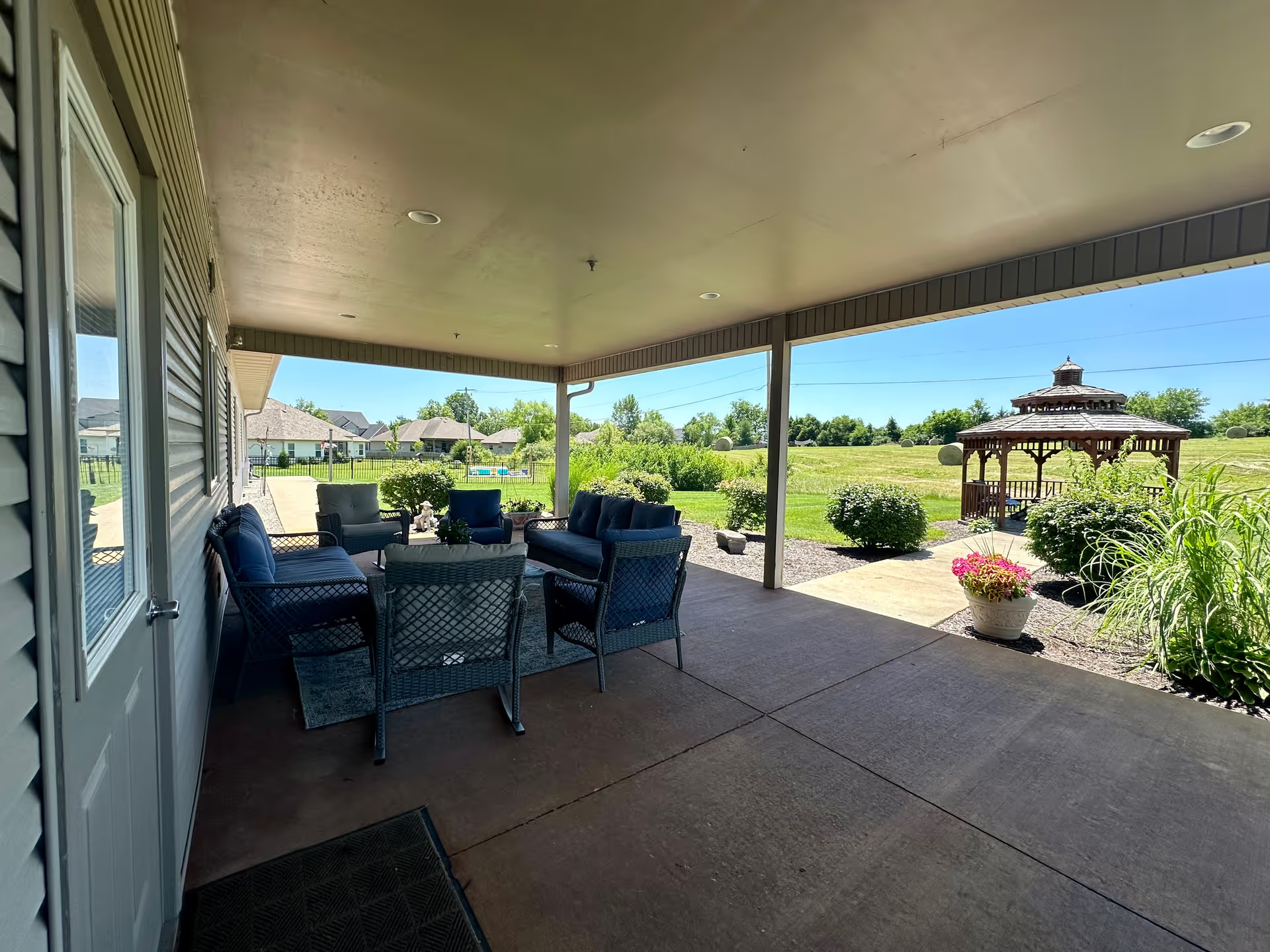
Dining, activities, and facilities are generally cited positively: housekeeping is reliable, meals are well regarded, and therapy services are a strength. At the facility-management level, reviewers raise concerns about transparency—specifically around release of medical information and billing/account reconciliation. Reports of billing/overpayment issues and resistance to sharing records suggest gaps in administrative processes and family communication protocols.
Taken together, the pattern suggests the center functions well for short-term, rehabilitation-focused stays with reliable environmental services and strong therapy offerings. Prospective residents and families should evaluate the facility’s medication-administration safeguards, request clear documentation of billing practices, and discuss management approaches to staff supervision and communication before committing to long-term placement.