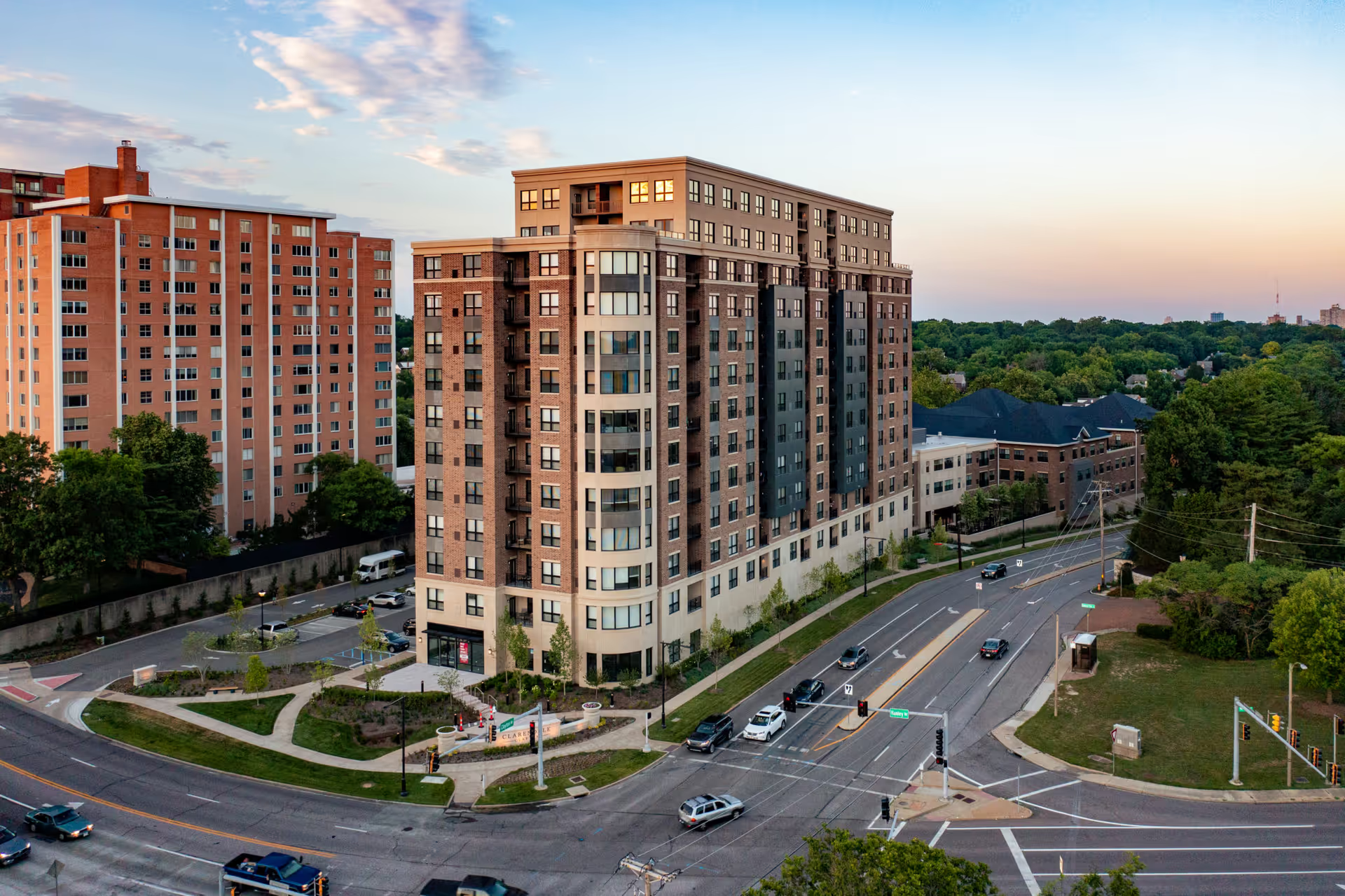
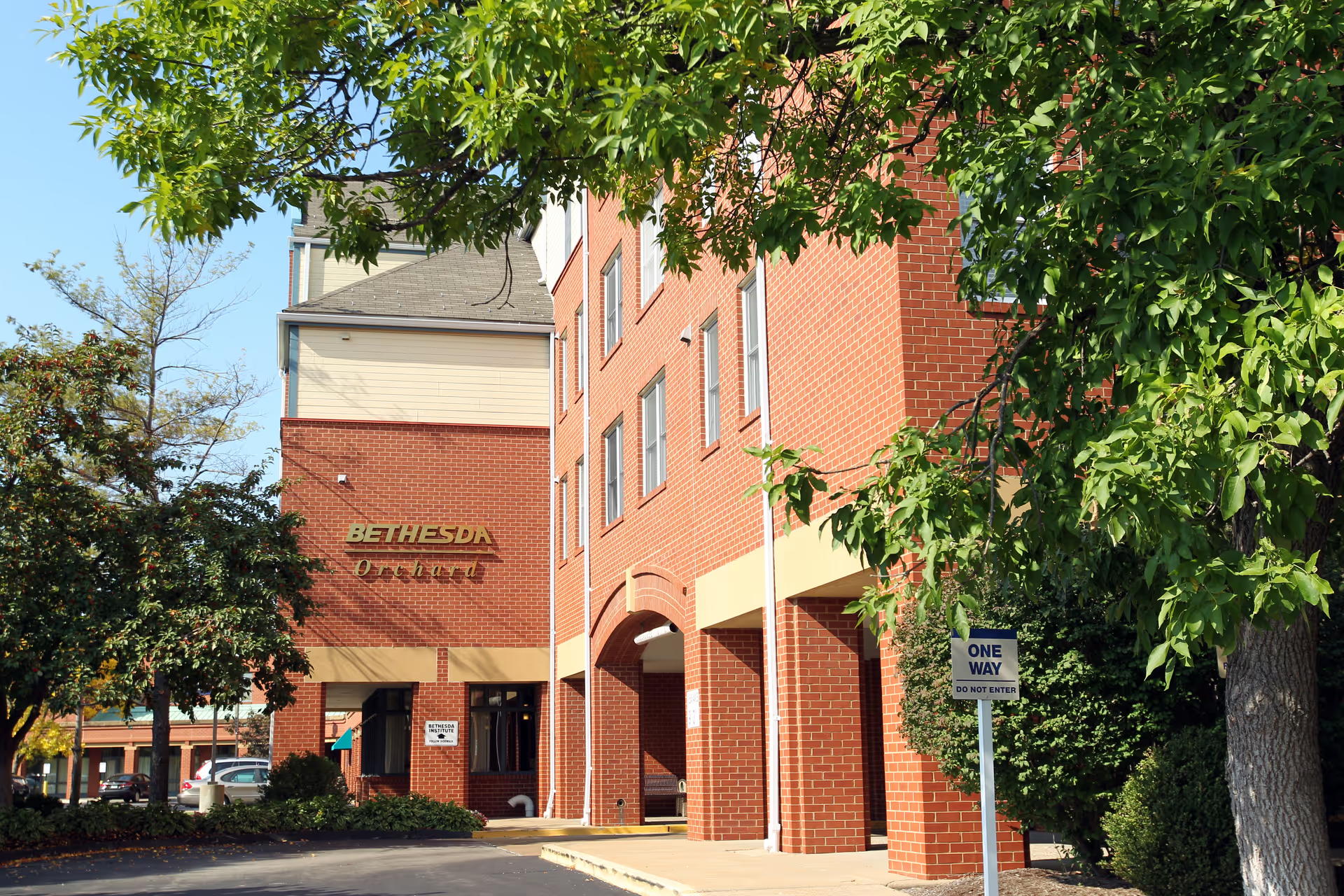
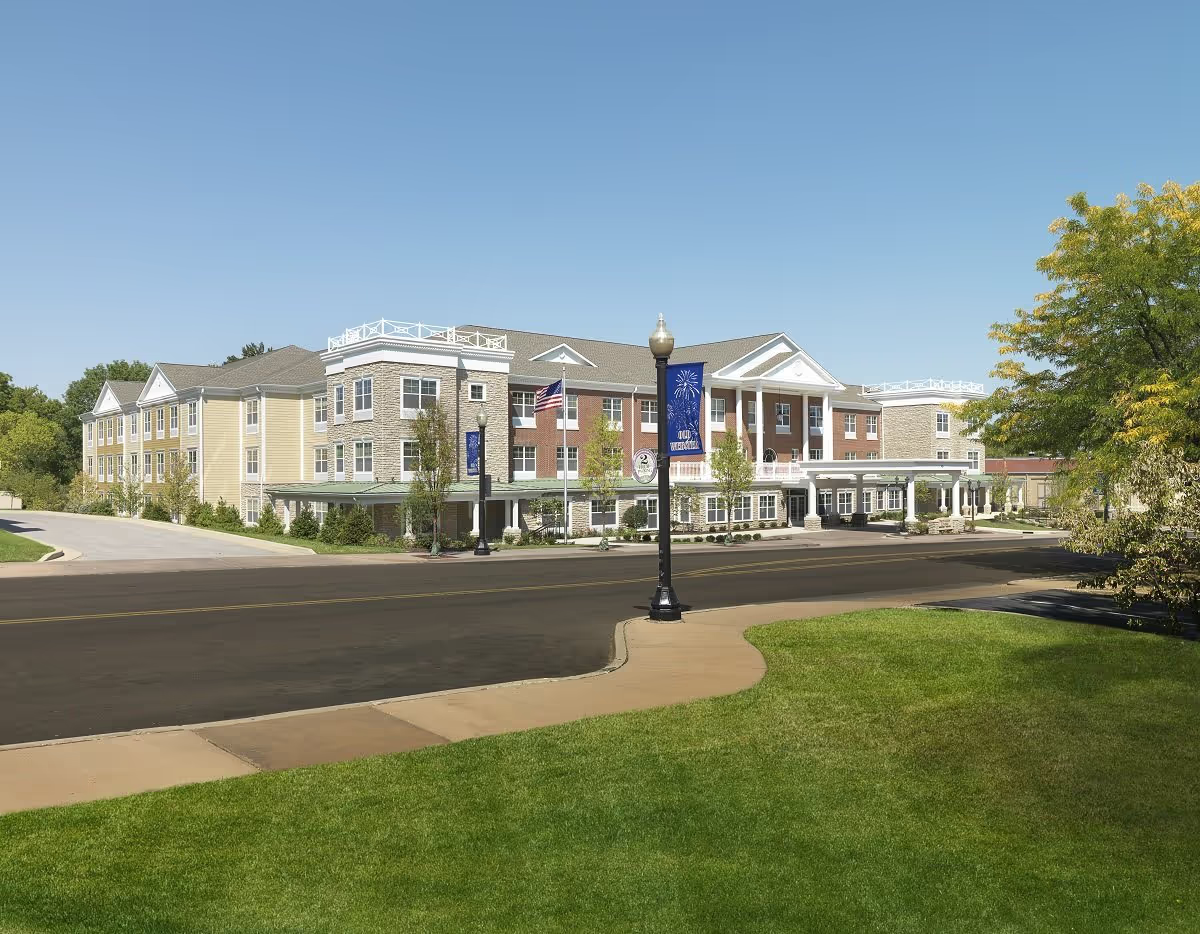
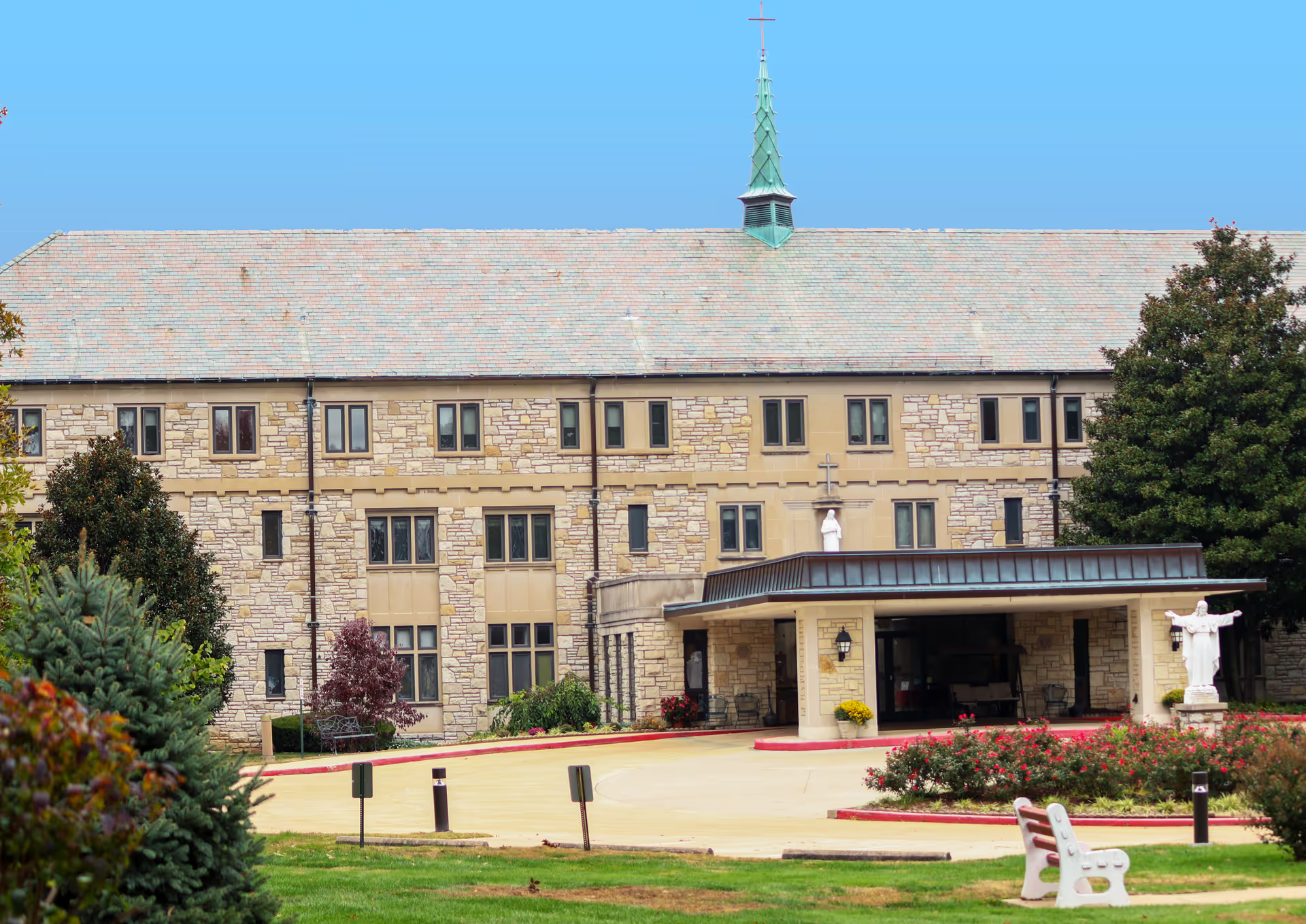
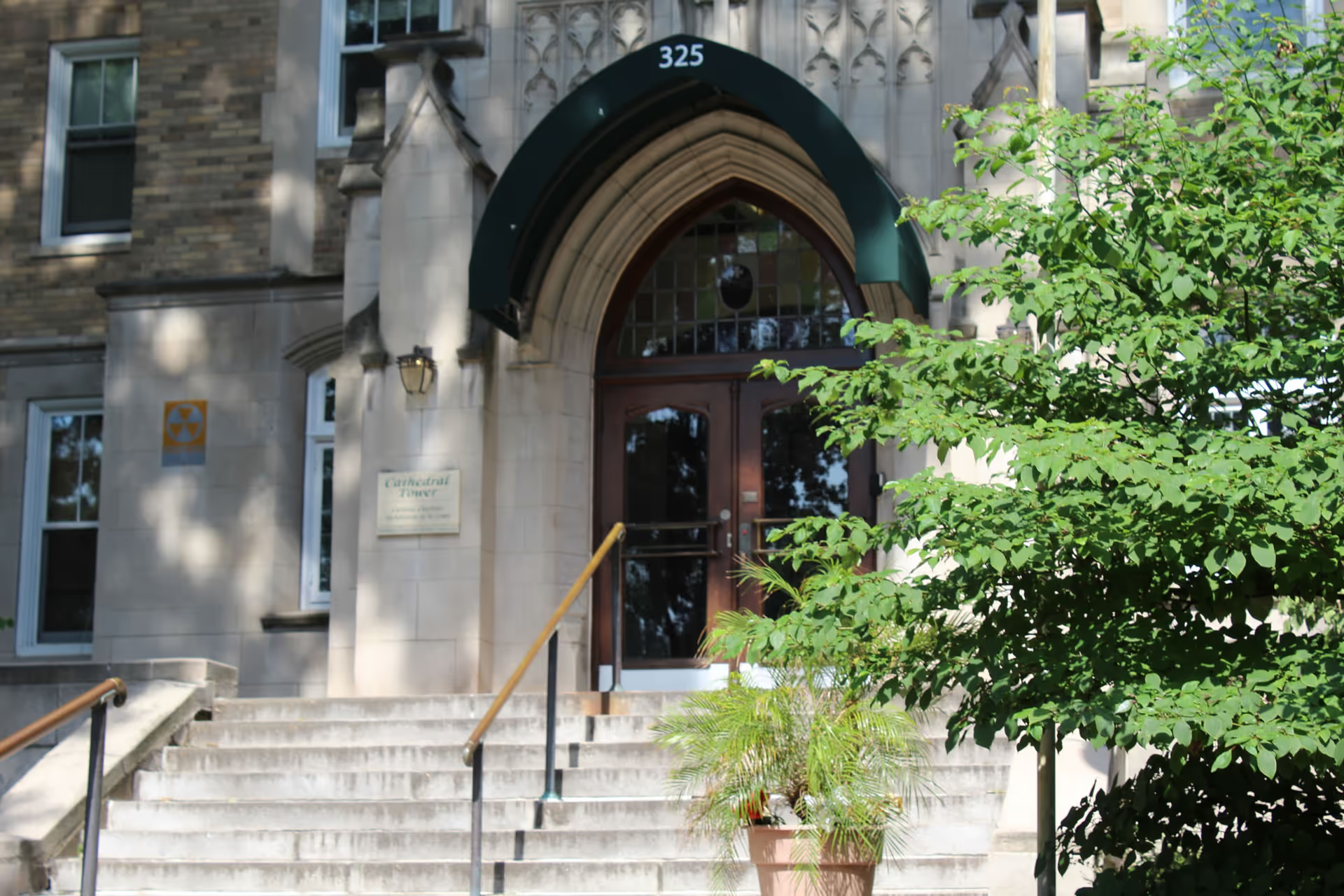
Bethesda Barclay House is consistently described as an upscale, high-rise assisted-living community with a strong emphasis on hospitality and communal life. Reviewers emphasize a warm, family-like culture driven by attentive front-line staff and stable management. The building’s apartments are frequently praised for being spacious, well-lit and comfortable, and the presence of guest/family apartments and easy elevator access support visitors and short-stay relatives.
Care and staffing receive positive commentary: staff are characterized as welcoming, professional, and proactive. Several reviews highlight long staff tenure and specific members of the housekeeping and dining teams for helpfulness and personable service. The overall tone suggests staff–resident interactions are respectful and that management maintains an inviting, open-door approach. That said, prospective families should confirm current staffing levels and turnover trends as part of their visit.
Dining and activities are notable strengths. The community’s kitchen and dining staff are regarded as capable, and meals are identified as a meaningful part of residents’ social life. Social dining appears well-attended, and programming includes many daily activities and frequent social gatherings that foster peer relationships and engagement. Residents benefit from regular, organized events and an active, involved community.
The physical environment is compact and centrally located. The high-rise layout concentrates amenities close to resident apartments, which reviewers find convenient. A seasonal swimming pool, an attractive lobby, and proximity to Shaw Park and downtown cultural institutions are listed as lifestyle advantages. At the same time, the facility occupies a smaller campus footprint: grounds are limited and do not offer an extensive outdoor campus typical of larger retirement communities.
A recurrent operational concern centers on infection-control and outbreak management. Several reviewers referenced instances of illness transmission, which points to potential gaps in how the facility manages contagious events. Families evaluating the community should ask management about current infection-control protocols, staff training, and communication practices during health incidents. The combination of high-density, high-rise living and limited outdoor space can amplify the impact of such events, so clarifying policies before move-in is advisable.
In summary, Bethesda Barclay House projects an image of a well-run, community-oriented assisted-living setting with strong dining, engaging programming, and a courteous, stable staff. Its downtown, high-rise format delivers convenience and social density but comes with a smaller campus footprint and warrants careful inquiry into infection-control and health-protection practices prior to residency.