Feedback for The Villa at Blue Ridge is mixed, with clear strengths in interpersonal care and activity programming alongside recurring operational concerns. Many accounts describe nursing staff, CNAs, the social worker, and the activities team as caring and attentive; those elements contribute to a positive social environment and satisfactory day-to-day interactions for a number of residents. Families who emphasized those areas noted good communication and engaging programming that support resident wellbeing.
Care quality descriptions vary. Positive comments focus on compassionate bedside care and responsive nurses and aides. However, there are consistent concerns about responsiveness to call lights and timely assistance, and several accounts point to problems with medication administration timing and medication-management practices. There are also indications of gaps in fall response and transfer safety that have affected some residents' outcomes and continuity of care.
Staff behavior and communication patterns are described in both positive and negative terms. While many reviewers praised friendly, attentive employees, others described interactions with a tone or conduct they found unprofessional or disrespectful. These mixed impressions suggest variability in staff training, consistency, or culture, resulting in differing resident and family experiences.
Dining and activities show a similar split. The activities program and specific staff in social services receive positive remarks for engagement and support. In contrast, dining is repeatedly characterized as having limited menu choices and uneven food quality, and there are reports that special meal requests are not always honored. Observations about mealtime service and availability of basic refreshments were noted as areas for improvement.
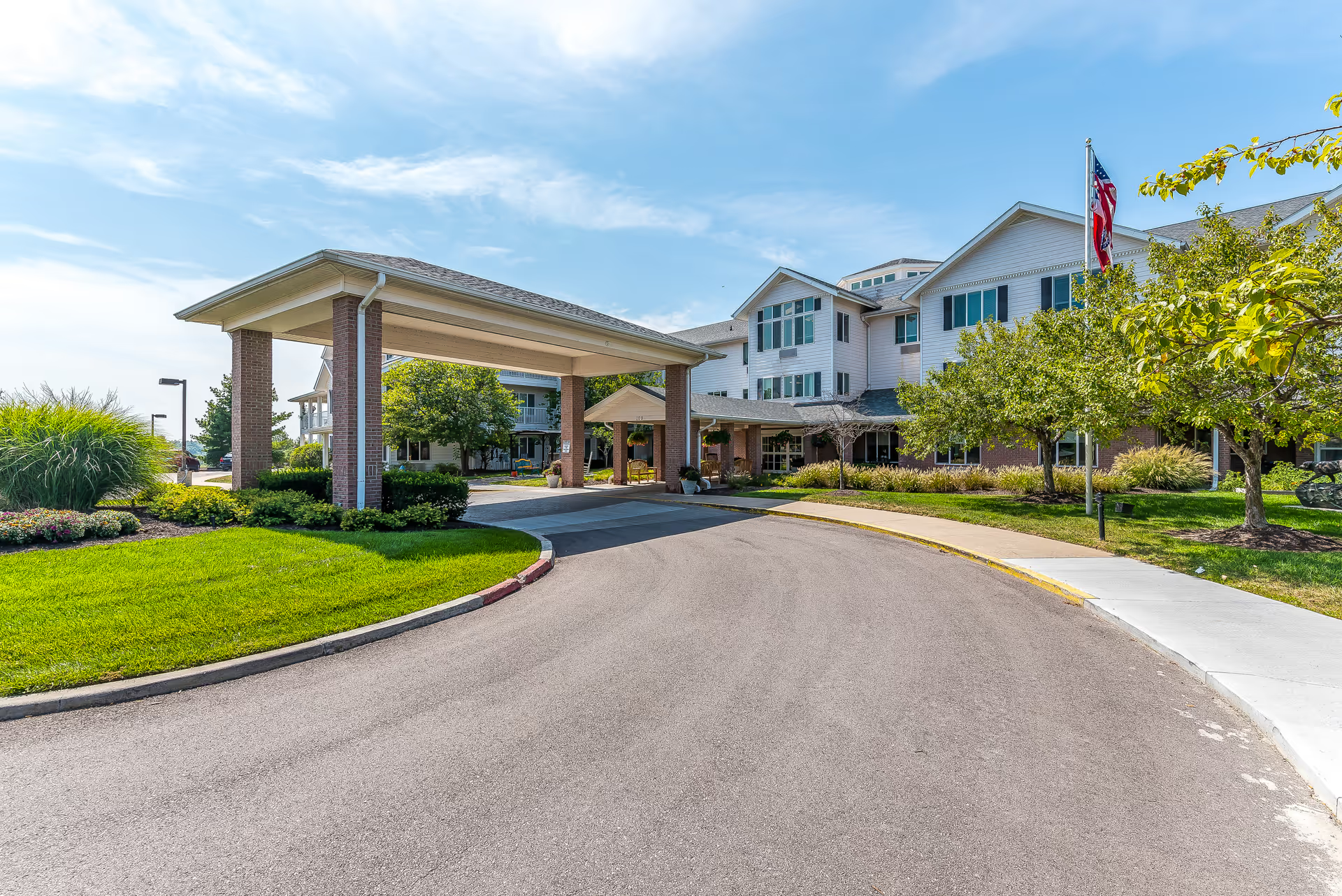
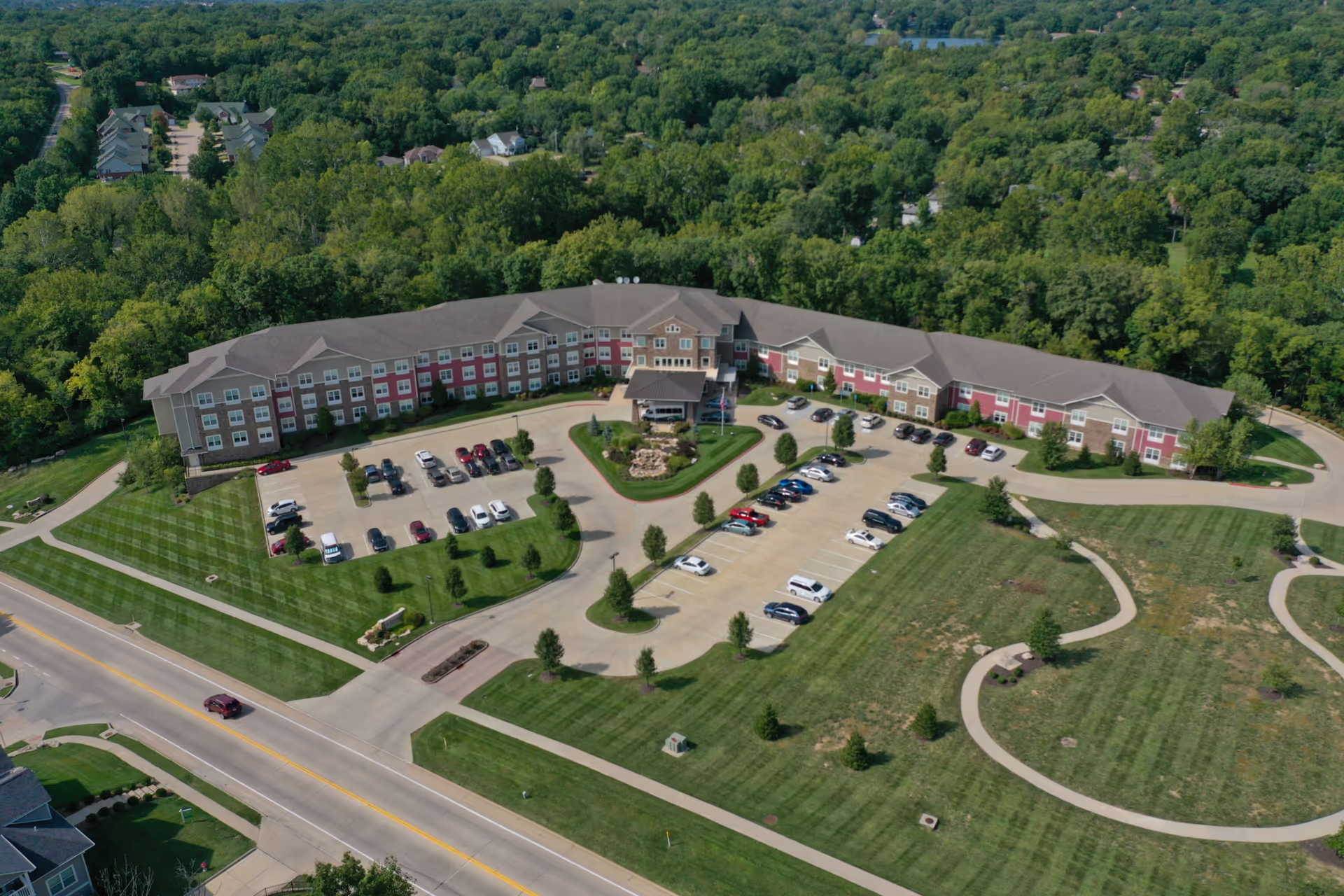
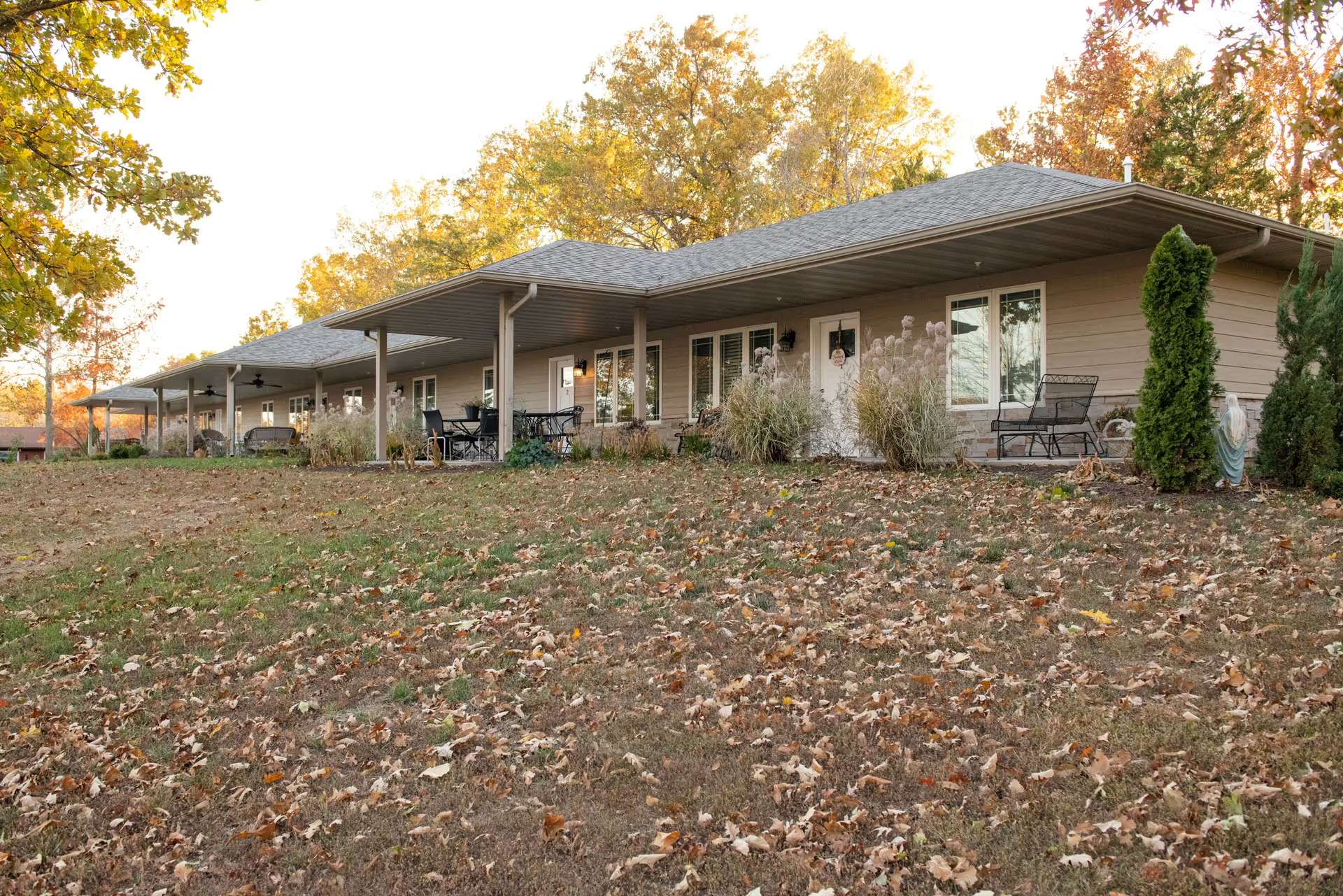
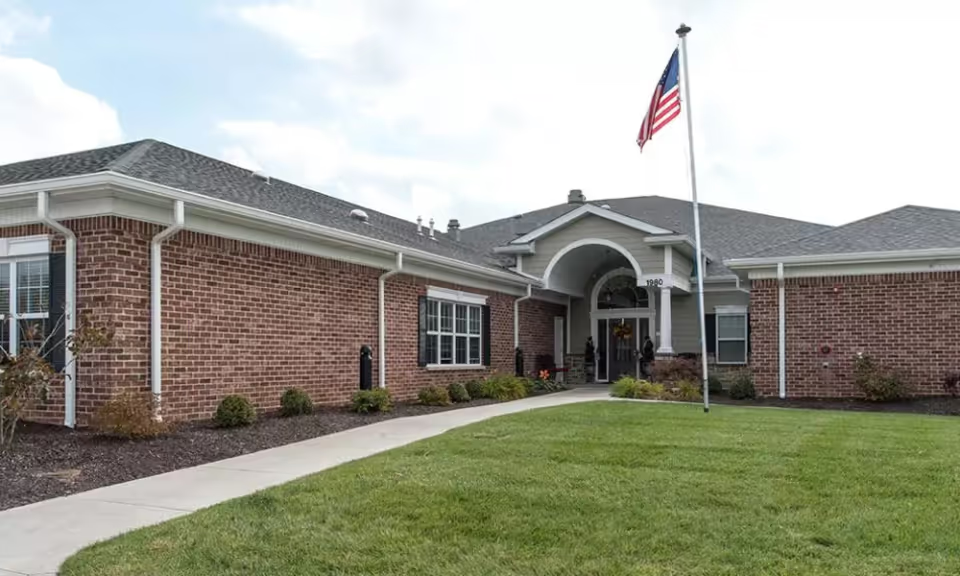
Facility- and safety-related issues recur in the feedback. Some reviewers describe clean, well-maintained common areas, yet there are simultaneous reports of inconsistent room upkeep and sanitation concerns. Equipment management and availability have been called into question in some cases, and staffing levels were identified as contributing to delayed responses and safety risks.
Administrative and management factors are another frequent theme. Admissions and paperwork processes are described as slow and error-prone, with at least one account of lost documentation and poor follow-through. Communication from leadership and administrative staff is seen as weak by several families, compounding frustration around clinical and operational problems.
For prospective residents and families: consider a detailed, in-person assessment focused on the operational areas highlighted here. Recommended questions include staffing ratios on the intended unit, average call-button response times, medication-administration procedures and auditing, fall-prevention and transfer protocols, meal-service options and accommodations, and the facility's admissions paperwork workflow. Observing a mealtime, asking to speak with the social worker or activity director, and requesting written policies on medication and incident response can help clarify whether the facility’s strengths align with your priorities.