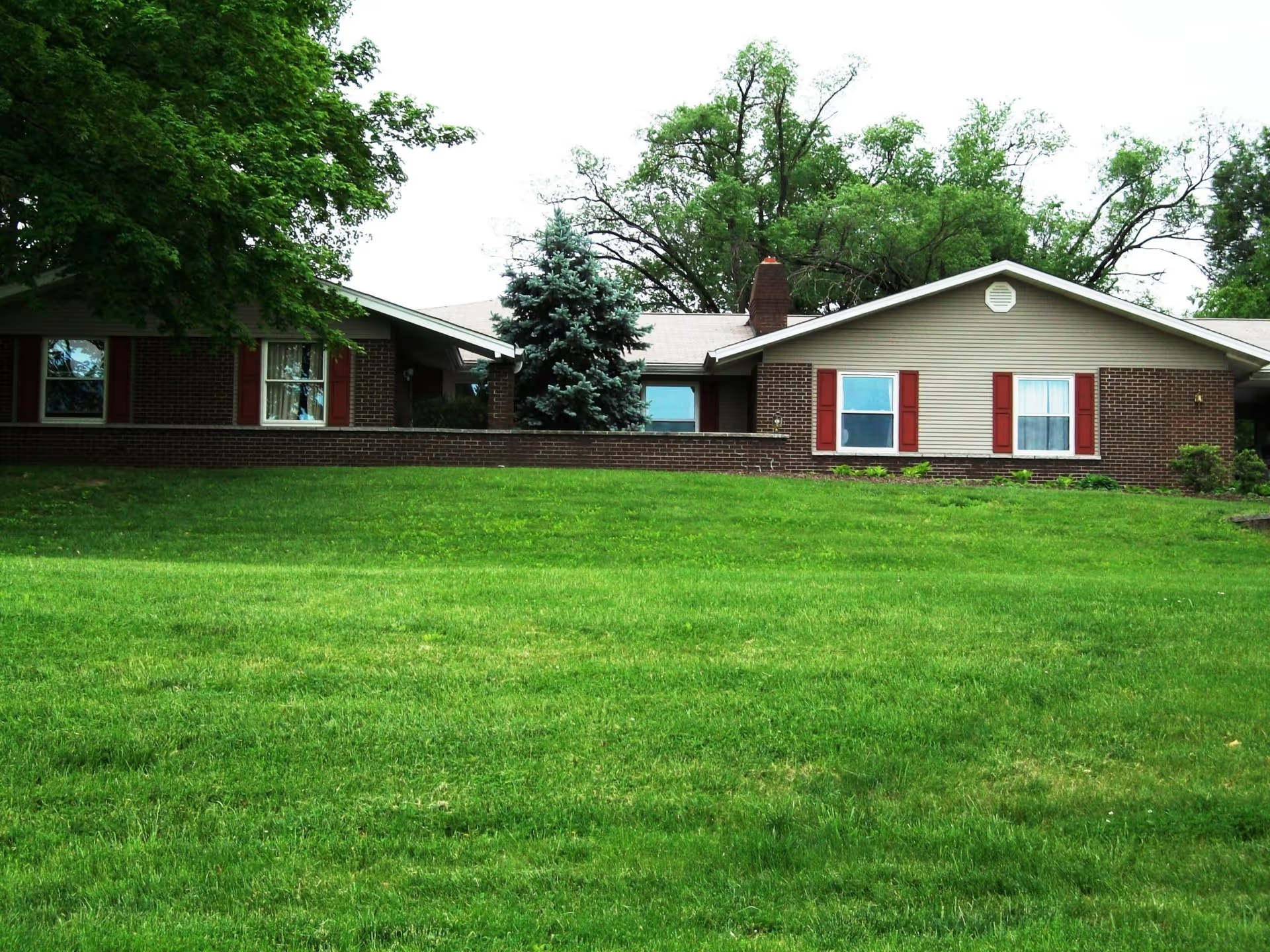
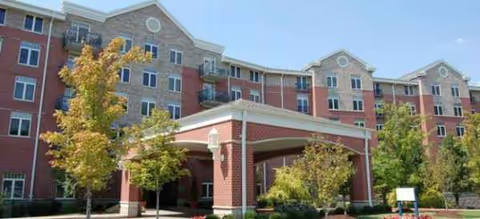
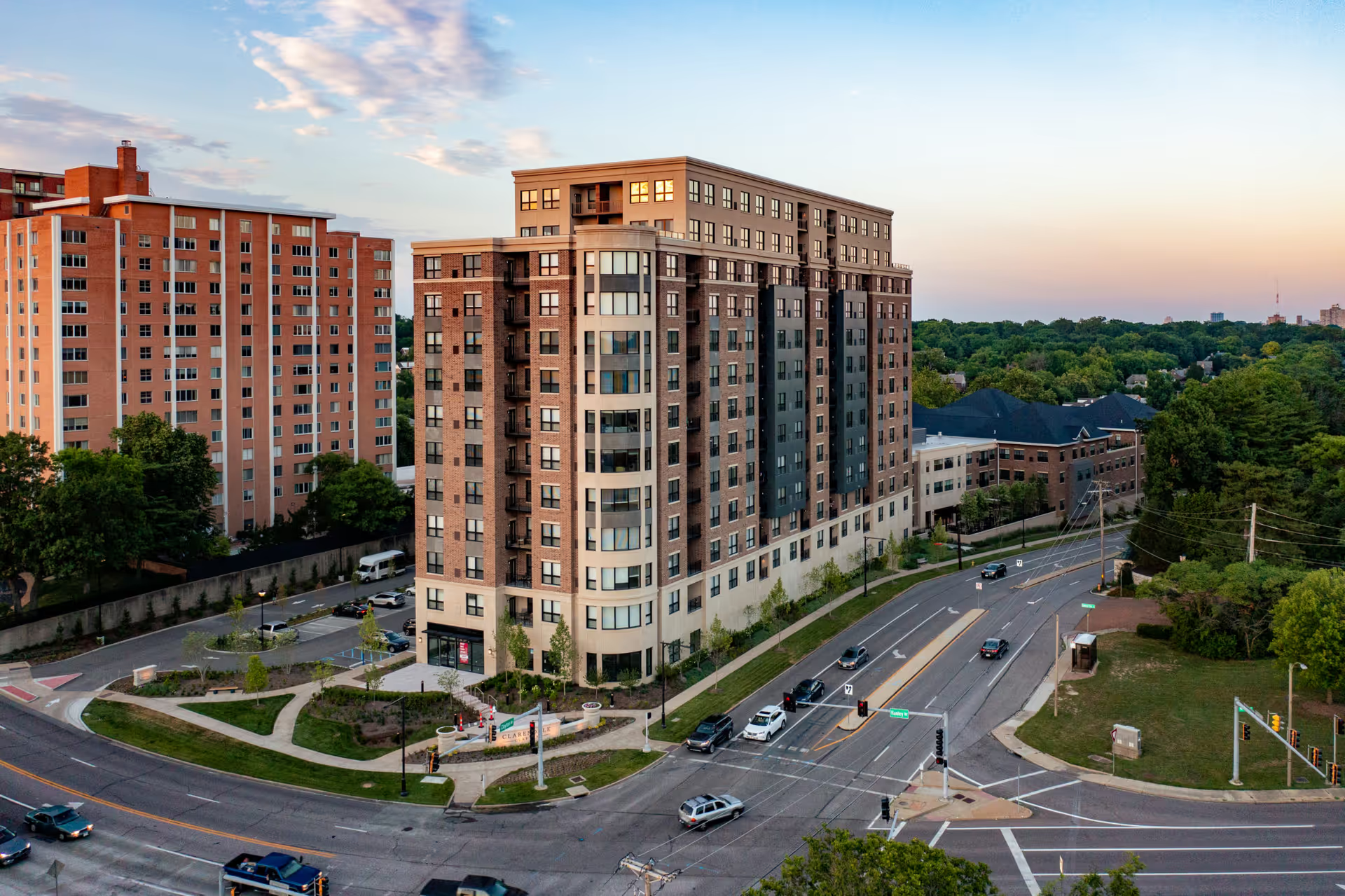
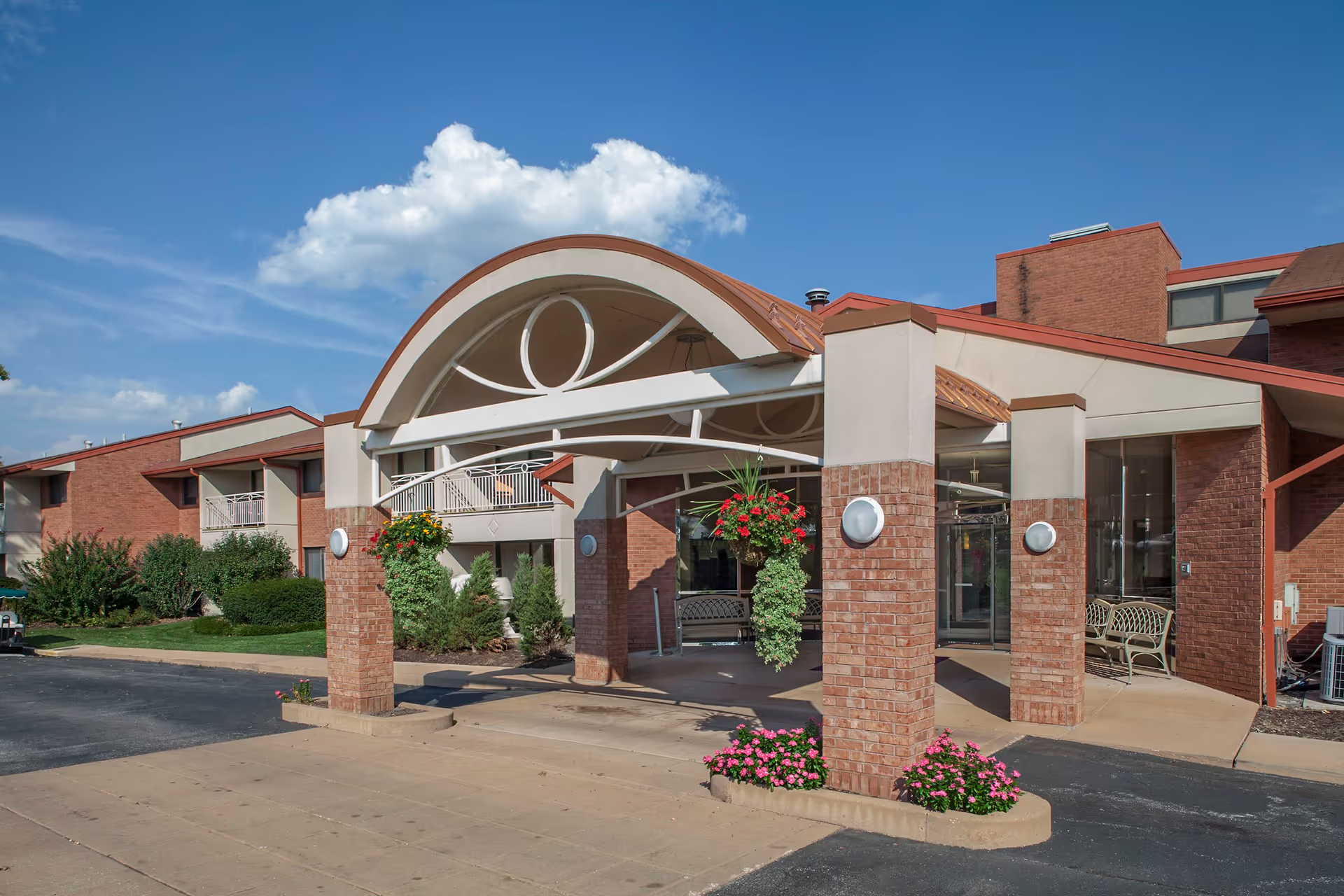
Autumn View Gardens presents as a mid-sized, faith-affiliated assisted living community with clear strengths in clinical support, social programming, and a welcoming atmosphere. Many families point to an on-site nursing presence, proactive medication coordination (including prepared med lists and pharmacy collaboration), and available therapy services as reassuring clinical features. The community also receives frequent praise for compassionate, personable staff and admissions personnel who facilitate smooth transitions. Renovations to dining and common areas, along with roomy apartment footprints and outdoor patios or balconies in many units, contribute to a homelike, well-maintained physical environment.
Dining and activities are major positive drivers for resident satisfaction. The facility promotes restaurant-style dining, on-site meal preparation, and alternatives on menus; reviewers also describe a robust activity calendar with music programs, games, outings, religious services, and resident-led clubs. On-site amenities such as a salon, chapel/theater spaces, and in-house pharmacy or mobile diagnostic services add convenience and support continuity of care. Transportation to appointments and community outings is available and appreciated by families.
Despite these strengths, reviewers consistently describe operational variability. Communication from leadership and front-desk staff is uneven, and staffing stability is an issue—periodic turnover and understaffing correlate with slower response times and gaps in service. Families reported inconsistencies in meal quality and service continuity at times, as well as occasions when housekeeping and maintenance requests were not promptly addressed. While medication-management systems are generally described as proactive, there are recurring concerns about on-time medication administration and pharmacy coordination in some cases; this suggests that clinical processes are strong in design but variable in execution.
Several reviews raised more serious conduct and responsiveness concerns, including allegations about handling and delays in assistance; these accounts appear sporadic but important. The community’s physical layout also factors into placement decisions—some apartment types rely on shared bathrooms, and certain outdoor garden areas are restricted to memory-care residents, limiting access for others. Additional fees for specific services and an upfront community fee were noted and have caused confusion for some families. Prospective residents and families should weigh the facility’s strong clinical resources, active social life, and recent renovations against the potential for inconsistent staffing, communication gaps, and variability in day-to-day service delivery. A thorough, recent tour and direct discussion about staffing patterns, meal service logistics, bathroom configuration, and fee structure are recommended before placement.