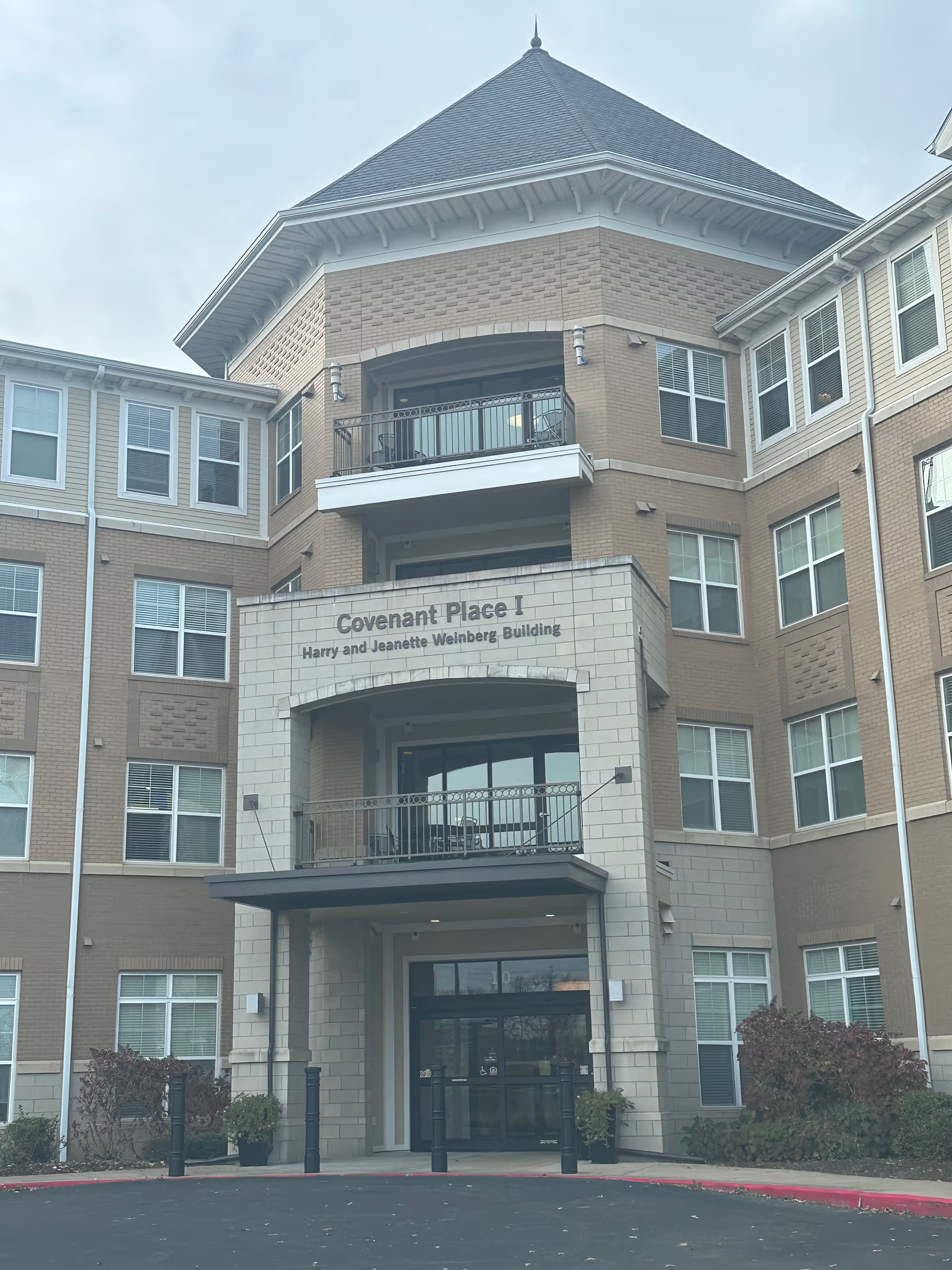
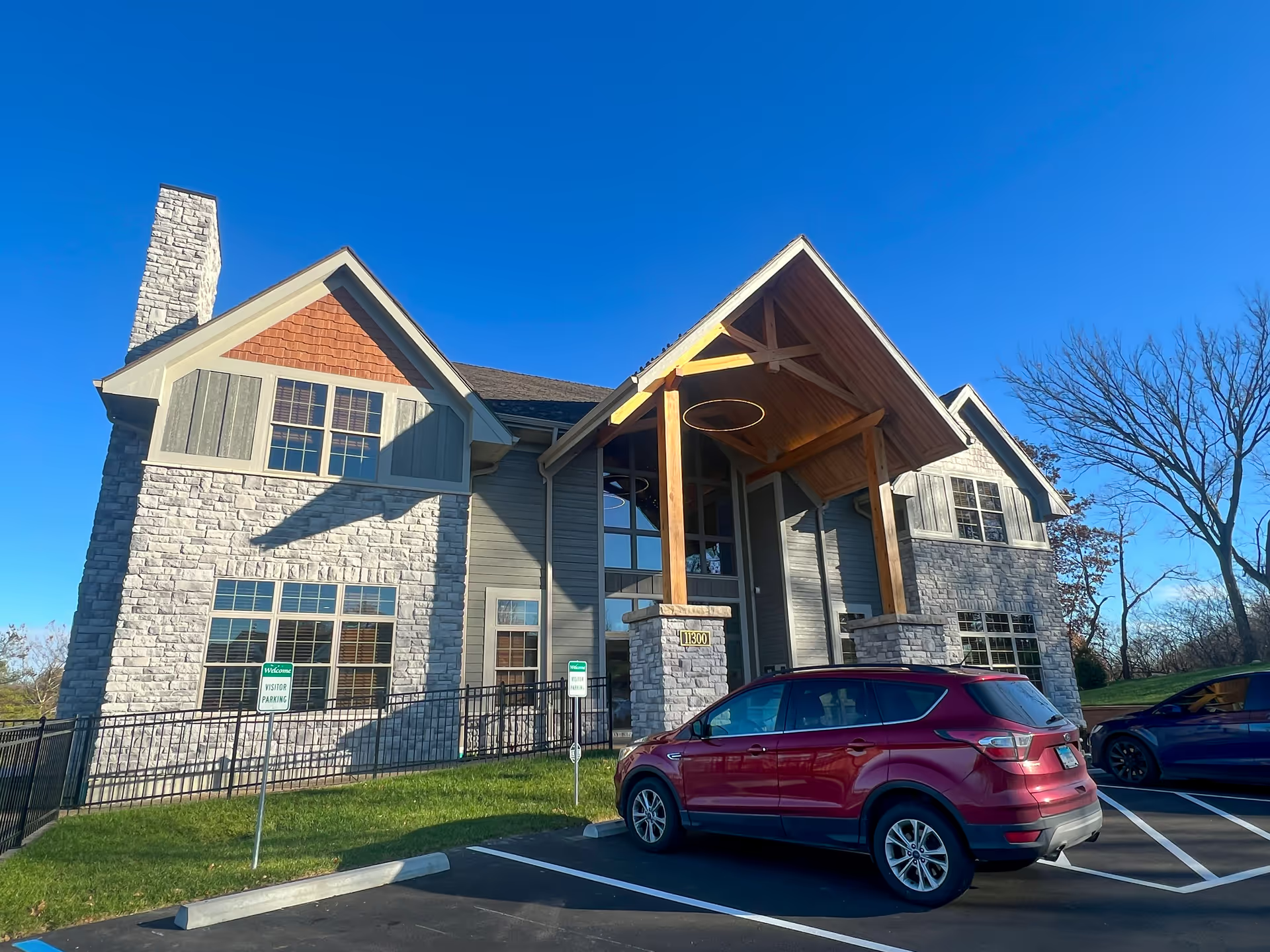
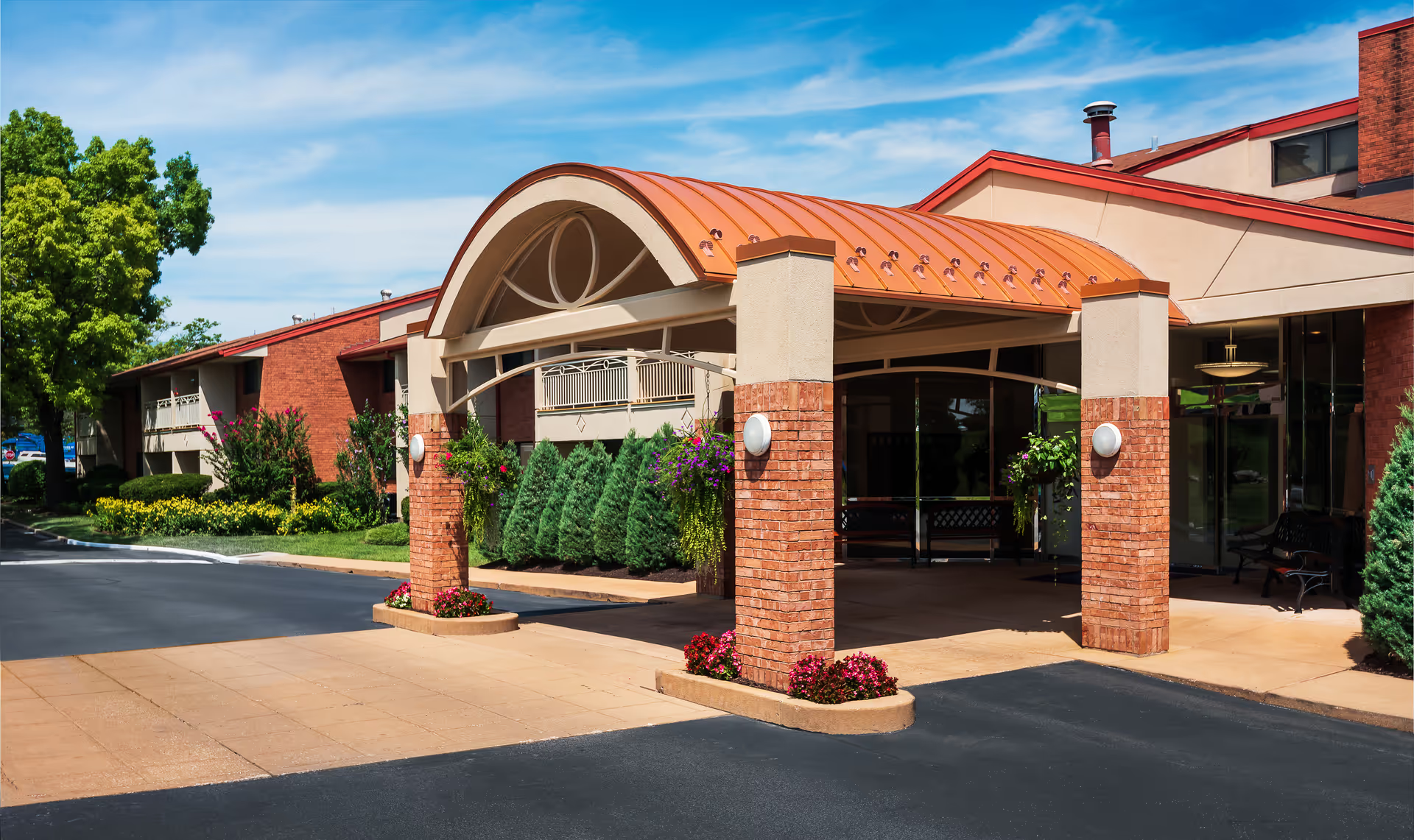
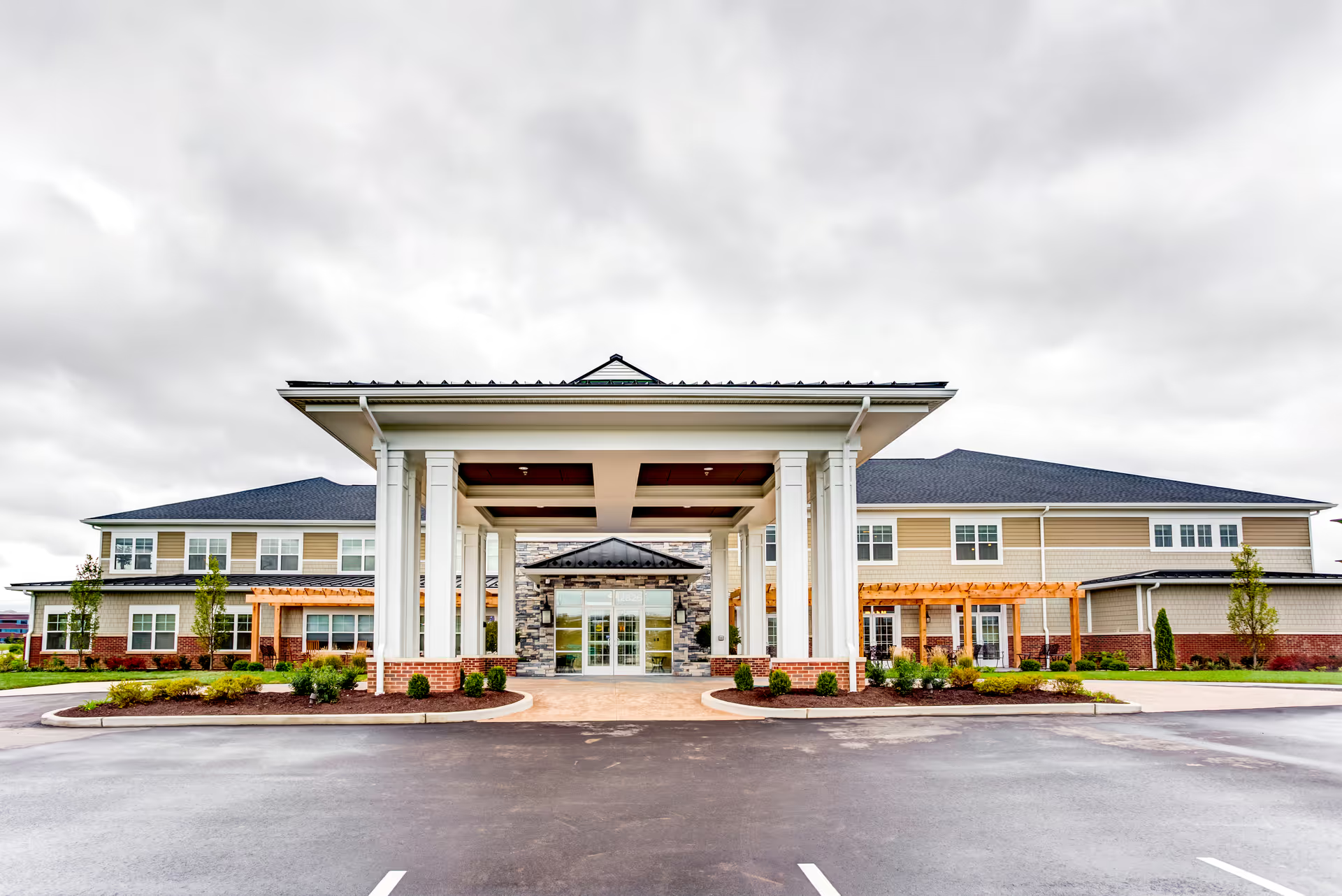
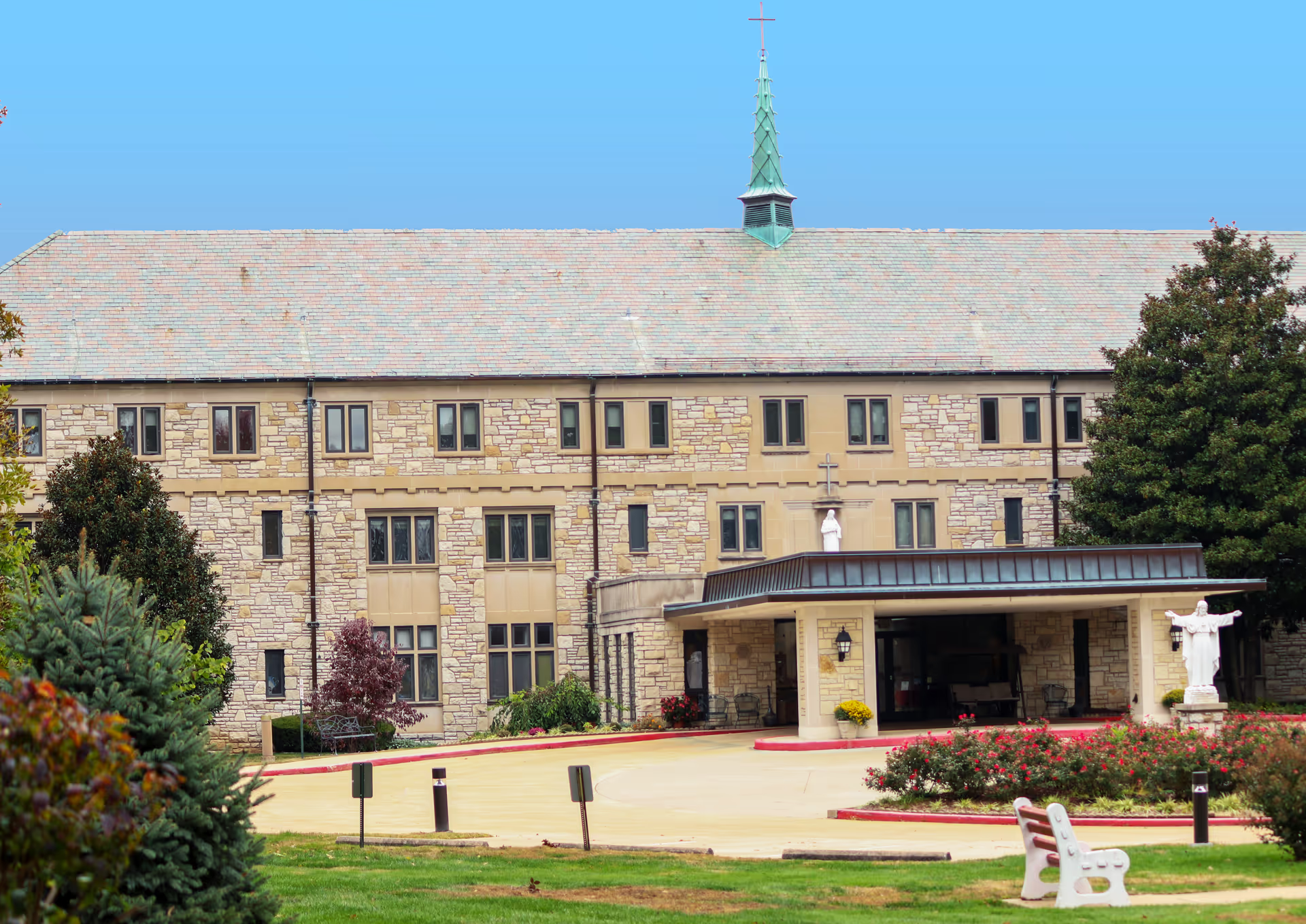
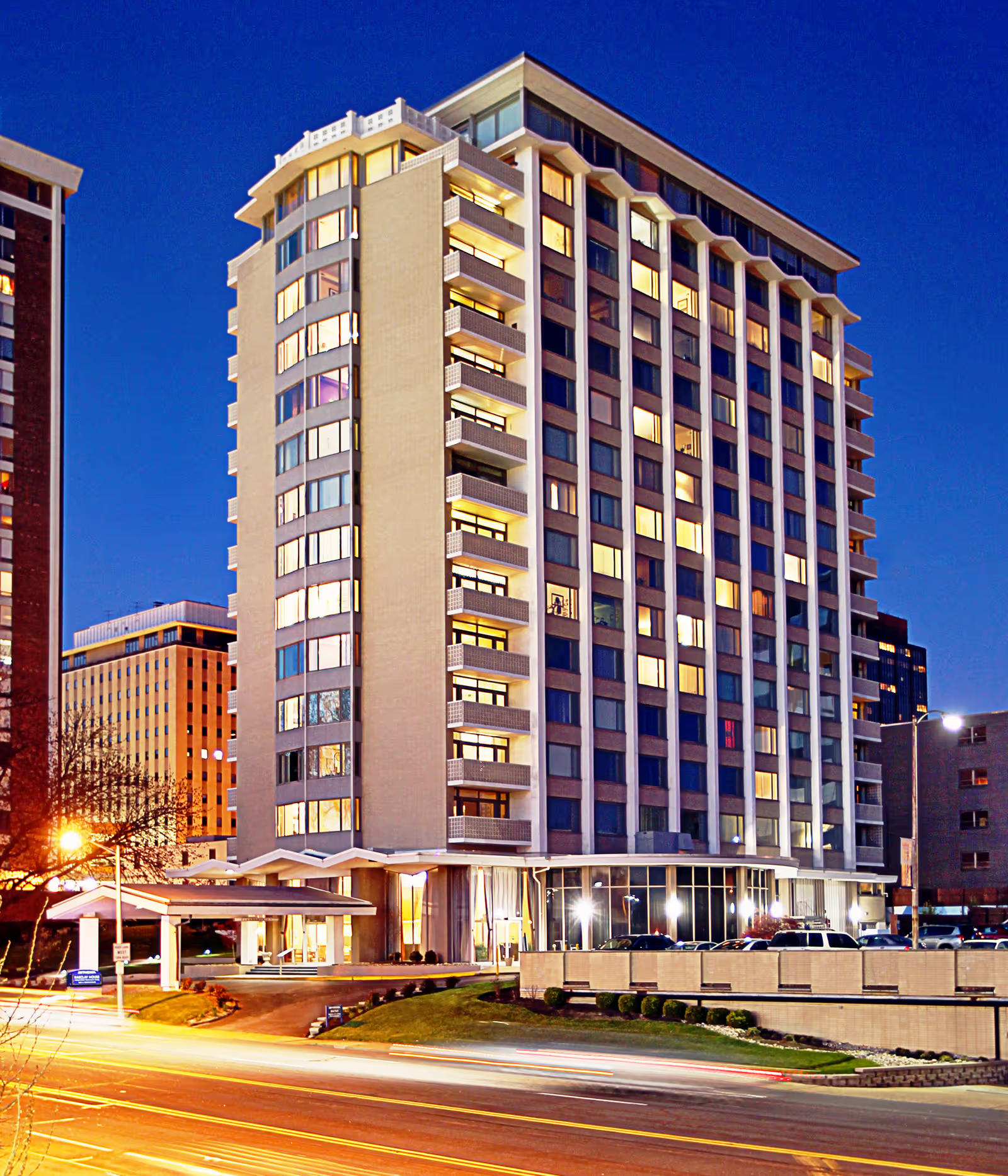
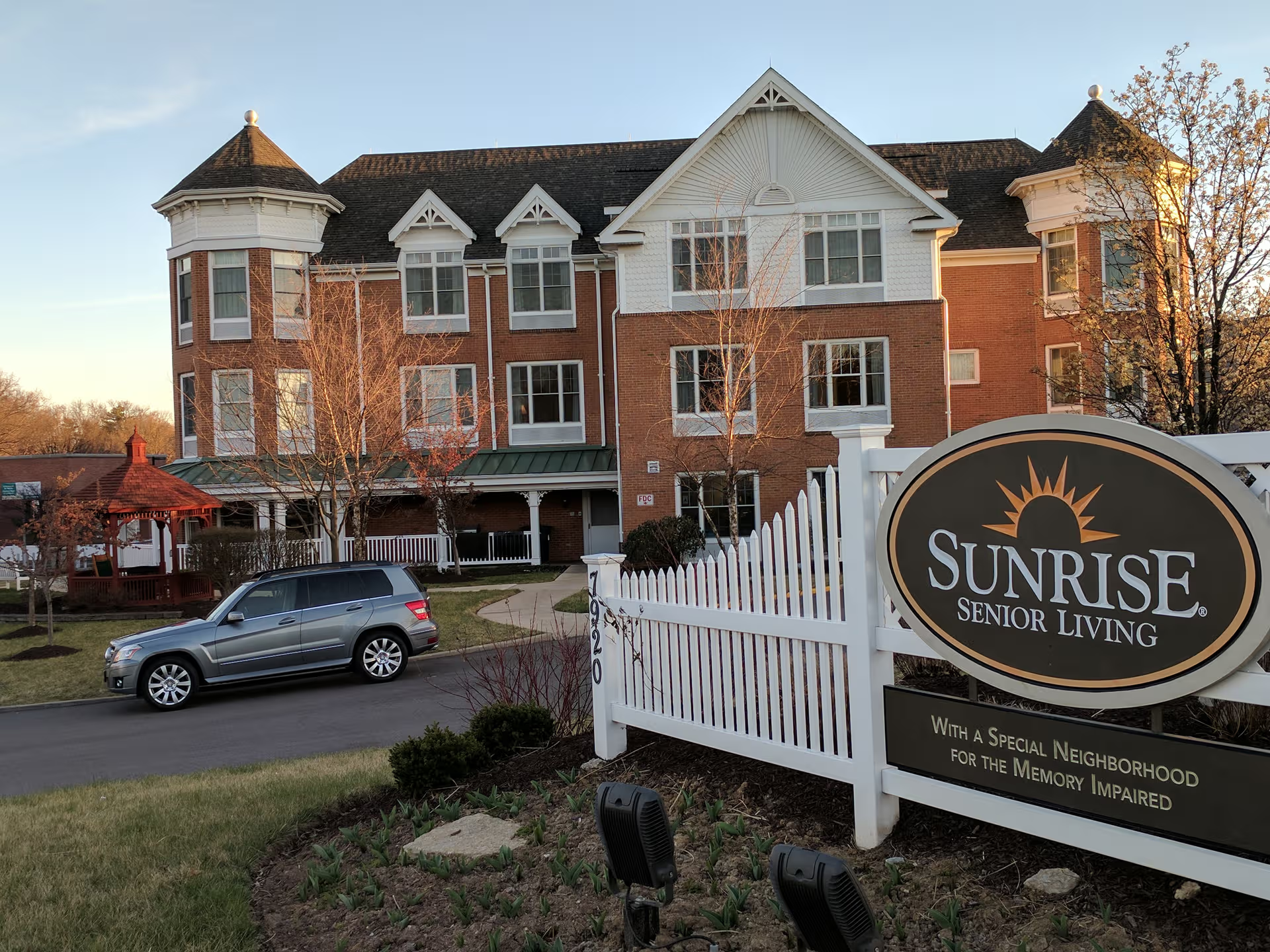
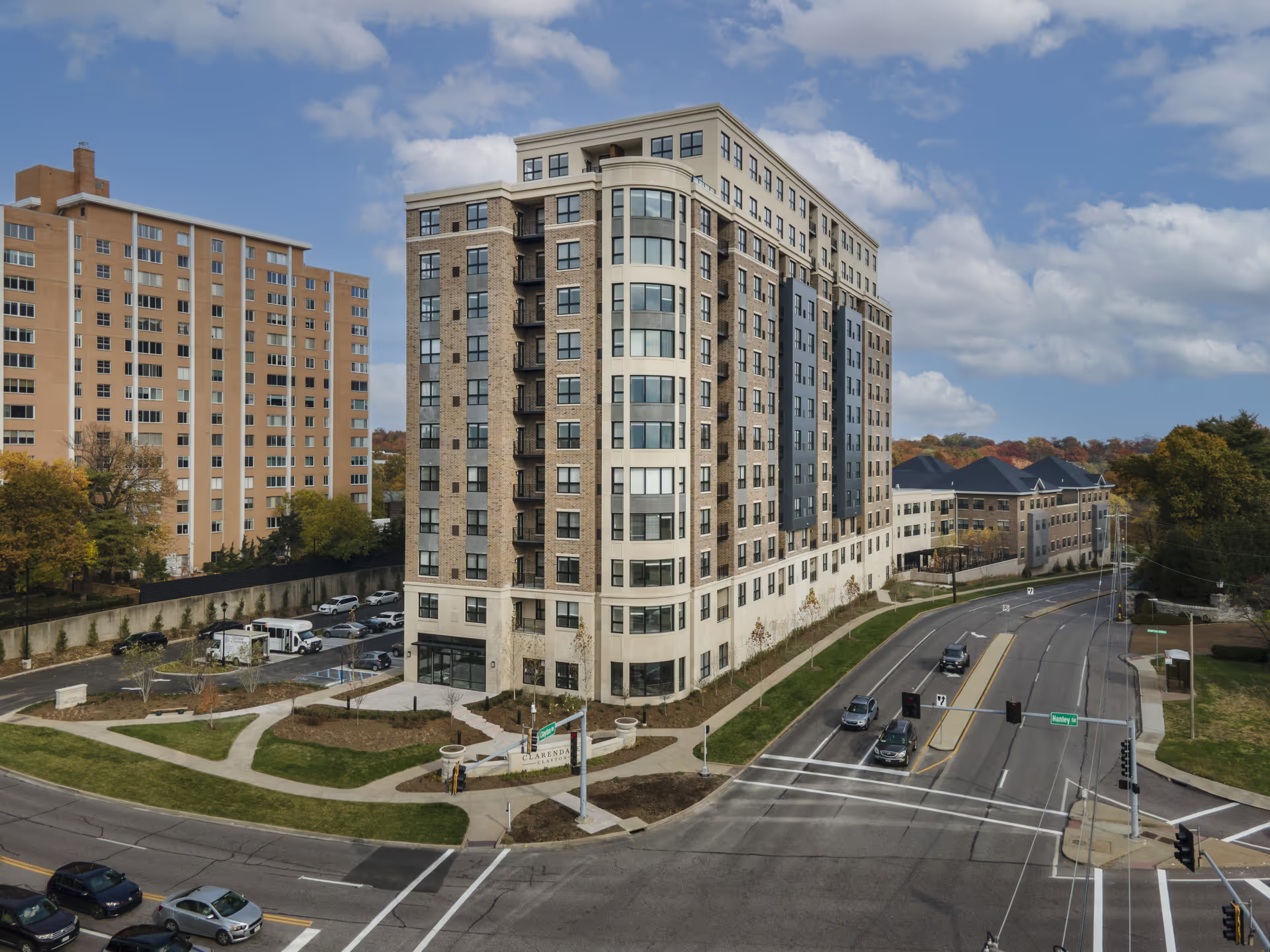
Brookdale Creve Coeur elicits consistently strong praise for its staff, social environment, dining variety, and campus amenities — especially from families and residents focused on independent living. Many reviewers highlight warm, long-tenured employees who provide attentive service, smooth move-in support, and practical assistance from admissions through ongoing housekeeping and maintenance. The community is described as lively and social, with numerous resident-led clubs, regular field trips and entertainment nights, and an active Resident Council; transportation services are repeatedly noted as reliable and comprehensive.
Care and staffing: Staffing is a clear strength in tone and continuity: staff frequently know residents by name, demonstrate familiarity with routines, and support transitions to higher levels of care when needed. On-site therapy (PT/OT), Brookdale Home Health offerings, medication administration protocols, and an on-campus Personalized Living Program add clinical depth. At the same time, reviewers raised operational concerns about inconsistent staffing levels and responsiveness in certain areas, occasional delays in attending to residents' needs, and uneven follow-through. These themes point to periods when staff appear stretched or when communication and conduct in individual interactions fall short of expectations.
Dining: Dining is a major positive for many residents — reviewers cite restaurant-style service, an extensive breakfast buffet, varied dinner choices, and creative executive-chef offerings. Flexibility such as in-room delivery or dining-room meals is appreciated. However, the community also shows dining-service variability: some comments note slow service, cold plates on occasion, and bland seasoning in certain menu items. Dining-time rigidity and expectations about attire were mentioned by a few residents as constraints to consider.
Activities and social life: Activity programming is robust and diverse, spanning daily classes, musical entertainment, game groups, religious services, and frequent outings. The social atmosphere is characterized as welcoming, lively, and conducive to companionship. COVID-era restrictions affected activity availability at times, but the underlying program infrastructure (community rooms, theater, card rooms, and active committees) supports an engaged lifestyle for independent-living residents.
Facilities and amenities: The campus has a resort-like feel with indoor pool and aquatic therapy, fitness areas, multiple social spaces, landscaped grounds with a pond, and a range of apartment sizes including larger one- and two-bedroom units with full or partial kitchens. Many units have updated finishes, and the property offers safety features such as pull cords and a check-in system. Observations about the physical plant are mixed: reviewers praise newer, well-appointed areas but also note dated units, variable lighting, long internal walks from elevators in a large building, and limited outdoor seating relative to the size of the grounds.
Management and operations: Admissions and tour staff generally receive high marks for being informative and helpful, easing transitions. Conversely, some reviewers described billing disputes, slow maintenance response in isolated cases, and inconsistent cleanliness or housekeeping standards. There are occasional concerns about infection-control adherence and, in rare instances, pest-control problems; these appear isolated but important to verify during a visit. Several families also noted that the community is optimized for independent living and may be less well suited to residents needing higher-acuity assisted- or memory-care services without additional staffing or program changes.
Overall pattern and recommendation considerations: Brookdale Creve Coeur is frequently recommended for prospective residents seeking an active, amenity-rich independent-living experience with strong dining and social programming. Families considering the community should balance the community’s strengths — staff continuity, robust activities, on-site therapy, and dining variety — against operational trade-offs such as periodic understaffing, dining-service variability, higher pricing, and limited assisted- or memory-care fit. A focused tour that reviews staffing ratios for the intended level of care, inspects preferred apartment layouts, samples a meal, and discusses recent maintenance/cleaning and pest-control records will help determine if the community matches a given resident’s clinical needs and lifestyle priorities.