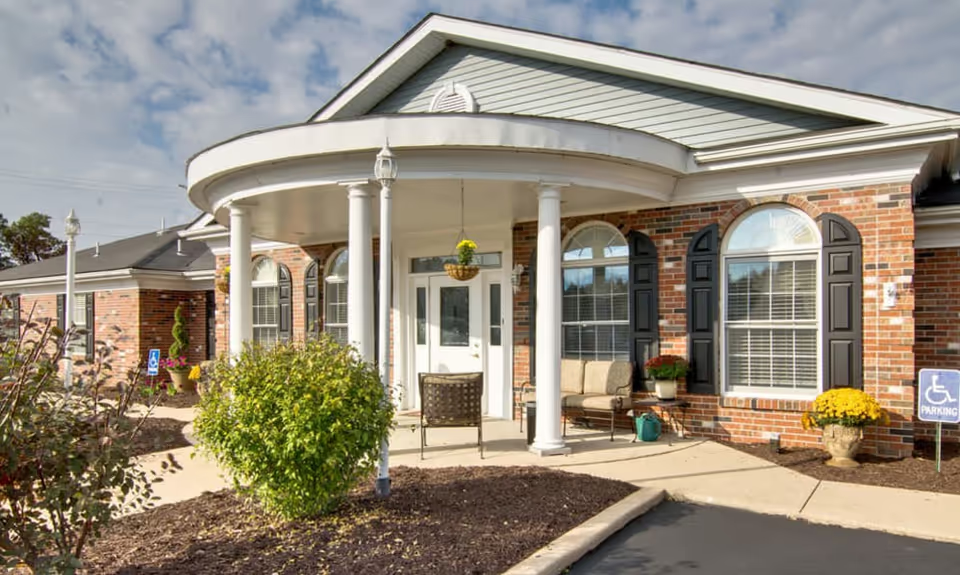
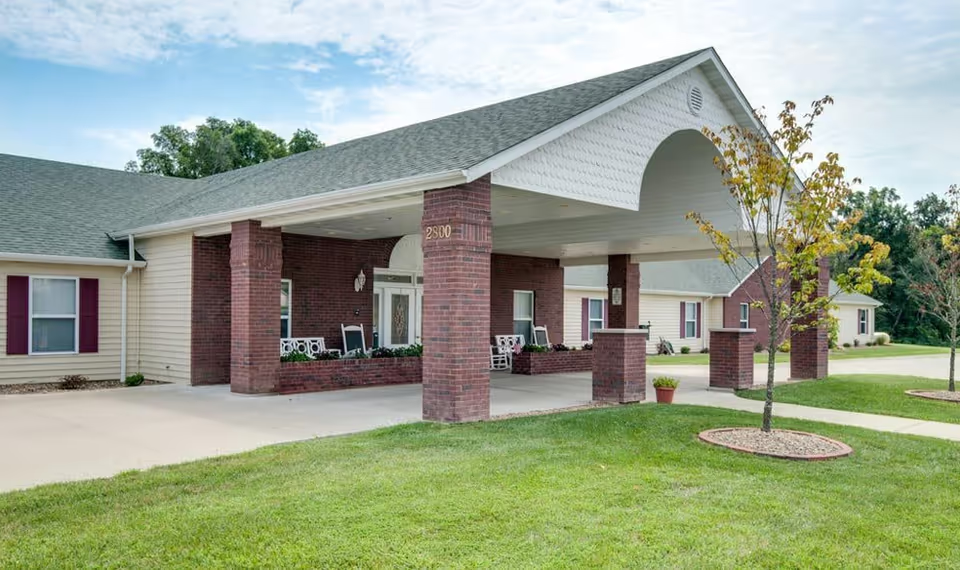
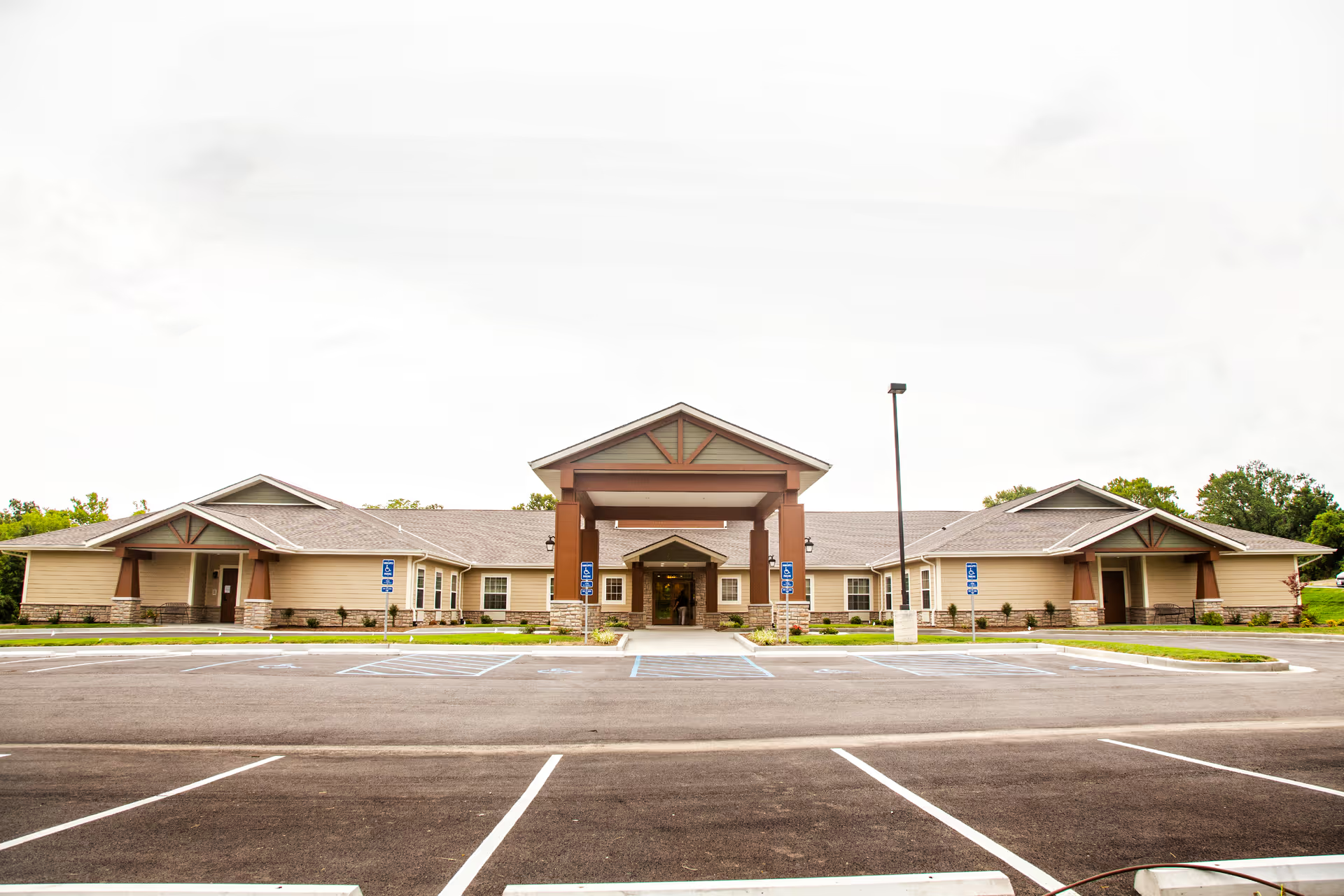
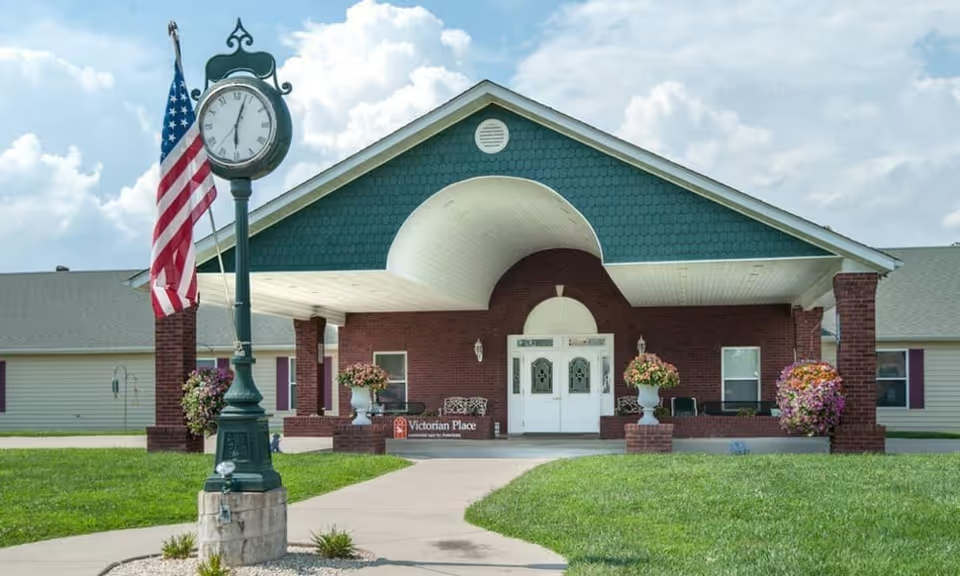
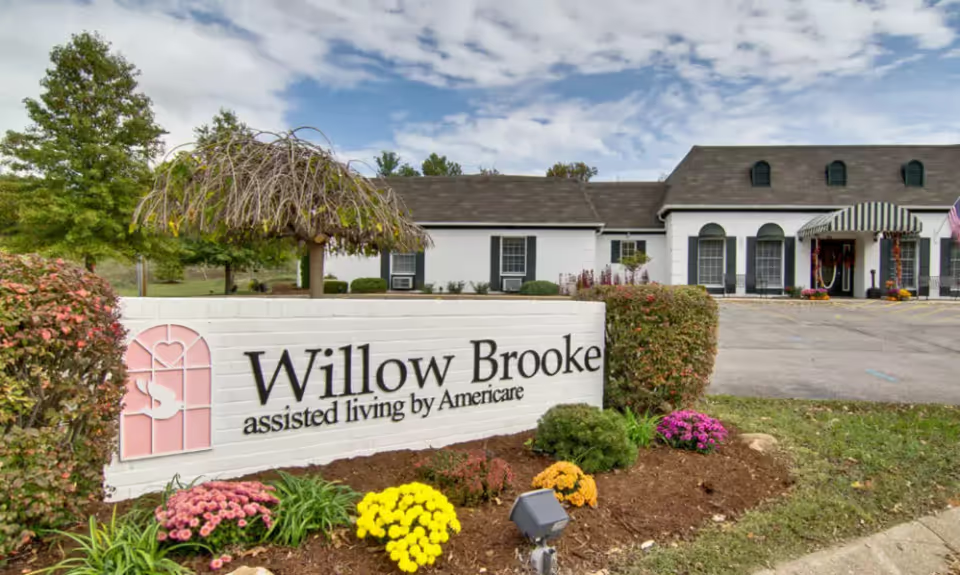
Reviews present a mixed but informative picture. Many families emphasize strong daily-care strengths: a clean, updated environment; attractive, well‑decorated common areas and rooms; an active calendar of on‑ and off‑site activities; and an emphasis on social engagement that residents find uplifting. Dining is frequently described as varied and enjoyable, and maintenance and housekeeping are generally characterized as attentive.
Clinical and caregiving staff receive frequent praise for compassion, skill, and availability. Multiple accounts highlight dedicated nurses and therapy staff, good coordination with physicians and social workers, and a sense of personal attention to residents. Several families described the care as transformative for their loved ones, and staff accessibility (including 24/7 availability) and a warm, laughter-filled atmosphere are recurring positive themes.
At the same time, there are operational concerns that potential families should weigh. Review content points to inconsistencies in medication administration and routine clinical monitoring practices; examples include missed or delayed medications and incomplete vital-sign checks. These individual incidents point to a broader pattern of gaps in medication-management and monitoring workflows rather than isolated praise-related issues.
Staffing and management stability are notable areas of variability. Comments reference high staff turnover, leadership transitions, and periods when essential roles (e.g., kitchen or nursing coverage) were not fully staffed. Those situations were associated with interruptions to service continuity, such as delayed meals or reduced clinical availability. Communication challenges during these disruptions — both between staff and families and internally within the team — were also described.
There are additional operational-level items to consider: intermittent infrastructure reliability (for example, internet outages), and concerns about personal-property controls and inventory that affected some families. These indicate the facility may benefit from strengthened systems for asset security and contingency planning for service interruptions.
In summary, Victorian Place of Cuba appears to offer a friendly, well‑kept setting with many strengths in staff compassion, resident engagement, therapy services, and dining quality. Prospective residents and families should balance those strengths against the documented operational vulnerabilities: inconsistent medication and monitoring practices, staffing instability, and episodic service disruptions. When considering placement, inquire specifically about current staffing levels, medication-administration protocols, clinical-monitoring schedules, property-security procedures, and contingency plans for leadership or service interruptions to assess whether recent corrective actions have addressed these concerns.