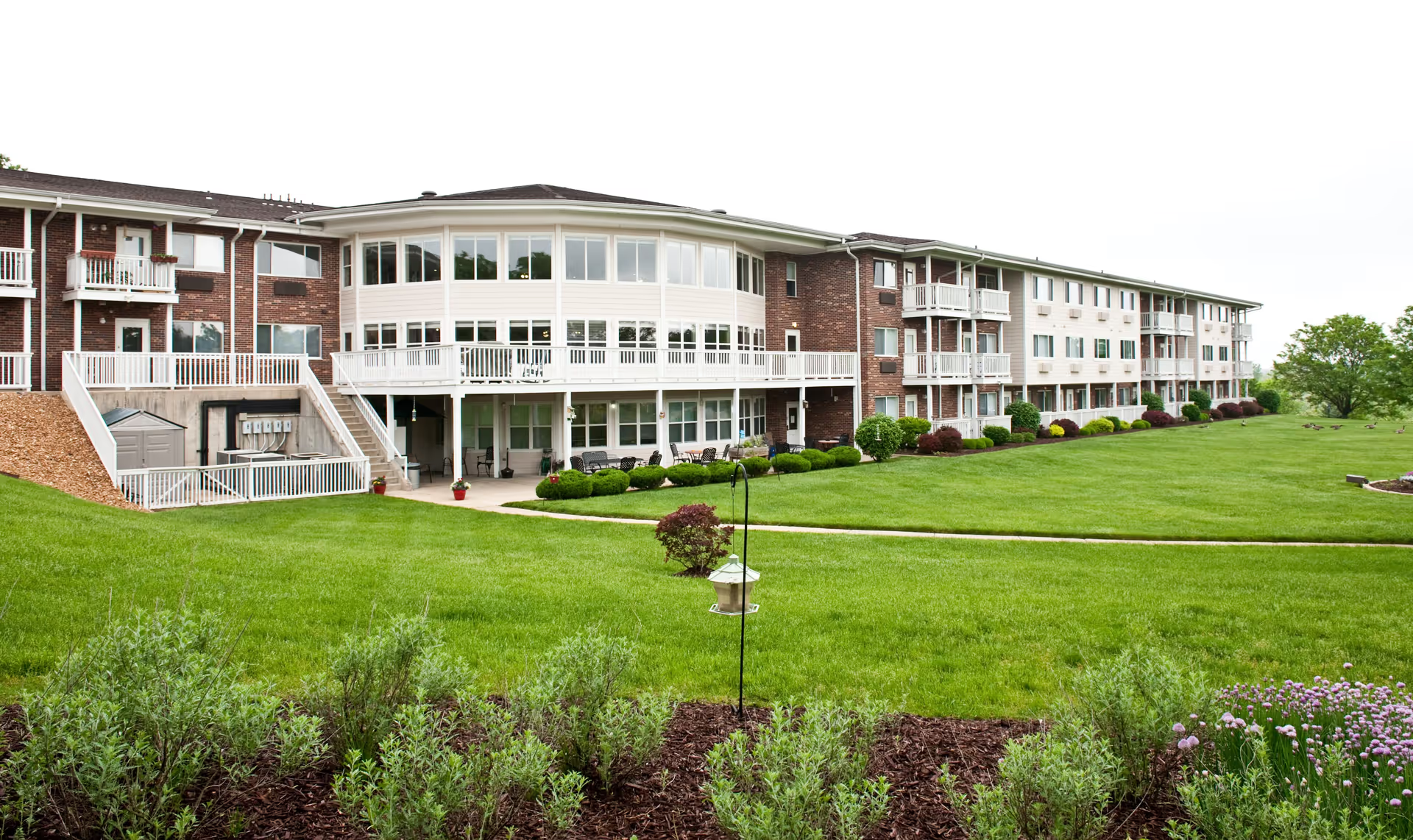
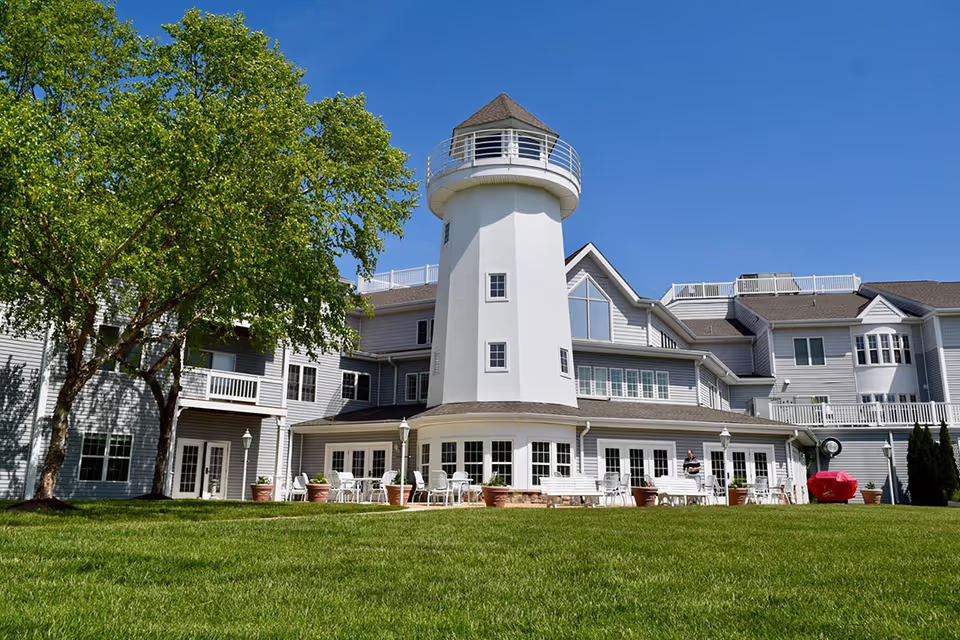
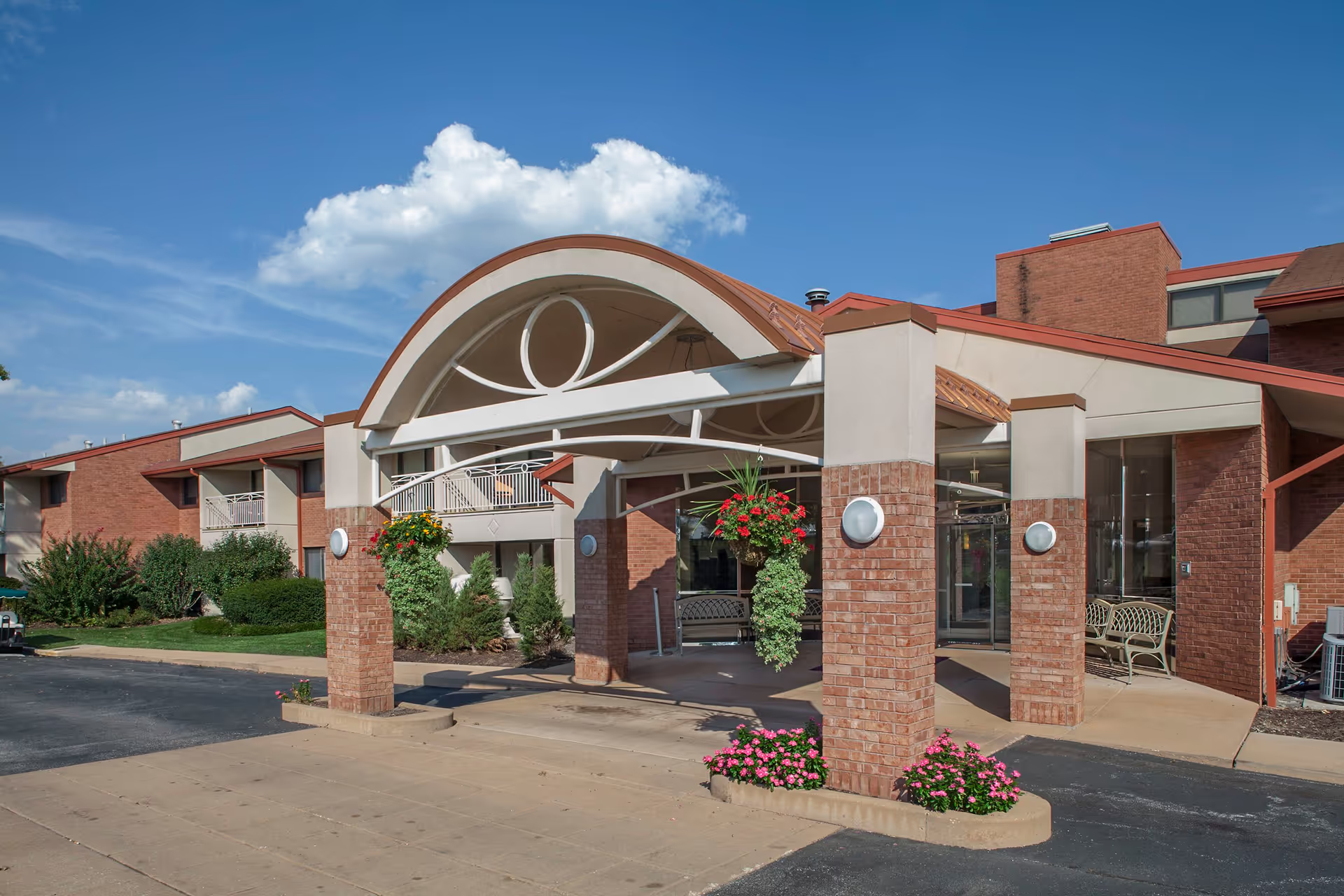
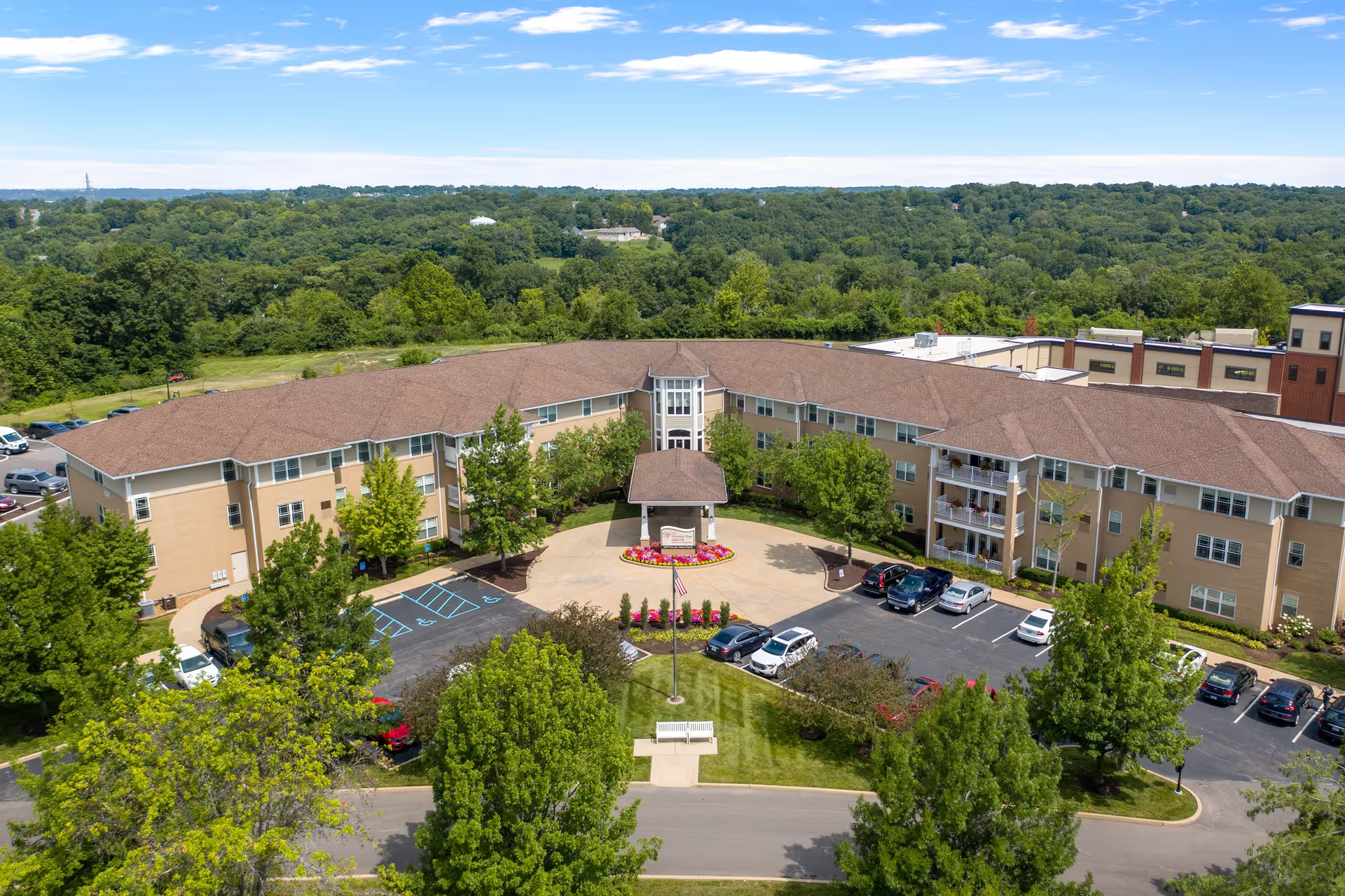
St. Andrew's at Francis Place presents a mixed but informative picture. Many accounts highlight a caring, family-like culture: staff members are frequently described as compassionate, friendly, and attentive, with several comments praising nursing aides, therapists, hospice support, and front-office personnel. The facility receives consistent positive feedback for its rehabilitation services (physical and occupational therapy), the quality and tailoring of meals for individual needs, active spiritual programming, volunteer involvement, and appealing scenic amenities such as panoramic views and an outdoor patio. Recent renovations and comfortable equipment (lifts and beds) are also noted as strengths that contribute to a homelike environment.
Care quality and staffing show a clear pattern of variability. Positive experiences emphasize dedicated, competent staff who provide individualized attention and successful short-term rehab outcomes. At the same time, there are recurring operational concerns about inconsistent staffing levels, high staff turnover, and a measurable reliance on temporary agency personnel. Those operational traits are linked in several accounts to delays in attending to resident needs and uneven consistency in day-to-day care. Prospective families should expect that the day-to-day experience may depend on unit-level staffing stability and staff continuity.
Dining and therapy are often cited as strengths, with specific praise for tasty meals, meal tailoring for clinical conditions, and strong therapy teams. However, some accounts point to interruptions in meal-service coverage and variability in dining assistance during busy shifts. Families seeking placement should inquire about current CNA staffing for meal times and continuity of dining support as part of their tour and intake discussions.
Programming and the environment are generally described positively: the community offers daily activities (including social games), spiritual care, and a welcoming volunteer presence that supports resident engagement. The facility’s views and outdoor spaces are repeatedly mentioned as restorative features. That said, several comments call for a broader variety of enrichment options beyond the existing offerings, suggesting opportunities to expand cognitive and culturally diverse activities.
Facilities and management show contrasts. Many reviewers praise cleanliness in renovated common areas and remark on the facility’s attractive aspects. Concurrently, there are reports indicating cleanliness and sanitation inconsistencies in some areas as well as pest-control concerns; these are operational areas the provider would need to maintain proactively. A number of families also described communication gaps with admissions and administration, including delayed or unreturned messages during placement, which can complicate transitions. One theme that surfaced as a serious concern is the perception that the facility may be selective about admitting higher-acuity residents; this has been characterized in some accounts as a limitation to accepting more complex care needs.
Overall, St. Andrew's at Francis Place offers many strengths—compassionate caregiving, robust rehab services, appealing physical environment, and strong spiritual and volunteer support—paired with notable operational challenges around staffing consistency, communication, and some facility-maintenance issues. For families considering placement, recommended questions include current CNA-to-resident ratios, use of agency staff, measures for ensuring timely response to resident needs, pest-control and sanitation practices, dining coverage during peak meal times, and the facility’s admission criteria for higher-acuity residents. These targeted inquiries can help gauge how consistently the facility’s strengths will be delivered in a specific unit or at a given time.