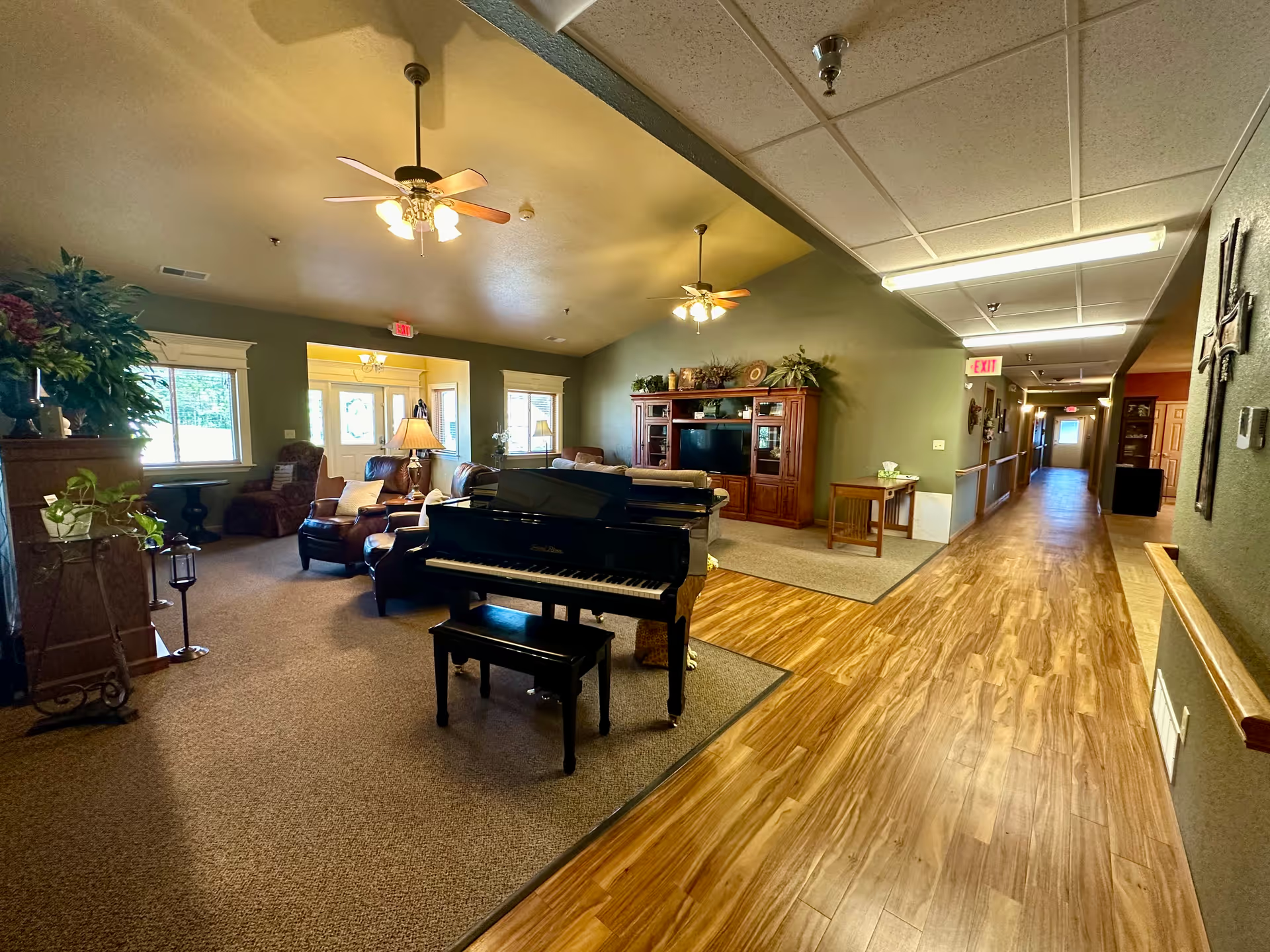
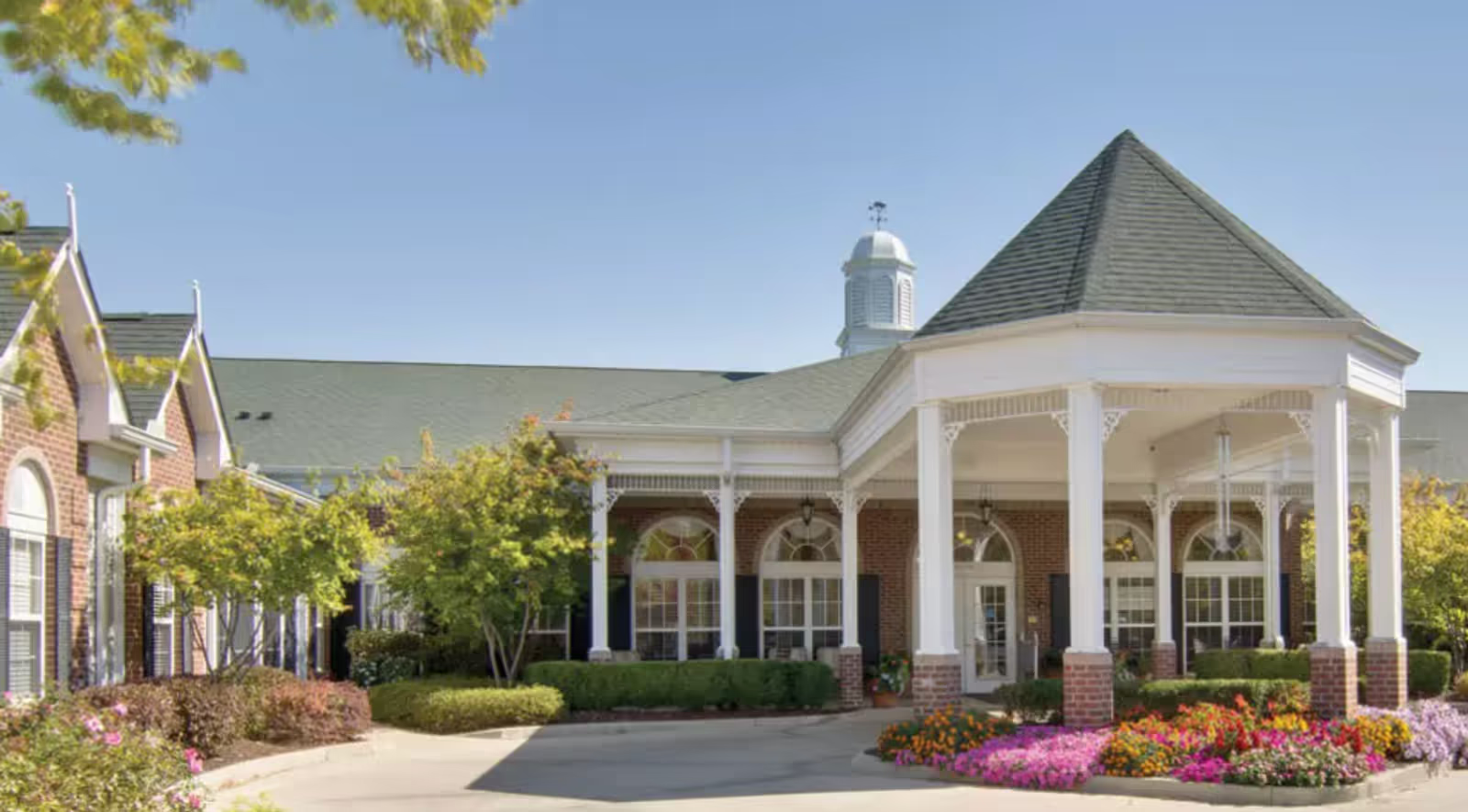
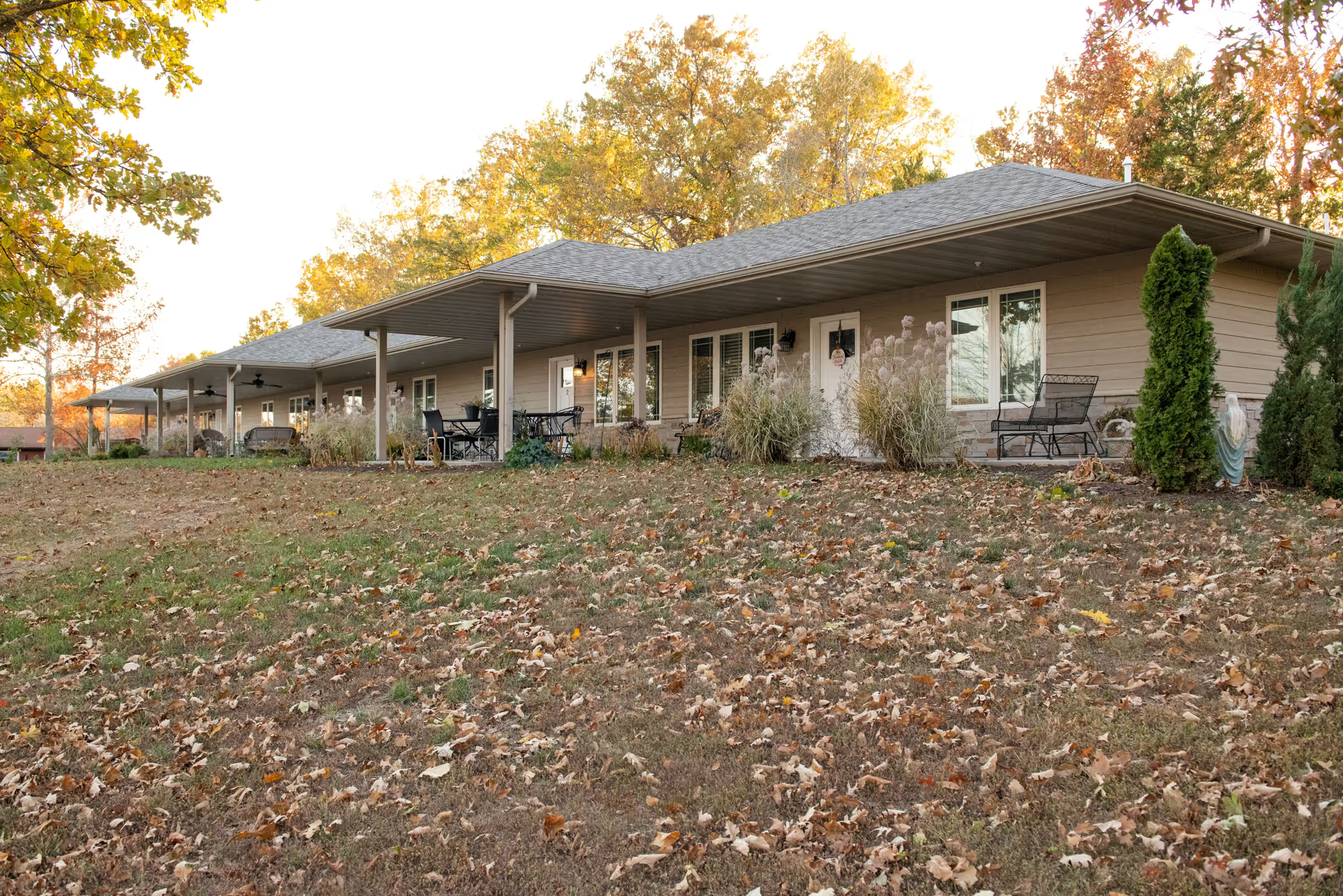
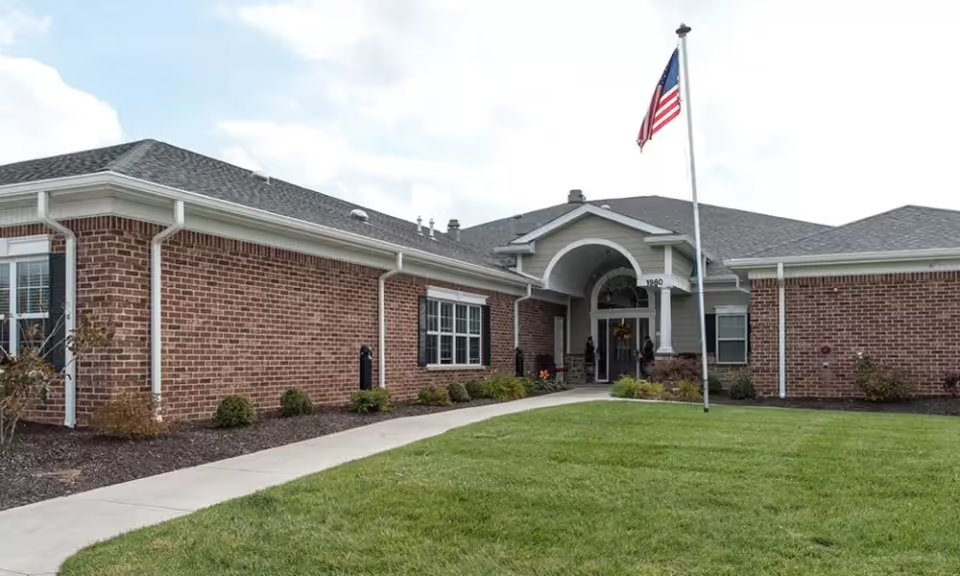
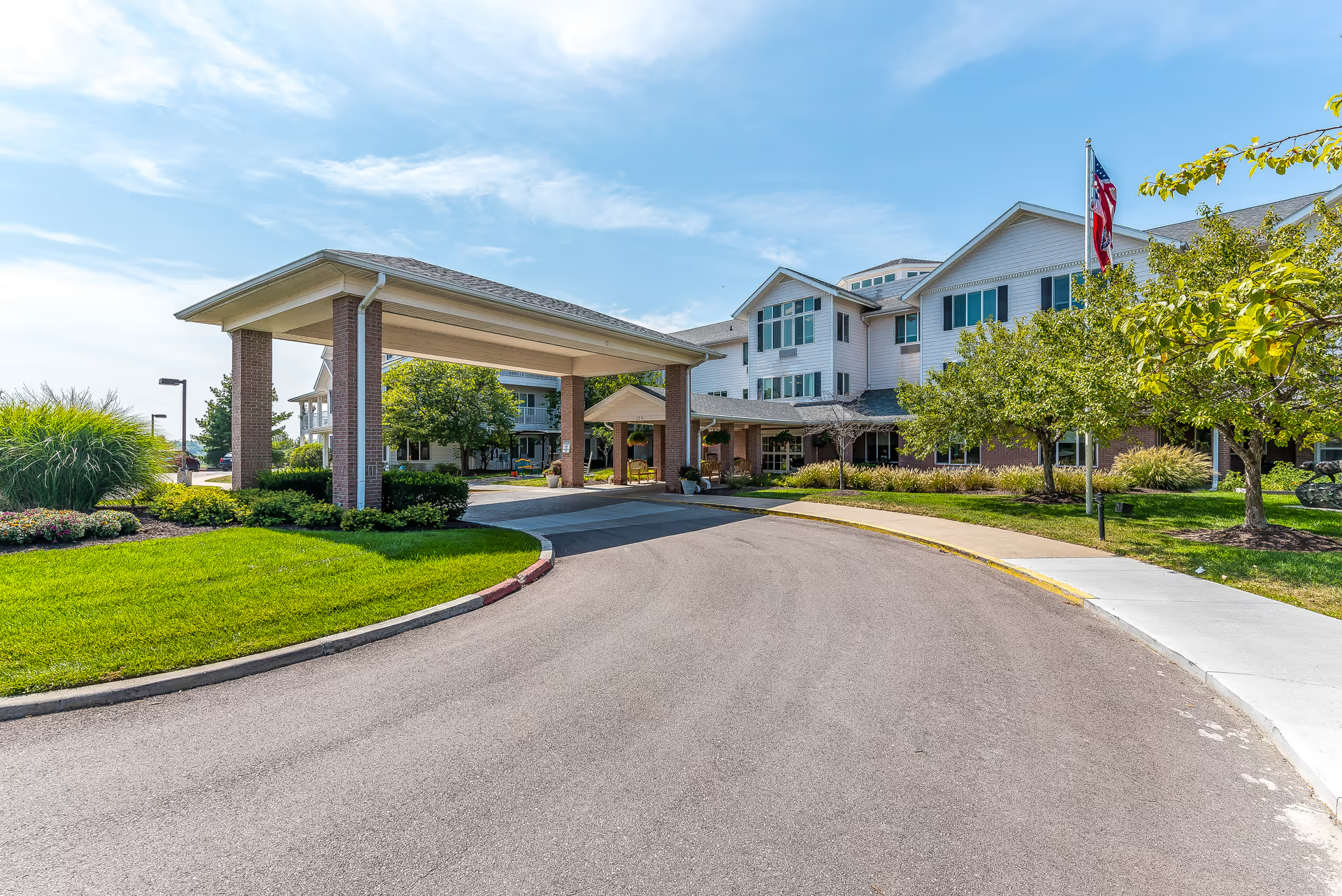
The Timbers Assisted Living elicits a strongly mixed but clear pattern of strengths and operational risks. Many families describe a warm, home-like environment with bright, well-maintained common areas and generous private rooms that include en-suite bathrooms and ample storage. The physical setting and amenities are frequently characterized as clean, updated, and pleasantly appointed, contributing to an overall sense of peace and community for residents.
Care and staffing are central to the facility's reputation. Numerous accounts emphasize experienced, attentive caregivers and nursing staff who provide high-quality clinical oversight and frequently advocate for residents. Reviewers highlight compassionate, family-oriented interactions, joyful caregiver attitudes, and a hands-on owner presence that can promote individualized attention and strong family engagement. At the same time, there are repeated operational concerns about inconsistent staffing levels; several comments indicate periods when supervision and responsiveness were less reliable, which can translate into delays in attending to residents.
Dining and activities are generally seen as strengths. The community offers engaging weekly programming and social opportunities that support friend-making and resident engagement. Meals are often described as varied and well-prepared hot offerings, and mealtimes are cited as enjoyable social occasions. However, a subset of reviewers noted variability in meal quality and consistency, so dining experience may fluctuate over time or between shifts.
Management, workplace culture, and clinical controls are the areas with the most divergent feedback. Many families praise owner involvement and individual staff members for advocacy and support during moves and care transitions. Conversely, other comments express concerns about upper-management behavior, strained management–staff relations, and HR responsiveness. Related operational weaknesses raised include perceived prioritization of financial considerations and specific questions about medication-management processes. There is also mention of limited resident-tracking or monitoring technology, which some families view as a gap in safety infrastructure.
Taken together, the pattern suggests a facility that delivers strong, person-centered care in many respects—particularly through dedicated frontline staff and a pleasant physical environment—but that also faces organizational challenges that can affect consistency. Prospective residents and families would benefit from focused questions during a tour: ask about current staffing ratios and turnover, medication-safety protocols and audit practices, HR grievance procedures, and available monitoring technology. Verifying these operational details can help reconcile the facility’s clear caregiving strengths with the reported variability in management, staffing, and clinical controls.