The reviews present a mixed but clear picture: clinical and caregiving strengths alongside operational and facilities-related weaknesses. Many families emphasize the quality of hands-on care — nursing staff, rehabilitation teams, CNAs, and social workers receive repeated praise for compassion, skill, and family-oriented support. Several accounts describe measurable functional improvements during rehabilitation, effective coordination of therapy to build strength, and supportive social services that ease admission and end-of-life arrangements. The facility's dining program and communal dining spaces are frequently cited as positive, with good meals, a comfortable cafeteria, and opportunities for families to dine with residents.
Care-quality strengths coexist with consistent concerns about clinical access and personal-care processes. Reviewers note that physician availability is limited, with infrequent on-site doctor rounds, and that specialty foot-care access appears constrained or arranged outside of direct podiatry oversight. There are recurring concerns about inconsistent personal-care schedules, including bathing frequency and timely assistance with continence needs; these are described as operational gaps rather than isolated incidents. Staffing continuity is uneven: while many CNAs and direct caregivers are praised for dedication and longevity, turnover among aides and variability in shift coverage contribute to intermittent lapses in responsiveness.
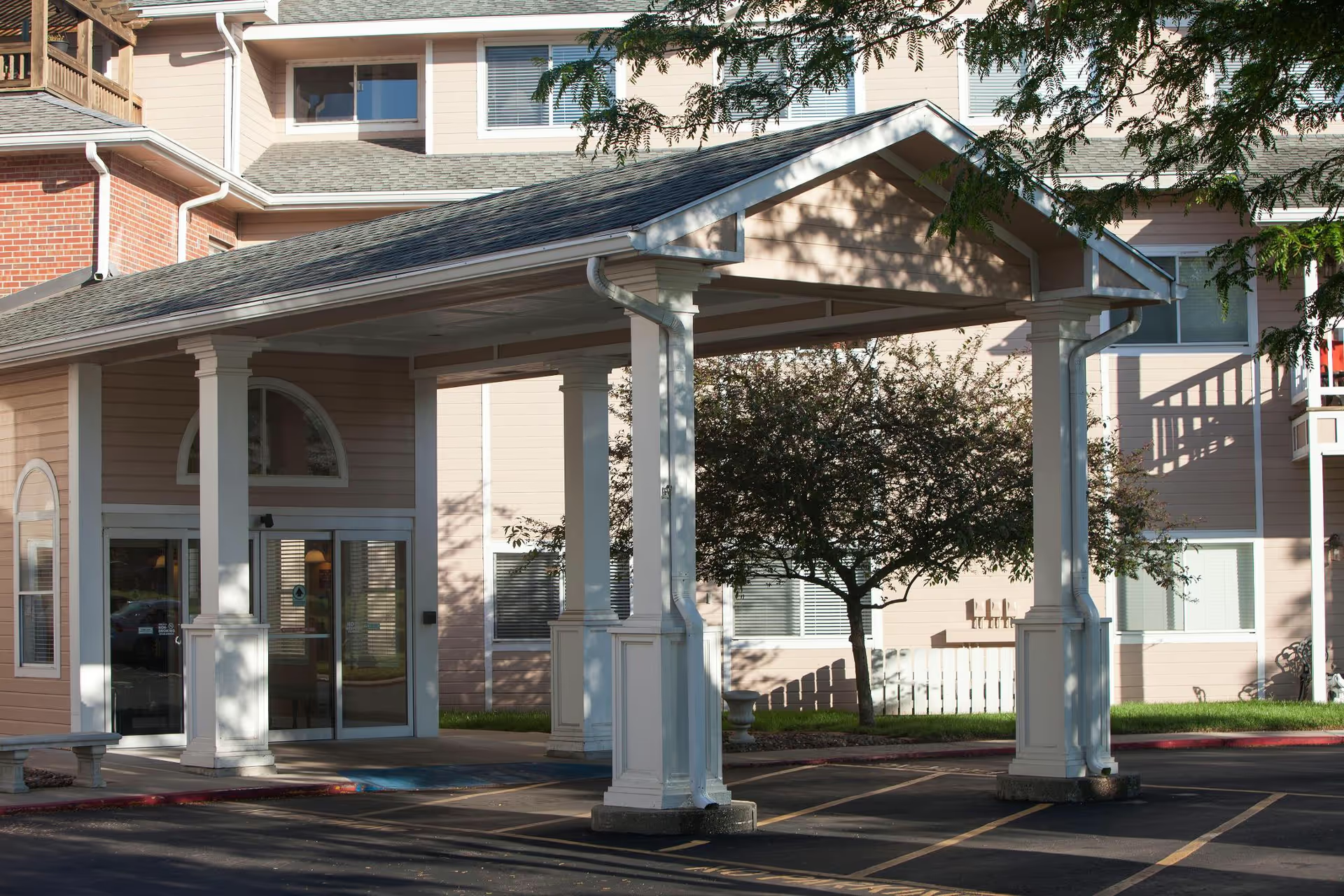
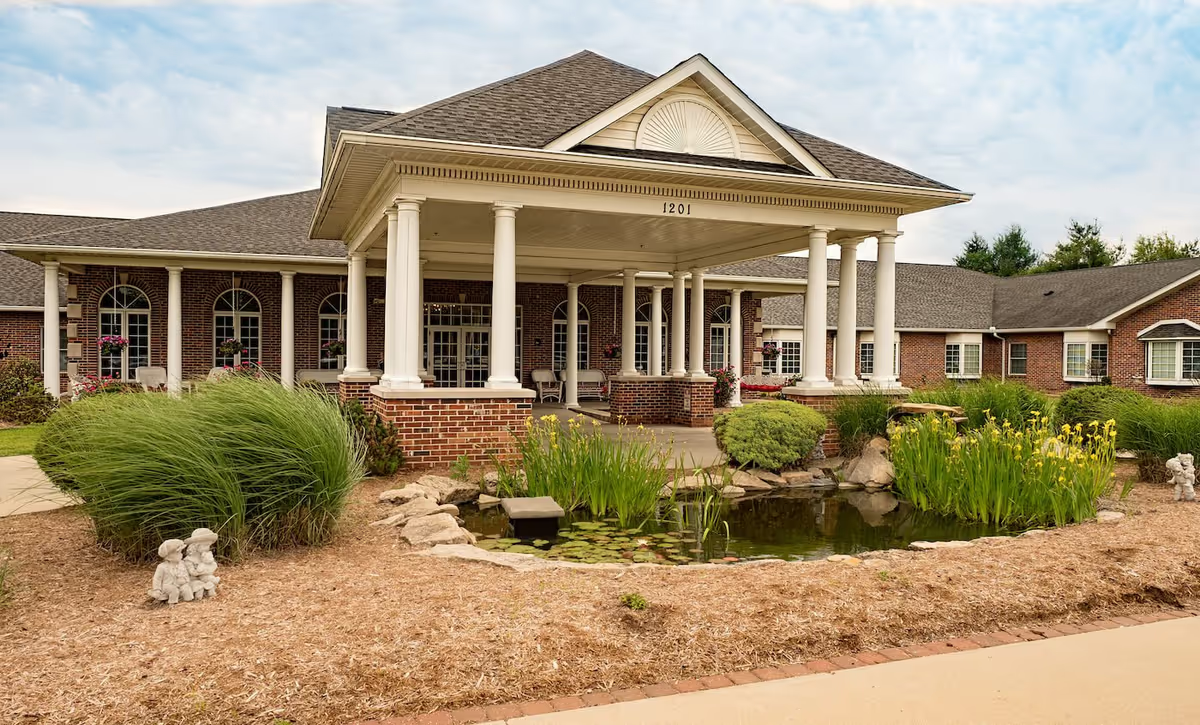
Facility amenities and environment receive mixed comments. Positive observations include large semi-private rooms, pleasant interior and exterior spaces, and an inviting dining room. At the same time, limitations in basic in-room amenities (lack of in-room phones and in-room entertainment/cable) and constrained transportation or off-site activity options affect resident engagement. Sanitation-related concerns and localized odor issues in common and resident areas are raised multiple times; these point to the need for clearer housekeeping and incontinence-care protocols. The facility does not accommodate on-site smoking, which families should factor into placement decisions when relevant.
Administrative practices and communication emerge as a key area of divergence. Some reviewers describe a responsive, helpful administrative and social-work team that facilitated admission and family involvement. Others experience poor communication, unclear coordination around visitation and logistics, and reliance on informal message delivery for news. These mixed reports suggest variability between individual staff members or shifts and indicate that families may want to verify point-of-contact procedures, escalation pathways, and how the facility communicates clinical and daily-living updates.
In summary, Independence Manor Care Center appears to offer solid hands-on nursing and rehabilitative care with strengths in staff compassion, therapeutic outcomes, and communal dining. Prospective residents and families should weigh those strengths against operational issues: verify physician rounding schedules and specialty-care arrangements, ask about staffing continuity and personal-care protocols, inspect cleaning and odor-control practices, and confirm available amenities and transportation options. Doing so will help determine whether the facility's pattern of strengths aligns with the resident's priorities and needs.