Overall impression: Reviews present a mixed but clearer pattern when clustered by topic. Many families and residents praise the frontline caregiving team for compassion and day-to-day attentiveness, and they highlight strong short-term rehab outcomes and meaningful end-of-life care. At the same time, recurring operational weaknesses — especially around staffing, medication handling, cleanliness, and communication — appear to affect the consistency of resident experience.
Care and staff: Staffed roles are frequently lauded for compassion and dedication; CNAs and nurses receive repeated positive mentions for hands-on care, emotional support, and individualized attention. However, those strengths are tempered by chronic staffing shortages and workload strain. Reviewers describe situations where fewer staff on a shift leads to delays in response to calls and stretched nursing coverage. This dynamic contributes to inconsistent care timing and can place substantial pressure on nursing staff and aides.
Clinical concerns and safety: Multiple accounts indicate inconsistent medication administration practices, including delays and at least one medication error noted. There are also concerns about oversight of psychotropic medications and the use of chemical restraints. Together with references to regulatory action, these items suggest families should ask about current medication-safety protocols, recent incident investigations, and corrective actions taken by leadership.
Dining and activities: Dining is a relative strength for many reviewers; the facility offers restaurant-style meals with variety and customization, a large dining area, and celebratory touches such as birthday snacks. A smaller set of comments describe inconsistent meal quality, indicating variability by day or unit. Activity programming is robust — daily events, one-on-one engagement, live music, outings, frequent spiritual services, and community events are consistently described as meaningful contributors to resident quality of life.
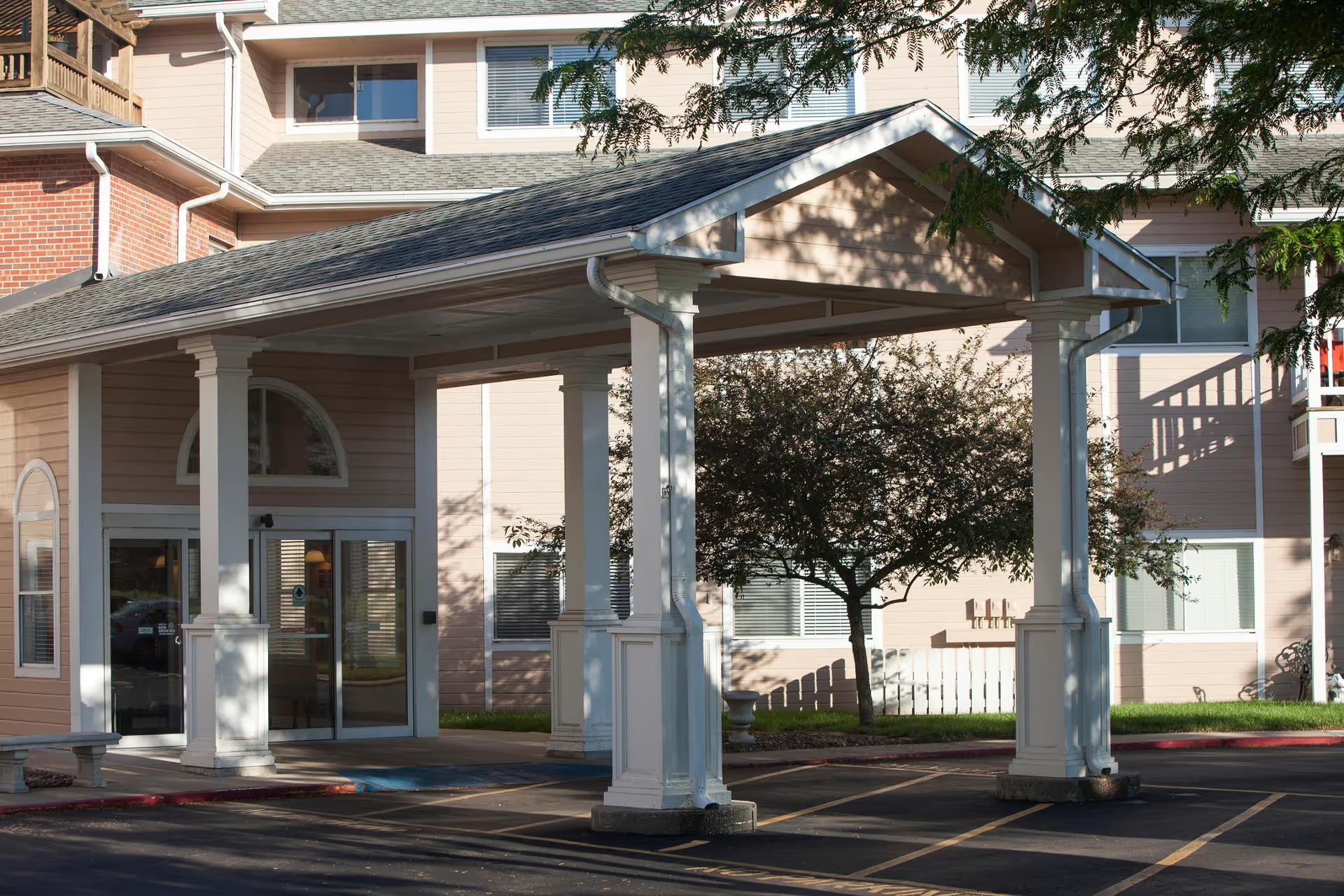
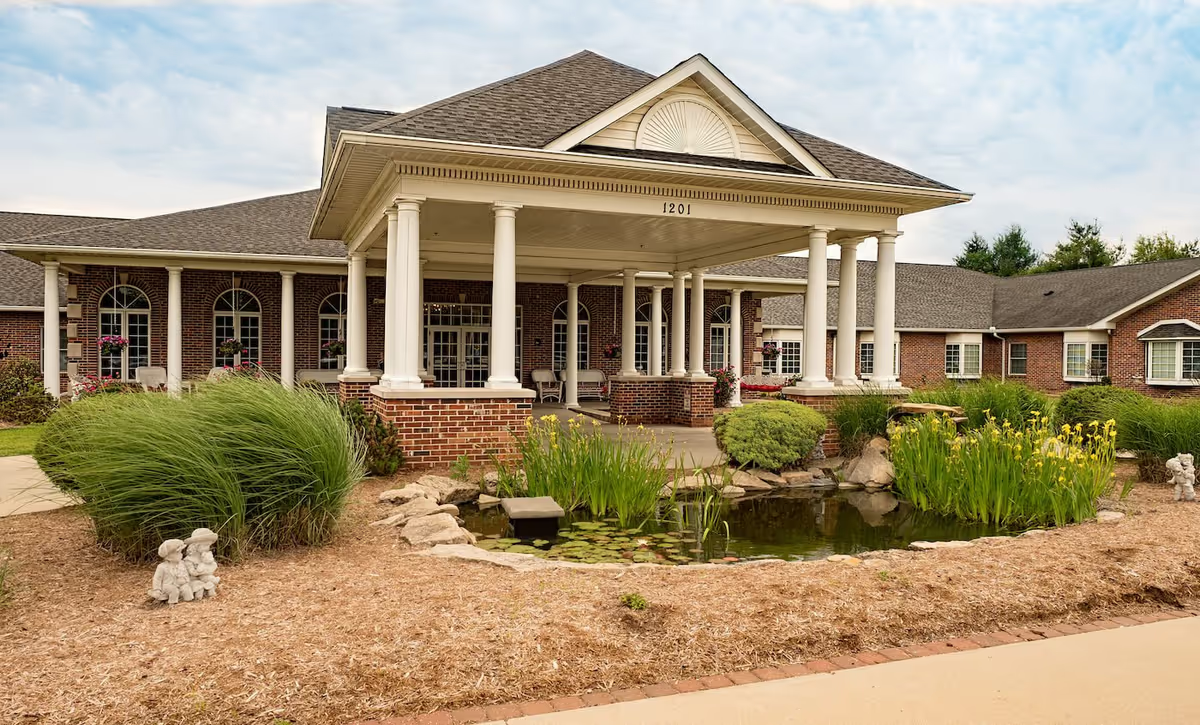
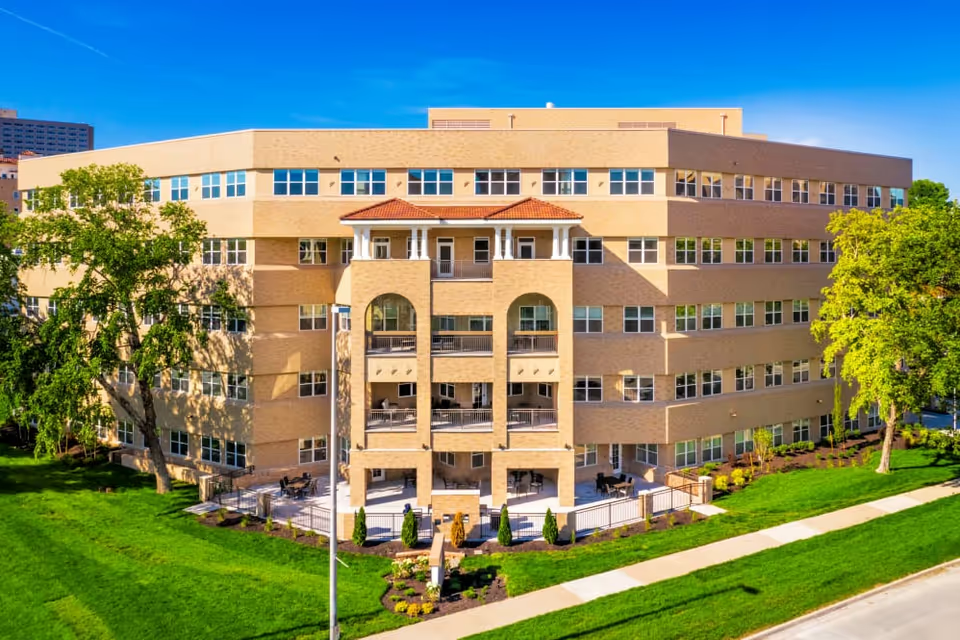
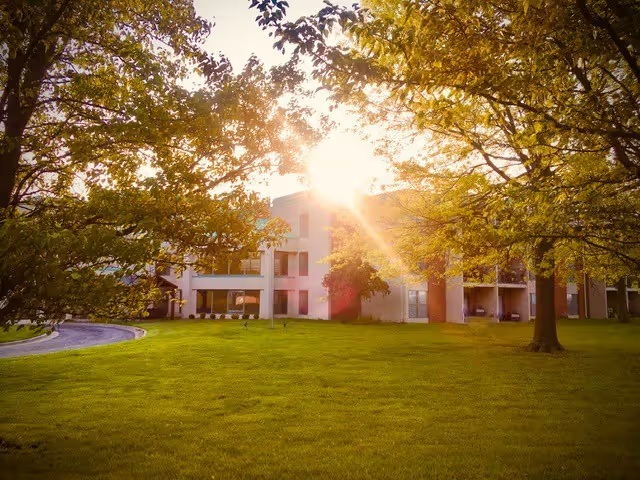
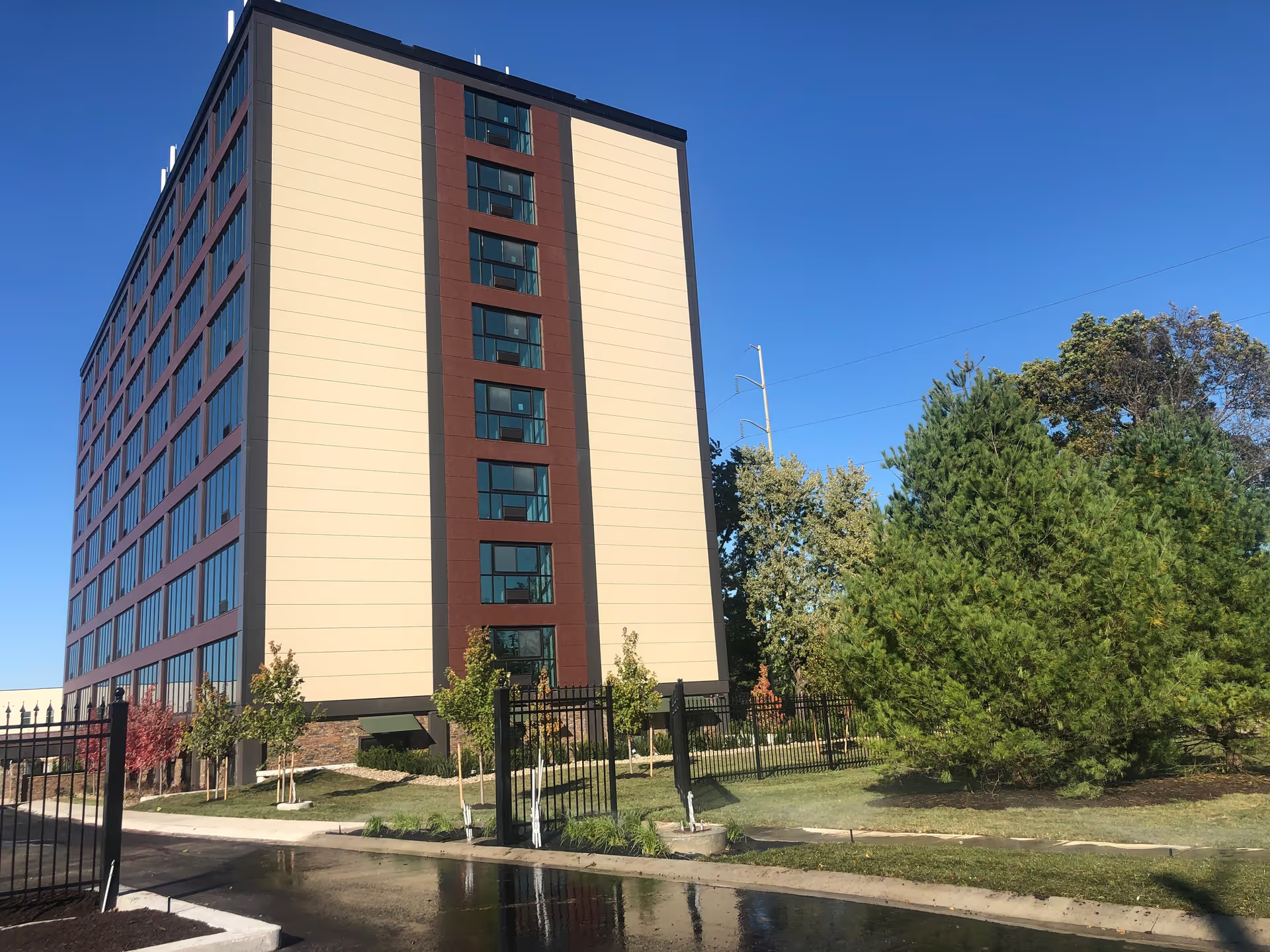
Facilities, cleanliness, and maintenance: The building is undergoing visible improvements (new paint and flooring), and families note a generally homey environment rather than luxury amenities. Persistent facility-level issues include cleanliness and sanitation concerns in some rooms and common areas, pest-control problems, temperature-control inconsistencies, and equipment or furnishing maintenance backlogs (for example, broken beds or overcrowded rooms). These operational issues affect comfort and perceived safety, and they appear uneven across units and time.
Management and quality improvement: Several comments indicate leadership change and active, proactive administration working to address shortcomings; staff morale and resident satisfaction are cited as improving under new management. Conversely, some reviews express dissatisfaction with higher-level communication and follow-up after incidents. There is a documented history of regulatory complaints referenced in reviews; prospective families should request the facility’s most recent survey results and corrective-action documentation.
Notable patterns and considerations: The dominant positive theme is strong, empathic caregiving from frontline staff; the dominant negatives are systemic — inconsistent staffing, medication- and safety-related process gaps, sanitation and pest-control issues, and uneven facility maintenance. These patterns mean experiences can vary significantly depending on unit, shift, and recent managerial interventions.
Practical recommendations for prospective families: When evaluating this facility, consider touring at meal and activity times, asking for specifics on staffing ratios and recent turnover, requesting medication-safety policies and recent survey reports, inquiring about pest-control and housekeeping schedules, and observing room temperature and cleanliness. Clarify how management communicates with families after incidents and what improvements have been implemented since the most recent complaints.