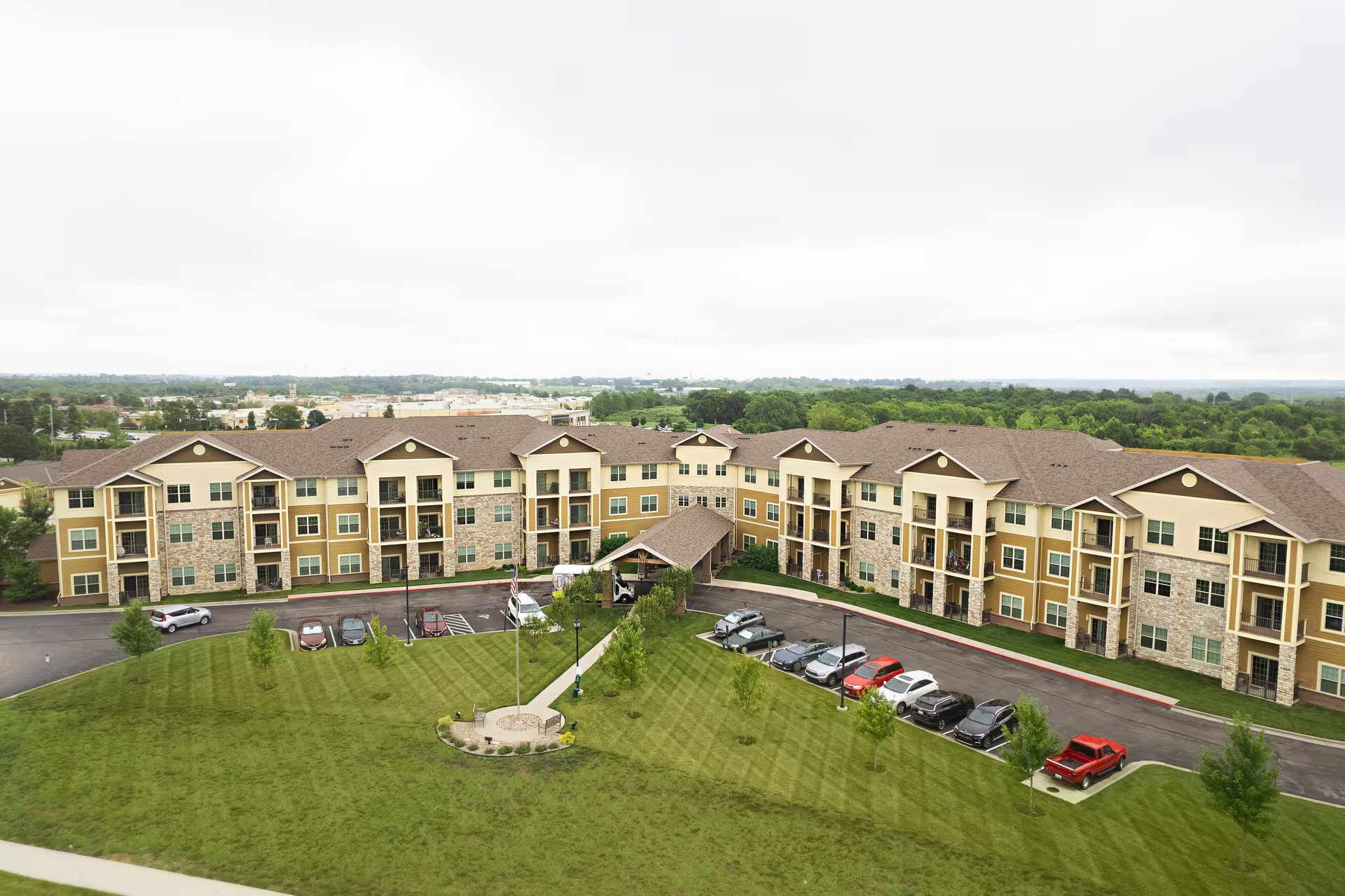
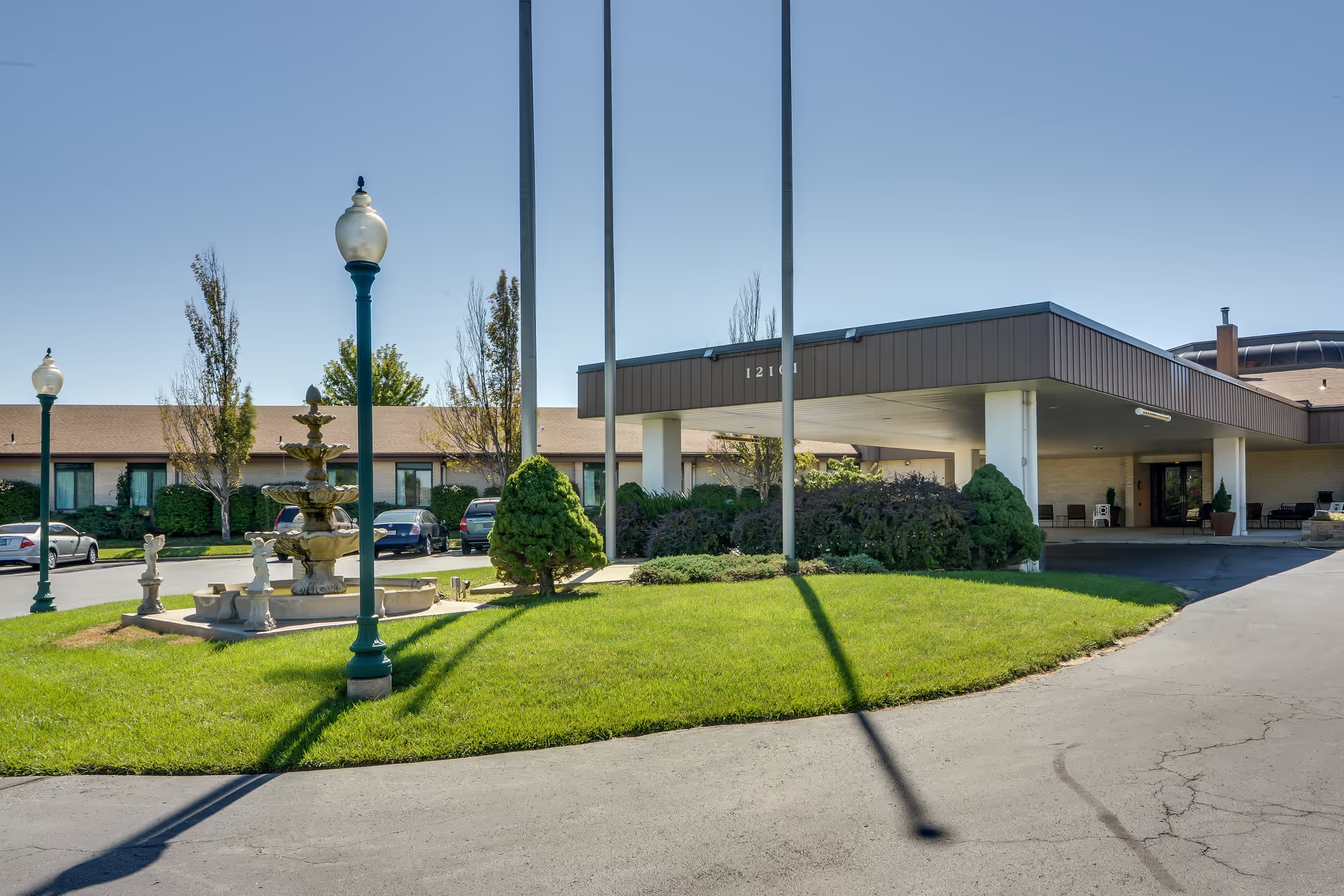
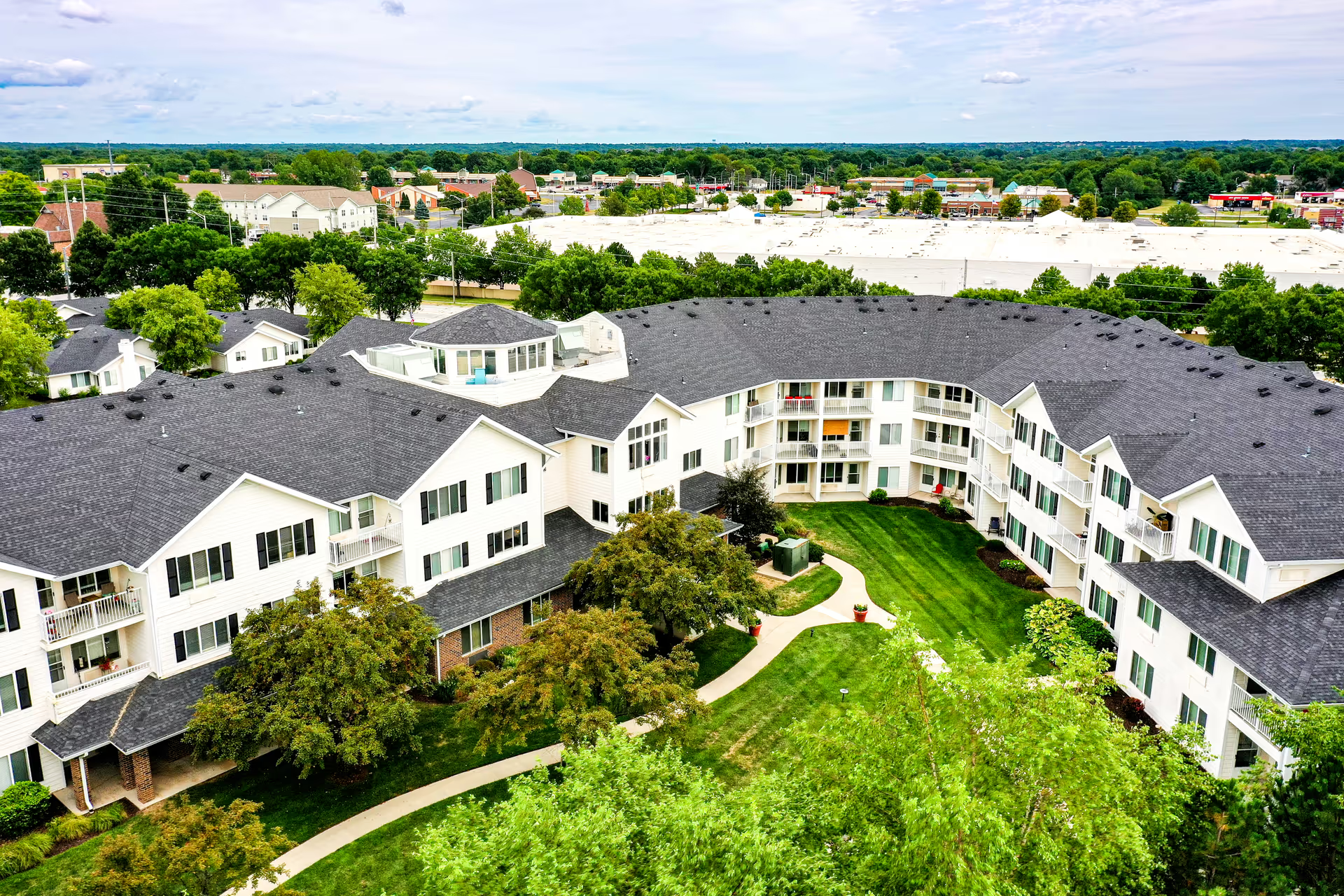
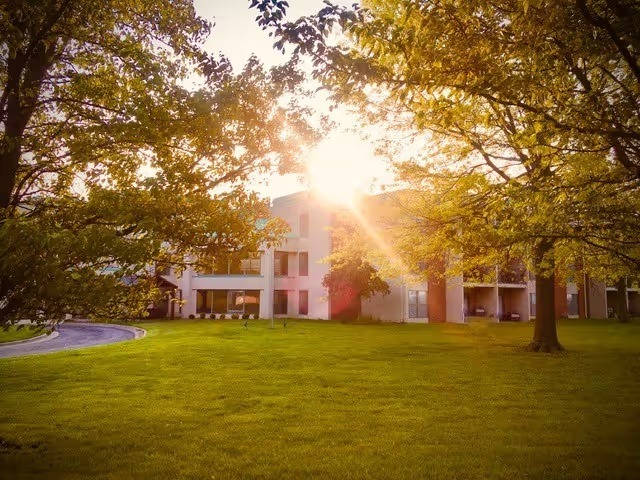
Overview The Fountains at Greenbriar presents as an established independent-living community with a broad set of lifestyle amenities and an engaged resident population. Strengths repeatedly noted include personable frontline staff, extensive daily programming, and a restaurant-style dining environment that supports social interaction. The physical campus is described as clean and well-maintained, with attractive common areas, multiple recreational spaces (theater, gym, chapel, library, salon), and practical conveniences like laundry service on floors, guest rooms, storage, and covered parking.
Care and clinical services This community is positioned primarily for independent living with optional supportive services. On-site allied healthcare, in-house therapy, and access to nursing/caregiver services are available; however, reviewers consistently indicate that the facility is not optimized for residents who require significant, high-acuity medical care. Medication support tends toward reminders rather than full dispensing in many apartments, and some families experienced difficulty obtaining specialty supplies (for example, diabetic testing supplies) through the community. Safety infrastructure — emergency pendants and 24/7 fall monitoring — is a clear positive, though there are operational concerns in a subset of reports about delayed responses and equipment reliability that families should evaluate during a tour.
Staff and community culture Staff behavior is one of the most commonly praised features: many accounts describe attentive, friendly, and compassionate caregivers and dining staff who learn residents’ names and foster a family-like atmosphere. Activity and dining staff receive particular commendation for holiday events and outings. That said, there are recurring notes about staffing instability and turnover, which some reviewers linked to slower service at peak times and occasional lapses in responsiveness. Executive- and billing-level interactions were more mixed; some families found the administrative team helpful and communicative, while others described communication gaps and cold interactions.
Dining and housekeeping Dining is a major focal point of community life. Many residents and families highlight generous portions, varied menus, and special-event meals (Thanksgiving and seasonal events often singled out). The standard model typically includes two meals with the option to purchase a third; cloth napkins and restaurant-style service are often mentioned. Contrasting opinions about food quality appear: while many praise the chef and dining staff, others describe inconsistent meal quality and slow service at mealtimes — an operational issue commonly tied to staffing levels. Housekeeping and linen services are generally included on a biweekly basis and are viewed positively.
Facilities and apartments Units range from studios to two-bedrooms and often include kitchenettes, walk-in showers, and storage options. Common areas and grounds are typically described as attractive and well-kept. At the same time, several operational traits merit attention: many apartment footprints are characterized as compact with narrow doorways that can limit furniture placement and maneuvering for mobility devices; some décor and building systems are described as dated in parts of the facility, though renovations are ongoing. A small number of reports raise pest-control concerns that prospective residents should verify. Covered parking and basement storage are available but may carry additional fees.
Management, fees and notable operational patterns A consistent theme is the need for clarity around fees and administrative policies. Ancillary charges (per-service fees, parking, medication prep, extra transportation, etc.) and annual rent increases have prompted affordability concerns among fixed-income residents. There are also a few serious administrative complaints — including billing errors and an isolated allegation of financial mishandling after move-out — that suggest families should review contracts, move-out policies, and recent billing practices closely. Communication quality varies between frontline staff (generally strong) and executive/office-level interactions (mixed), and staffing continuity has operational consequences for meal service and some care tasks.
Who this fits best The community appears well suited to independent older adults seeking a socially active, amenity-rich environment with reliable baseline supports and periodic therapy or nursing access. Prospective residents who prioritize robust social programming, regular housekeeping, and on-site leisure options are likely to find the Fountains appealing. Families seeking a community for someone with substantial medical or assisted-living needs should carefully assess the scope and responsiveness of clinical services, medication management options, and staffing patterns during an in-person visit. Prospective residents should also obtain clear, written details about ancillary fees, elevator safety and maintenance records, pest-control measures, and the community’s protocol for clinical emergencies and billing disputes.