Benton House of Tiffany Springs elicits strongly mixed but specific impressions. Many families praise the facility’s compassionate, family-oriented staff and describe a clean, well-maintained community with a newer, home-like environment and small resident population. Reviewers consistently highlight strengths in social programming — including memory exercises, bingo, Zumba, musical and spiritual events, therapy-dog visits, and frequent entertainment — and note that the activity program supports socialization and engagement for residents. Memory care is frequently identified as a strength: staff and administrators are credited with dementia-care expertise, individualized attention, and family-inclusive assessment practices.
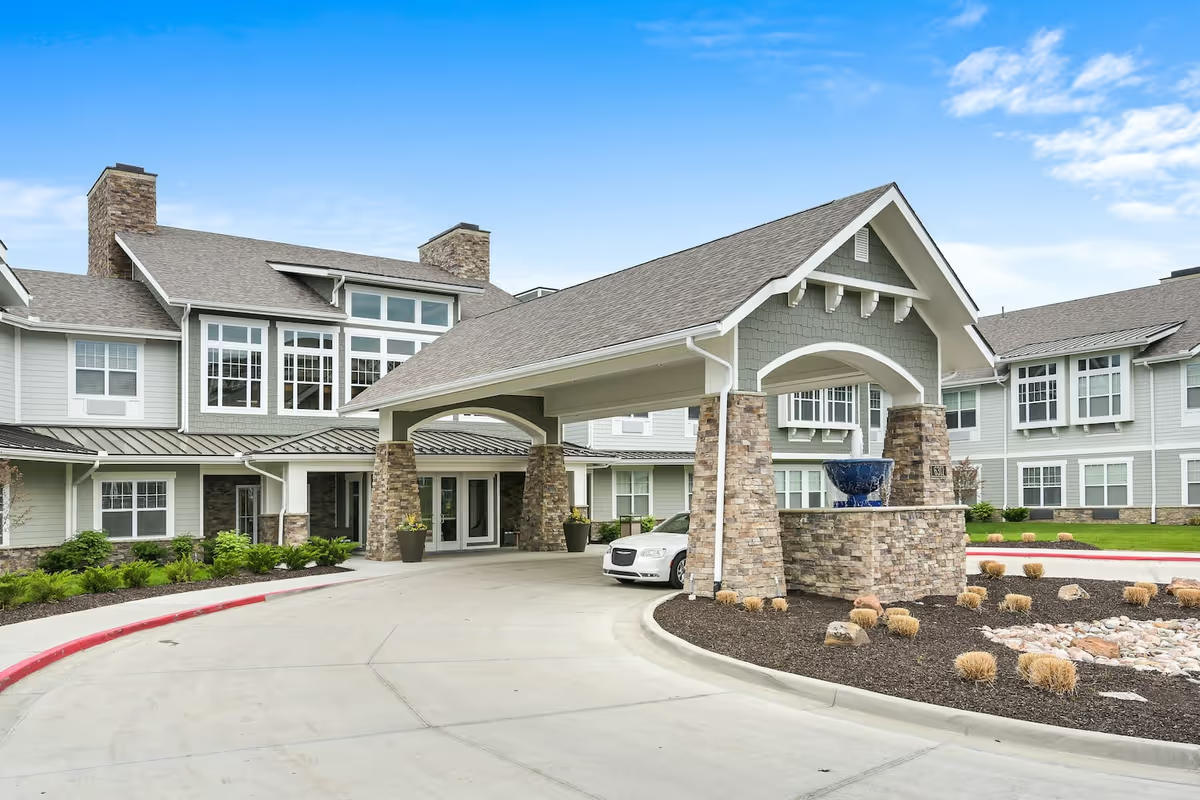
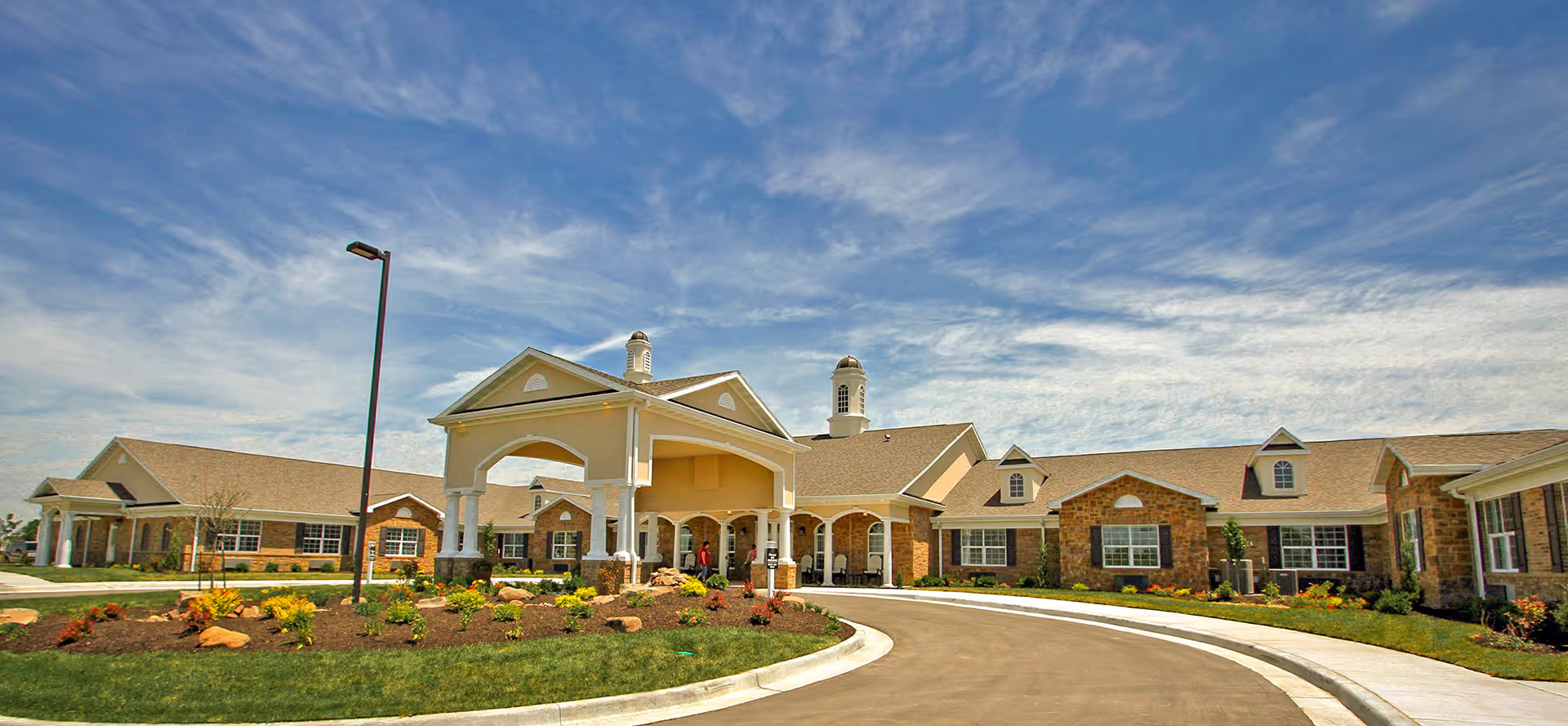
Dining and daily living receive frequent positive remarks: several families describe fresh, well-prepared meals and varied weekly menus, and many reviewers say residents are encouraged to participate in dining and activities. Nursing and aide staff earn praise for routine responsiveness, care transitions, insurance coordination, and end-of-life support when delivered compassionately. The facility’s small scale and newer construction are also cited as contributors to a comfortable, intimate atmosphere and good grounds/amenities.
Counterbalancing these positives are recurring operational concerns. Staffing levels and employee morale are described as inconsistent; reviewers report periods when staff appear overworked, which correlates with longer wait times for assistance and variability in service delivery. A critical pattern raised by families involves gaps in clinical-incident response and communication: at least one serious individual allegation about delayed emergency care and delayed family notification underscores the importance of confirming the facility’s protocols for urgent events, on-call nursing coverage, and family alerts. Relatedly, reviewers cite instances of delayed medication administration and end-of-life memory-care coordination that suggest variability in clinical oversight.
Housekeeping and consistency of service also show variability: while many reviewers describe a clean environment, others report declines in housekeeping, delays in room servicing, or sanitation concerns at times. Food quality is often praised but described as inconsistent across time or by shift by some families. Additional operational issues include uneven activity scheduling (planned events not always followed), occasional limitations in transportation or specialist service coordination (for example, dialysis transport), unclear fee disclosures or add-on charges, and examples of leadership turnover that families felt affected continuity.
For prospective residents and families: the facility demonstrates clear strengths in compassionate caregiving, memory-care programming, social activities, and an attractive, small-community environment. Before deciding, families should visit and ask targeted questions about staffing ratios, on-shift clinical coverage and emergency-response protocols, medication-administration audits, housekeeping schedules, dementia-care training, transportation availability for specific clinical needs, and written fee/charge disclosures. Those steps will help reconcile the positive day-to-day experiences many describe with the operational inconsistencies some families experienced.