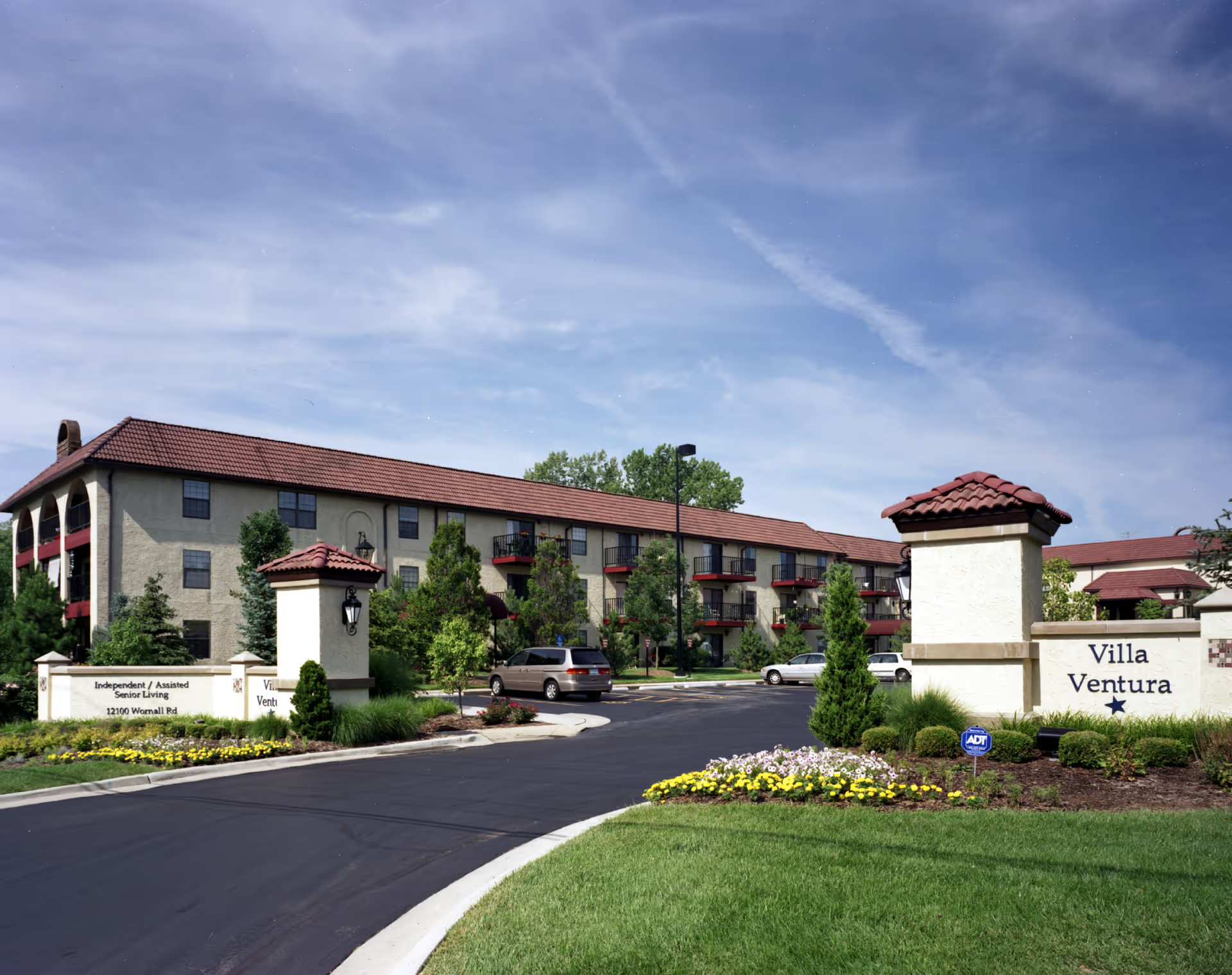
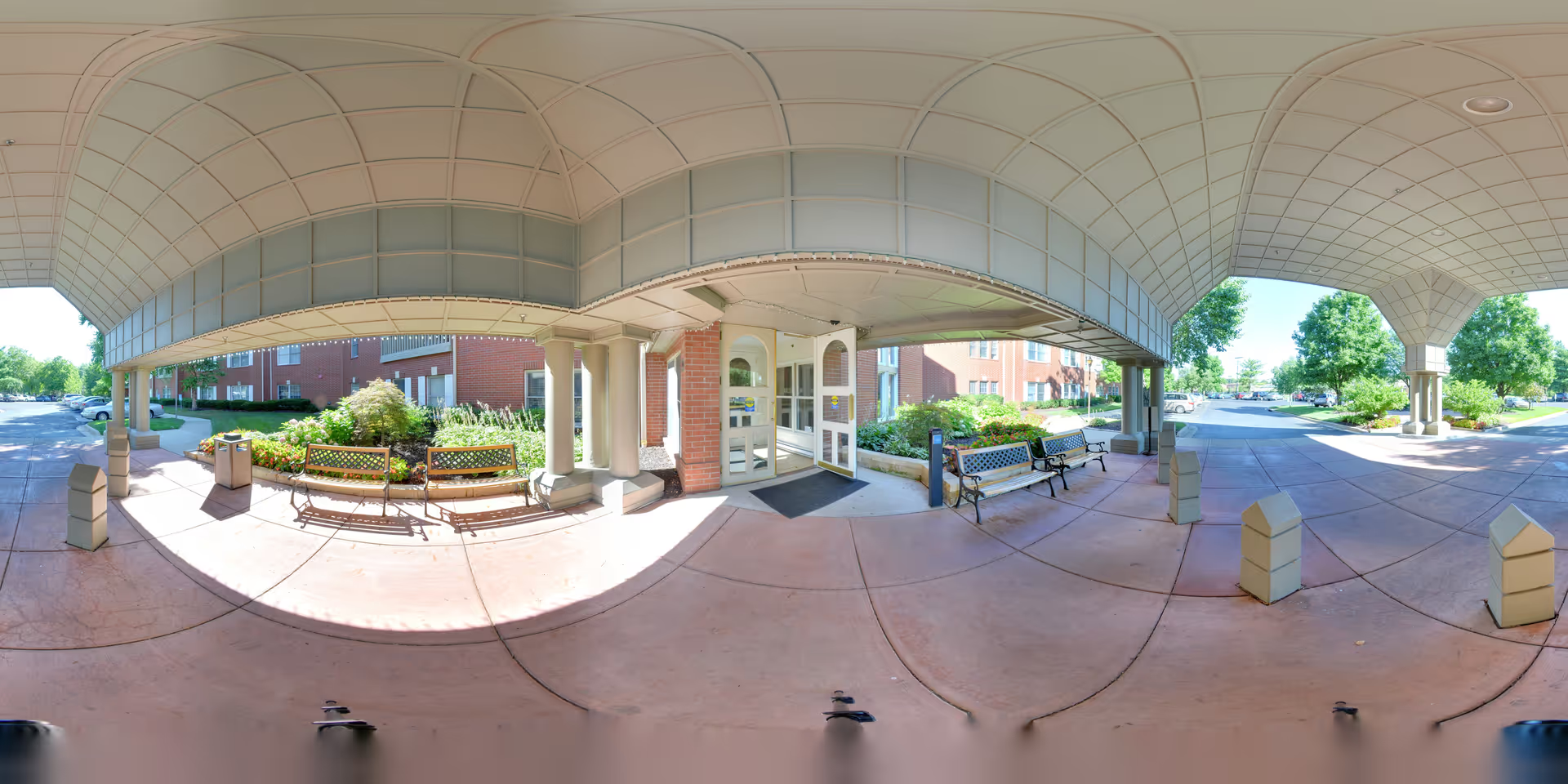
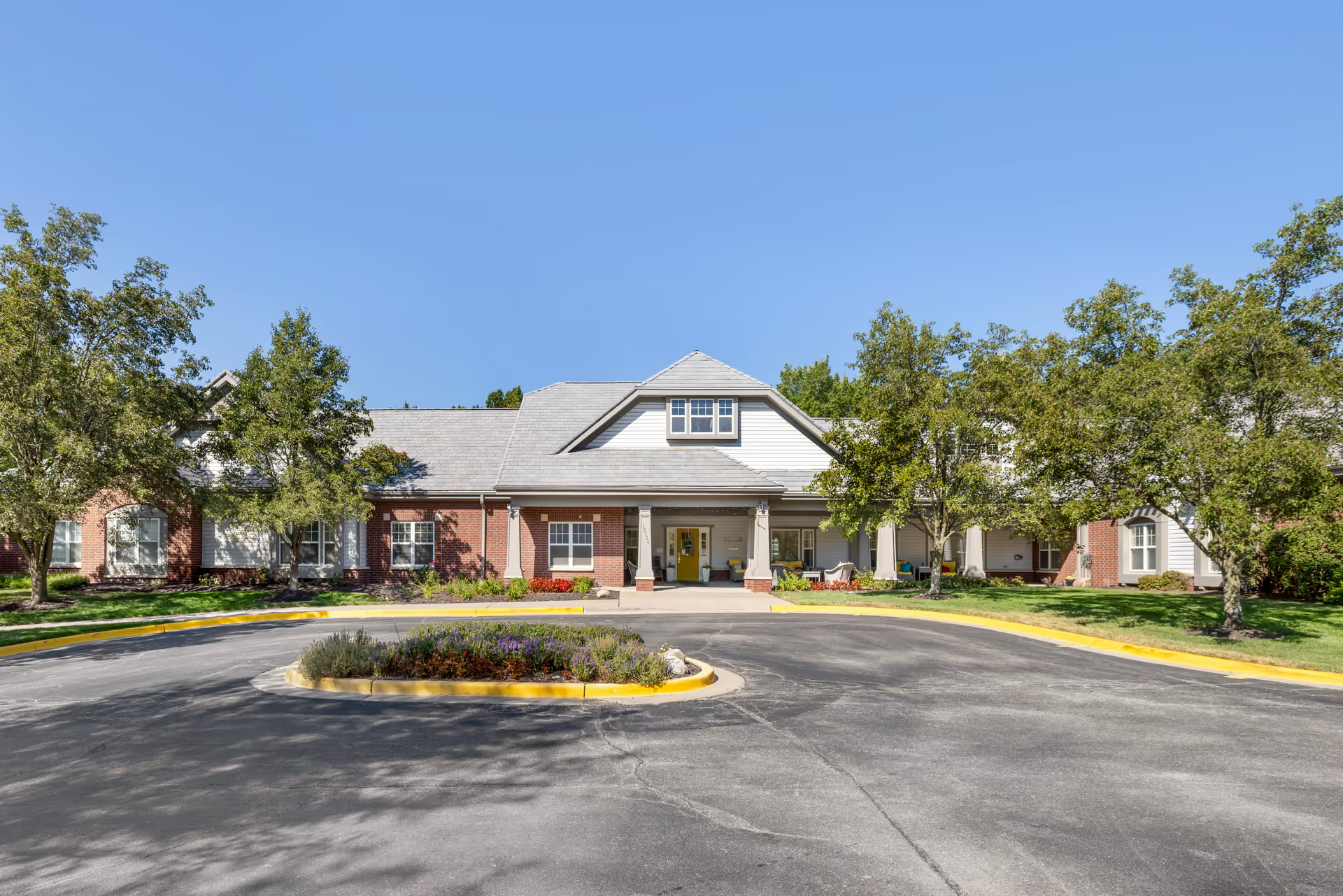
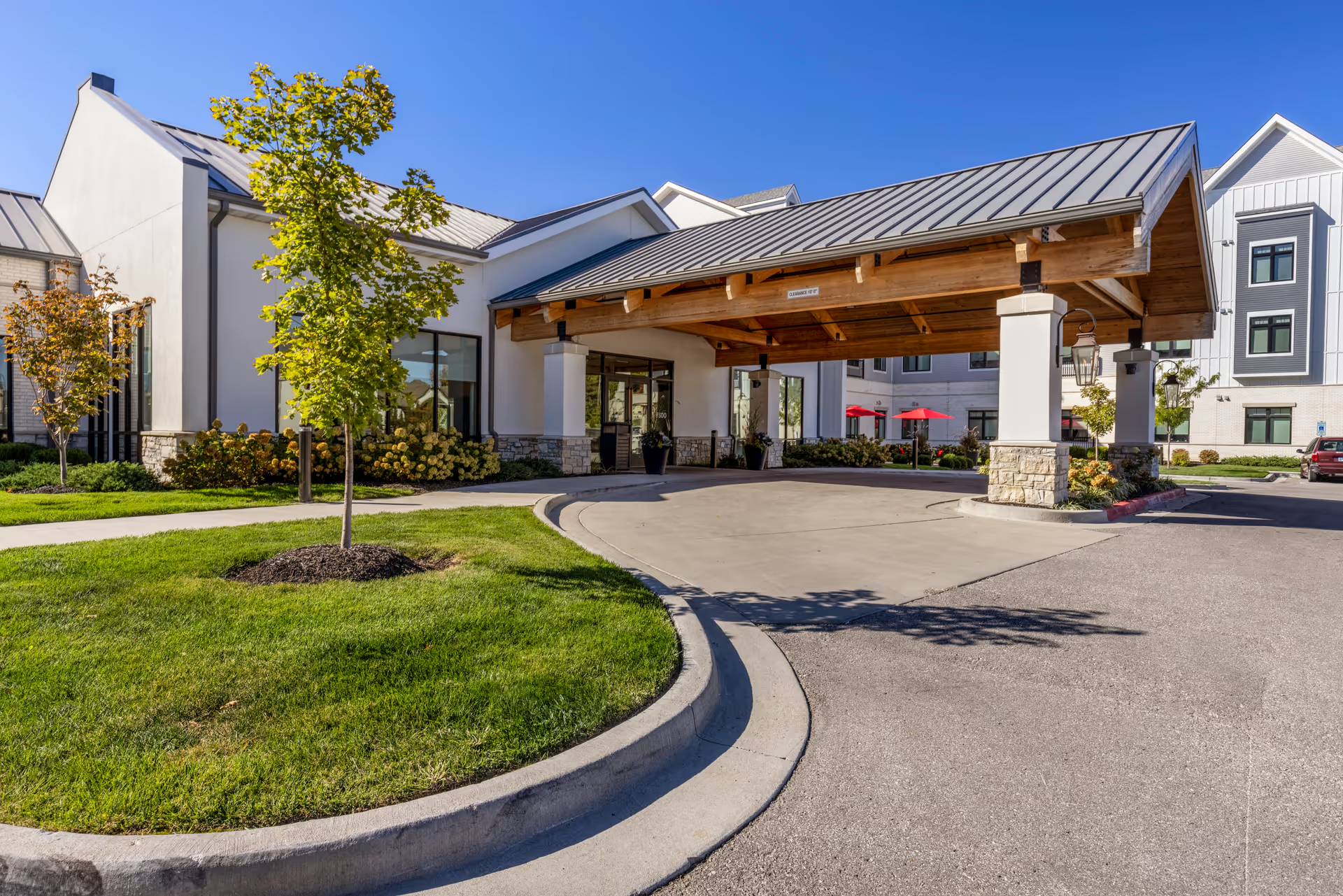
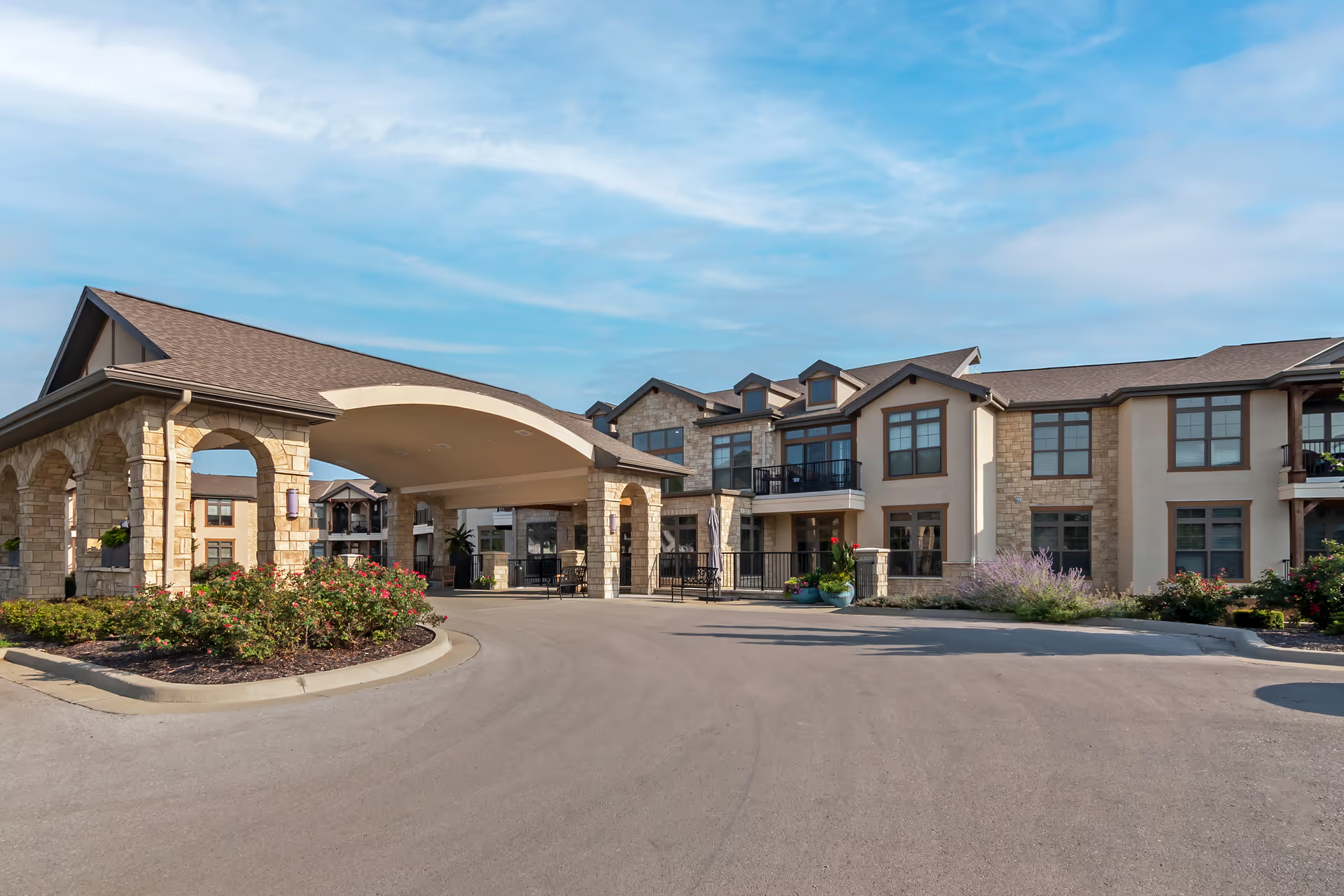
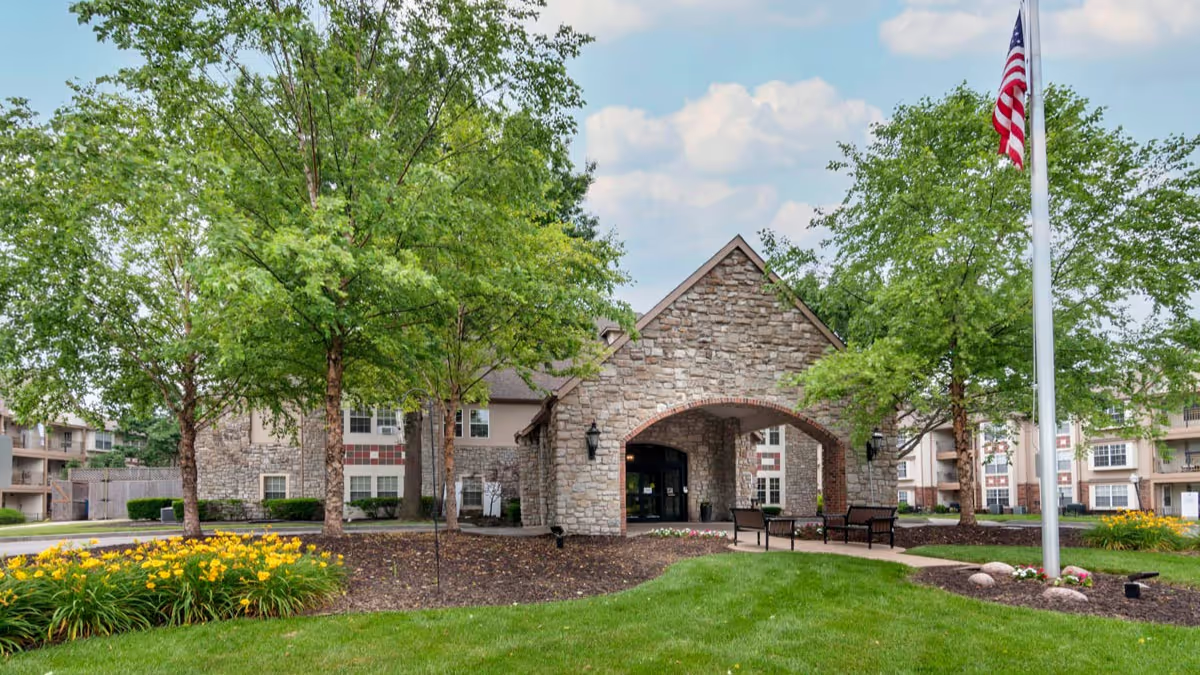
Brookdale Wornall Place is described by reviewers as a large, activity-focused senior living community with many of the amenities prospective residents expect: an on-site therapy program, indoor pool and aquatic classes, fitness offerings, arts and crafts, regular social events, chapel services, scheduled transportation, and multiple common spaces such as a pub, library, movie room, and salon. Many residents and families praised day-to-day caregiving staff for being personable, attentive, and proactive; housekeeping and maintenance responsiveness receive frequent positive mention for routine needs. Apartment options range from studios to one-bedrooms and include patios or balconies in some units, underground parking, and proximity to a hospital that some families view as an asset.
Dining and care quality are polarizing themes. Several reviewers describe positive meal experiences and reliable basic care; others describe inconsistent meal quality, frequent menu or preparation problems, and delivery errors that have affected appetite and well-being for certain residents. On the care side, frontline staff often receive high marks for compassion and responsiveness, while recurring comments also highlight understaffing, turnover, and slower-than-expected call-response times. There are repeated references to gaps in clinical-incident handling and family communication following adverse events, and a few serious allegations (including medication errors and property-security incidents) that raise concerns about medication-management and personal-property safeguards.
Facility condition and operations show a mixed picture. Many reviewers compliment the modern, well-appointed common areas and the breadth of on-site resources, but others cite visible wear in some apartments (peeling vinyl flooring, cabinet/fixture deterioration), cleanliness issues in corners or individual units, and pest-control concerns in isolated cases. Elevator reliability and the community’s layout are frequent operational pain points: reviewers note uneven elevator availability, long walks between units and dining, and mobility-route constraints such as narrow corridors and steps that complicate use for some residents.
Management and value perceptions vary. Positive experiences reference helpful move-in coordination, attentive mid-level staff, and an active resident culture. Negative feedback centers on executive-level communication, perceived budget-driven delays in repairs and replacements, inconsistent enforcement of security protocols, and a sense that price increases have outpaced unit size or service improvements. Prospective families should weigh the strong day-to-day care culture and plentiful programming against reported operational weaknesses — particularly dining consistency, staffing stability, maintenance timelines, and specific safety/medication-management concerns — and should seek direct clarification from leadership about staffing ratios, incident protocols, and planned capital improvements during tours and decision meetings.