The reviews present a mixed picture of clinical care and operations at this facility. Many families praised individual caregivers and departmental leaders, and several reviewers described a welcoming admissions experience, helpful transportation staff, and improved teamwork under new management. At the same time, persistent operational weaknesses emerge across multiple reviews that affect daily living, clinical reliability, and family confidence.
Care quality appears inconsistent. Positive accounts emphasize compassionate direct-care staff and strong nursing leadership in some areas, but numerous accounts highlight delays in medication and analgesic delivery, inconsistent documentation of medication administration, concerns about personal-care frequency, and variable oversight of therapy programs. There are also references to falls with injury and delays in timely assistance, indicating gaps in response and transfer-safety practices that require attention.
Staff and communication are polarizing. Several reviewers singled out specific staff and leaders for praise, and some visitors experienced warm, professional interactions. Conversely, many accounts describe variability in staff competence, unhelpful or abrupt communication tone, and situations where staff adherence to protective practices and protocols was questioned. These patterns appear to correlate with reported staffing shortages and inconsistent training.
Dining, activities, and daily services show room for improvement. Meal quality and meal-service consistency were noted as areas of dissatisfaction by multiple families. Laundry management and personal-belongings handling were identified as unreliable in some cases. Activity programming was not frequently referenced, suggesting it is not a dominant factor in reviewers' assessments; where programming was mentioned, impressions were neutral to positive.
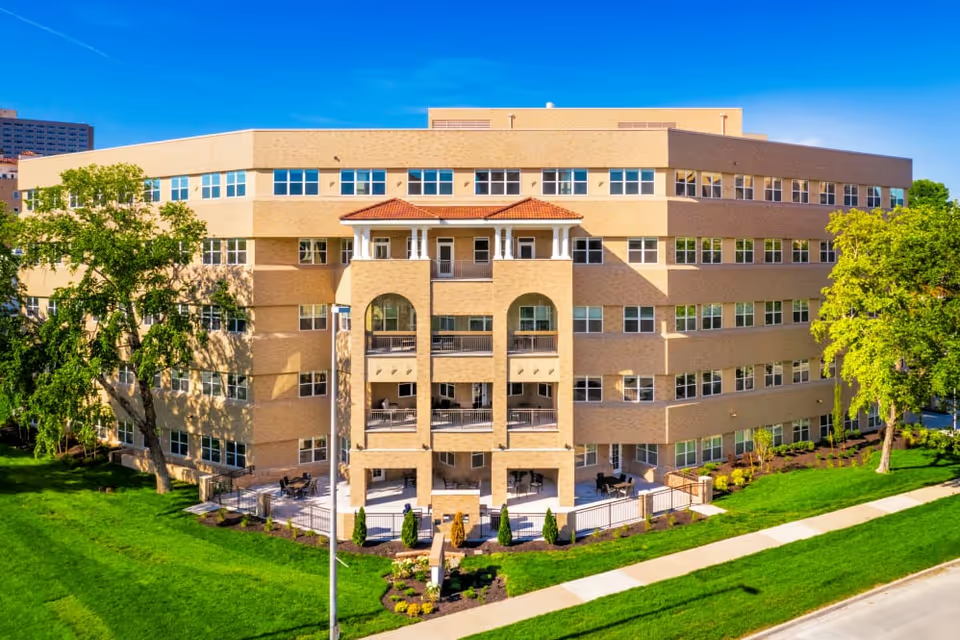
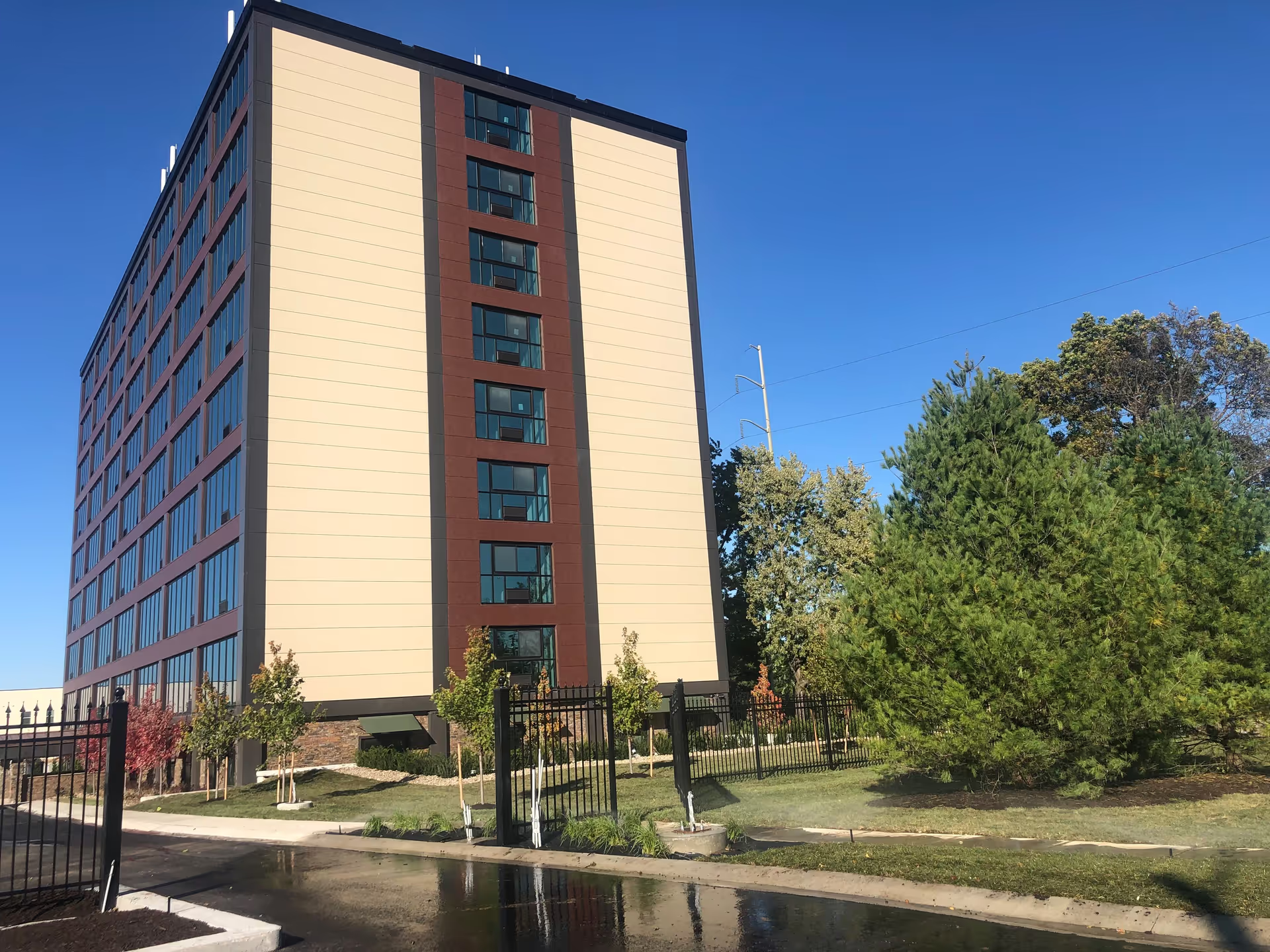
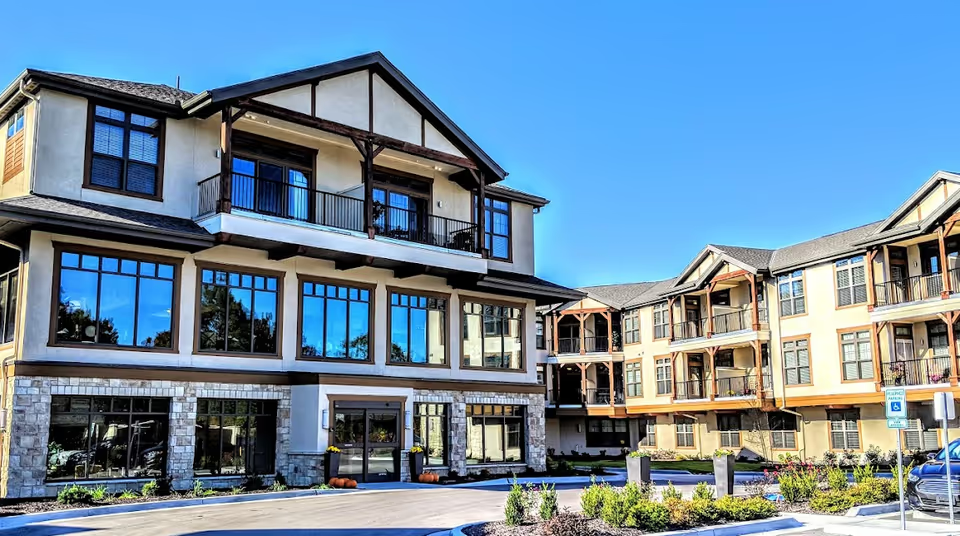
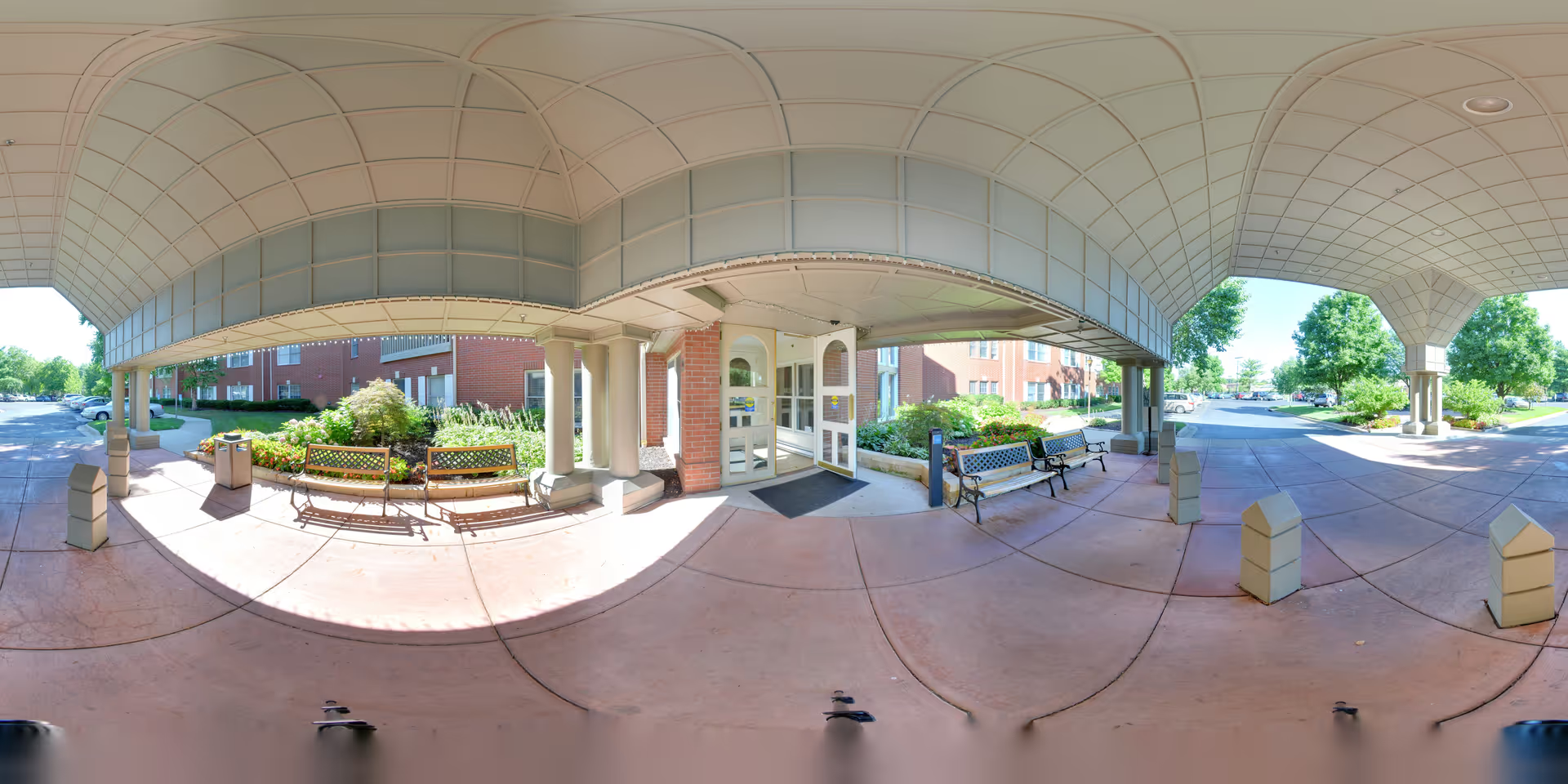
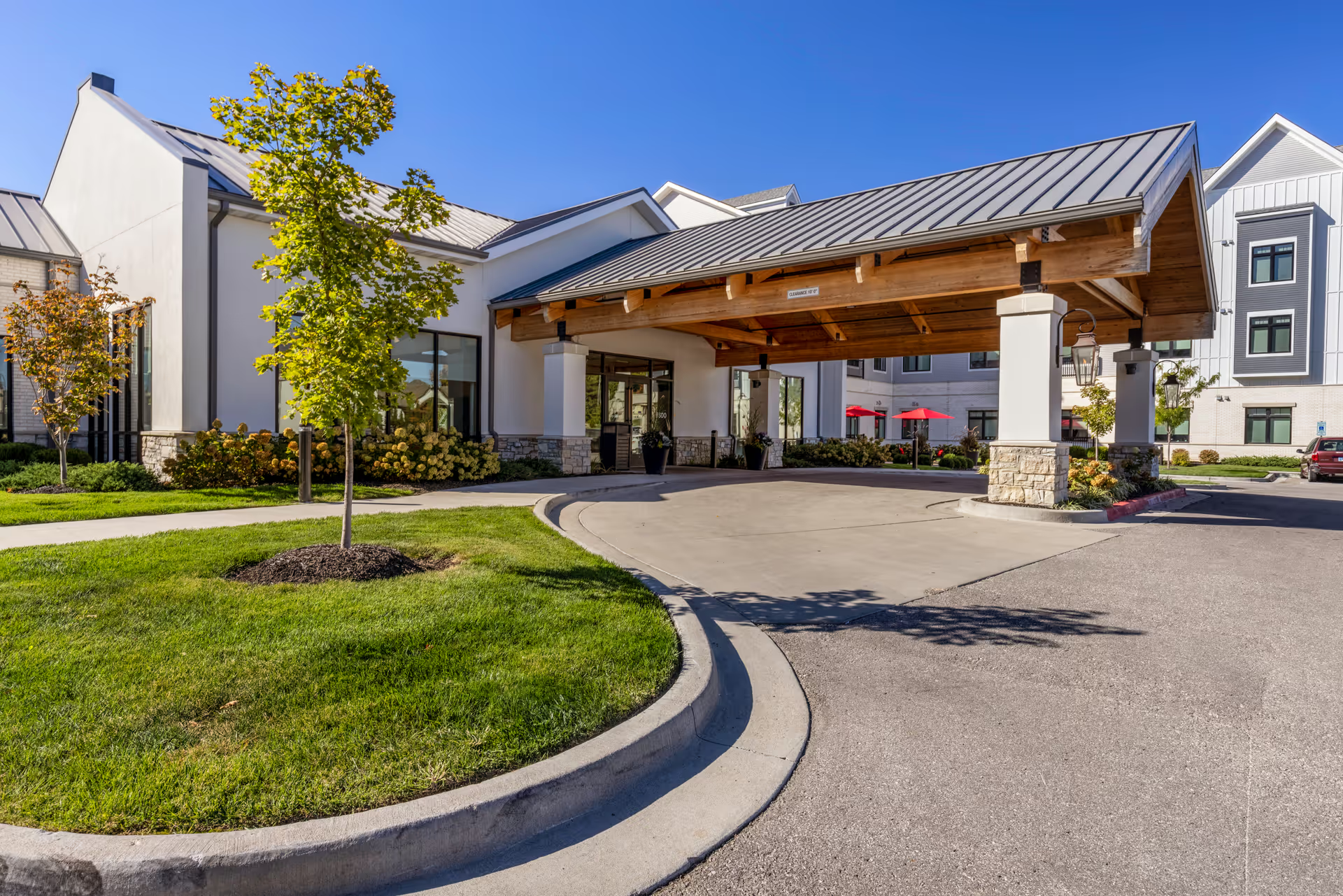
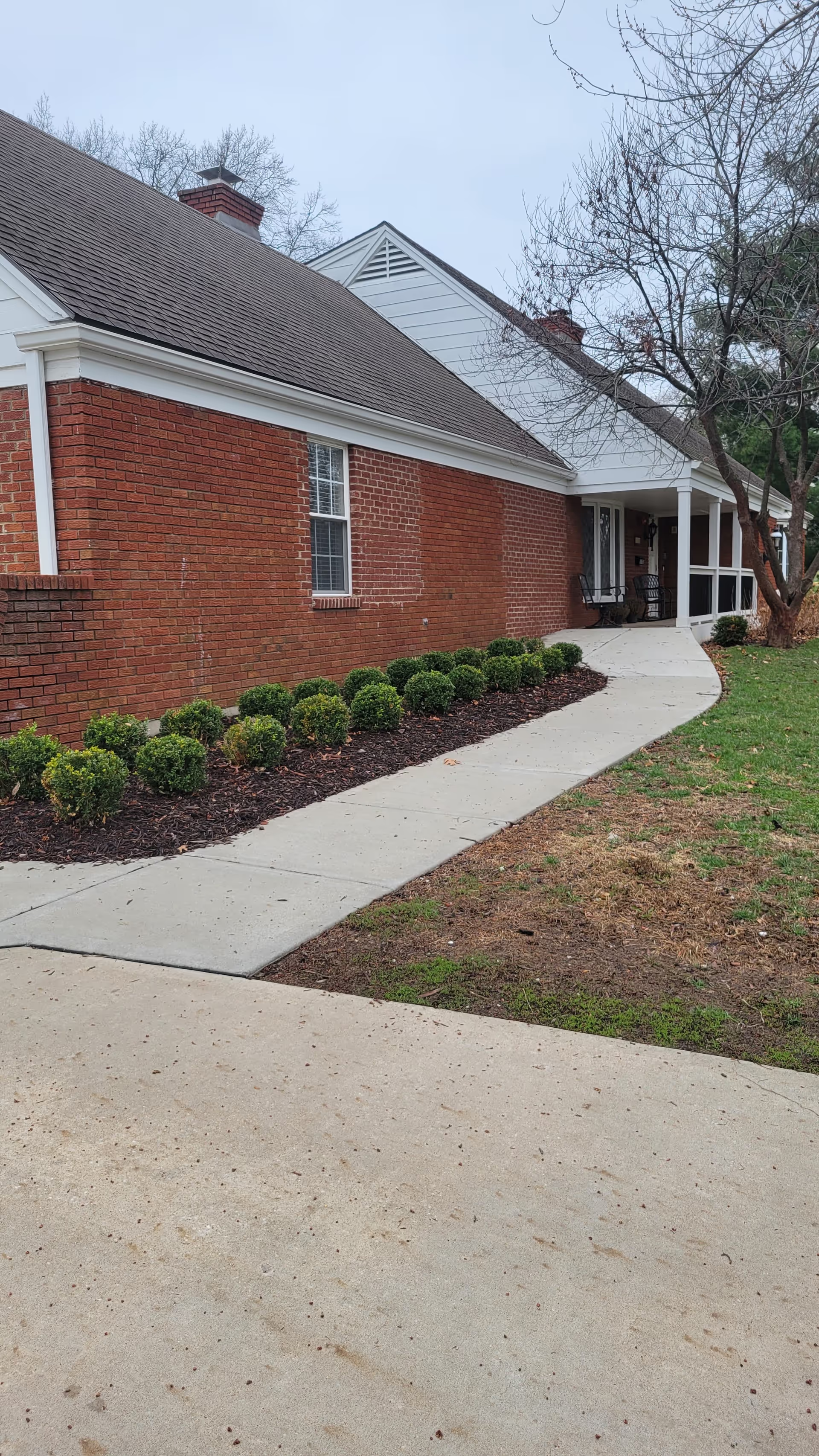
Facility condition and maintenance concerns recur. Reviewers reported sanitation and odor concerns in resident rooms and common areas, pest-control issues, aging or rusty furnishings, ceiling leaks, and delays in equipment repair. These maintenance and housekeeping shortfalls contribute to a perception of poor environmental quality even when some visits were described as clean and orderly.
Management and system-level patterns are mixed but show signs of change. Several reviewers noted new ownership and leadership with a stated focus on improvement; others described repeated administrative frustrations, delayed complaint resolution, and instances that led to regulatory complaints and police involvement. A few accounts referenced concerns following a resident's death. Overall, the pattern suggests active operational problems alongside localized strengths and some emerging corrective efforts.
For prospective residents and families: weigh the documented strengths in staff relationships and leadership against recurring operational issues—particularly cleanliness/sanitation, medication reliability, response times, laundry and maintenance. If considering this facility, ask for specific evidence of corrective actions (staffing ratios and training, medication-administration audits, pest-control records, maintenance schedules, and incident-response protocols) and seek opportunities to meet key clinical leaders and observe routines during different shifts before deciding.