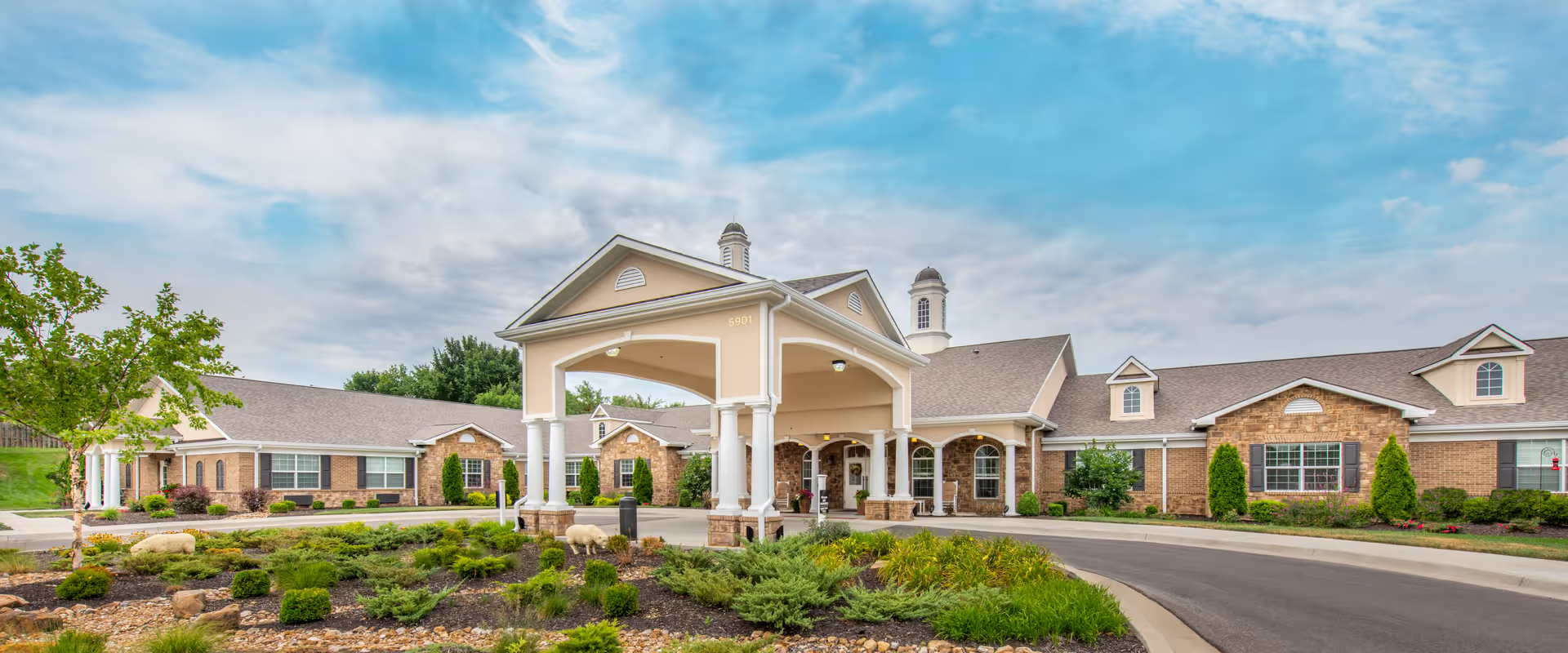
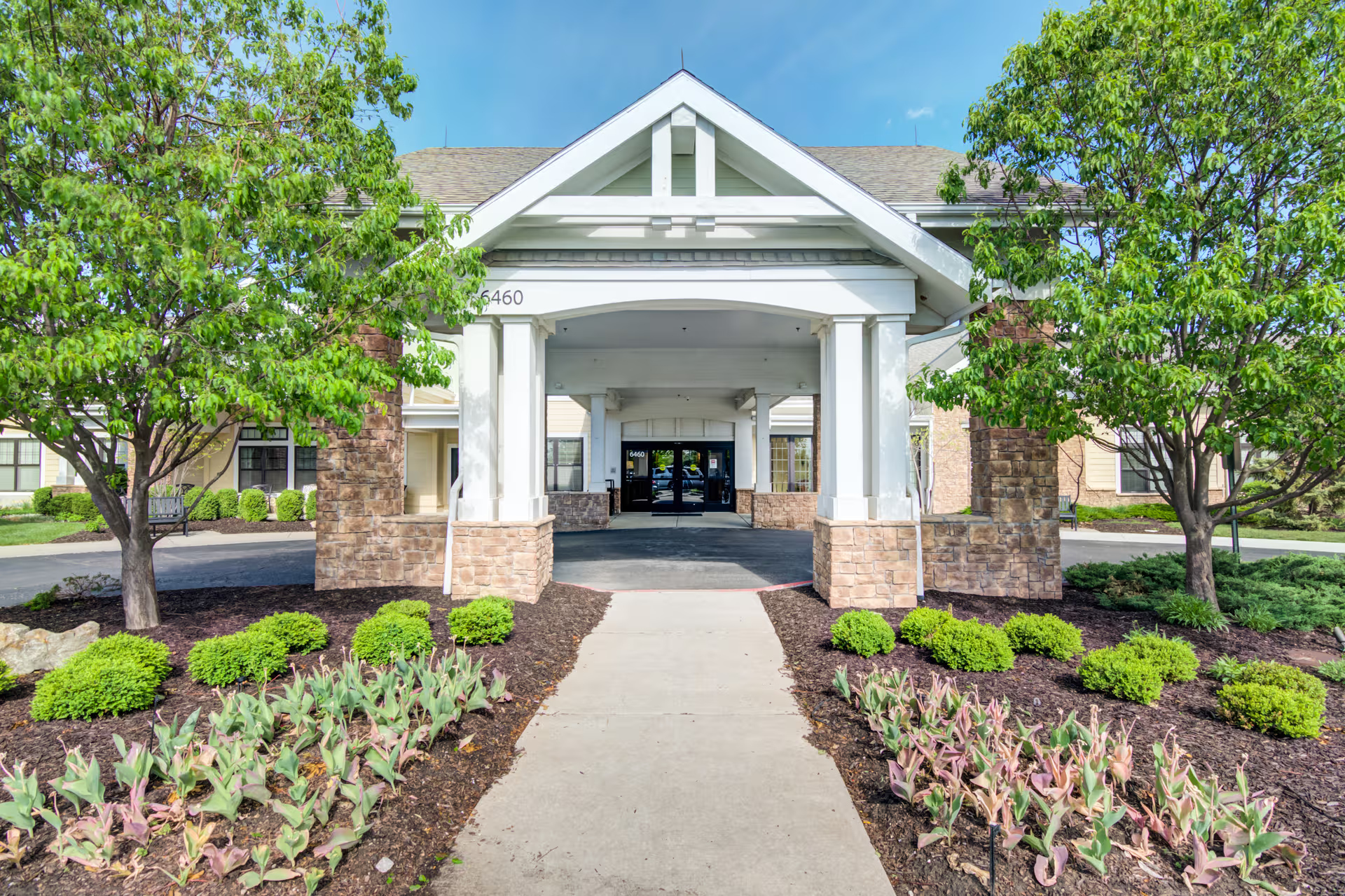
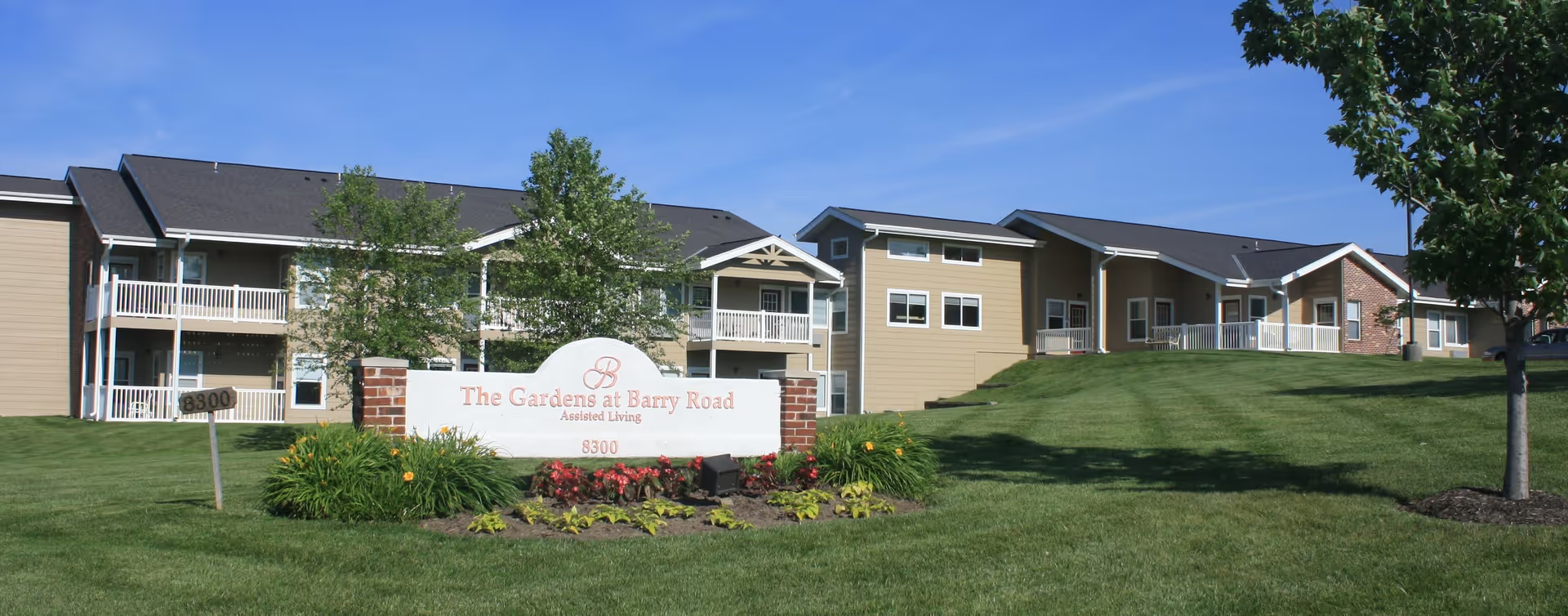
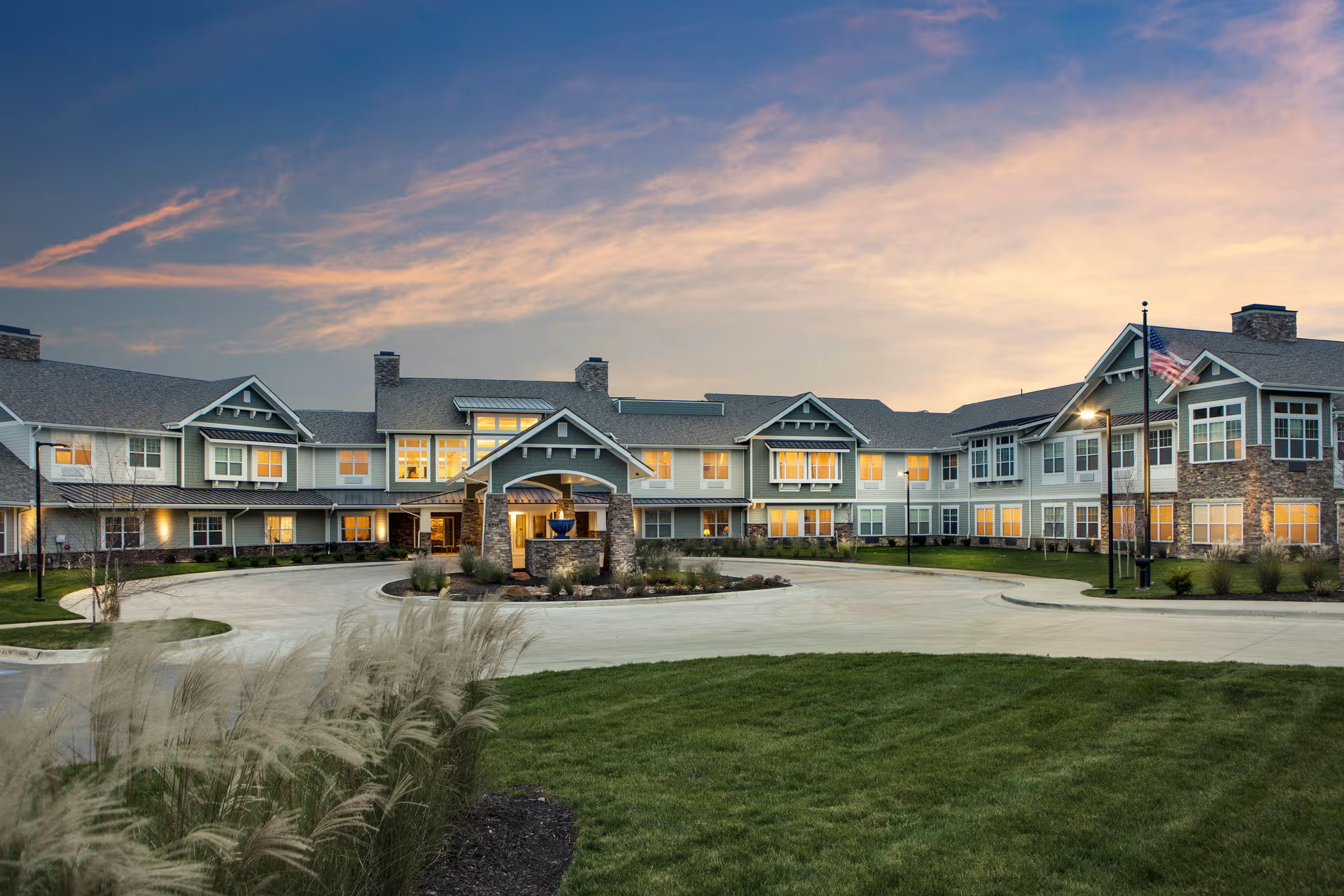
Primrose Retirement Community of Kansas City presents as a modern, amenity-rich senior living option with several strengths and a few operational inconsistencies prospective residents and families should weigh. The community is repeatedly described as attractive and well-appointed: large, varied floor plans (from studios to two-bedroom units), fresh finishes such as new carpets and paint, accessible design elements (wide doors and a clean elevator), and a cluster of on-site amenities including a salon, movie theater, pub, fitness room, patios, and scheduled transportation. Its location close to medical providers, restaurants, and shopping is also noted consistently as a convenience for residents and visiting family.
Care and staffing are overall positive themes. Many accounts highlight friendly, welcoming staff who learn residents’ names and hobbies, attentive caregivers, and dedicated memory-care supports with round-the-clock monitoring and hospice partnerships. Families describe staff as caring and family-focused in many instances, and some specific leaders (executive and dining directors, sales staff) receive praise for responsiveness and engagement. At the same time, there are recurring concerns about variability in staff conduct and communication tone, and instances of delayed assistance for residents — indicating unevenness in response times and interpersonal interaction that potential residents should clarify during visits.
Dining is a prominent feature of the community’s appeal: restaurant-style table service, chef-driven menus, customizable daily options, sugar-free dessert choices, and direct chef interaction are cited as strengths. However, dining consistency is mixed. While several residents and families report excellent meals and regular input from dining leadership, other accounts describe inconsistent food quality and problems with meal service continuity. Additionally, there are notes about limited or inconsistent availability of specific dietary accommodations (for example, a dedicated diabetic menu), which families should verify if specialized diets are required.
Activities and social programming are robust, with organized events (socials, holiday gatherings), opportunities for small-group interaction, and visible efforts to encourage resident engagement. Nonetheless, some visitors observed uneven communal activity—large apartments but occasionally quiet common areas—which suggests that social vibrancy may depend on resident mix and timing. Ongoing remodeling and recent additions (assisted living, planned outpatient rehab services) indicate active development; this can improve the product but also produce temporary disruption.
Operationally, most impressions of cleanliness and upkeep are positive, but a subset of accounts raises maintenance and reliability concerns—examples include heating/air-conditioning outages and issues with building systems. The community also lacks a reported 24/7 on-site management presence, which some families identified as a governance or accessibility gap. These facility-level items—maintenance reliability, management coverage, and variability in staff responsiveness—are the main practical risks to explore during a tour and through follow-up questions.
In summary, Primrose offers many of the amenities, living-space quality, and programmatic features prospective residents seek, supported by several praised staff members and engaged leadership. Families should balance those strengths against reported variability in dining consistency, staff responsiveness and conduct, maintenance reliability, and the impact of ongoing remodeling. Recommended next steps for decision-making include an in-person visit during mealtime and activity hours, conversations with direct-care staff and leadership about emergency response and dietary accommodations, and written confirmation of maintenance and management protocols.