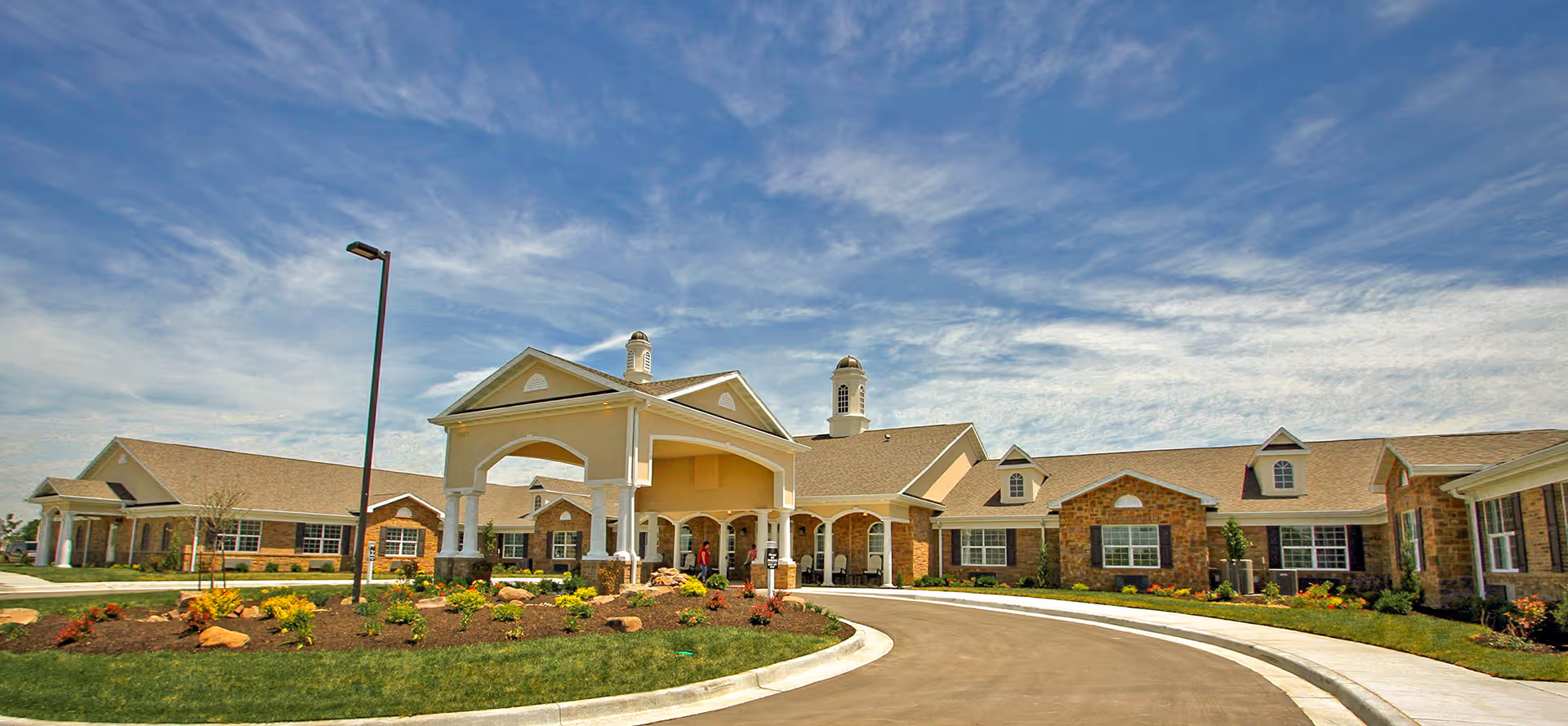
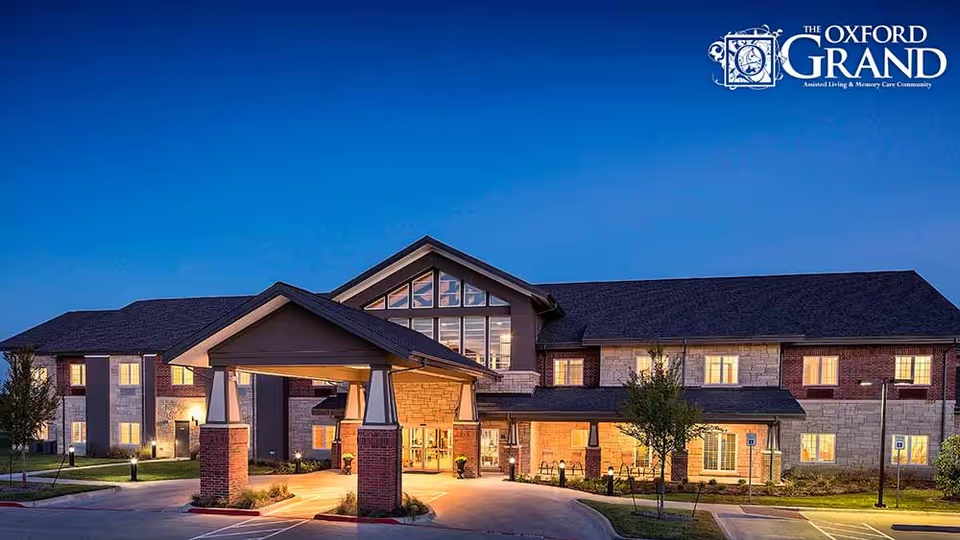
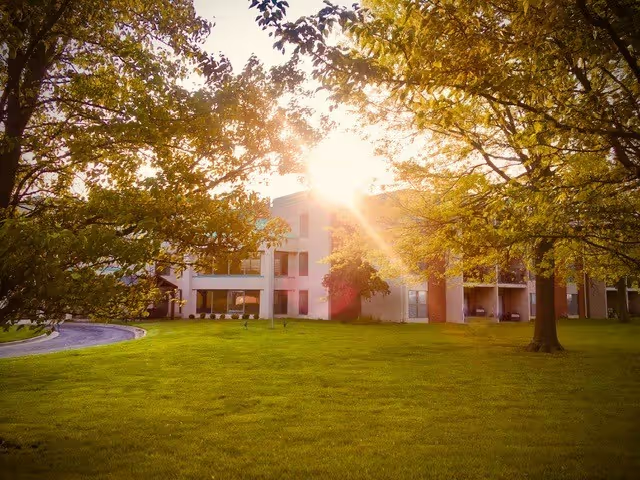
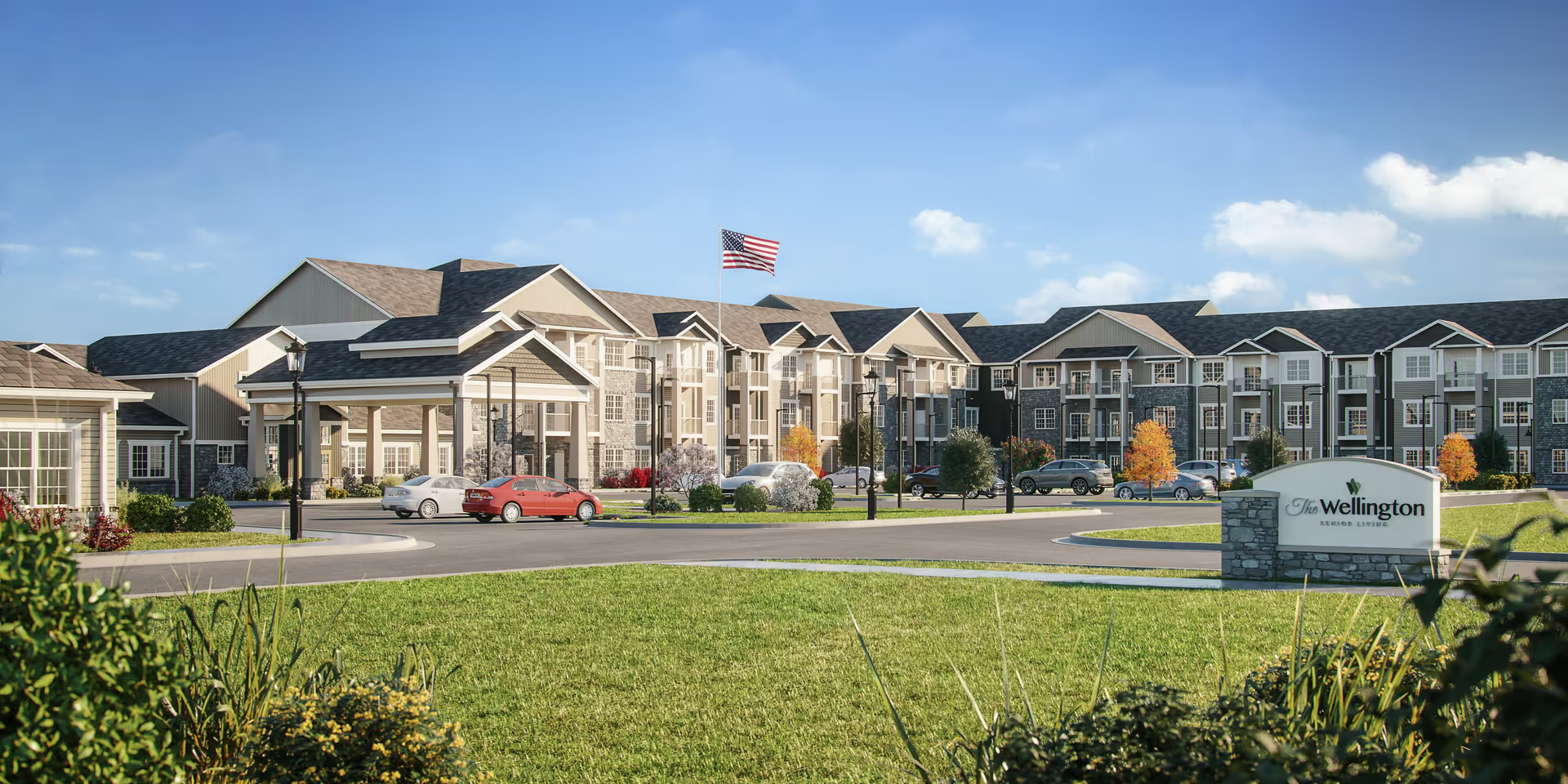
Riverstone Retirement Community elicits strongly polarized but recurring themes. On the positive side, many reviewers describe a resort‑like, well‑maintained environment with spacious, modern apartments (full kitchens, granite counters, balconies, garage options) and abundant common amenities such as a movie theater, fitness center, salon, and performance spaces. Housekeeping, concierge services, organized transportation, and on‑site interim nursing are frequently cited as contributors to aging‑in‑place capability and resident peace of mind. Long‑standing front‑line employees—particularly concierge and dining staff—are repeatedly praised for their personal attention and role in creating a welcoming community.
Dining and activities are central strengths for much of the resident population. The community offers multiple dining venues, a salad bar and snack/pantry options, cooked‑to‑order breakfasts, themed dinners and weekly highlights such as prime‑rib Sunday service. The activity program is broad and active, with classes, live music, trips, games, and regular social events that support social engagement and resident satisfaction. Transportation and valet services, guest suites, and concierge move‑in support further reinforce the community’s service profile.
Conversely, a consistent thread of operational concerns appears in the reviews. Many describe frequent turnover in on‑site management and uneven responsiveness from corporate leadership, which reviewers link to inconsistent policy enforcement and slower resolution of resident concerns. Several comments point to cost‑containment measures that have altered meal programming and beverage availability; this combines with reports of variable meal quality and a perceived reduction in menu variety. Staffing shortages and gaps in service continuity are also noted and have been connected in reviews to delays or inconsistencies in maintenance and housekeeping in some units.
Maintenance and amenity‑management issues are another recurring pattern. While many residents praise prompt maintenance, others describe a maintenance backlog or uneven upkeep—examples include water intrusion evidence, aging finishes or carpeting not replaced, and intermittent amenity outages—that suggest variability across units and building areas. Prospective residents should verify the current state of specific apartments and ask about recent capital or repair projects.
Management and conduct concerns are prominent in a subset of reports. Reviewers express worries about communication tone and professional conduct from certain managers, and there are isolated, more serious allegations involving managerial behavior and dispute handling; prospective families should explore these topics directly during a visit, ask about complaint procedures, and review any available incident logs or references. Affordability is another practical consideration: pricing is viewed by many as reflective of an upscale product, and some potential residents find certain apartment tiers cost‑prohibitive. Finally, the community has limited in‑house assisted‑living capacity and few small‑studio options, which may affect long‑term planning for residents seeking a full continuum of care on site.
Recommendation: Riverstone offers many features valued by independent‑living residents—robust activities, attractive facilities, and several strong long‑term staff members—but reviewers identify operational variability that appears concentrated around management continuity, dining program stability, staffing levels, and maintenance consistency. Prospective residents and family members should schedule an extended visit that includes a meal, a tour of the specific apartment of interest, conversations with long‑tenured staff and current residents, and direct questions about current staffing levels, planned capital projects, dining menus, and procedures for escalating concerns to corporate leadership.