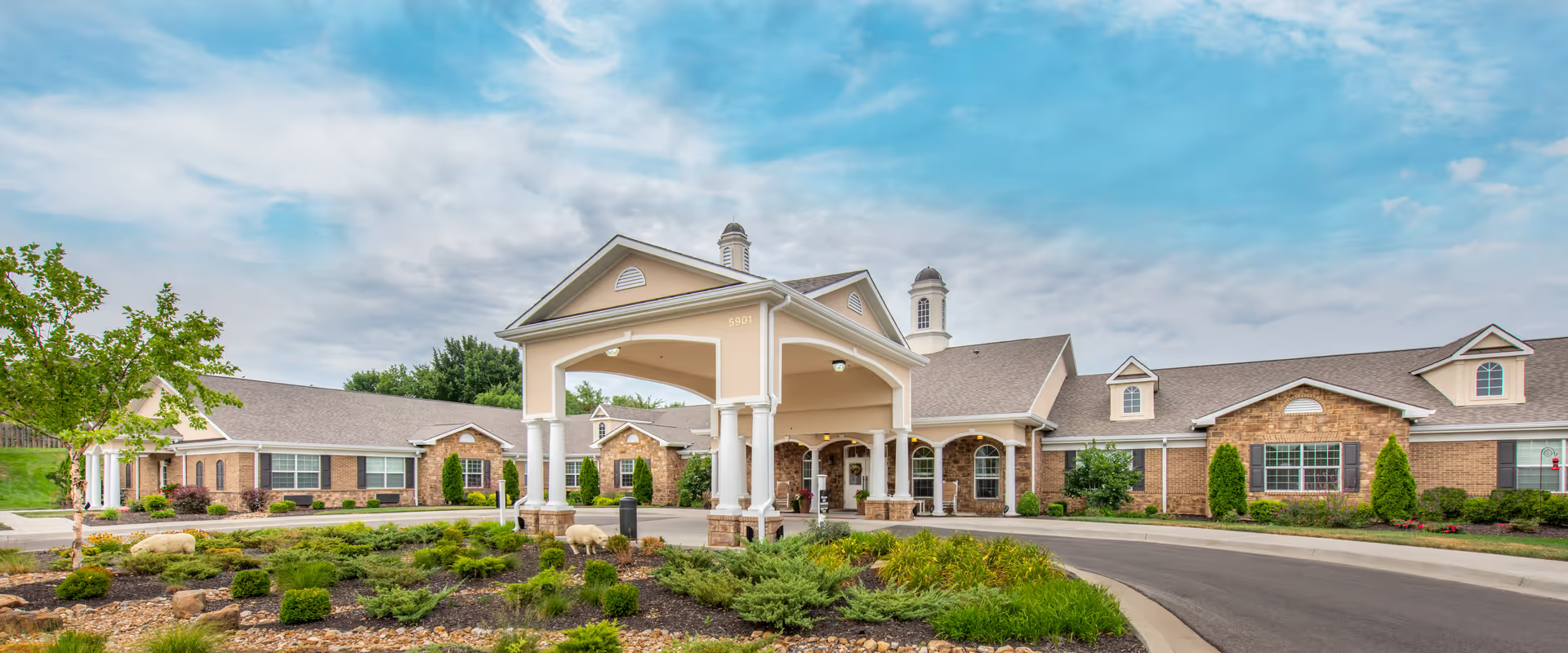
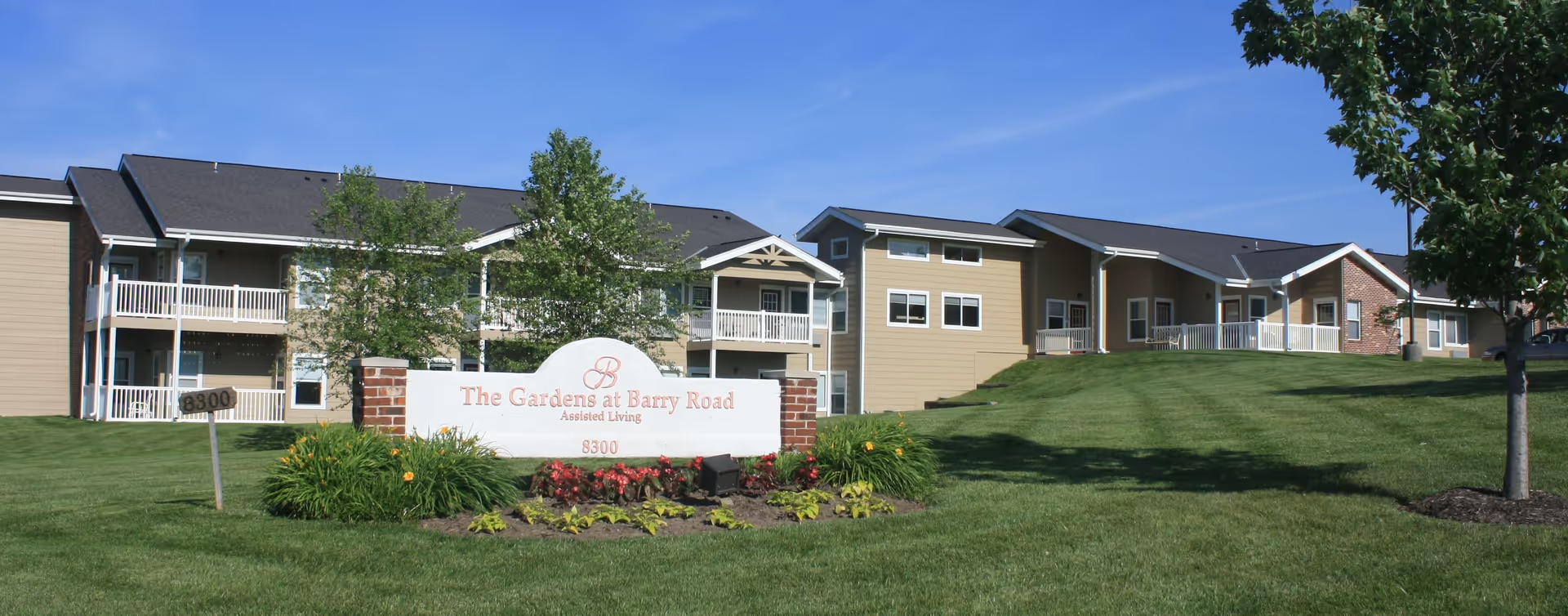
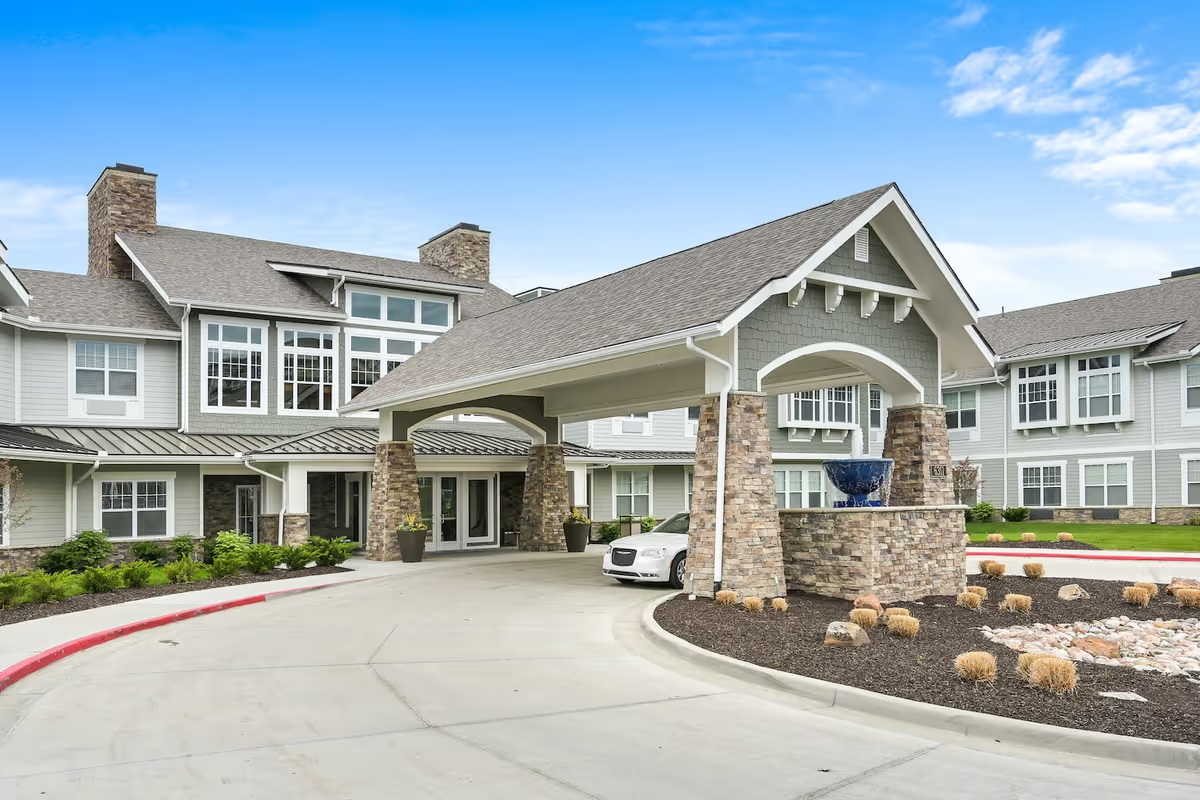
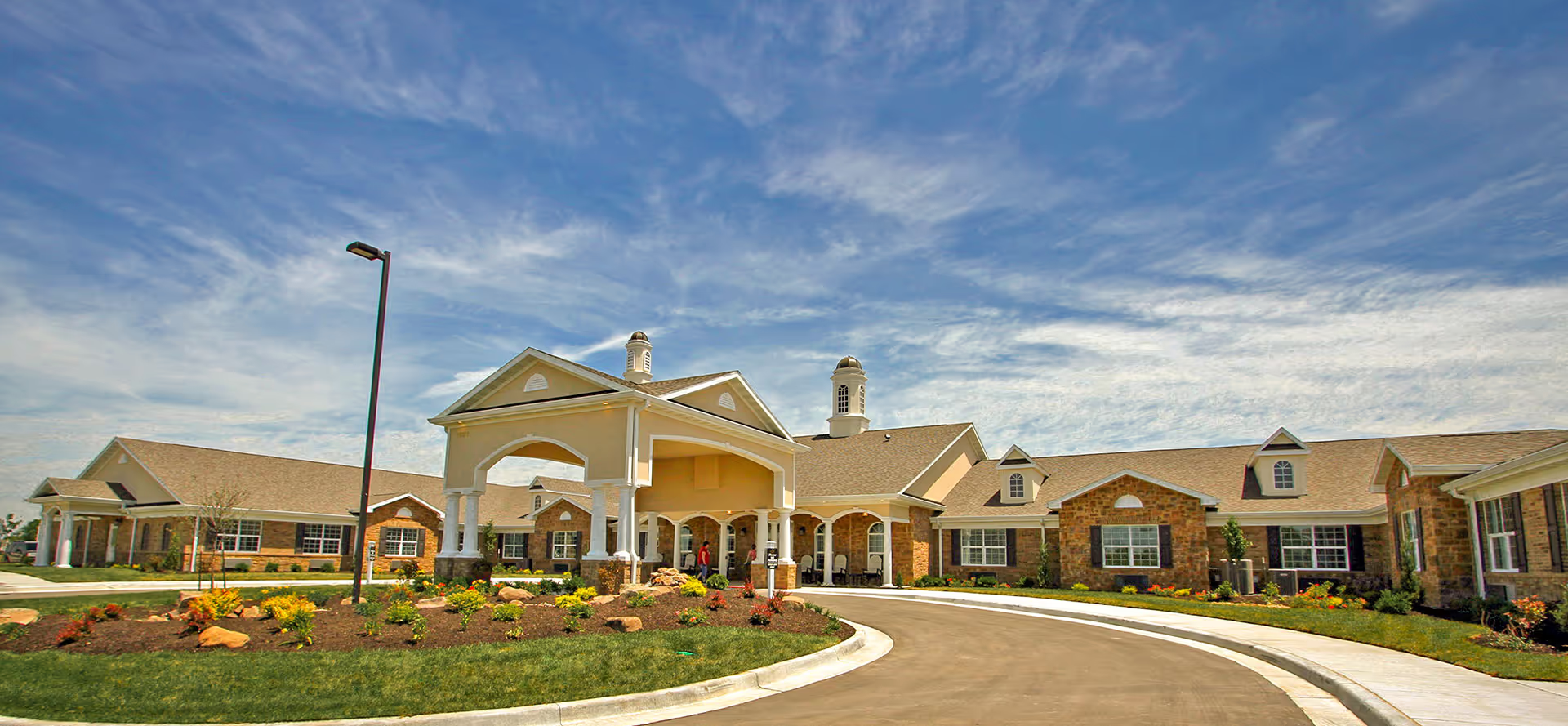
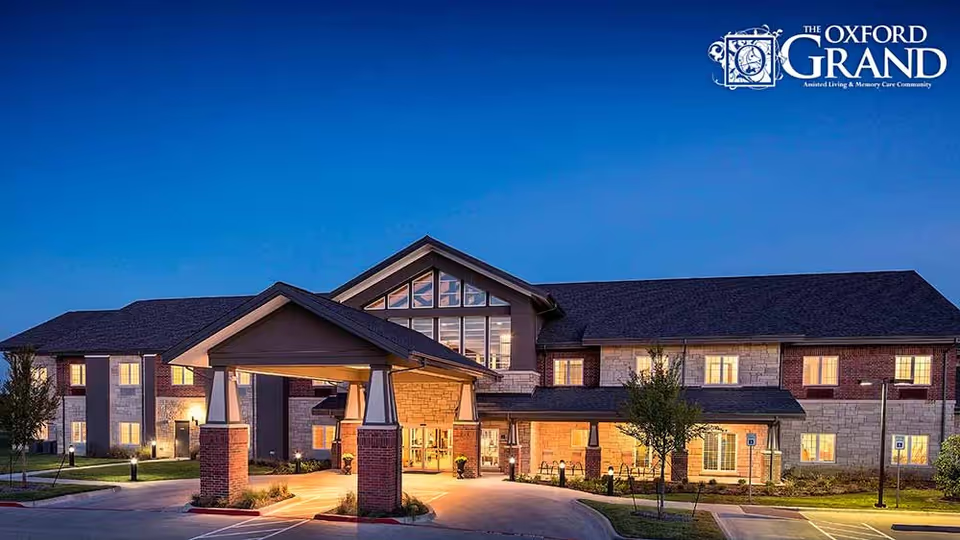
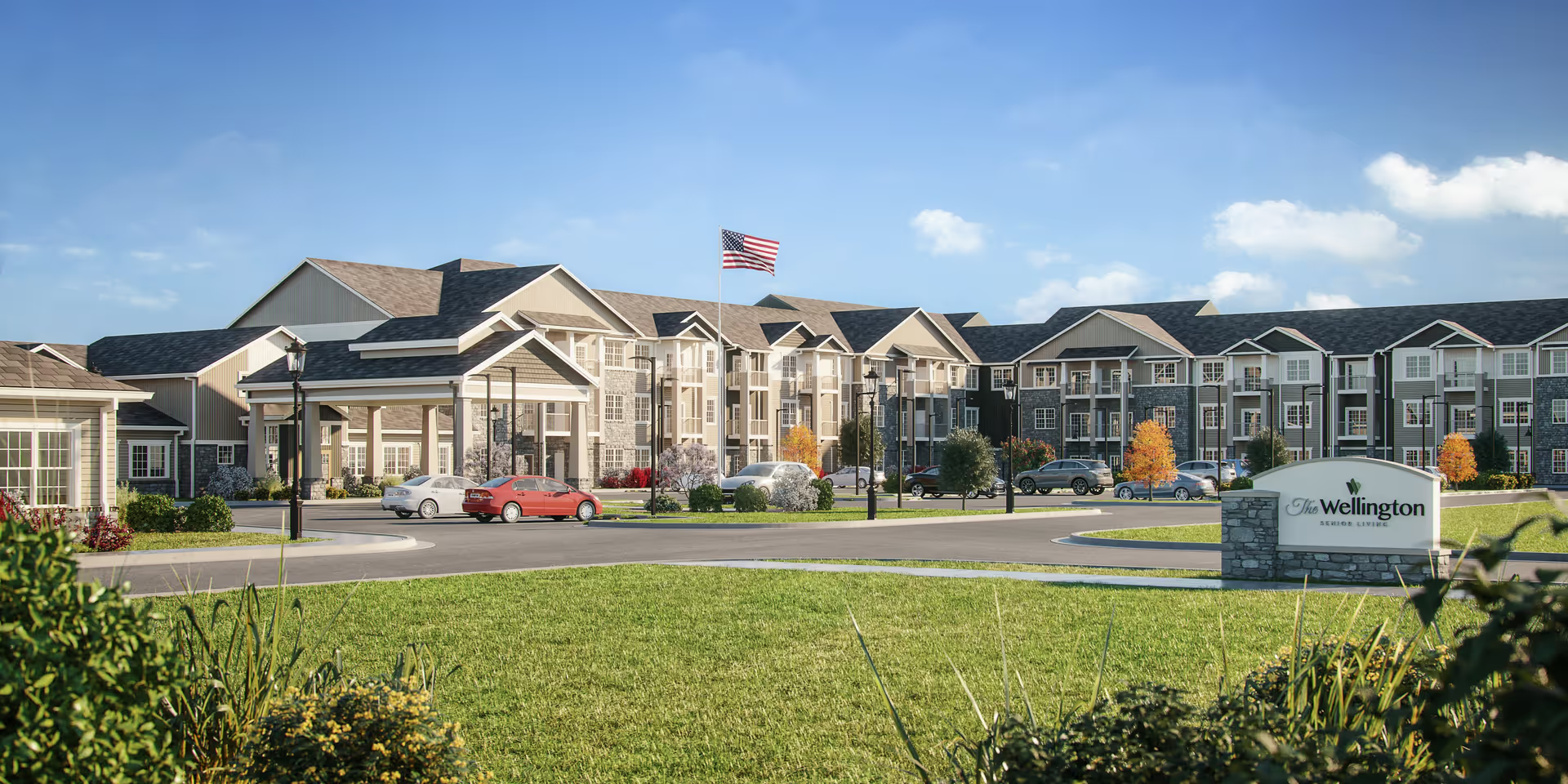
Tiffany Springs Senior Living presents as a modern, well-appointed community with strong emphasis on amenities and residence comfort. The facility is repeatedly described as clean, tastefully decorated, and resort-like, with many architectural and interior features noted positively: large windows, granite countertops, full kitchens, in-unit laundry, roomy floor plans and balconies. The campus offers a broad array of on-site amenities — indoor pool and hot tub, fitness and therapy spaces, movie theater, salon and barber services, game rooms, multiple communal dining areas, courtyards and a dog park — and maintains features aimed at safety and convenience such as secured entry, an emergency call system, daily wellness checks, and organized transportation for appointments and outings.
Clinical and rehabilitation resources are notable strengths for many families: an on-site mini-clinic/urgent care and a rehabilitation center with PT/OT were cited as convenient additions that reduce travel for therapy and follow-up care. Reviewers also frequently praised the admissions and tour experience, citing knowledgeable, patient staff who provide thorough orientation. Across many accounts staff are described as friendly, personable and invested in resident quality of life; families reported warm interactions, personalized dietary accommodations, and active social connection among residents.
Dining and programming receive mixed but specific feedback. The dining model is restaurant-style with varied menus and options, and several reviewers praised food quality and individualized attention from dining staff. At the same time, others described inconsistency in meal preparation, service speed, and kitchen staffing turnover that can affect daily meal experience. Activity programming is broad — arts and crafts, fitness classes, happy hours, live music, outings and therapeutic activities — and creates a range of engagement options, though participation levels and activity-staff consistency appear variable across time and units.
Operational and care-delivery patterns have important caveats. Multiple reviewers highlighted inconsistent staffing coverage, especially evenings and weekends, with related delays responding to call buttons and requests for assistance. Several concerns point to gaps in medication-management processes and uneven clinical oversight; family communication around clinical incidents and end-of-life directives was also called out as an area needing stronger, more consistent procedures. Housekeeping and sanitation standards were described as generally good but inconsistently applied in some areas (dining/kitchen and resident suites), and some families reported billing or administrative communication problems. The community’s size and layout are strengths for amenities but can present accessibility and navigation challenges for residents with limited mobility, and a few reviewers noted newly opened sections that felt incomplete.
For families considering Tiffany Springs, the community offers a high-amenity, secure environment with comprehensive levels of care and strong social programming. Prospective residents and decision-makers should verify current staffing ratios across shifts, ask for details on the facility’s medication-administration and incident-response protocols, review housekeeping and kitchen sanitation practices, and confirm accessibility for specific mobility needs. Meeting key clinical leaders (director of nursing/therapy leads), reviewing recent quality or regulatory summaries, and observing meal service and an activity session during different times of day can help clarify whether the operational patterns align with a family’s expectations for clinical consistency and responsiveness.