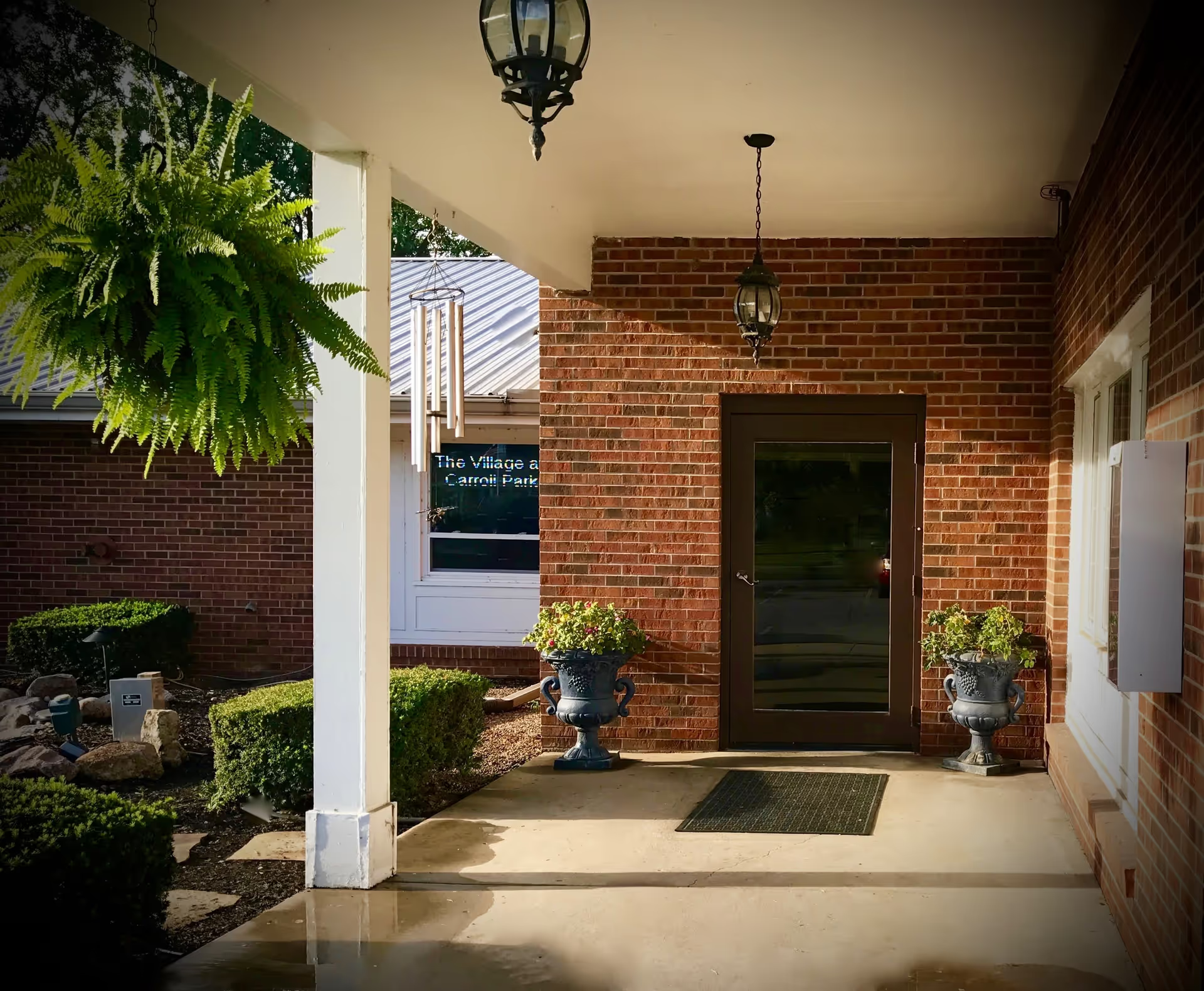
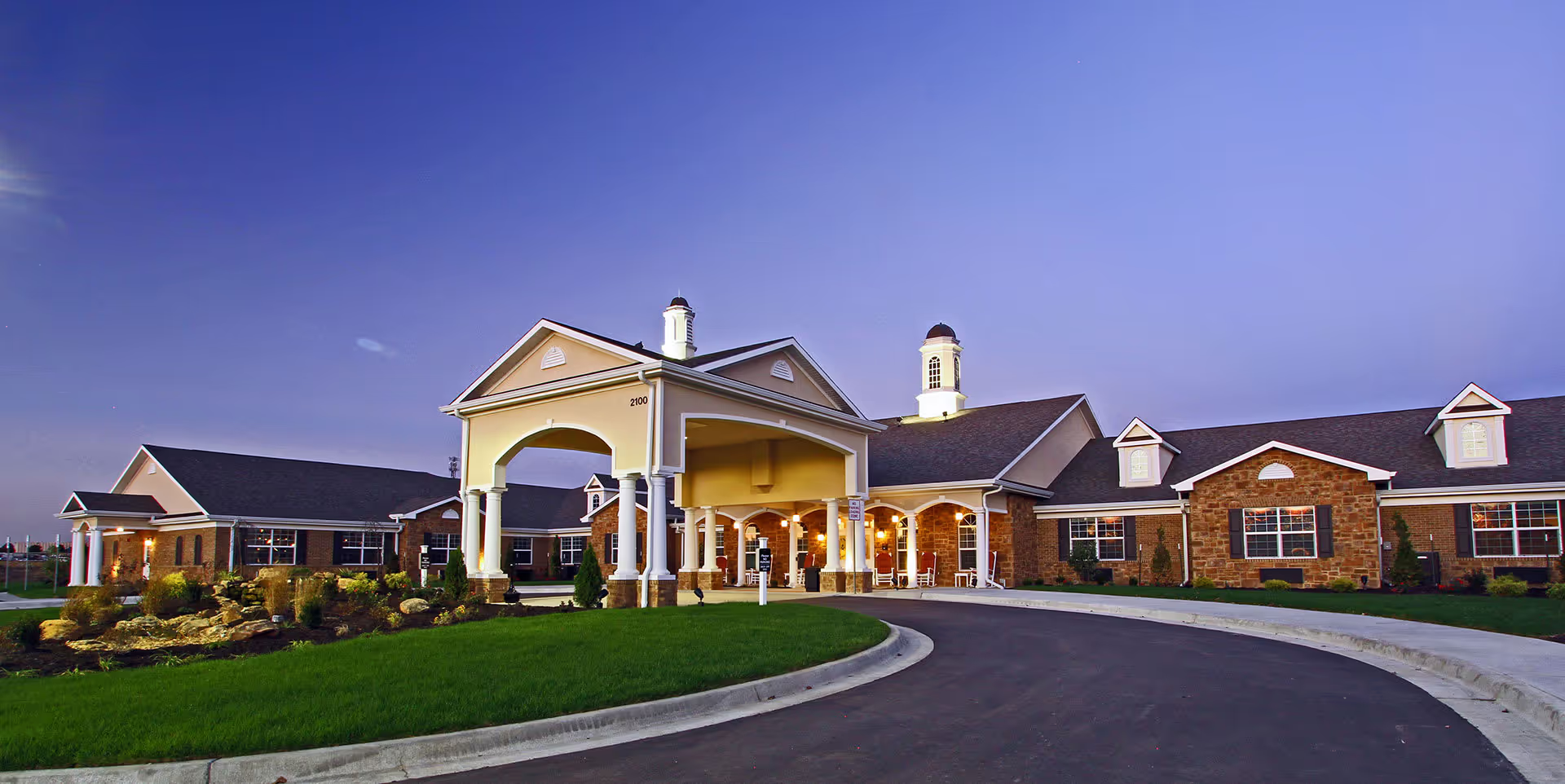
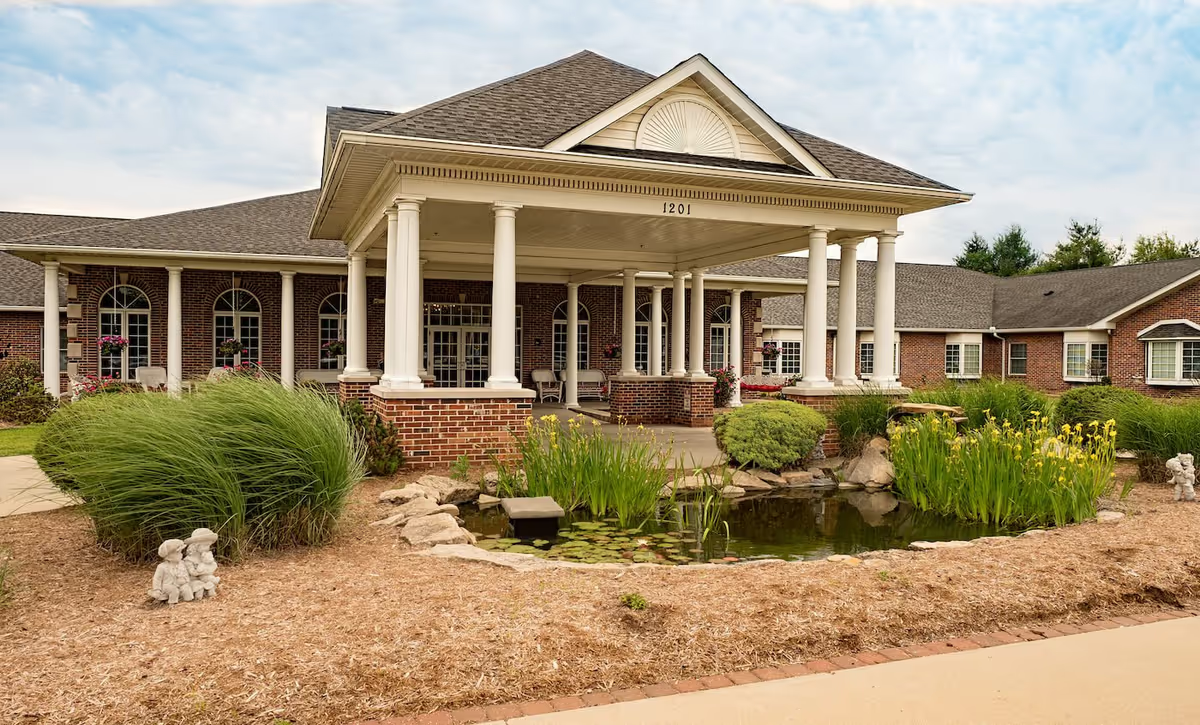
The reviews reflect a highly mixed picture of care at the facility. Strengths most consistently noted relate to rehabilitation and certain front-line staff: many families praised the physical and occupational therapy teams for individualized plans and rapid functional gains, and some residents experienced helpful, personable nursing and therapy interactions. Positive accounts also describe private rooms with ensuite baths, pleasant common areas and outdoor spaces, and cafeteria-style dining that some residents found appealing. Where hospice services were engaged, reviewers described collaborative stabilization and comfort-focused care.
Counterbalancing these positives are recurring operational weaknesses. Staffing instability and high turnover appear to drive many of the problems noted: slow or inconsistent responses to call lights, missed or delayed assistance with activities of daily living, and variability in bathing and continence care. Reviewers raised sanitation and odor-control issues in specific units or shifts, as well as equipment- and maintenance-related problems (malfunctioning call-light systems, oxygen delays, and broken or poorly maintained supplies). Medication-management and prescription-delivery delays, along with isolated but serious concerns about missing medications and personal-property security, were also mentioned.
Clinical escalation and communication are additional areas of concern. Several accounts describe delays in recognizing or transferring residents for higher-level care, repeated urinary tract infections and catheter-related issues, and inconsistent handoffs to EMS or hospital staff. Families frequently reported difficult or defensive conversations with administration and delays in addressing complaints or discharge paperwork. At times these communication gaps extended to privacy and discharge-planning processes, creating stress for families during transitions.
Overall, the facility demonstrates important capacities—especially in rehabilitative therapy and in cases where specific staff members are engaged and attentive—but there is notable variability across units and shifts. Prospective families should consider on-site inquiries about staffing ratios by shift, call-light functionality, protocols for continence and wound care, medication-administration and tracking processes, equipment maintenance schedules, property-inventory and security practices, and the facility’s approach to family communication and incident escalation. Several reviews indicate improvements under new management in some areas; however, the mix of positive and critical experiences suggests that quality may be uneven and that careful, targeted questions and direct observation during a tour will be important when evaluating care suitability.