Overall impression is mixed: reviewers consistently praise the facility’s rehabilitation program, many clinical and therapy staff, and a family-oriented culture that produces visible resident engagement and laughter. Multiple accounts highlight strong teamwork, compassionate bedside care from certain staff members, supportive social workers and administrators, and a small-community, home-like environment that some families find reassuring. The therapy department and activity programming are frequently cited as clear strengths, with residents described as enthusiastic about new or expanded activities.
Care quality shows a bifurcated picture. Clinical and rehabilitative services receive strong, repeated commendation; physical therapists and the rehab program are described as effective and energetic. At the same time, there are substantive operational concerns that affect safety and day-to-day care. Reviewers describe medication-administration issues that suggest gaps in medication-management controls, and there are reports indicating delays in basic personal-care tasks such as bathing and incontinence-related care. These operational patterns raise questions about staffing levels and clinical oversight that prospective families should evaluate further.
Staff culture is characterized by both positives and negatives. Many reviewers emphasize kindness, courteous greetings, and staff who treat residents like family; long-tenured employees in food services and housekeeping are singled out. Conversely, others report inconsistent conduct, including unresponsiveness or curt communication from some employees and noticeably lower service quality on weekends. High turnover and variable performance between shifts or units contribute to an uneven experience.
Dining and activities present a similar contrast. The activity program is frequently described as engaging and improving, contributing to resident well-being. Dining opinions vary: some praise specific menu options and the cook’s dedication, while others find meal quality and palatability inconsistent. Prospective families should ask about menu rotation, special-diet accommodations, and mealtime assistance policies during visits.
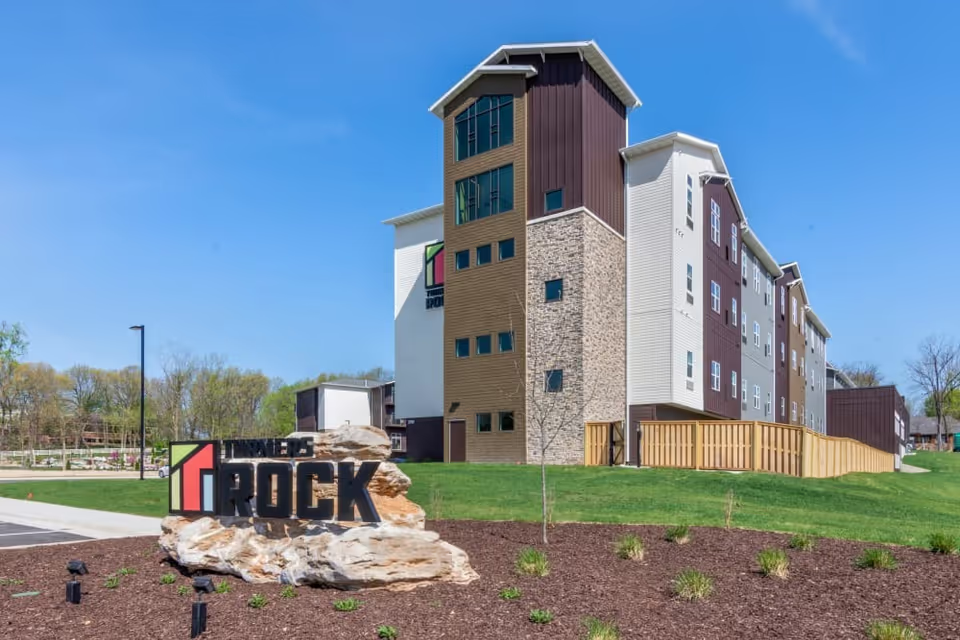
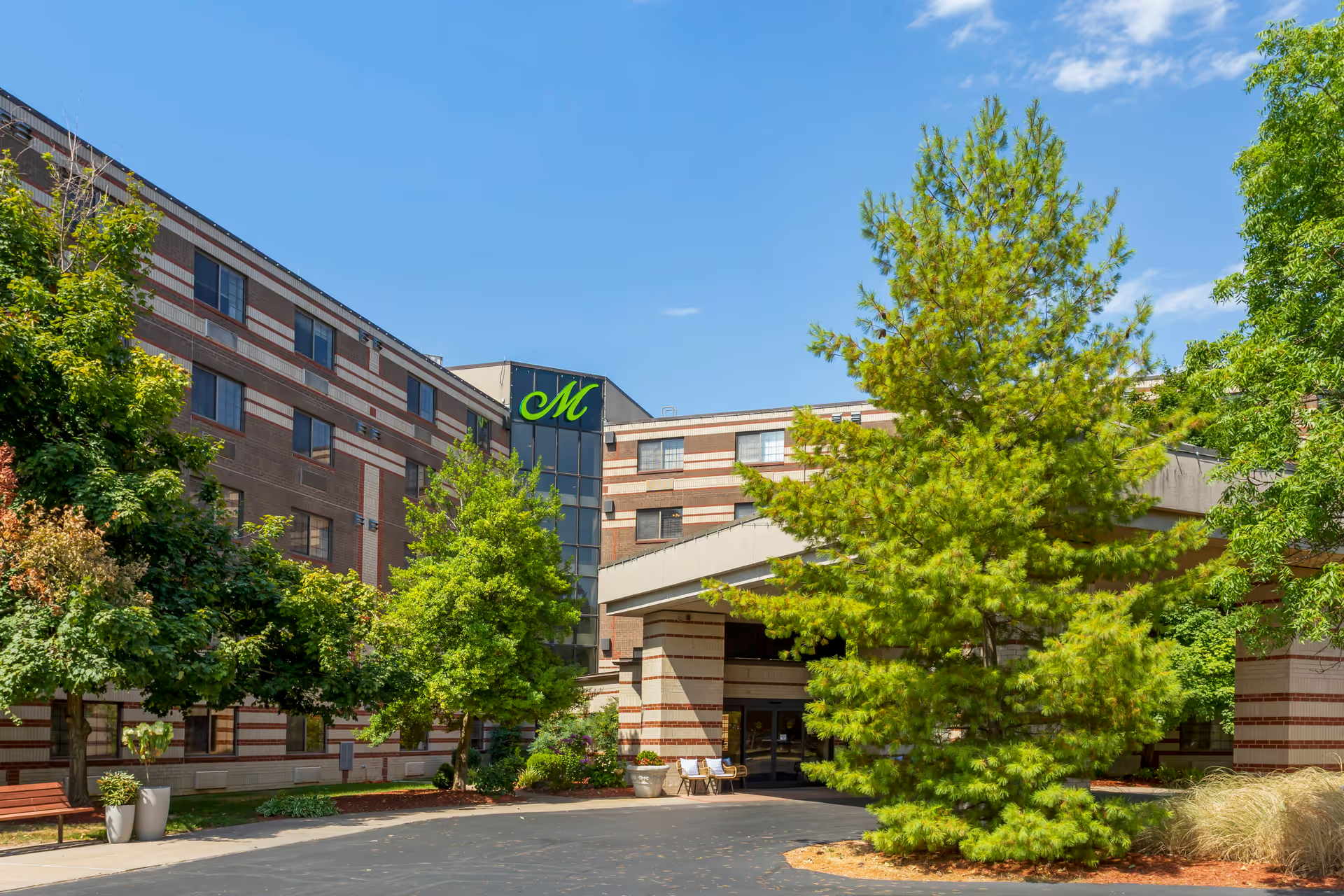
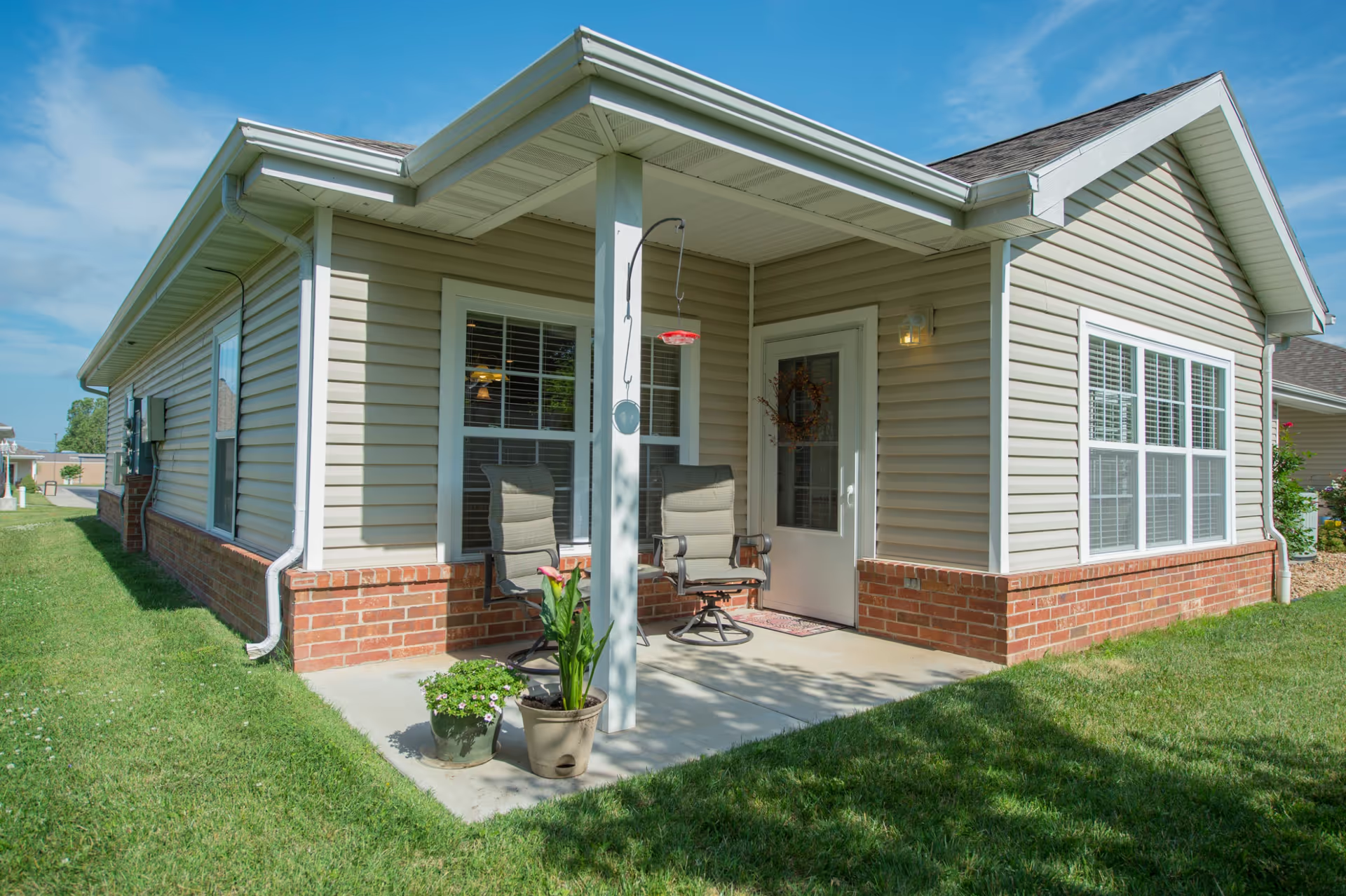
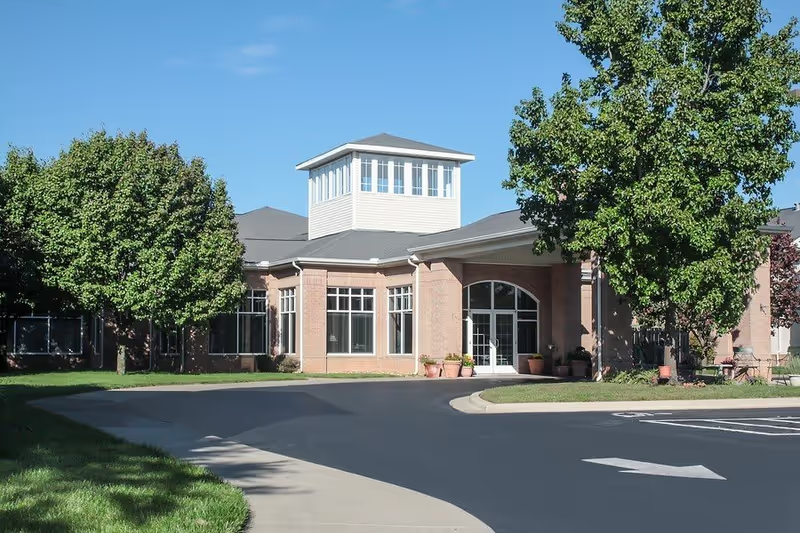
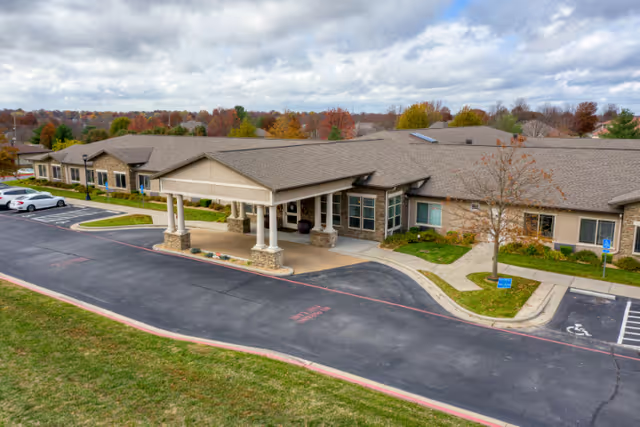
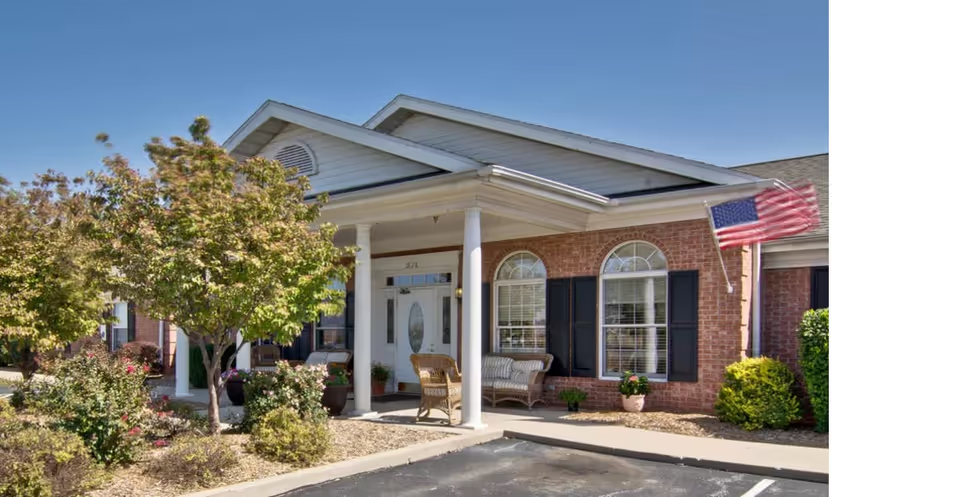
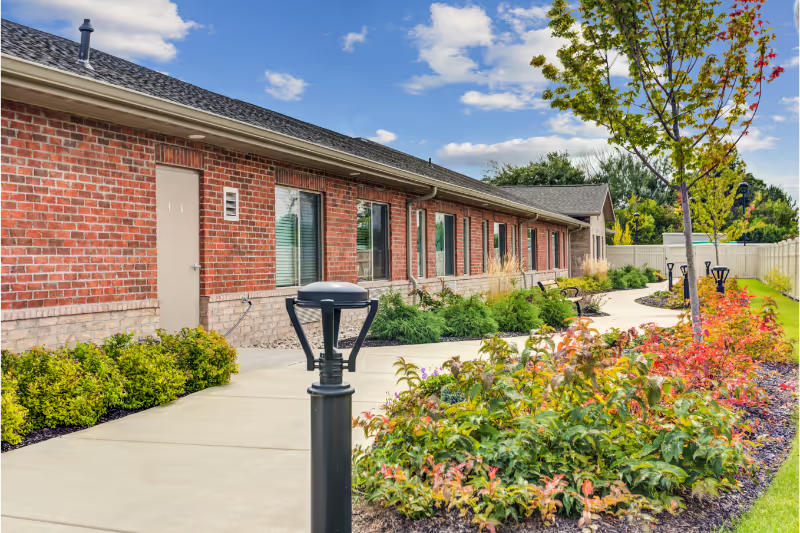
Facility condition is uneven. Portions of the center have been renovated and are described as clean and comfortable, with pleasant rooms and common areas. At the same time, reviewers note sanitation variability in certain resident-care areas, cleanliness concerns on some floors, and comfort issues that include reports consistent with pest-control problems. Several comments contrast older versus newer units and point to inconsistent physical condition across the campus.
Management and oversight receive mixed feedback. Some families describe professional, helpful administrative staff and clear leadership; others indicate that operational problems — particularly staffing, weekend coverage, and clinical-process gaps — persist despite visible strengths in therapy and engagement. Notable patterns for prospective families to investigate during a visit include staffing ratios by shift (especially weekends), medication-administration and reconciliation protocols, timeliness of personal-care routines, cleaning and pest-control practices, and turnover rates on the unit where the resident would live. These targeted questions will help balance the facility’s strong rehabilitative and social programs against its operational vulnerabilities.