Country Living Assisted Living is described by reviewers as a small, family-operated community with a home-like atmosphere. Many accounts emphasize personalized attention, close staff–resident relationships, and a neat, orderly environment. The facility appears to prioritize a domestic feel: reviewers cite three hot meals per day, snacks and beverages, homemade ice cream, in-room televisions and kitchenettes, and faith-based programming such as hymn singing and Bible study. Group social options including bingo and game time are noted as regular activities, which supports resident engagement for those with lower to moderate care needs.
Staffing impressions are mixed. Several reviews praise staff friendliness, caring interactions, and intelligent, accessible caregivers who create social connections with residents. At the same time, other families raised concerns about inconsistent staff professionalism and gaps in training. That variability is tied in some accounts to limitations in the facility’s clinical capacity—reviewers indicate that residents who require more complex medical oversight or frequent medication adjustments may not have their needs fully met on-site. Medication-management weaknesses and episodes that led to hospital transfers were cited in a subset of reports; these point to potential gaps in clinical oversight and medication-administration controls that prospective families should clarify with management.
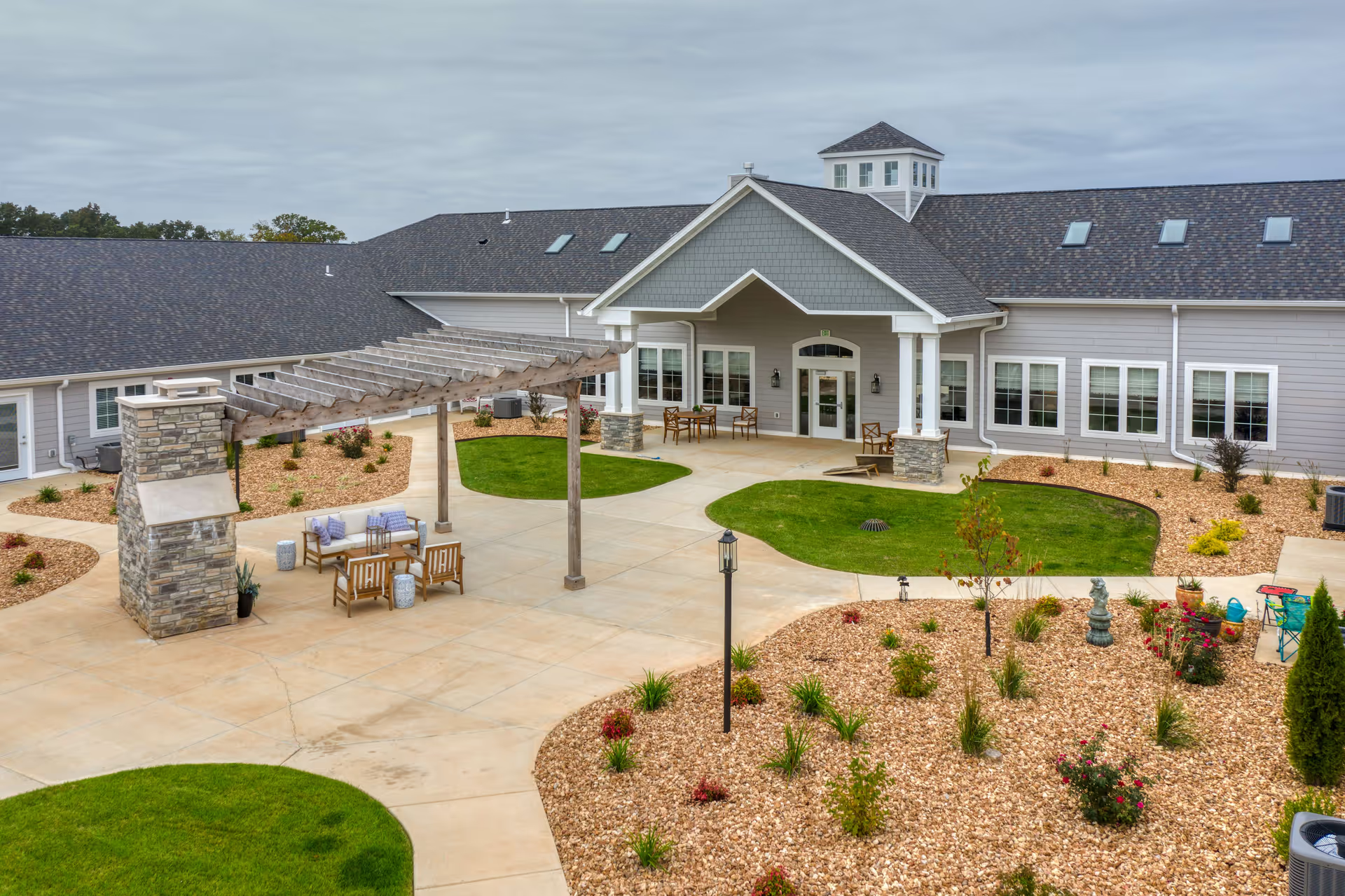
Facilities and logistics received generally positive remarks for cleanliness, upkeep, and the scenic, convenient location. However, practical issues affecting access and information surfaced: reviewers mentioned navigation and signage deficiencies, missing or inaccurate entrance markings, and outdated photos or maps that omit added structures. These operational items can complicate visits and orientation, and they suggest a need to confirm current floor plans, entry points, and online materials before move-in.
Cost and appropriateness for resident needs are central decision factors. Some reviewers called attention to pricing relative to the level of clinical support provided, recommending the community primarily for residents who require limited assistance and value a family-style setting. For prospective residents and families: Country Living may be a good fit for individuals seeking a small, faith-oriented, homelike setting with active social programming and attentive interpersonal care. It is less suitable for those who require reliable clinical monitoring, complex medication regimens, or frequent skilled nursing interventions. When considering this facility, request details on staff training, medication administration protocols, emergency and hospitalization procedures, staffing ratios for higher-dependency needs, and current entrance/signage/maps to ensure expectations align with operational realities.