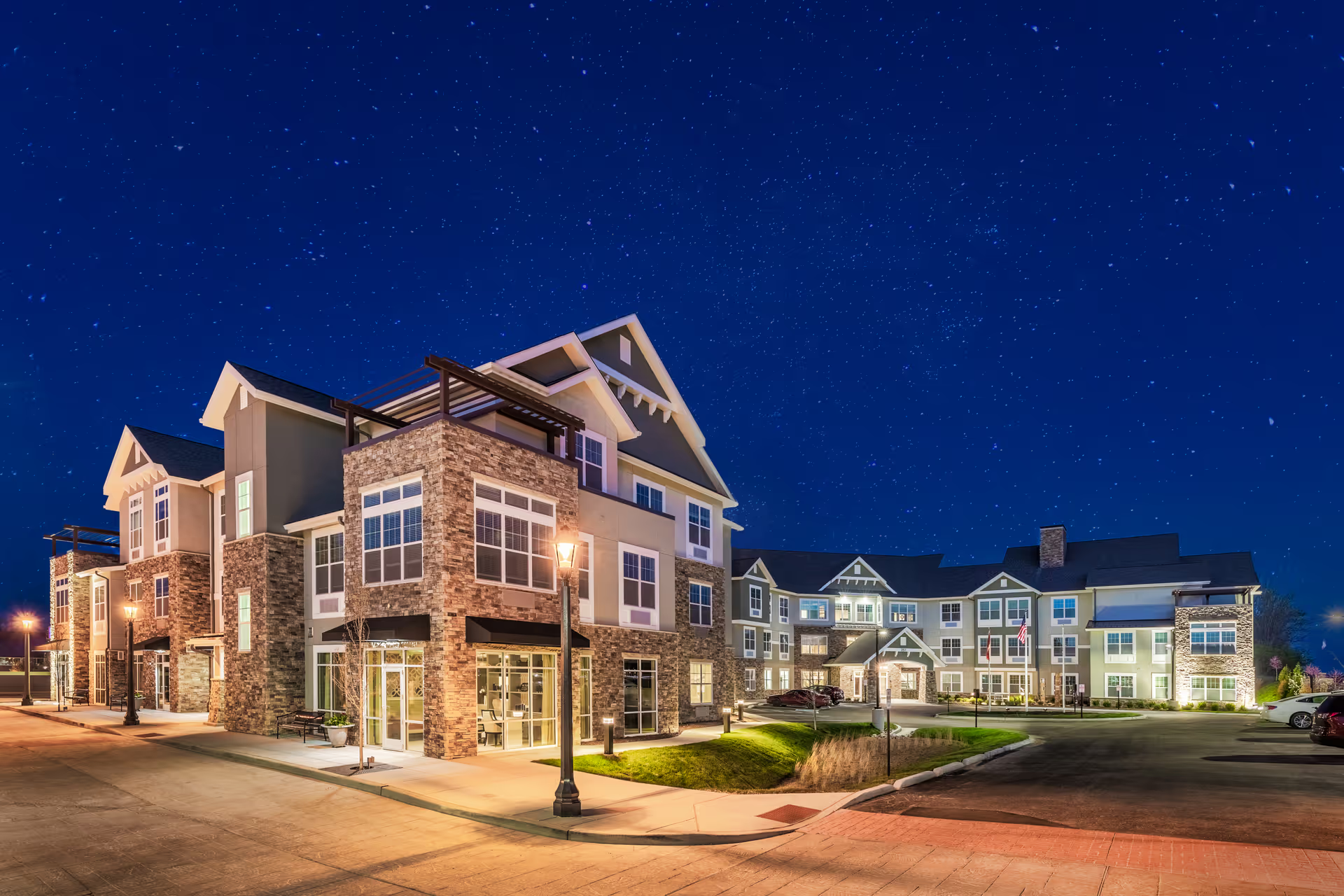
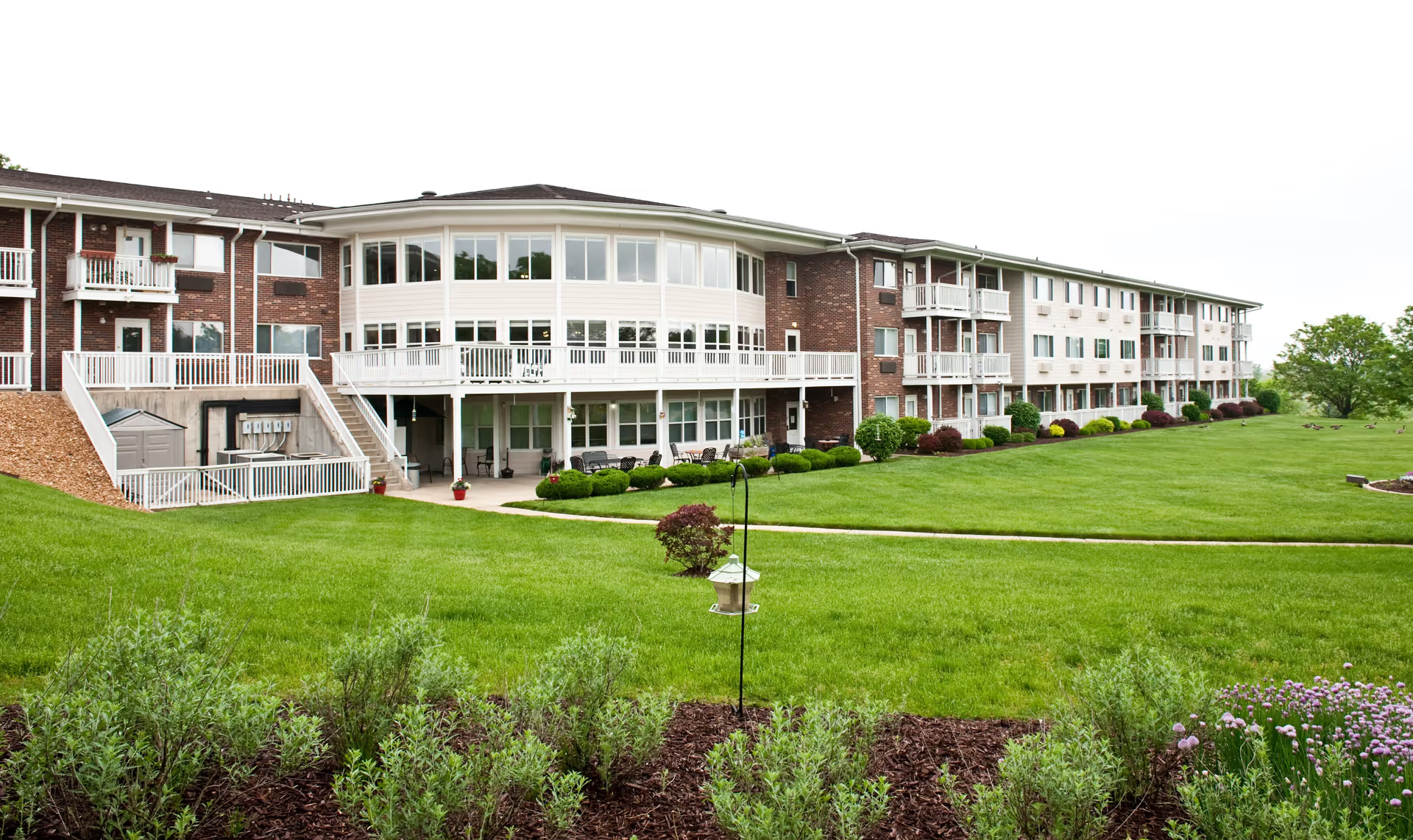
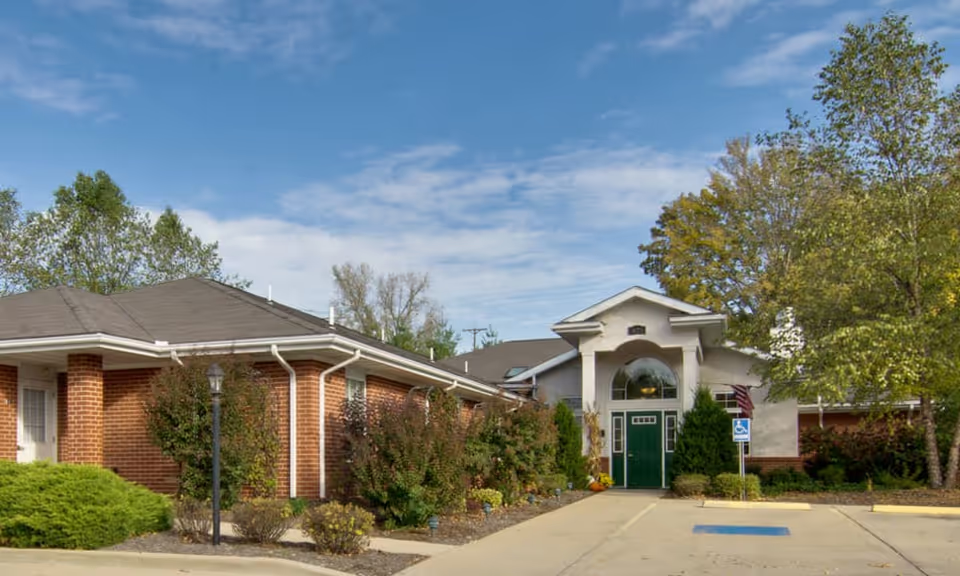
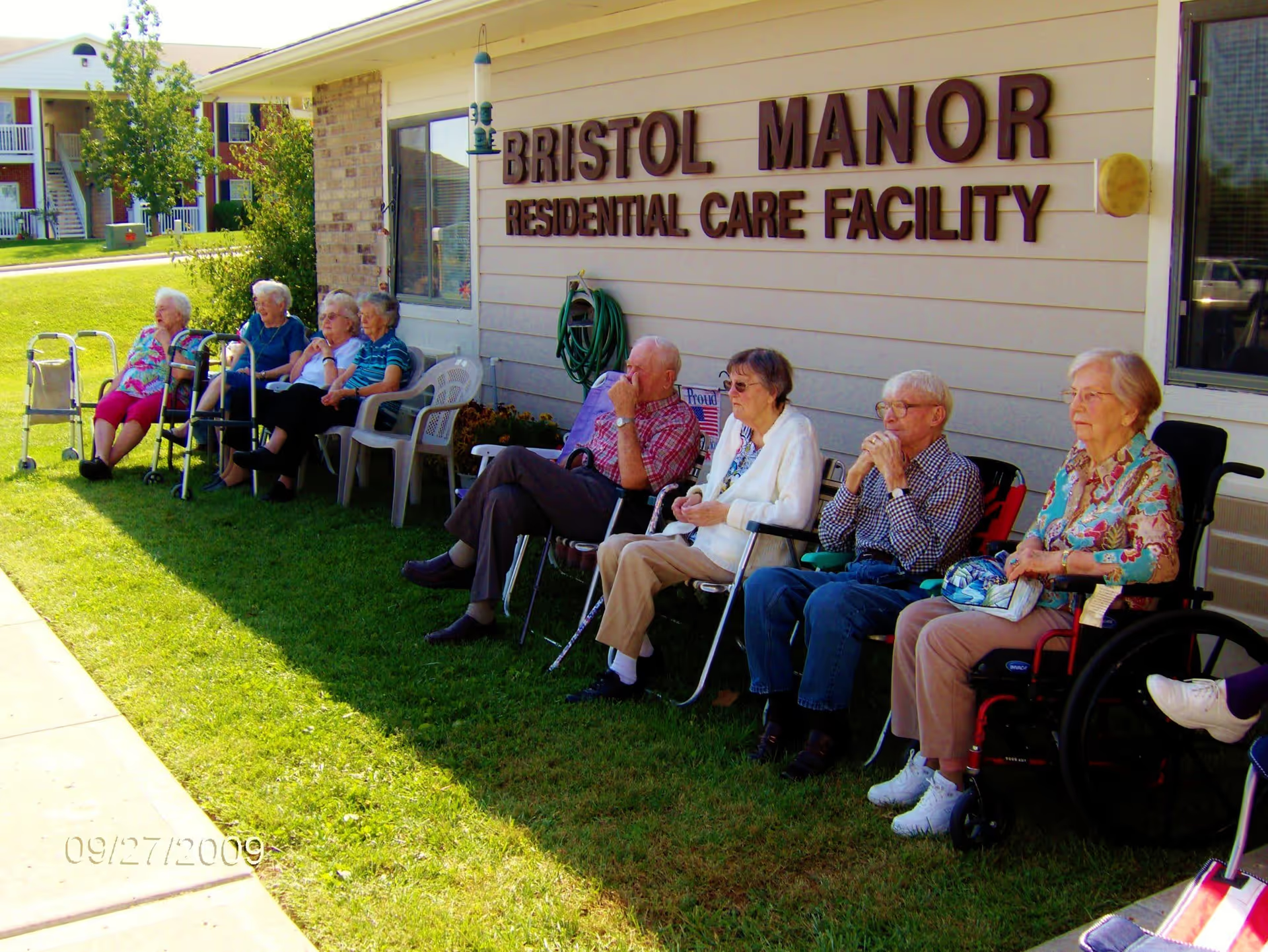
Overall impression The facility appears to offer a small, home-like environment with a family-style atmosphere and a close-knit resident community. Review content emphasizes an engaged administrator and staff members who are described as committed and emotionally invested in residents. These attributes may be attractive to families seeking a more intimate setting rather than a large institutional campus.
Care quality Care-related accounts are mixed. Positive comments highlight staff commitment and a familial tone to daily interactions, but other comments describe operational gaps that affect care continuity. Specific care concerns include delays in medication administration and inconsistent personal-care and safety practices. These items point to variability in clinical processes and timeliness of routine care rather than uniformly poor clinical capability.
Staff and culture Many comments praise staff loyalty and the administrator’s visible involvement, which supports a sense of community. At the same time, reviewers note issues with staff attitude and responsiveness in some situations. This combination suggests that while staff may be dedicated, there are episodes of uneven conduct and inconsistent responsiveness that affect family confidence.
Dining and activities The available feedback provides little detail about dining quality or the activity program. Reviewers did not consistently praise or criticize meals and programming, so prospective families should request current menus, activity calendars, and opportunities to observe mealtimes and events during a visit.
Facilities and cleanliness The facility’s small scale contributes to a home-like feel, but concerns about sanitation and pest control were raised. There are also comments about unreliable cleaning follow-through, which may reflect variability in environmental-services processes. Prospective visitors should inspect common areas and resident rooms in person and ask about recent pest-control measures and cleaning schedules.
Management and communication Comments portray a dichotomy in leadership: the administrator is described as caring and hands-on, yet there are consistent concerns about management responsiveness and accountability. Reviewers reported poor communication with families and instances where management appeared to deny or minimize problems. Taken together, these suggest gaps in family–facility communication protocols, incident follow-up, and transparency.
Notable patterns and considerations The pattern of strengths (small size, engaged staff/administrator, familial environment) paired with operational weaknesses (communication gaps, medication delays, sanitation and cleaning inconsistencies, and safety-related variability) indicates that the facility may suit families who prioritize a warm, intimate setting but also require clear answers about clinical and environmental controls. Prospective residents and families should ask targeted questions about medication administration procedures, staffing levels and training, incident escalation and family-notification policies, pest-control history and remediation, and routine cleaning protocols. Where possible, request recent inspection records and speak with current families to assess whether the operational concerns have been addressed.