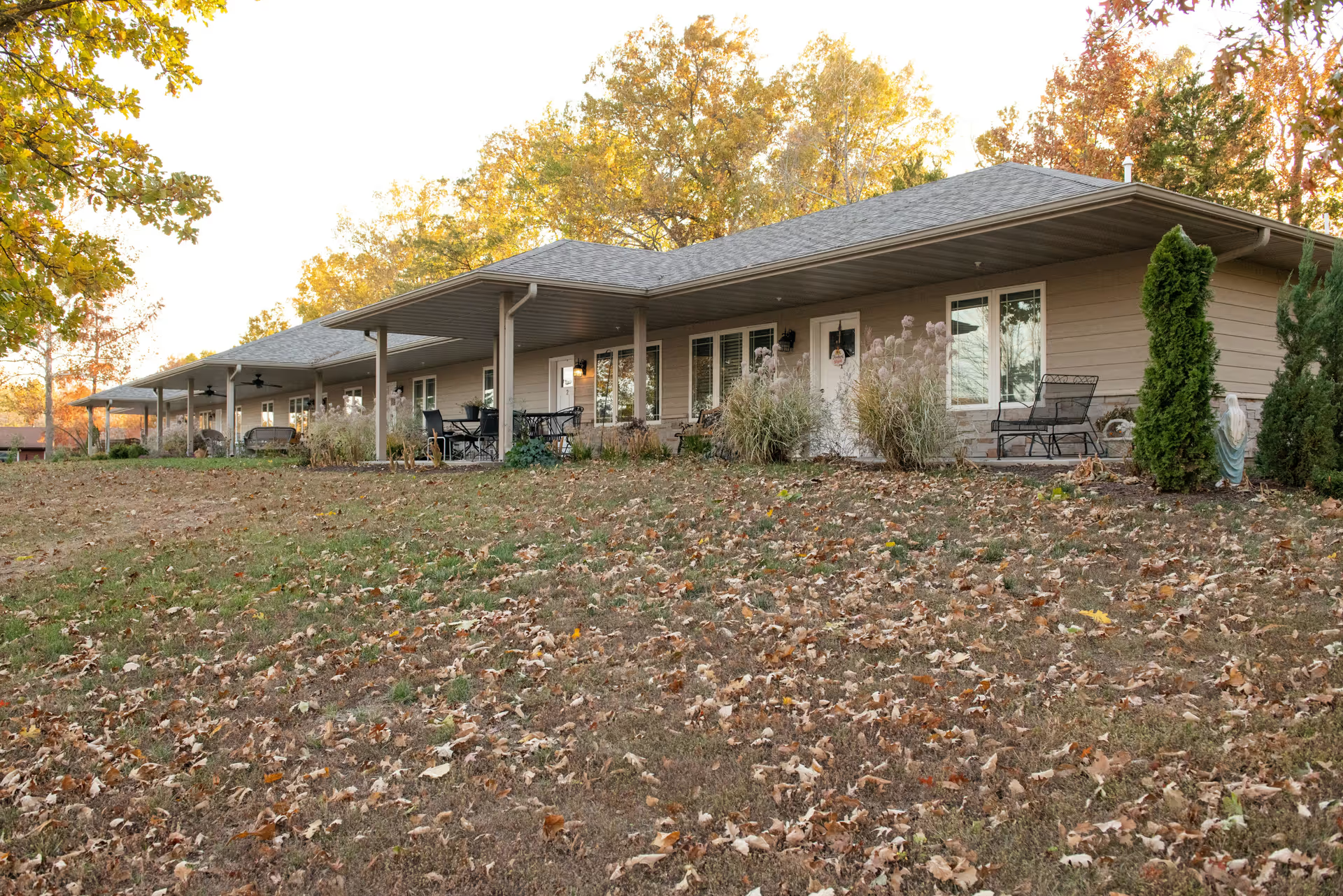
Monroe Manor is described primarily as a small, rural skilled‑care setting with a strong family‑style culture. Many commenters praised the frontline caregivers as compassionate, attentive, and quick to form close bonds with residents; several accounts emphasize personalized attention and gratitude from short‑term rehabilitation residents. The physical plant is frequently described as clean and well maintained, and the facility’s size and location foster a homelike, small‑town atmosphere. Onsite rehabilitation services and a collaborative relationship with a local physician are noted positively.
Care quality is a mix of consistently strong direct care and some operational inconsistencies. Direct‑care staff receive regular commendation for respectful, loving interactions and attentive assistance; temporary physical‑therapy patients in particular report positive outcomes and supportive transitions. At the same time, a subset of accounts raises concerns about personal‑care practices such as laundry and dressing assistance and broader sanitation-related issues. Rehabilitation availability is a strength, but outcomes and the perceived quality of rehab services appear to vary across individual stays.
Staffing and management patterns are an important theme. Reviewers distinguish the frontline caregivers — often described as dedicated and compassionate — from administrative leadership, which some perceive as less responsive or overextended. Comments reference long caregiver hours and apparent staffing strain; associated operational impacts include delayed responsiveness and inconsistent supervisory oversight. A few reviewers also reported issues with communication tone or conduct from specific staff members, which suggests variability in staff–family interactions rather than a uniform culture problem.
Facilities and nonclinical services reflect the facility’s rural character. The building and common areas are generally reported as clean and well cared for, but reviewers note that Monroe Manor is not a top‑of‑the‑line urban center and therefore may have more limited amenities and programming compared with larger facilities. There is limited information in the available summaries about dining and organized activities; the small size and close relationships imply simpler, more personalized programming rather than extensive amenities. Visitor experience is generally favorable but mixed in a few cases.
For prospective residents and families: Monroe Manor’s strengths are its empathetic, hands‑on caregiving, close staff–resident relationships, and a tidy, homelike environment. Key considerations include assessing administrative responsiveness, confirming protocols for personal care and laundry, and discussing staffing levels and rehabilitation goals with management. An on‑site visit that includes conversations with direct caregivers, the charge nurse or administrator, and a review of the rehab plan will help clarify whether the facility’s operational patterns match a family’s care expectations.