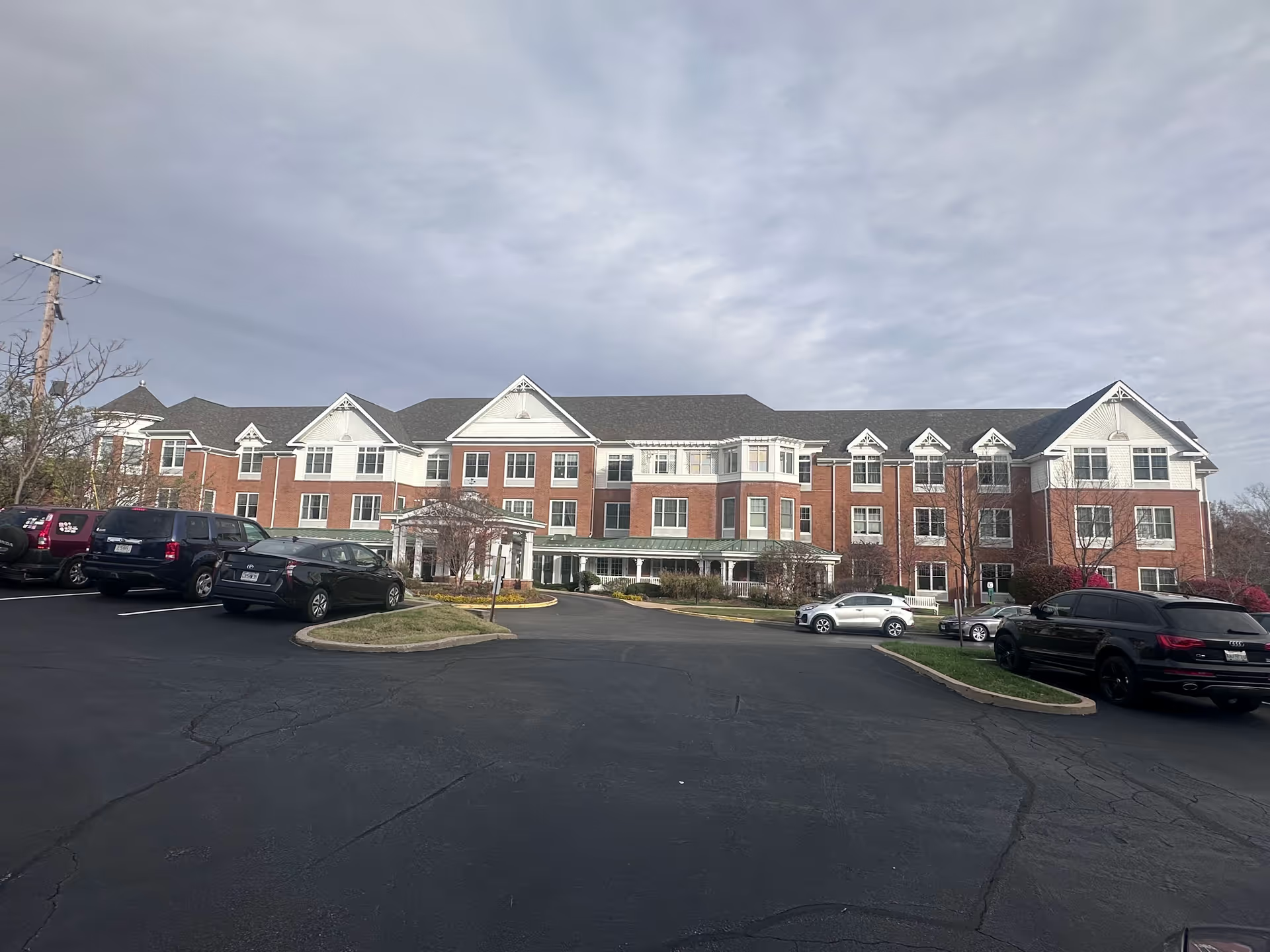
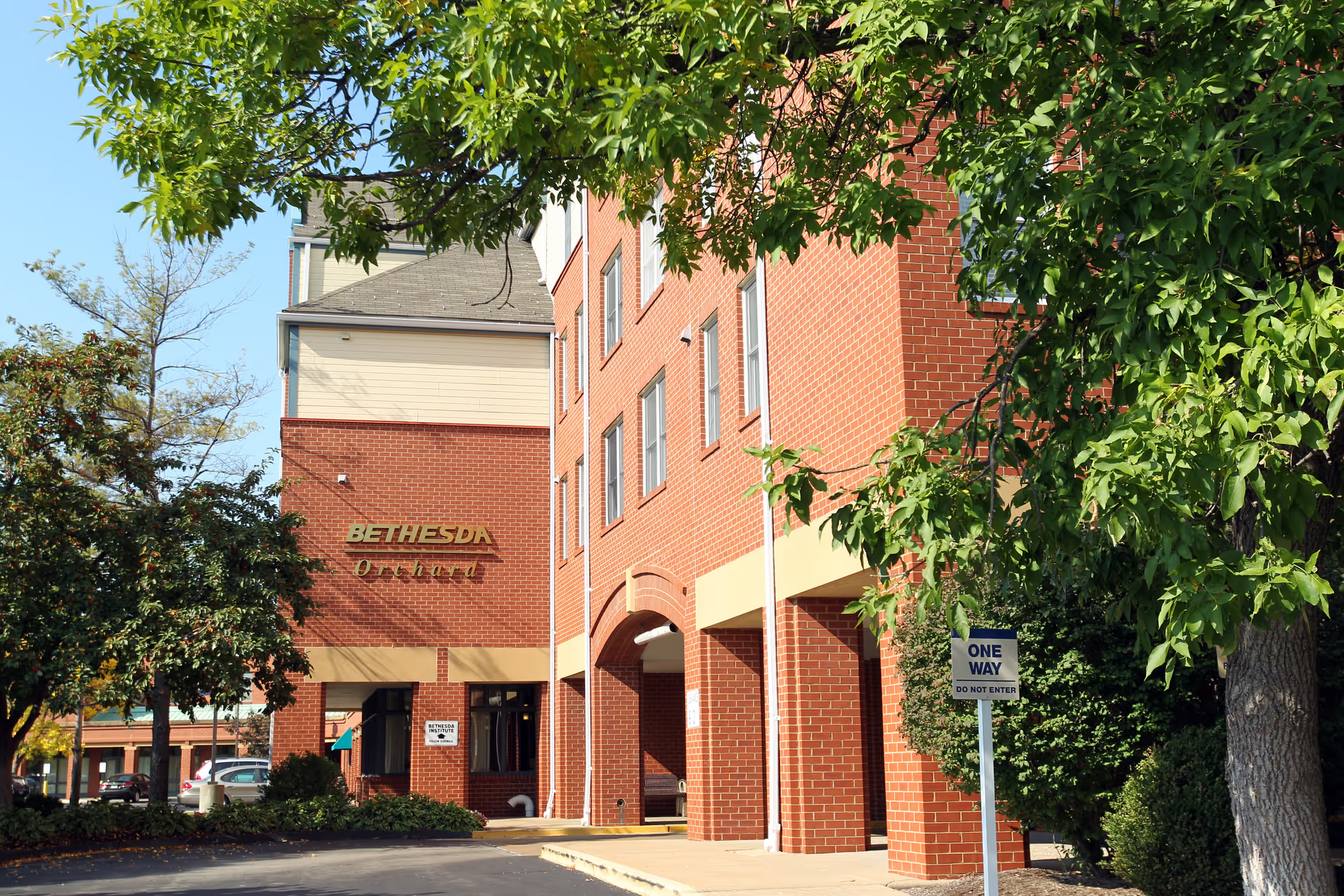
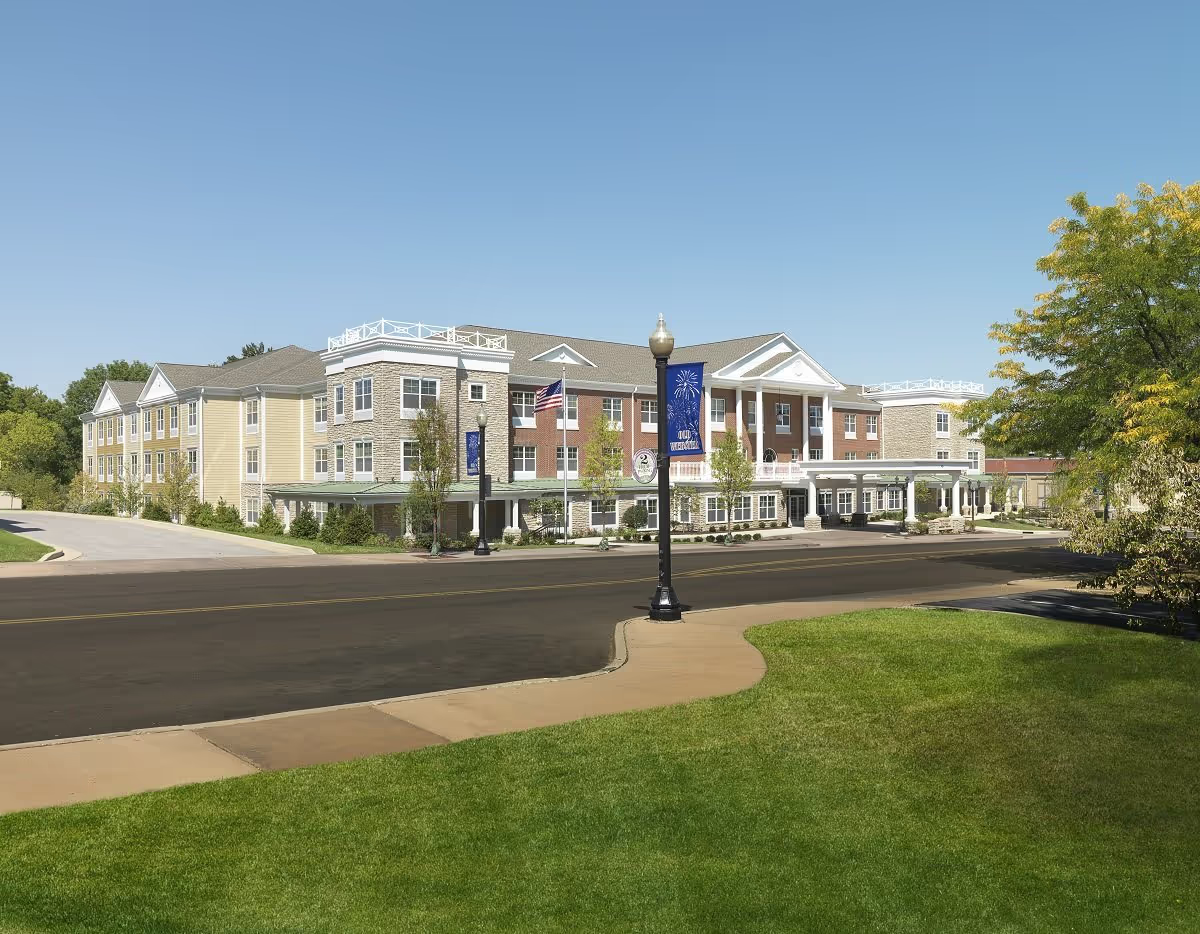
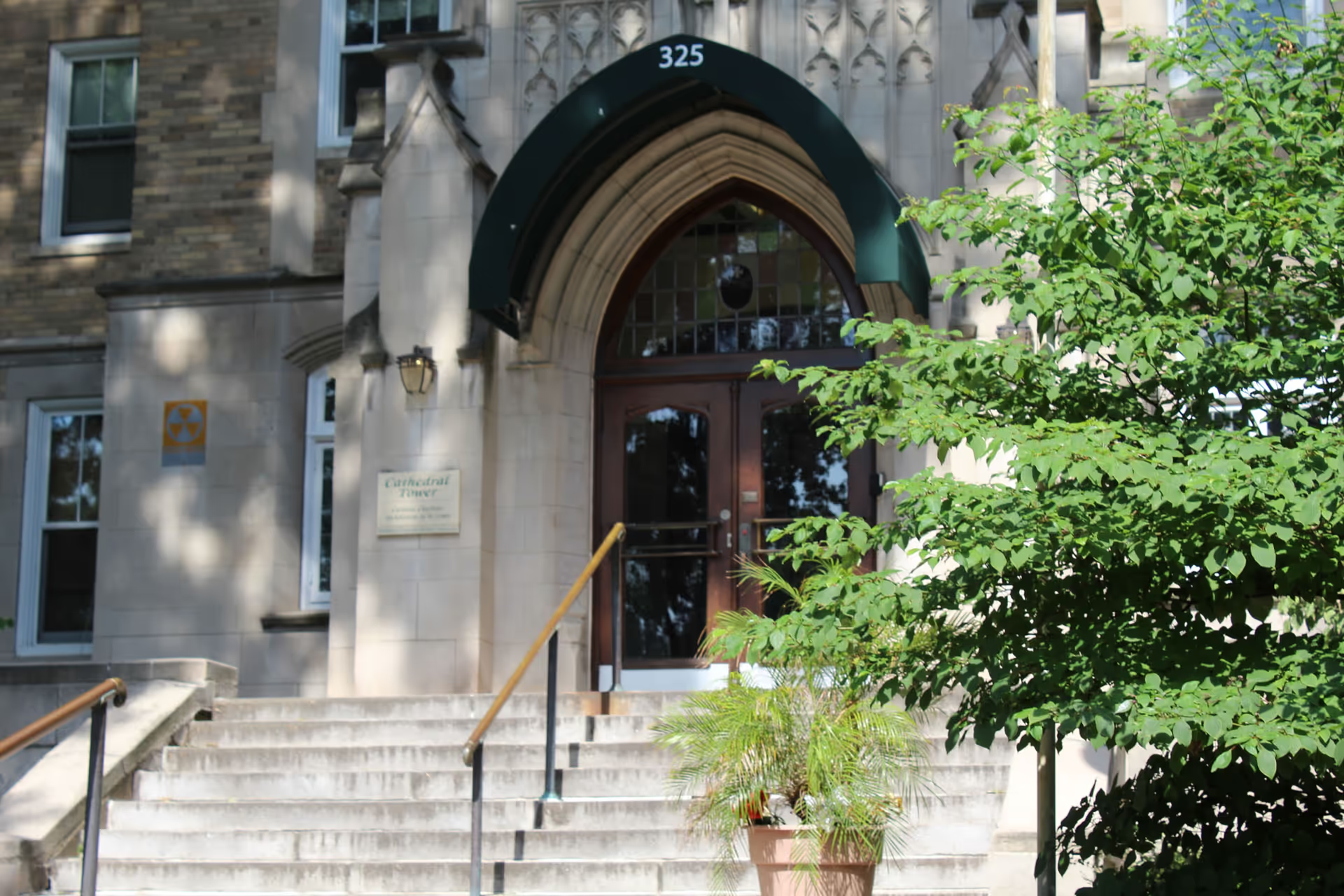
Richmond Terrace is consistently described as a small, well-maintained assisted living community with an emphasis on a home-like, family atmosphere. Residents and families frequently highlight the facility's bright common spaces, courtyard and outdoor access, and modern dining areas. Apartment options include private and companion configurations, and reviewers note accessible patios or balconies and generally tidy grounds. The community size (roughly eighty residents) and layout support a close-knit social environment.
Care quality is generally viewed positively. Multiple accounts emphasize compassionate, attentive staff who provide personalized support, 24/7 oversight, and hands-on help during transitions and post-incident follow-up. Families cite helpful coordination with benefits and placement services and examples of staff advocating for resident needs. At the same time, reviewers describe variability in staff performance — while many staff are characterized as exceptional and long-tenured, others are seen as less engaged or inconsistent. Operationally, the community appears geared toward assisted-living level care; several comments indicate limits in providing higher-acuity clinical services, so residents with advancing medical needs may require a different setting.
Dining and programming are prominent strengths. The dining experience is frequently praised for flavorful, chef-prepared meals, a bright dining room, and homemade desserts. Activity programming is robust with daily offerings (exercise, games like Wii and trivia, arts and crafts), holiday events, and scheduled outings using community transportation. Activity staff receive strong positive mentions for creativity and individualized engagement, including special efforts during periods of restricted visitation.
Management and operations receive mixed but generally favorable feedback. Intake and senior-living counseling are often described as responsive and supportive, and families note assistance with Social Security and paperwork. However, reviewers also point to operational gaps: occasional communication or scheduling lapses (for example, receptionist or no‑show coordination issues), variability in room maintenance and cosmetic upkeep, and limits in transportation scheduling/availability. Infection-control episodes prompted strict visitation policies and delivered-meal protocols; these measures were appreciated for safety by some families but were also experienced as restrictive by others.
Overall, Richmond Terrace presents as a clean, social, and well-staffed assisted living option with strong dining and activity offerings and a family-like culture. Prospective residents and families should weigh the facility’s strengths in personalized, community-oriented care and mid-range value against operational considerations: confirm the current maintenance standards for the specific unit, assess how the community manages higher-acuity medical needs, and clarify expectations around transportation and family communication protocols before committing.