The reviews reflect a facility with sharply mixed performance: many families and observers praise individual caregivers for compassion, responsiveness, and persistence under difficult conditions, yet recurring operational problems create significant concerns about overall care quality and safety.
Care quality and clinical concerns: Several accounts describe attentive bedside care and nurses who respond appropriately; simultaneously, there are recurring concerns about clinical oversight. Families reported issues consistent with weight loss, skin-integrity concerns, and delays in assistance with mobility. Reviewers expressed specific worries about psychotropic medication practices and general medication oversight, as well as uneven access to physician visits and therapeutic services. These patterns suggest variability in clinical processes and escalation pathways.
Staff and workforce issues: Staff are frequently described in positive terms — caring, hardworking, and committed, including during pandemic-related pressure. At the same time, understaffing, erratic scheduling, and caregiver fatigue were commonly cited and appear to contribute to slower response times, inconsistent personal care, and gaps in supervision. There are also concerns about staff conduct and communication tone in some encounters, and comments indicate morale and management–staff relations may be strained.
Dining and activities: Meal quality appears inconsistent. Multiple reviewers noted limited fresh produce and expressed nutrition concerns linked to resident weight loss. Activity programming is described as limited or not sufficiently meaningful for many residents; therapy access was also described as constrained, which may affect outcomes for residents needing rehabilitation or engagement.
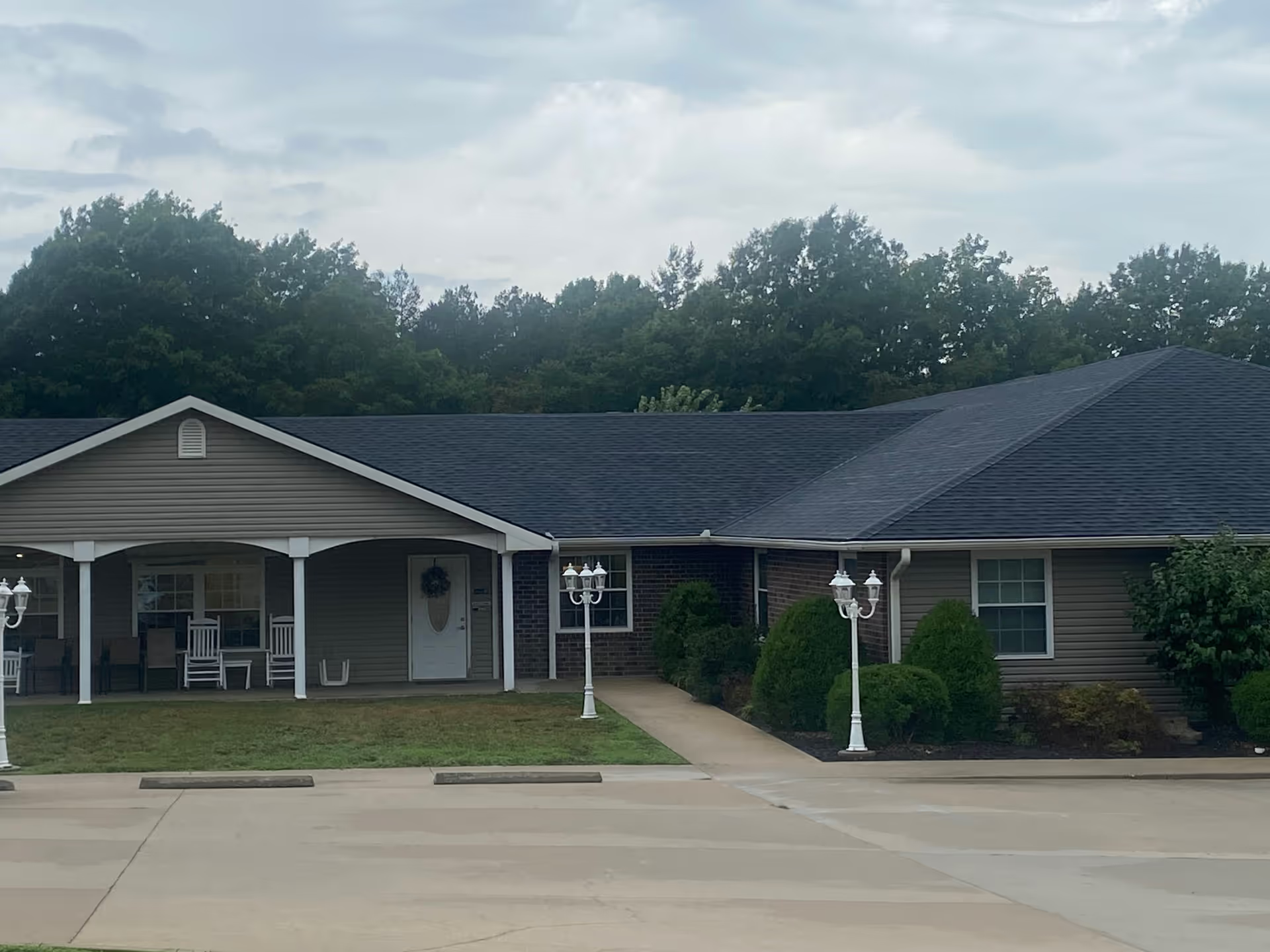
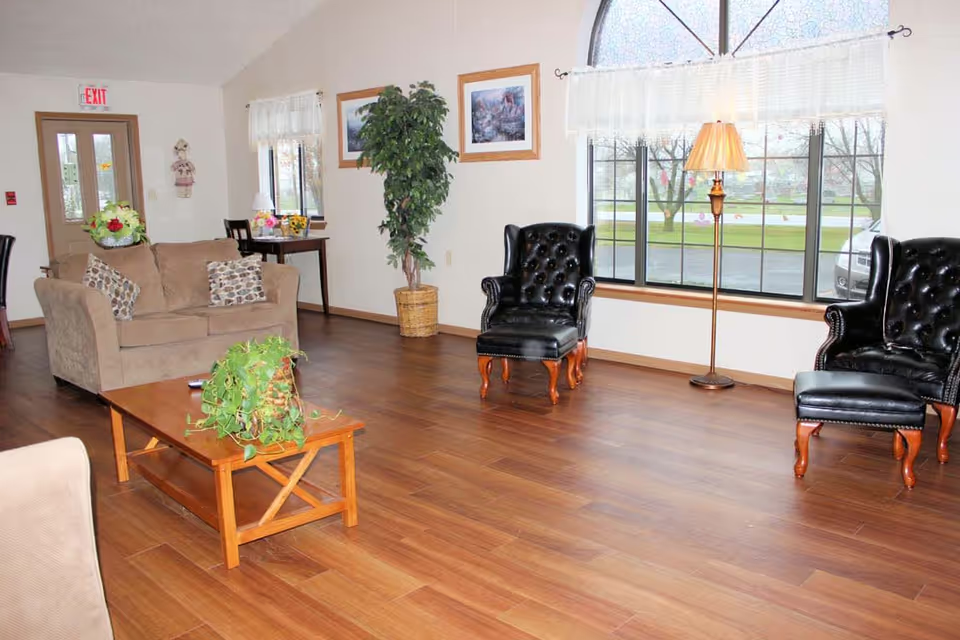
Facilities and maintenance: A strong theme is deferred maintenance and cleanliness issues at the facility level: room repairs, broken fixtures, and general sanitation and odor concerns in some units and hallways were noted. HVAC and temperature-control problems, pest-control concerns, and overcrowded rooms reduce perceived comfort and safety. Some reviews did note unit-level improvements after remediation efforts, indicating that conditions can vary notably between units.
Management, safety, and compliance: Families reported inconsistent communication from administration, perceptions of favoritism, and difficulties obtaining clear answers about incidents. There are serious operational-level concerns including security of personal belongings and resident-to-resident safety incidents. A small number of commentators referenced alleged billing irregularities and state-level scrutiny; these are notable and warrant verification through official records and inspections.
Notable patterns and takeaways: The dominant pattern is a facility where individual staff often provide compassionate care but system-level weaknesses—particularly inadequate staffing, maintenance backlogs, inconsistent medication oversight, and communication deficits—undermine consistent, reliable care. Conditions appear to vary by unit, with some areas showing improvement following remediation. Prospective families should inquire specifically about staffing ratios, medication-management protocols, recent regulatory inspections, HVAC and pest-control measures, nutrition plans, and the frequency and content of activity and therapy programming when evaluating placement.