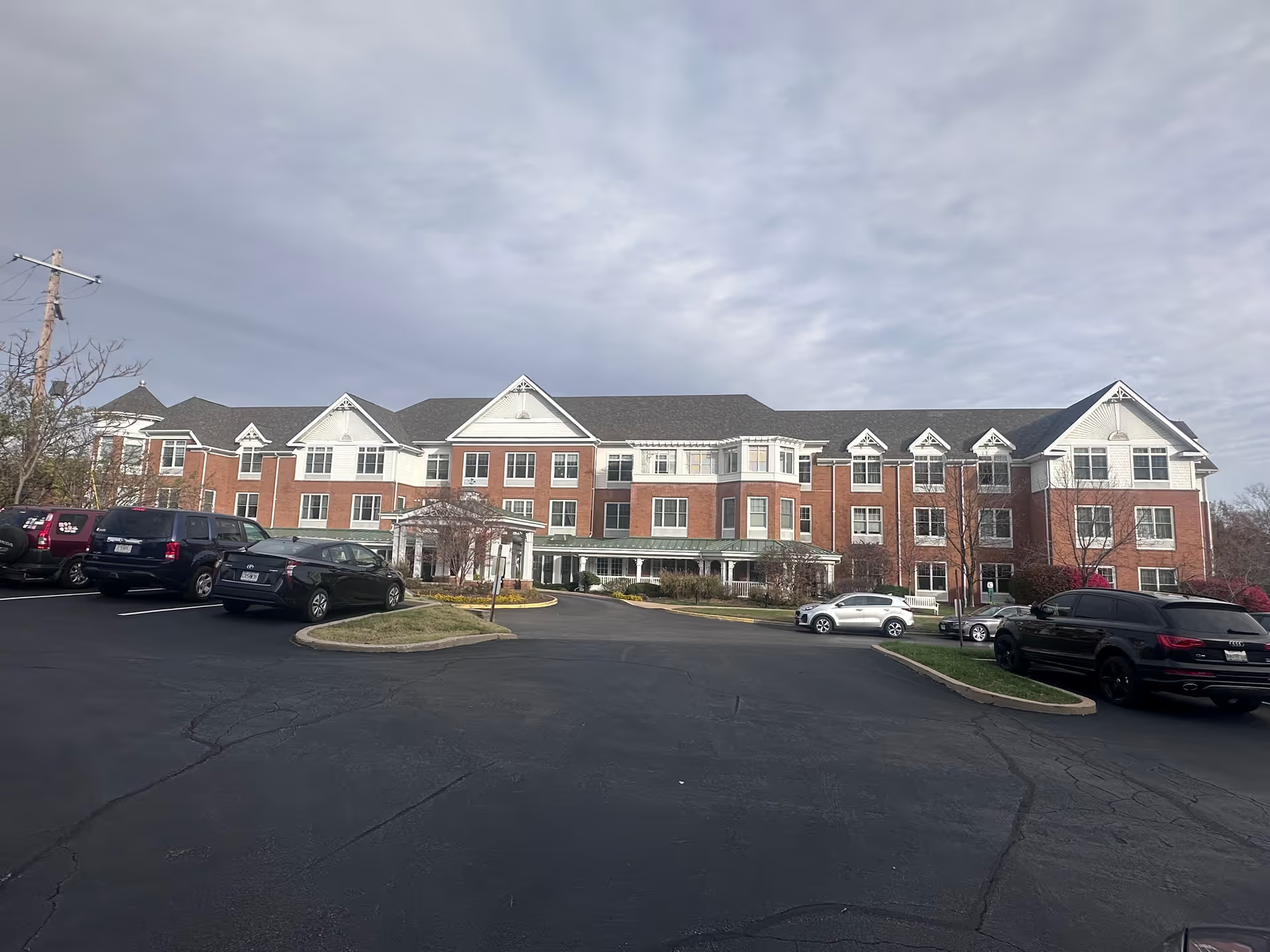
Overall impression: Experiences at Mary Queen and Mother Center are mixed, with clear strengths in rehabilitation services, activities, and some aspects of hospitality, alongside recurring operational concerns that have affected families differently. Several reviewers praised the facility’s therapy programs, onsite physical and occupational therapists, and rehabilitation-focused dining and common spaces. The campus amenities — a chapel, outdoor courtyard, wings with their own dining rooms, and an active schedule of games and events — are consistently noted as positive contributors to resident quality of life.
Care and clinical oversight: Clinical services receive divergent evaluations. Many families complimented attentive nurses, caring CNAs, and staff who advocate for residents’ schedules (for example, accommodating dialysis). At the same time, there are repeated accounts indicating inconsistent responsiveness to essential needs and questions about clinical follow-up, including medication management and escalation of medical issues. These reports suggest variability in the application of clinical protocols and occasional lapses in timely assessment or communication with physicians and families.
Staff and communication: Staff warmth and professionalism are frequently highlighted — nursing and therapy staff are often described as friendly and welcoming. However, reviewers also report inconsistent staff conduct and empathy, with some aides characterized as less attentive or curt. Communication and coordination across shifts and with families were identified as problem areas; several reviewers described the need to speak with multiple staff members to resolve issues and raised concerns about disorganized or fragmented handoffs.
Dining and nutrition: Dining is generally viewed positively in terms of variety and quality, with options available at meals and a rehab dining area noted. A specific service gap mentioned is the absence of a dedicated diabetic menu, which may be relevant for prospective residents with specialized dietary needs.
Activities, transportation, and facilities: The facility offers an active calendar (card games, music, Bingo, puzzle therapy) and transportation for shopping and appointments, which families appreciated. Physical spaces and cleanliness were commonly described as well-maintained, and the locked-community feature is a noted safety benefit for residents prone to wandering. Practical limitations cited include small private-room sizes and occasional unreliability in transportation scheduling.
Management and value: Administrative responsiveness receives mixed comments — some reviewers call administration well run and concerned about care, while others express frustration with perceived cost versus quality. Value-for-cost concerns appear in descriptions of disappointing care relative to price. There are also mentions of staffing shortages affecting service timeliness, which ties back to the operational concerns above.
Patterns to consider: The set of reviews shows a polarized pattern: positive experiences centered on rehabilitation, therapy staff, activities, and cleanliness; negative experiences focused on inconsistent staffing, communication breakdowns, and safety/clinical oversight lapses. Prospective residents and families would benefit from a focused tour and direct questions about current staffing ratios, medication-review processes, transfer and equipment-safety protocols, diabetic or specialized diets, and transportation scheduling. Observing mealtime service and a shift change can provide additional insight into day-to-day operations and staff–resident interactions.