The reviews portray a facility with a mixed profile: several reviewers highlight a small‑town, quiet atmosphere and staff who can be friendly and personally attentive, while others raise operational and clinical concerns that materially affect perceived quality of care. Patterns of positive interpersonal interactions and engagement coexist with recurrent complaints about management, clinical processes, and the physical plant.
Care and clinical practices: Review content suggests uneven clinical oversight. Key operational gaps include inconsistent medication management and an apparent absence of reliable individualized care plans. These deficiencies are associated with broader concerns about inconsistent care quality and delays in meeting resident needs. Prospective families should specifically evaluate medication-administration protocols, care-plan development and review cycles, and how the facility documents and communicates clinical changes.
Staff and culture: There are contrasting impressions of staff behavior. Some accounts describe friendly, attentive caregivers who provide a personal touch and active engagement. Other accounts point to staff dissatisfaction and indications of staffing instability, which can contribute to variability in service delivery. The combination suggests that resident experience may depend heavily on which staff members are present and on staffing levels at any given time.
Dining and activities: Reviews reference resident engagement and a personal approach to activities, consistent with the small-community feel. There is no clear, consistent feedback about dining quality in the supplied summaries; neither strong praise nor detailed complaints about meals appear. Families interested in dining should request menus, sample meals when possible, and ask about how dietary needs and medication schedules are coordinated.
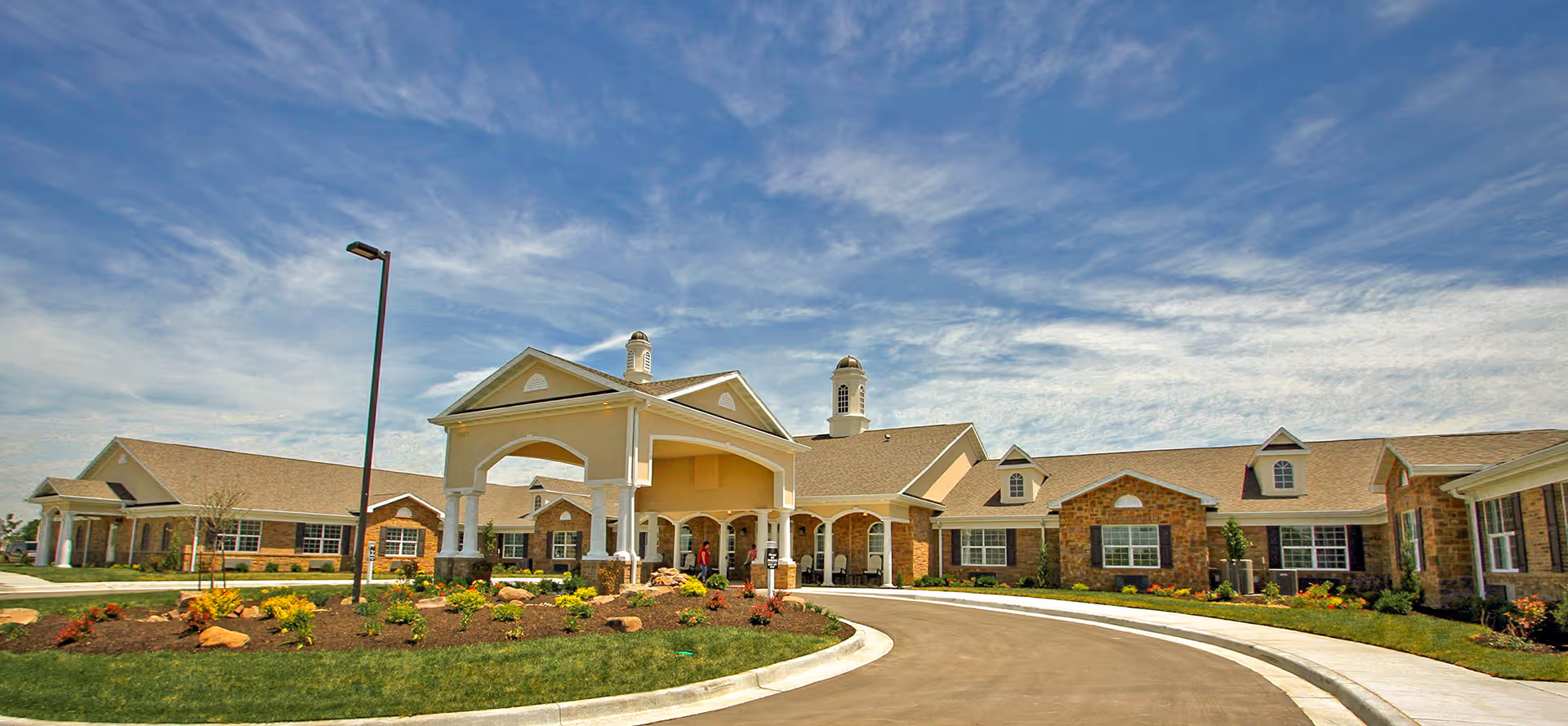
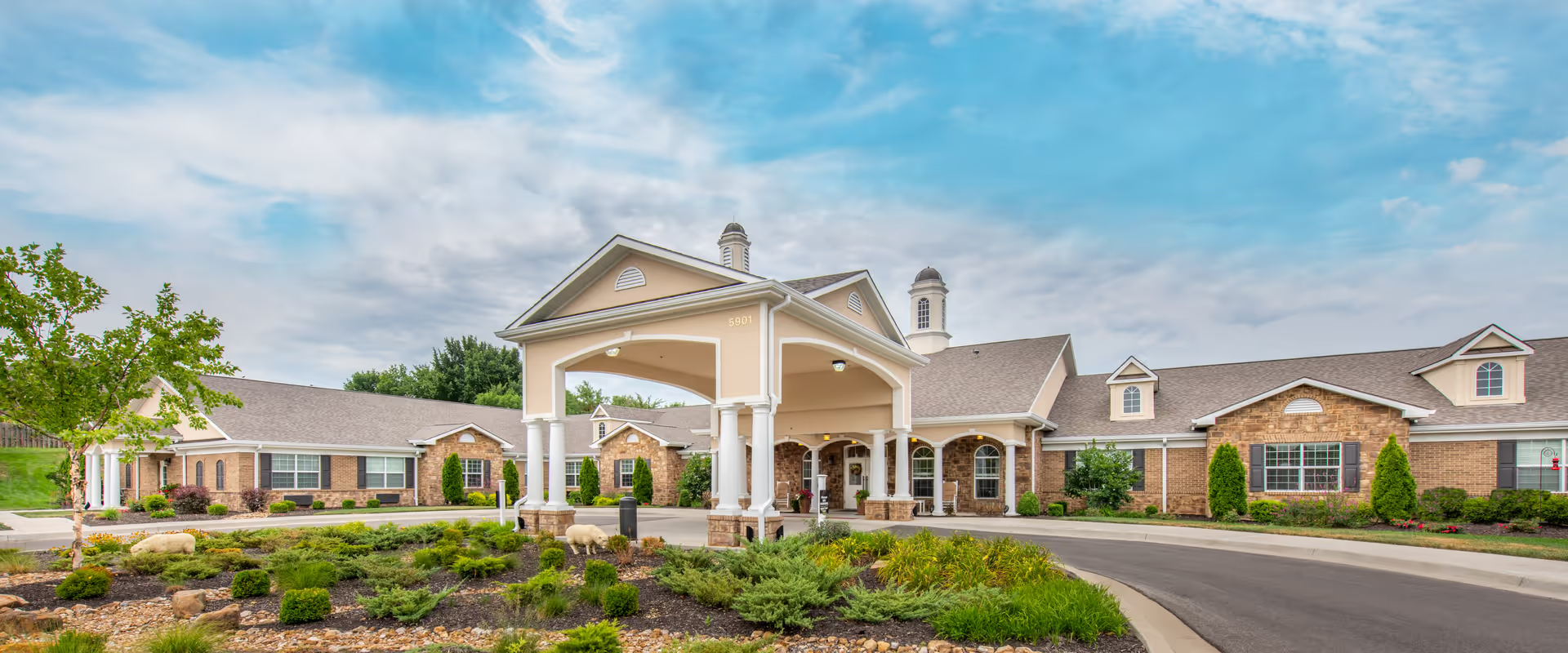
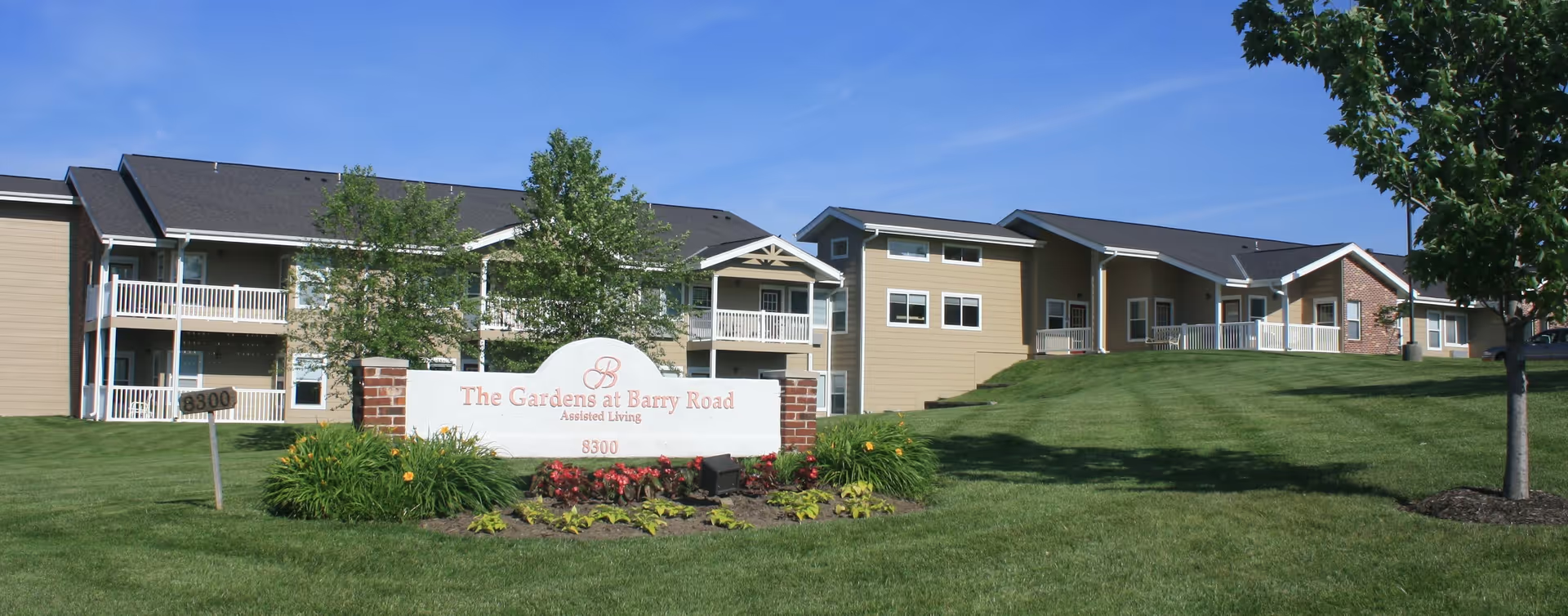
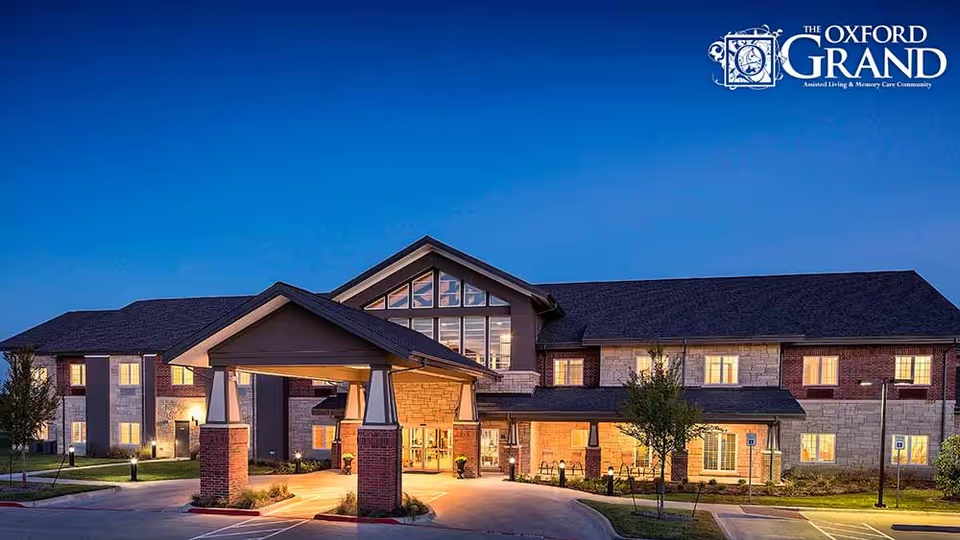
Facilities and environment: The facility is described as quiet and relaxing by some, but reviewers also note aging decor and general maintenance or sanitation concerns. The physical environment appears serviceable in parts but dated overall; attention to cleaning and upkeep is a recurring theme that prospective visitors should inspect during a tour.
Management and reliability: Management responsiveness is a frequent issue in the summaries: reviewers report unresponsiveness, unmet promises, and a perception that financial considerations take precedence over resident needs. These operational traits manifest as unreliable follow-through and communication gaps between families and leadership. Such patterns can amplify clinical and service-level inconsistencies.
Notable patterns and guidance: The overall pattern is one of variable performance—strong interpersonal care in some interactions but systemic weaknesses in clinical processes, facilities upkeep, and management responsiveness. Prospective residents and families would benefit from targeted questions about staffing ratios, turnover, medication administration protocols, individualized care-plan procedures, maintenance schedules, complaint resolution processes, and financial/billing policies. Reviewing recent inspection reports and speaking with current families can help clarify whether the facility’s strengths align with a prospective resident’s priorities.