The reviews present a polarized view of the facility: several families describe a warm, family-like environment with attentive caregivers and confidence in individualized care, while other accounts raise operational and safety concerns. There are isolated but serious claims regarding staff conduct that warrant careful verification; reviewers also repeatedly cite systemic issues such as gaps in clinical coverage and infection-control practices.
Care quality and clinical staffing are a central area of contrast. Positive accounts emphasize personalized attention and steady relationships between staff and residents. Conversely, multiple concerns point to inconsistent medication-management processes, insufficient clinical staffing levels and the absence of a full-time nurse, and delays or variability in responsive care. These are facility-level patterns that can affect clinical reliability and should be clarified with the provider prior to placement.
Staff culture and family communication receive both praise and criticism. Many families note open, transparent communication and staff who make residents feel treated like family. At the same time, other reviewers cite concerns about staff conduct, responsiveness, and morale; a number of comments link these concerns to management practices and heavy-handed oversight. Prospective families should evaluate staff turnover, observe interactions, and ask about staff training and supervision.
Dining and kitchen operations also show mixed impressions. Compliments coexist with complaints of small portions, reheated or poorly warmed food, and kitchen-hygiene shortfalls. These statements indicate variability in meal quality and food-safety practices rather than uniformly poor or uniformly excellent dining. Activity programming is not a prominent theme in the feedback; if engagement or therapeutic activities are important, families should request program schedules and examples.
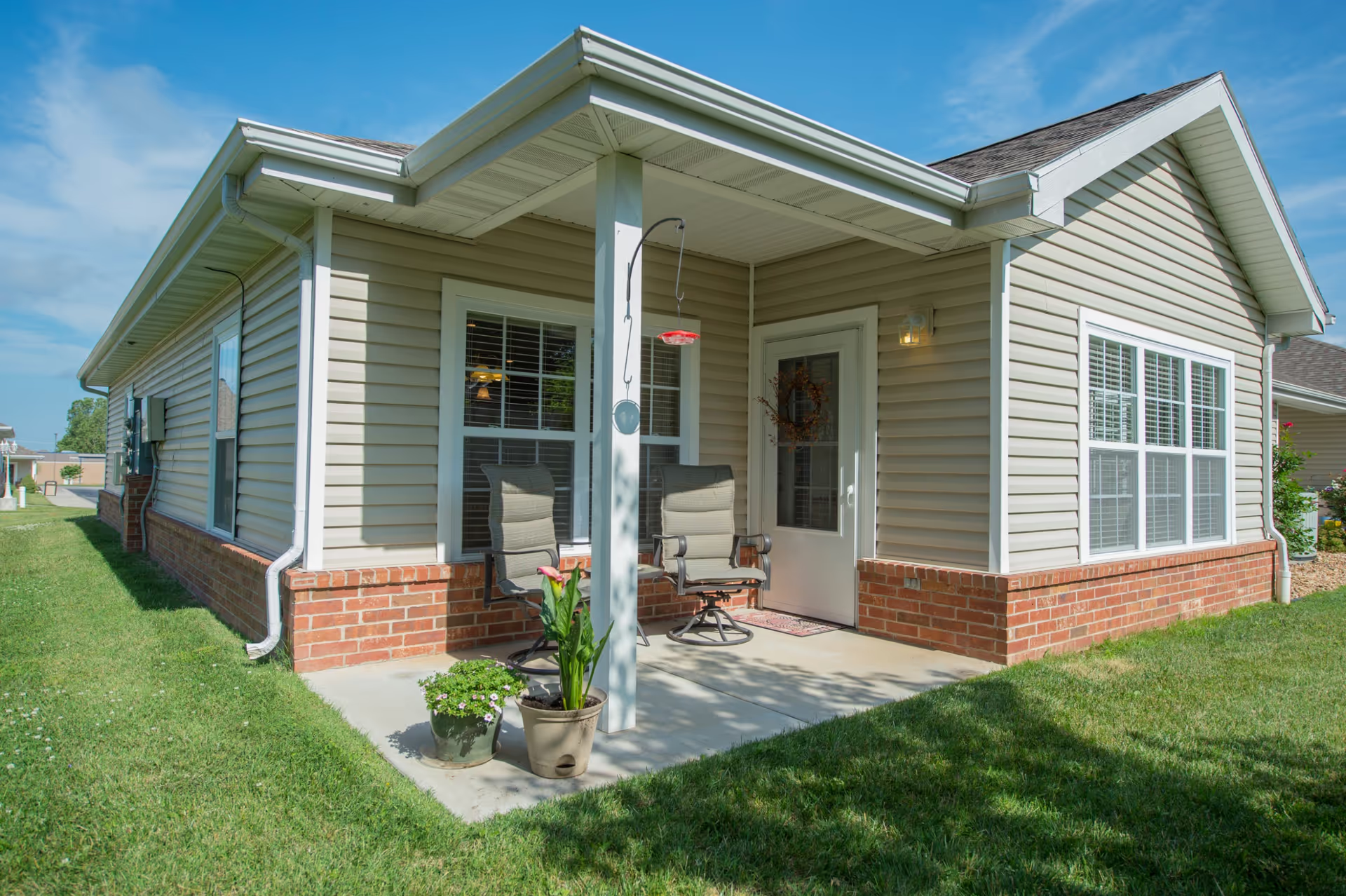
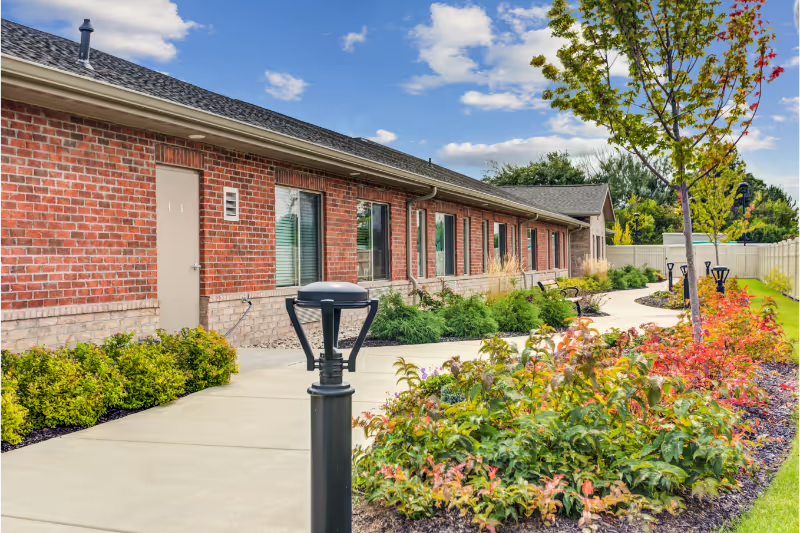
Facilities and environmental services present a mixed picture. Several reviewers describe clean, well-kept common areas, while others report sanitation concerns, laundry odor issues, intermittent housekeeping lapses, and episodic failures of building systems such as air conditioning or water-dispensing cleanliness. These discrepancies suggest inconsistent maintenance and environmental controls across time or areas of the home.
Management and governance are noteworthy. There are comments describing an involved, family-oriented owner who can be a positive presence; there are also concerns about management style affecting staff behavior and operations. There is at least one mention of an allegation of physical mistreatment; conversely, other responses characterize critical accounts as stemming from disgruntled staff. Given this mix, families should review incident logs, complaint resolution processes, staffing ratios, and official licensing/inspection records.
Taken together, the pattern indicates a facility that can deliver attentive, personalized care for many residents but that also exhibits operational inconsistencies — particularly around clinical staffing, medication practices, infection prevention, kitchen hygiene, and maintenance. Prospective residents and families should perform in-person observations, request documentation of nurse coverage and medication protocols, inspect meal service and housekeeping routines, and ask for references from current families to reconcile the divergent perspectives.