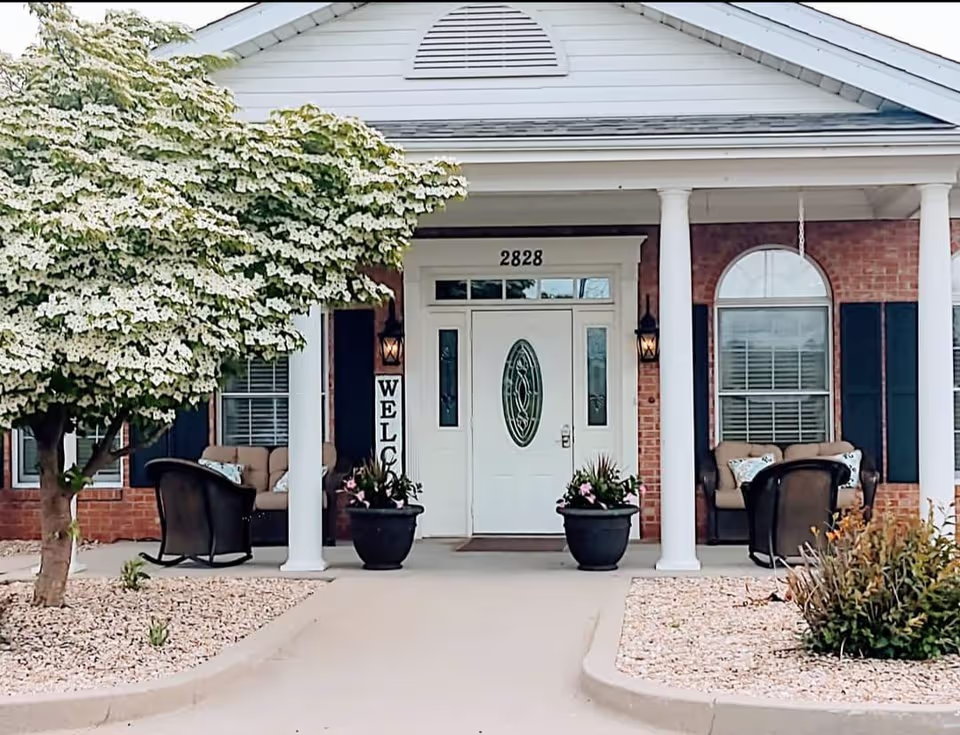
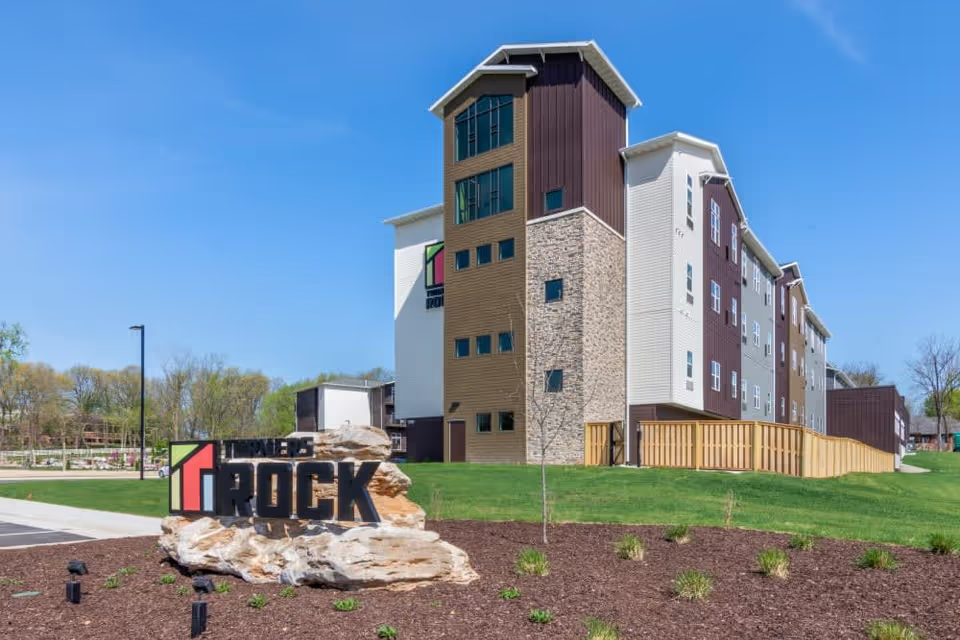
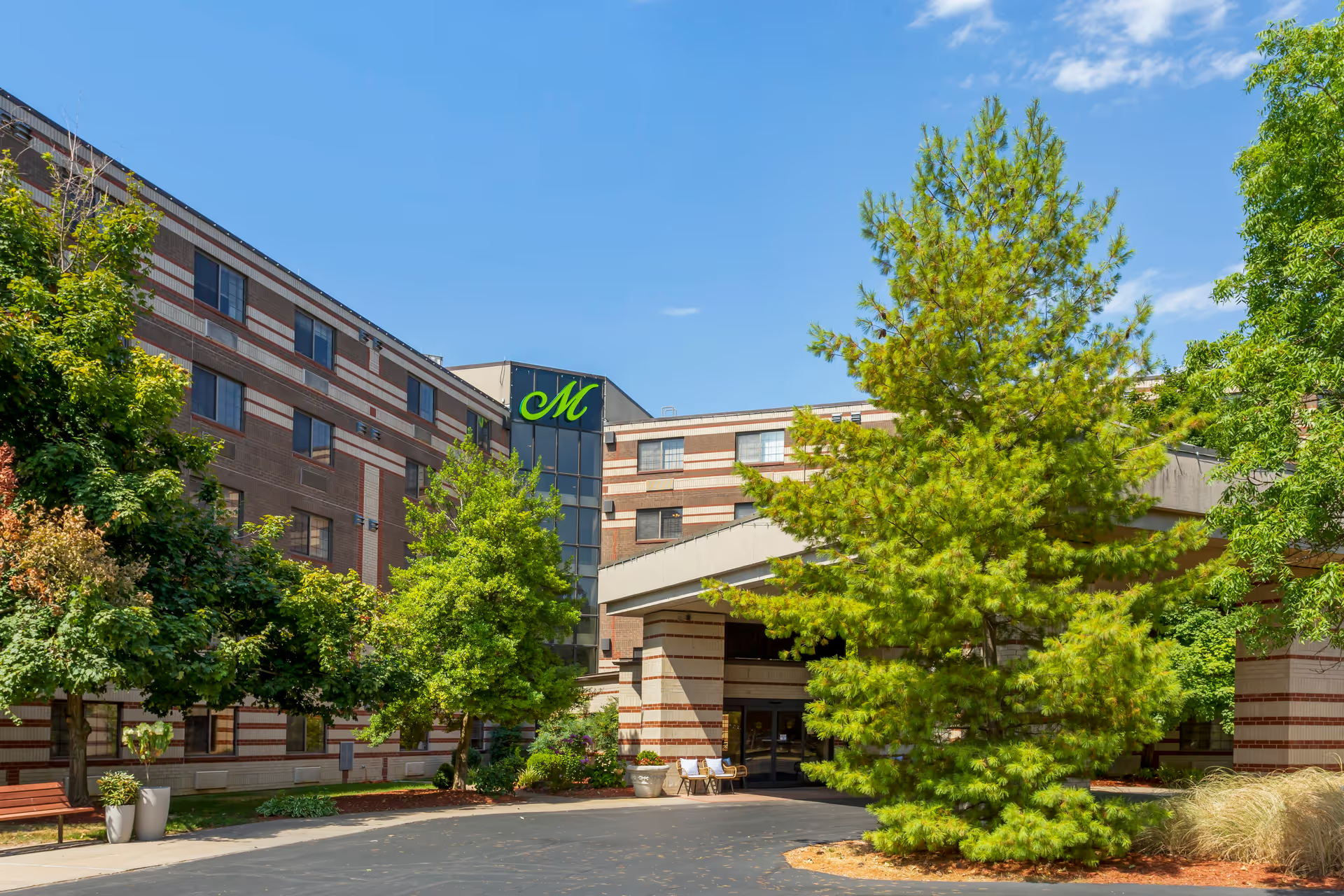
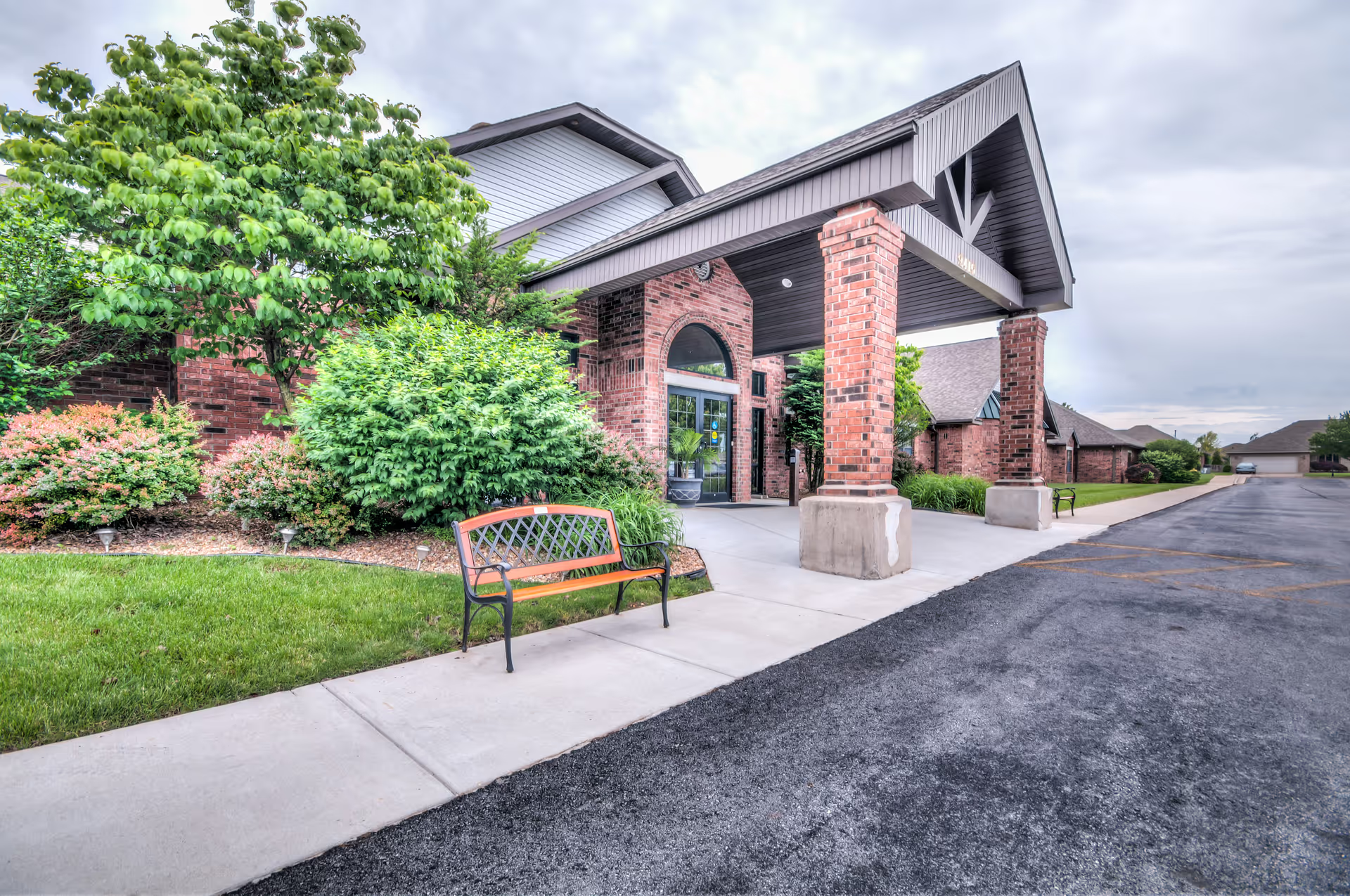
Maranatha Village presents as a campus-style senior living provider with a broad continuum of care, on-site medical and rehab resources, and a mix of housing options ranging from studio apartments to duplexes, private rooms, and two-room suites. Reviewers consistently note well-kept grounds, a clean facility overall, and a community atmosphere centered on chapel programming and organized activities. The availability of therapists, medication assistance, and an on-campus hospital connection are described as strengths for residents who need clinical services.
Care and staff are frequently cited as a positive aspect: many families and residents describe staff as friendly, compassionate, and attentive, with nursing and therapy teams that support rehabilitation and daily assistance. That said, there are recurring comments about variability in responsiveness and continuity of personnel; several accounts indicate delays in follow-up, slow maintenance responses, and occasional communication breakdowns between families and the office. Reviewers also raised concerns about emergency-response timeliness and the clarity of safety protocols, suggesting prospective families confirm those procedures during a tour.
Dining experiences appear mixed. The community offers three meals and a communal dining area plus a meal-delivery option for apartments. Some reviewers praise the food and dining service, while others note a limited menu, few a la carte options, and instances where meals prepared off-site arrived cool. Overall, dining quality and menu variety are inconsistent across reports, so families should ask about current menu cycles and delivery logistics.
Social programming is a relative strength: the campus supports a range of activities including bingo, Bible studies, arts-and-crafts, guest speakers, and chapel services, along with common gathering spaces, a TV room, and garden/courtyard areas. These offerings support resident engagement and fellowship, though a number of reviewers identified gaps in how activities are communicated and occasional transportation limitations to off-site or on-campus events.
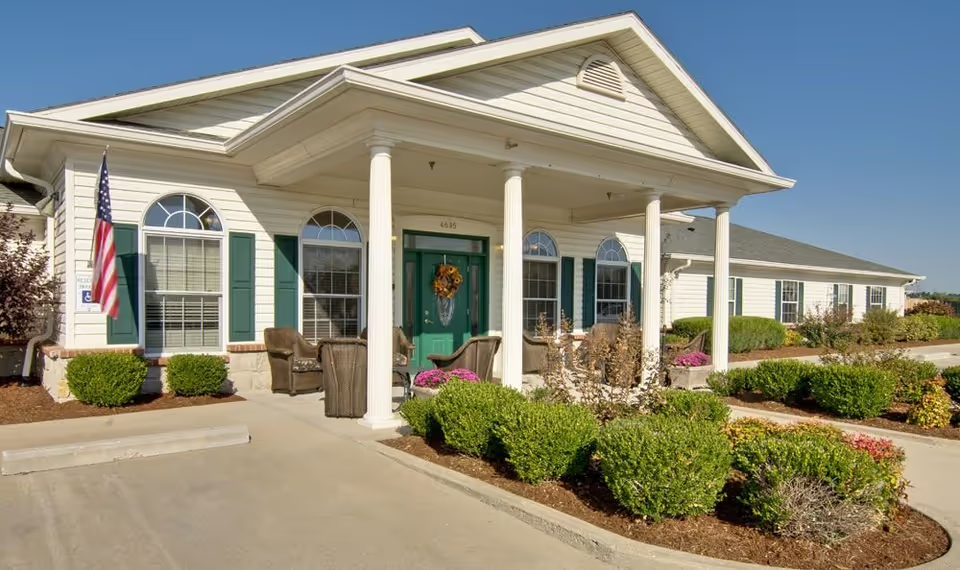
Facilities themselves combine updated buildings and older structures. Positive notes include spacious, wheelchair-friendly bathrooms in many units and condo-like private living options; negatives include small room footprints in some units, limited closet/storage space, and dated finishes in portions of the campus. Common areas and grounds earn consistently positive remarks for cleanliness and aesthetics.
Administrative and operational concerns surface repeatedly. Multiple reviewers mention unexpected charges or billing issues, occasional disorganization in scheduling, slow resolution of maintenance requests, and limited cable/technology options. A subset of families expressed stronger concerns about financial administration and about management responsiveness; these are operational areas worth probing in person. Prospective residents should request written explanations of fees, maintenance response timelines, emergency procedures, and current activity schedules.
In summary, Maranatha Village offers a range of housing choices, an active program of social and faith-based activities, on-site clinical resources, and generally compassionate staff within a well-maintained campus. The main trade-offs are variability in dining and administrative operations, uneven facility condition across buildings, and some communication and responsiveness gaps. A careful visit focused on billing transparency, emergency procedures, dining arrangements, and maintenance response expectations will help families determine whether the campus aligns with their priorities.