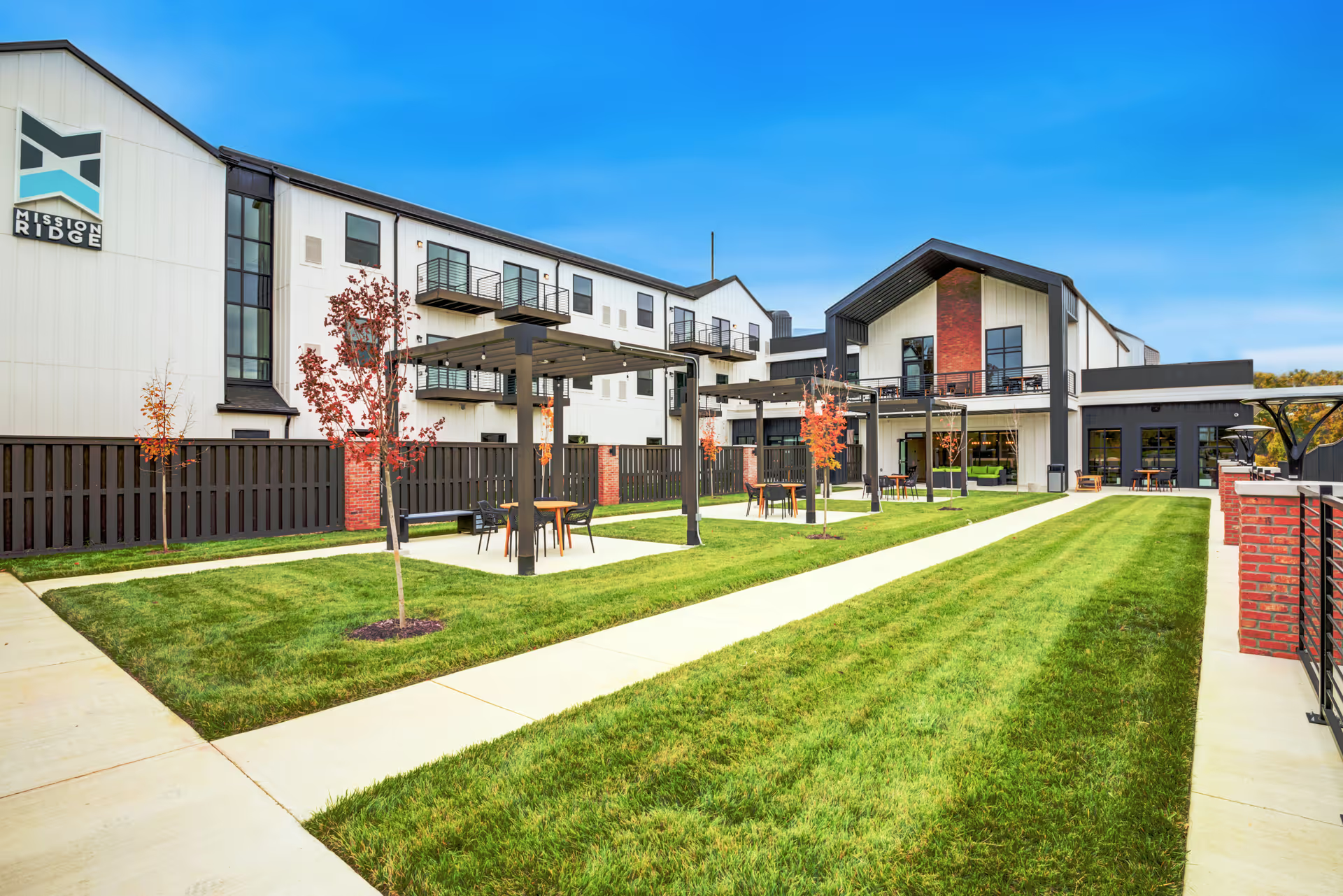
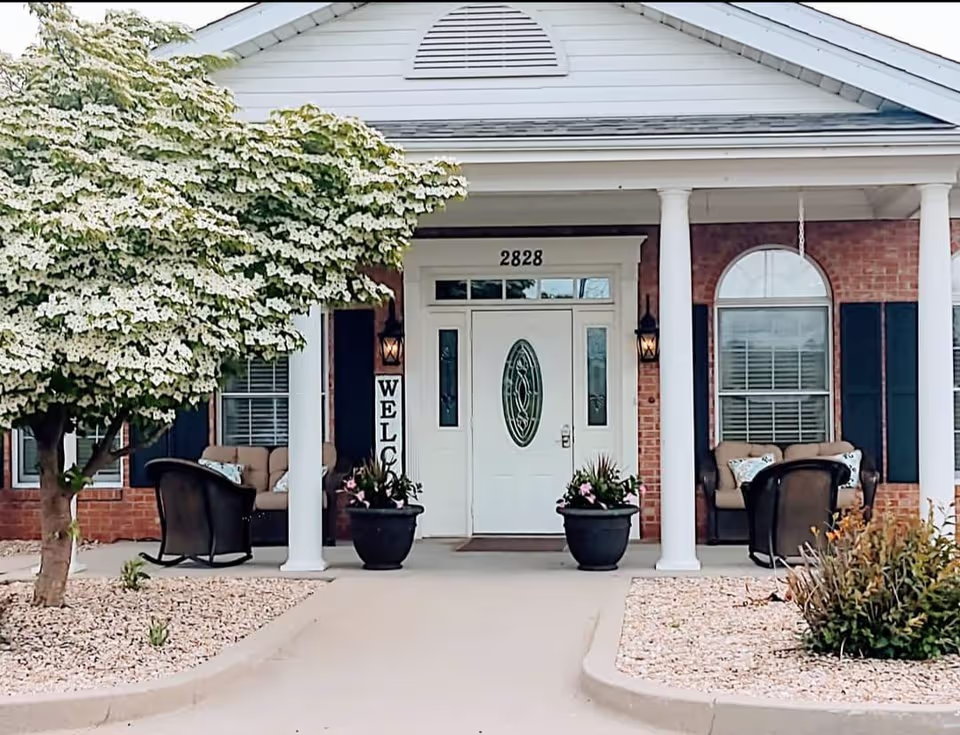
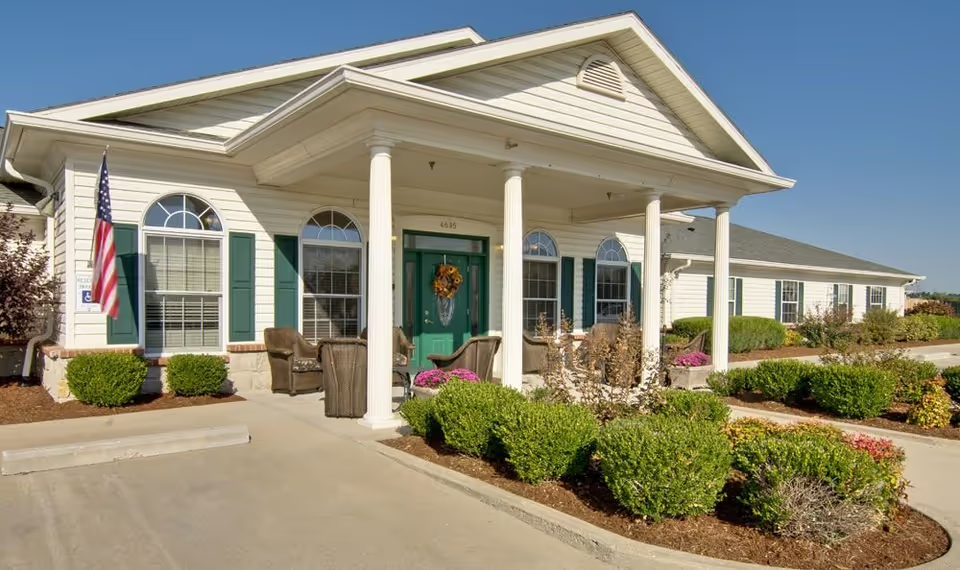
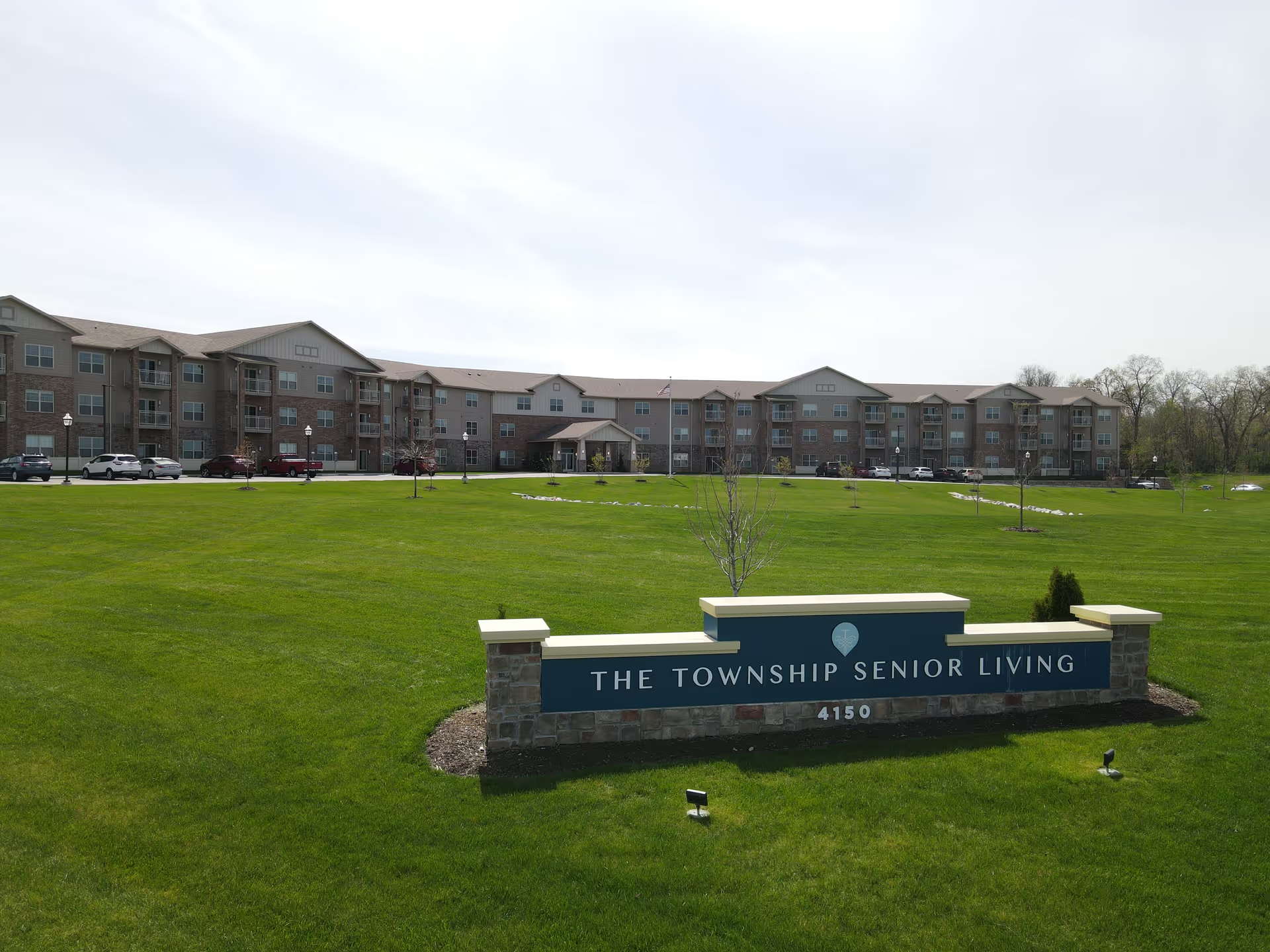
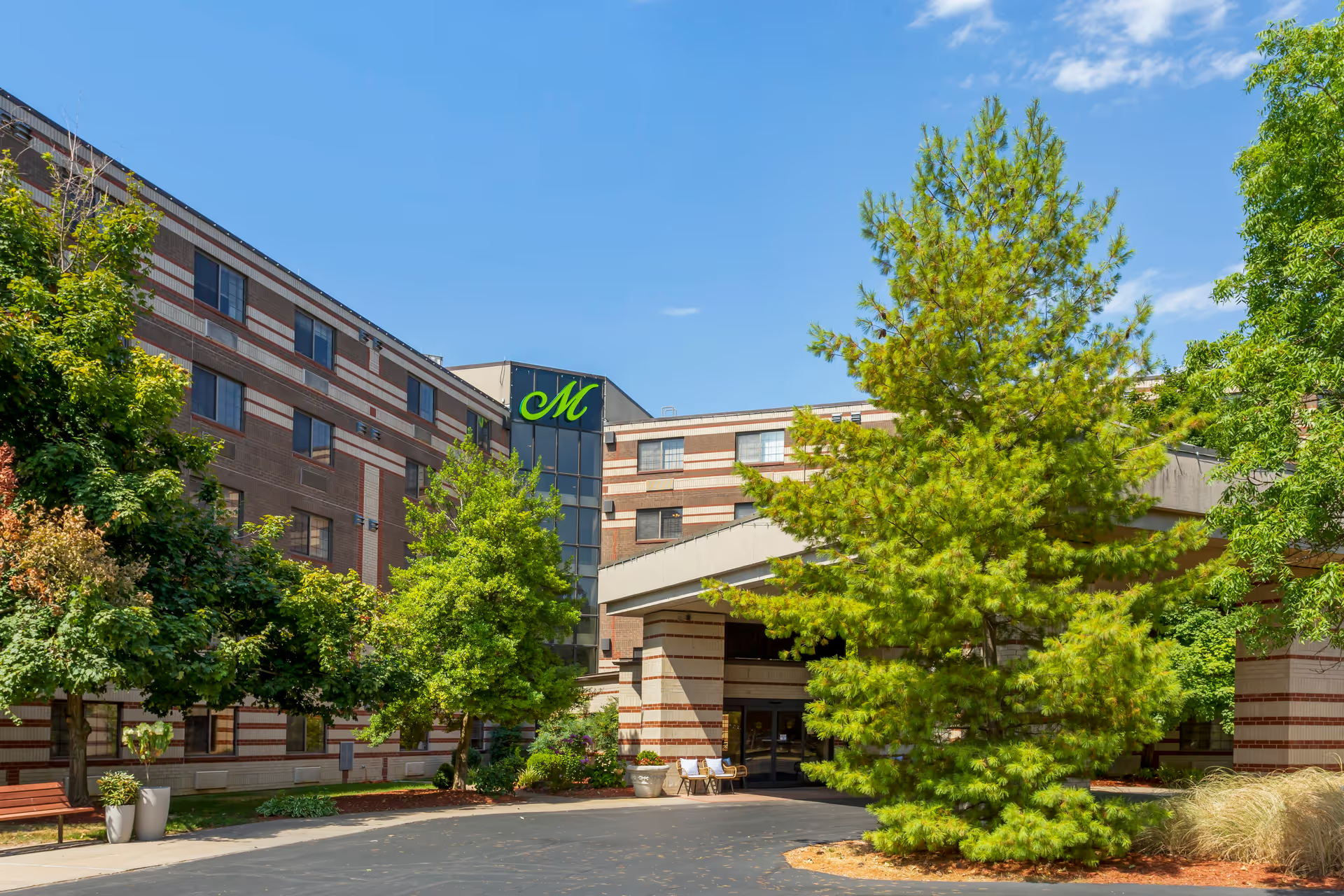
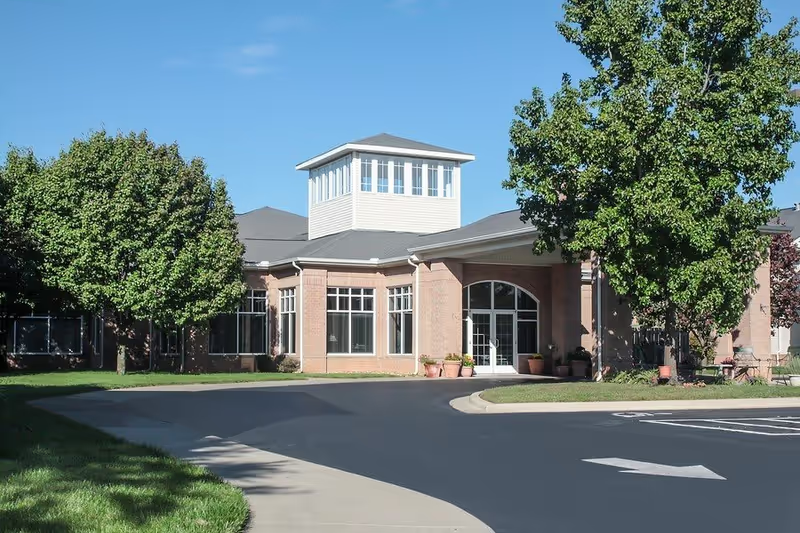
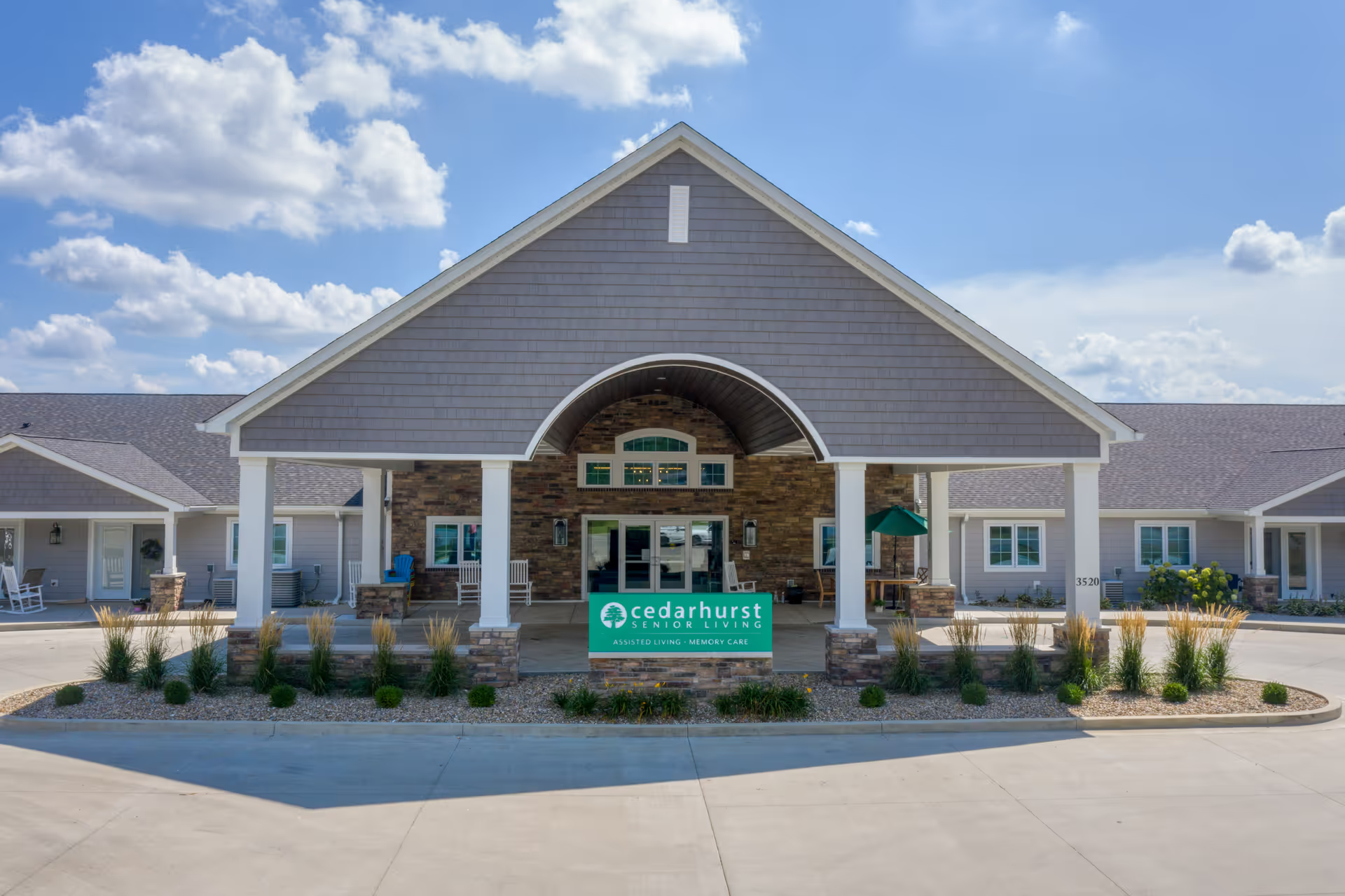
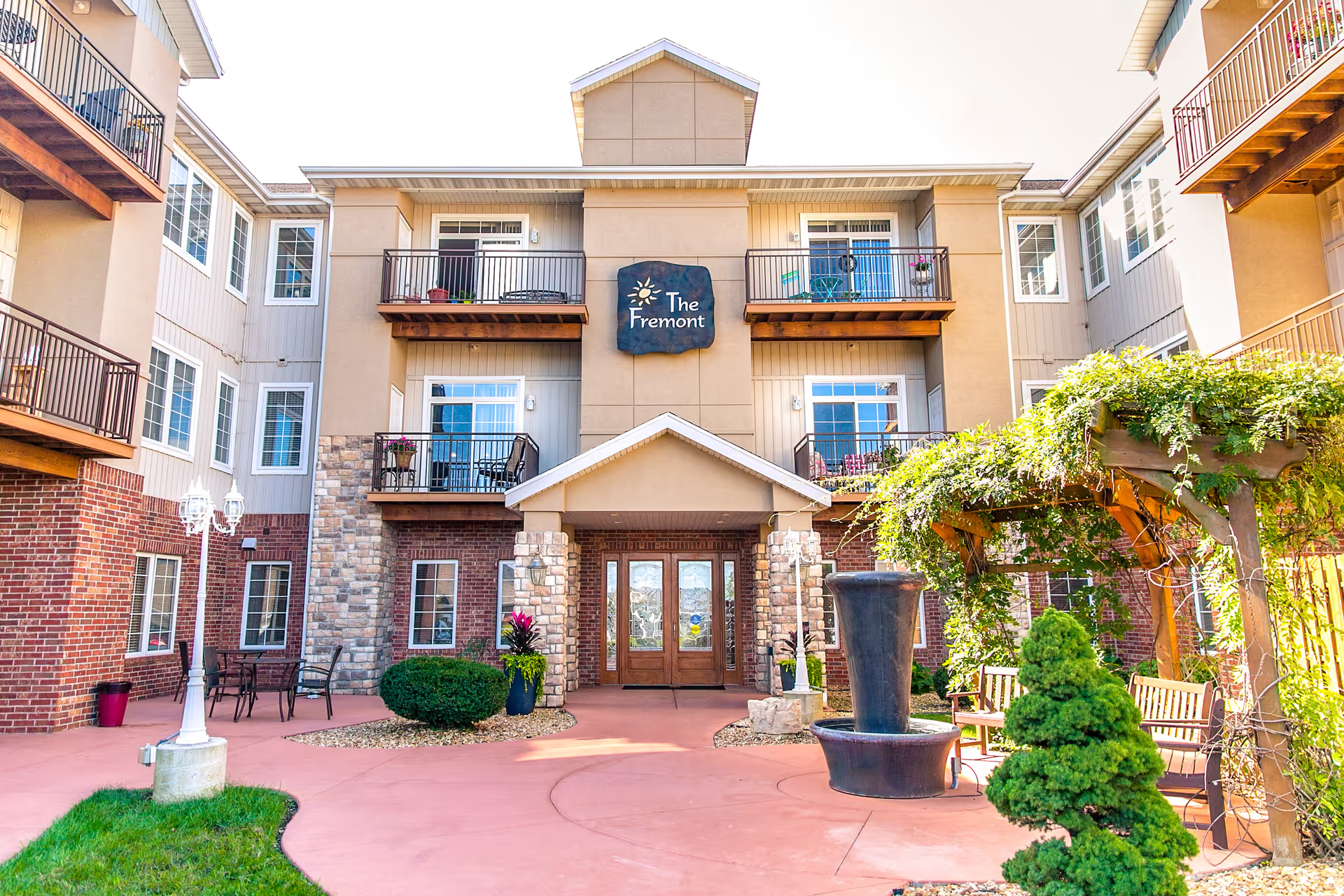
The reviews portray a facility with a strong social program and many operational strengths alongside recurring operational concerns. On the positive side, families and residents consistently describe caring, attentive staff and an active, varied activities program that includes frequent musical events, outings, exercise classes, and social games. Common areas are described as bright, welcoming, and well maintained; apartments offer homelike touches such as walk-in showers, generous closet space, in‑room microwaves and refrigerators, basic cable and Wi‑Fi, and outdoor courtyards that support a community atmosphere.
Dining and daily life receive mixed but often favorable commentary. Numerous reviewers praise a restaurant-style dining room, three meals a day, and meals prepared with fresh ingredients. The activity calendar and transportation services (doctor trips, shopping outings) are cited as meaningful contributors to resident quality of life. Admissions and move-in assistance are frequently noted as supportive, with staff helping with logistics and setup.
However, a persistent cluster of operational weaknesses appears across reviews. Staffing variability and turnover are repeatedly linked to uneven care: when staffing is adequate reviewers describe attentive, compassionate care, but when staffing is thin there are reports of delays in attending to residents and inconsistent aide performance. Medication administration and documentation practices are another consistent concern, and there are several serious complaints about medication billing and record-keeping that families flagged as requiring clearer controls and receipts.
Financial and management issues are also prominent themes. Reviewers cite unclear contract terms (including a non-refundable deposit practice), disputed charges, and slow or incomplete refunds; these point to gaps in billing transparency and financial processes. Management and leadership turnover is described as disruptive by multiple families, contributing to communication shortfalls and inconsistent follow-through on complaints. Relatedly, some reviewers raised safety and supervision concerns for residents with higher dementia-related needs, indicating the community may be better suited to residents who require moderate assistance rather than intensive memory-care supervision.
Taken together, the pattern suggests a facility that provides a warm, activity-rich environment with many staff who go above and beyond, but that has operational vulnerabilities in staffing consistency, clinical documentation (particularly medication), food-service reliability, and billing/administrative transparency. Prospective residents and families should weigh the strong social and environmental aspects against these operational risks, clarify contract and billing terms in writing, ask about current staffing ratios and clinical oversight, and determine appropriateness for residents with significant dementia or high-acuity care needs. Additionally, request examples of how the facility has addressed past billing and medication concerns to assess responsiveness and quality-improvement practices.