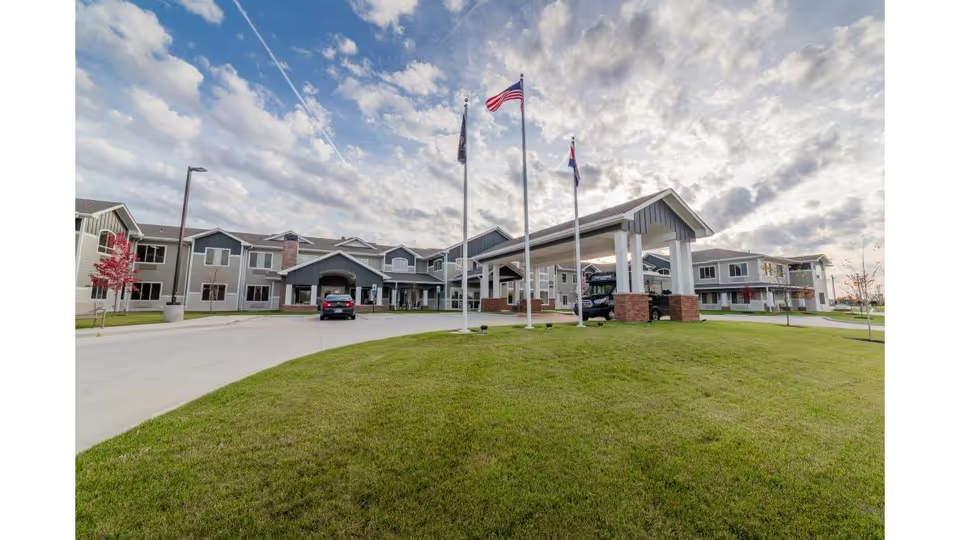
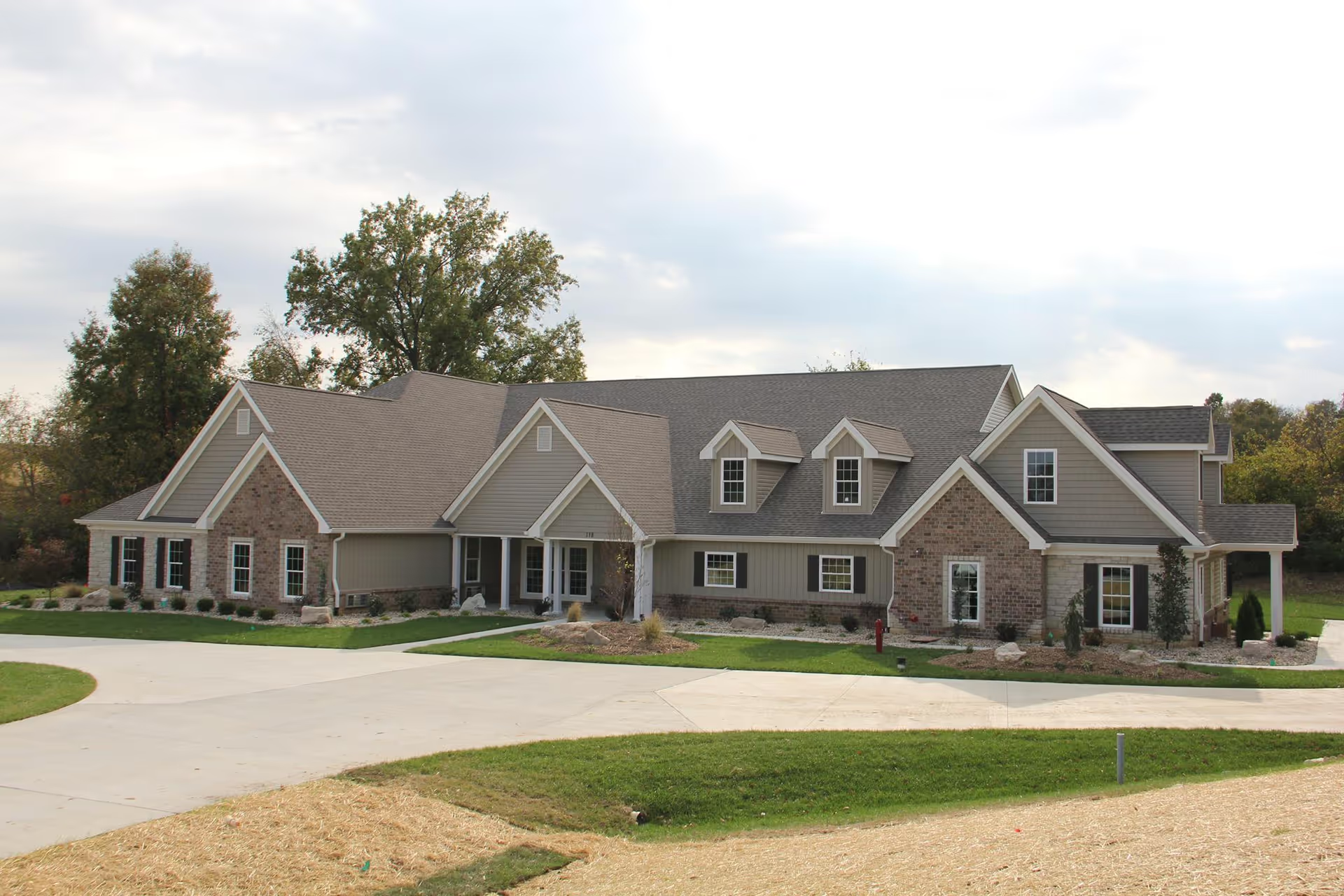
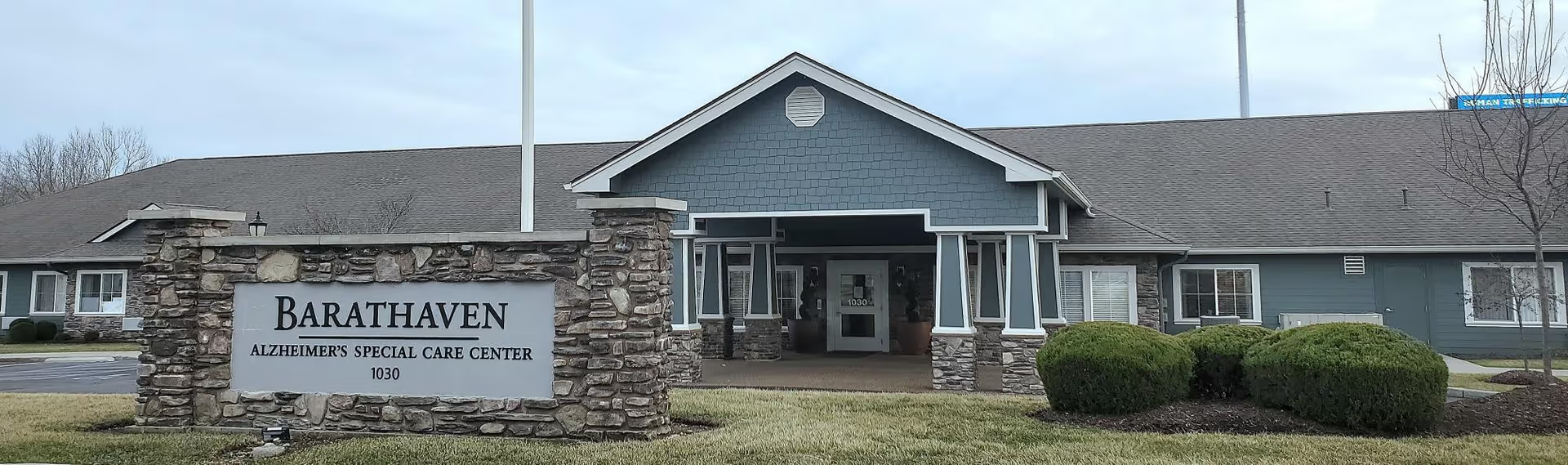
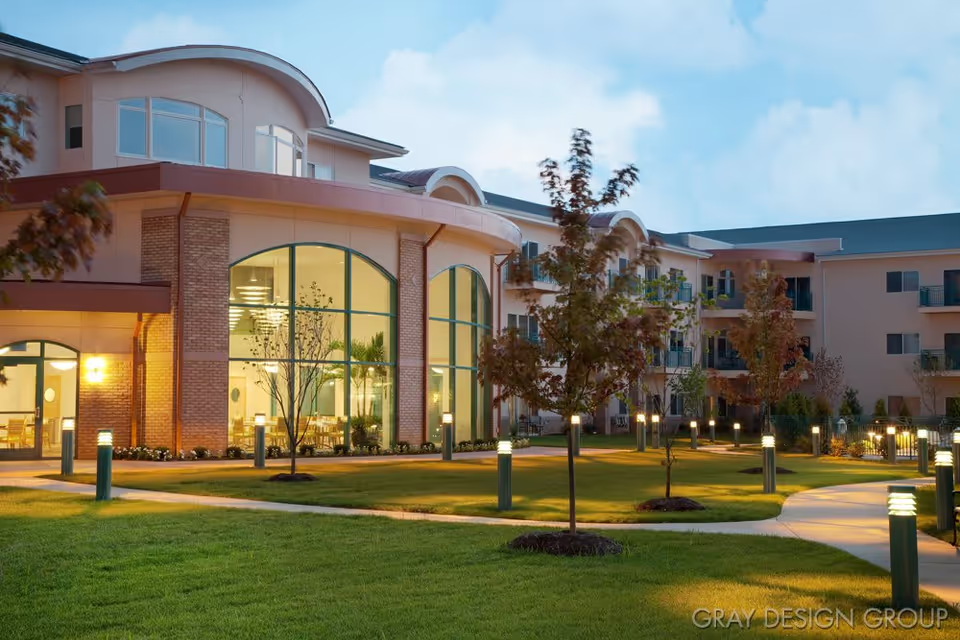
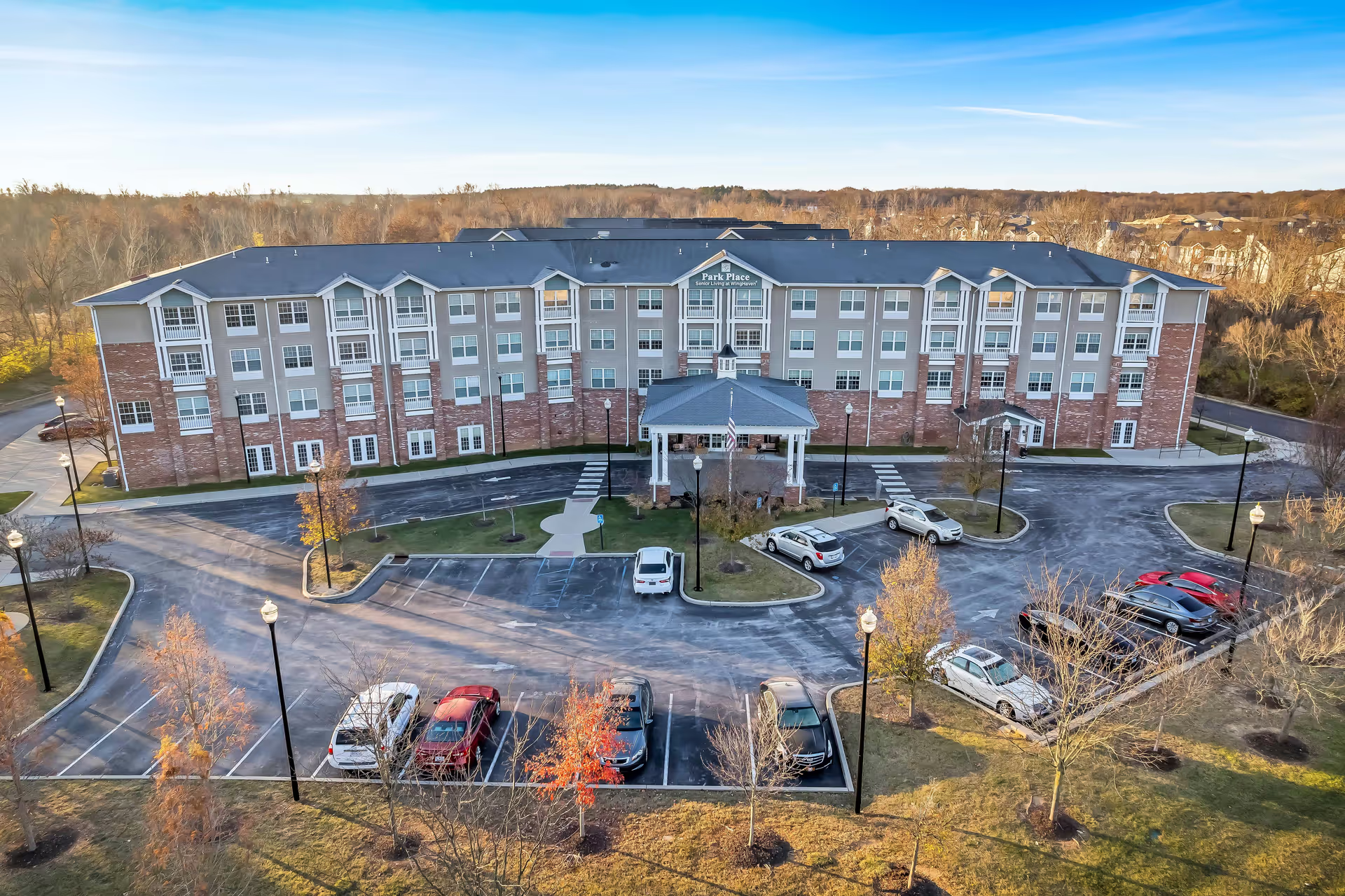
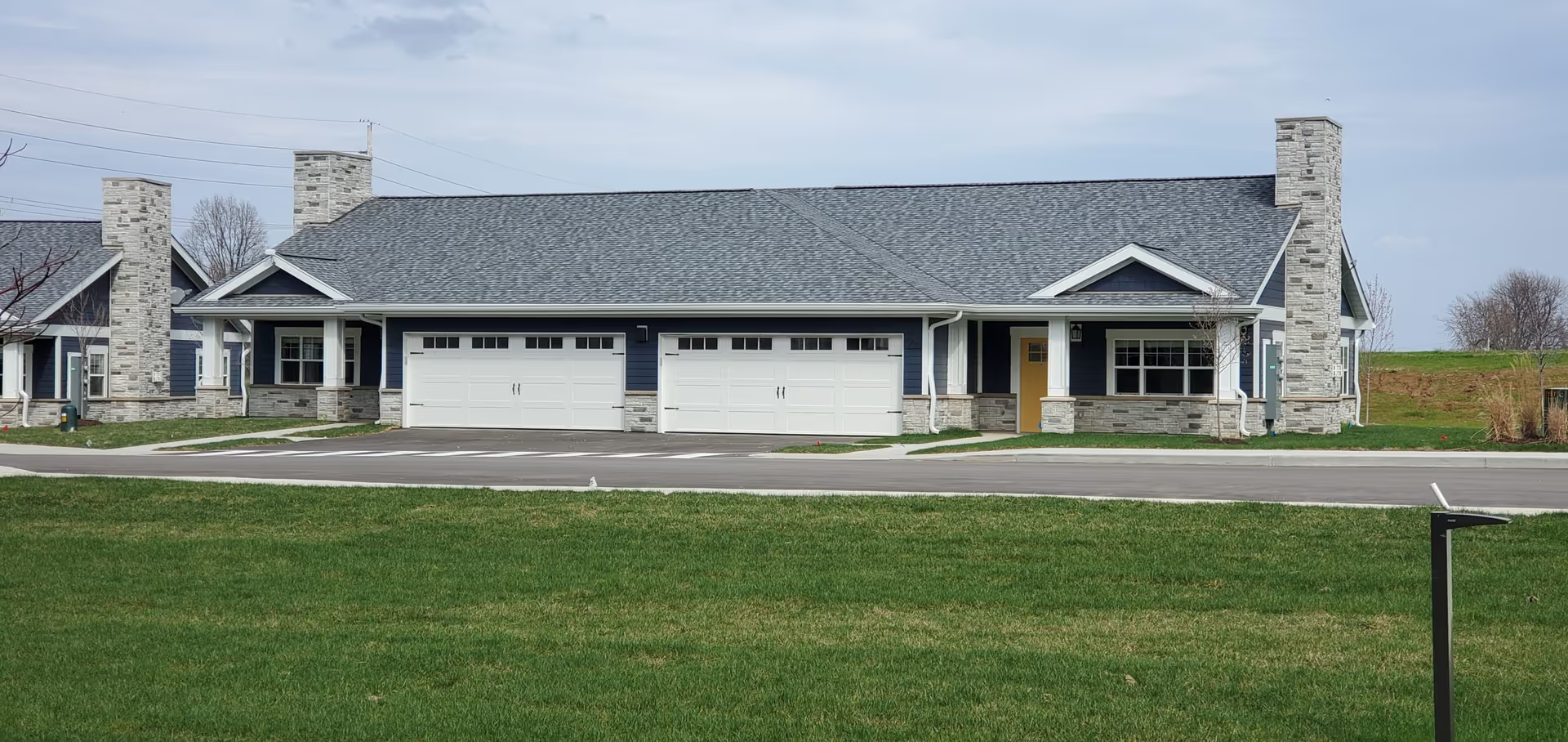
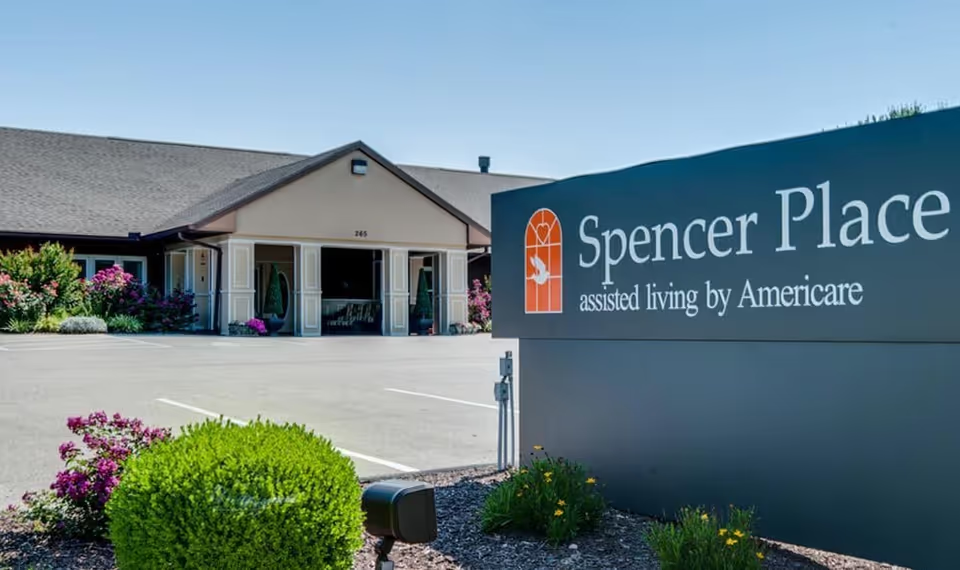
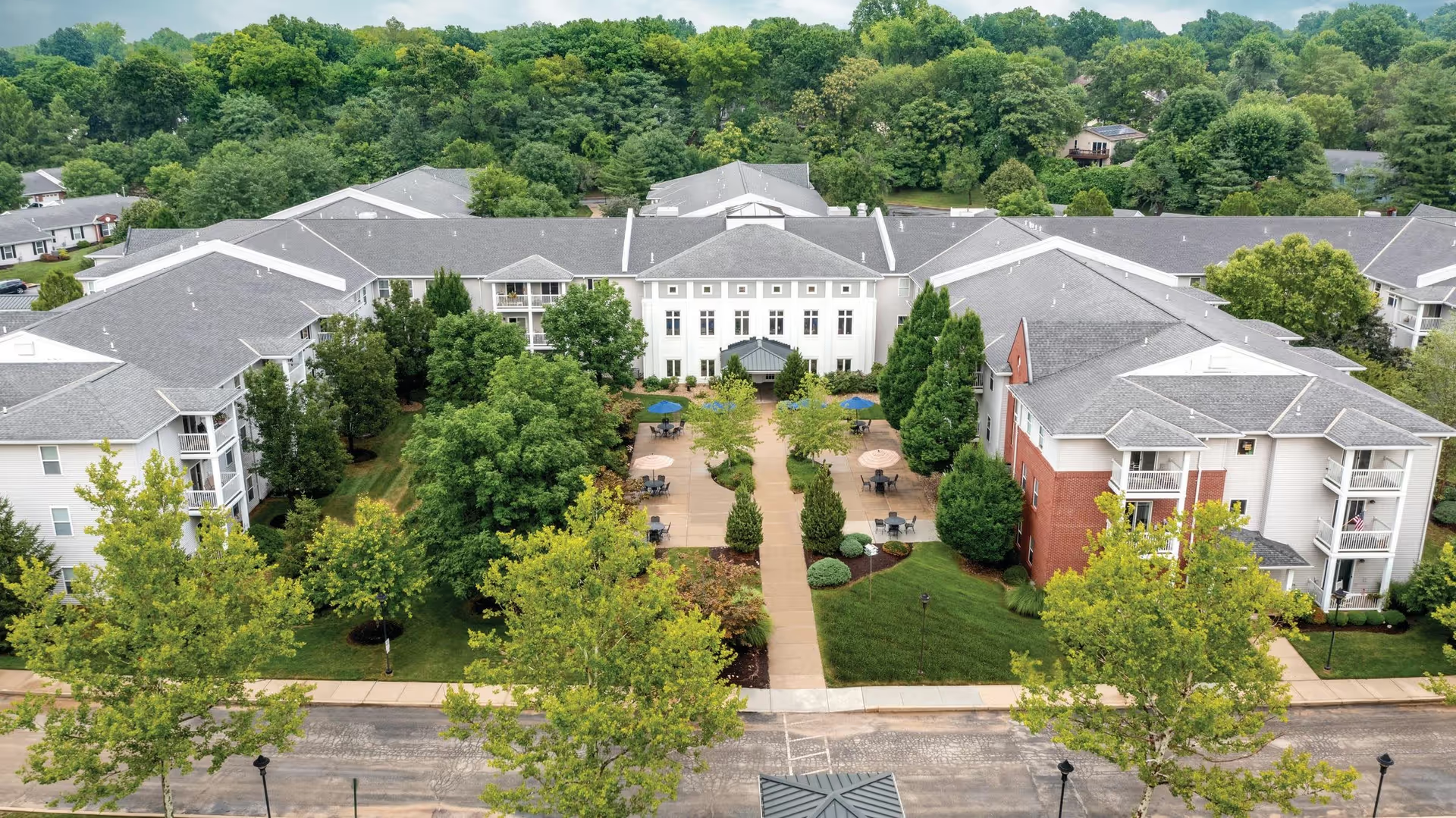
EverTrue Breeze Park presents as a large, well-appointed campus with a wide array of amenities and an active social program. Review information consistently highlights clean, bright buildings, attractive common areas, and multiple on-site conveniences such as a bistro, indoor pool, movie theater, beauty shop, fitness center, and an organized calendar of activities and day trips. The campus supports a full continuum of care—independent living, assisted living, memory care, short-term rehabilitation, and skilled nursing—which makes it convenient for residents as needs change.
Clinical and direct-care quality shows a mixed but notable pattern. The facility's rehabilitation staff and some nursing teams receive strong praise for effective short-term rehab outcomes and supportive end-of-life care in collaboration with hospice. Memory Care is often described as having a favorable staffing ratio. At the same time, reviewers describe operational challenges: high turnover among CNAs and nursing staff, understaffing during evenings and peak times, and resulting delays in medication administration and assistance with activities of daily living. These issues appear to be concentrated by shift and neighborhood rather than being uniform across the entire campus.
Dining and food service are another area of contrast. Many families and residents commend the main dining room and bistro for high-quality cuisine and attentive servers, and the program includes flexible meal options for independent living. However, there are recurrent accounts of variability in meal delivery and execution—notably colder meals arriving in neighborhood units and meal preparation being centralized rather than produced in neighborhood kitchens. Assisted-living dining access and the logistics of meal delivery have been described as inconsistent between care levels.
Housekeeping and personal care show variable performance. While the facility is frequently characterized as clean and well-maintained overall, reviewers cite uneven housekeeping and sanitation standards in certain neighborhoods and occasional lapses in laundry and bathing assistance. Communication gaps between families and management or clinical staff also appear as a repeating theme; questions about care plans, resident status, or promised amenities (such as lift-equipped transport) have sometimes not been fully addressed.
Management and culture combine strengths and weaknesses. The campus is praised for its community orientation, long-tenured caring staff, and engaging programming. Yet operational reliability—staffing stability, consistent application of neighborhood-level services, and fulfillment of amenity promises—emerges as an area for improvement. The facility is positioned at a higher price point, and families weigh that cost against the variability described in staffing and service consistency.
For prospective residents and families: the facility offers a strong physical environment, robust activities, and demonstrably competent rehab and hospice partnerships, but it also shows operational variability by shift and neighborhood that can affect daily care, dining, and housekeeping. A recommended approach is to tour multiple neighborhoods and visit at different times of day, ask specific questions about evening staffing levels, neighborhood kitchen practices, laundry and bathing schedules, medication administration protocols, and any written guarantees for promised amenities and transportation. This will help align expectations with the facility's strengths and the areas where consistency may be a concern.