Avalon Memory Care is described primarily as a small, well-appointed memory-care community with a strong focus on individualized, dementia-specific care. Positive accounts emphasize compassionate, hands-on caregiving, an intimate family-like atmosphere, and relatively high staff-to-resident ratios that reviewers linked to personalized attention and clinical improvements (for example, regained appetite or reduced wandering). Multiple families praised experienced nursing oversight, timely communication from directors, and staff willingness to support transitions from hospitals or other residences.
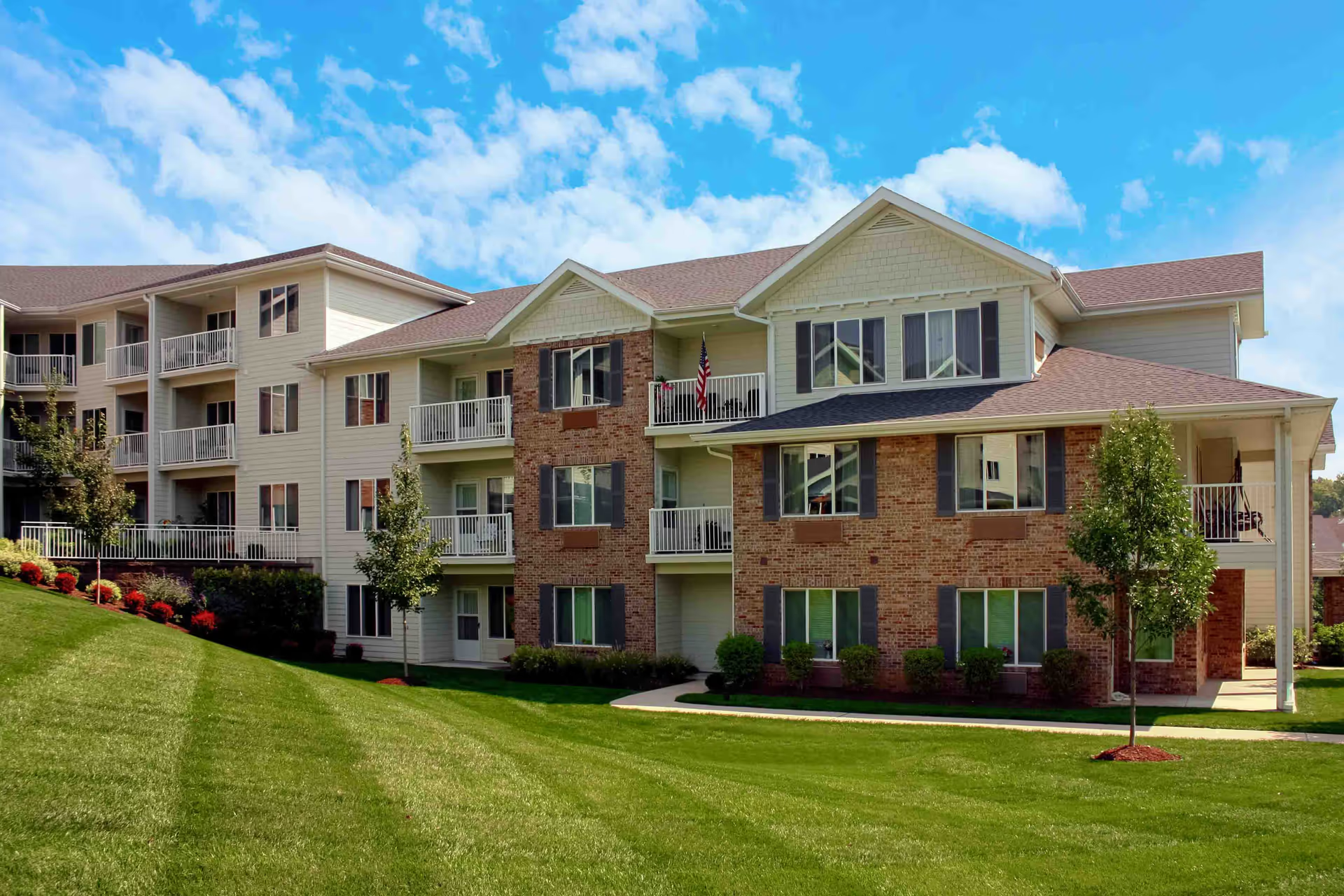
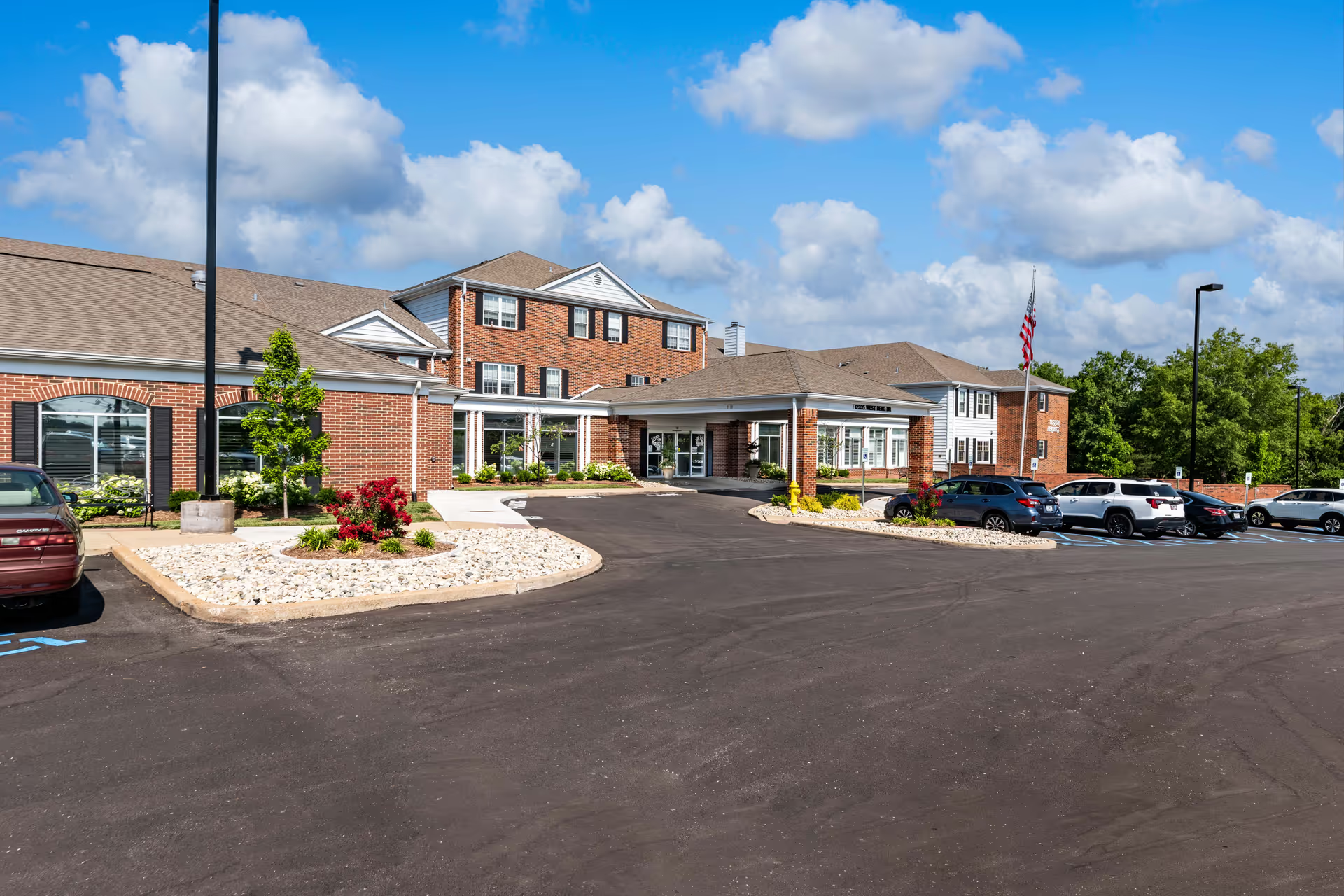
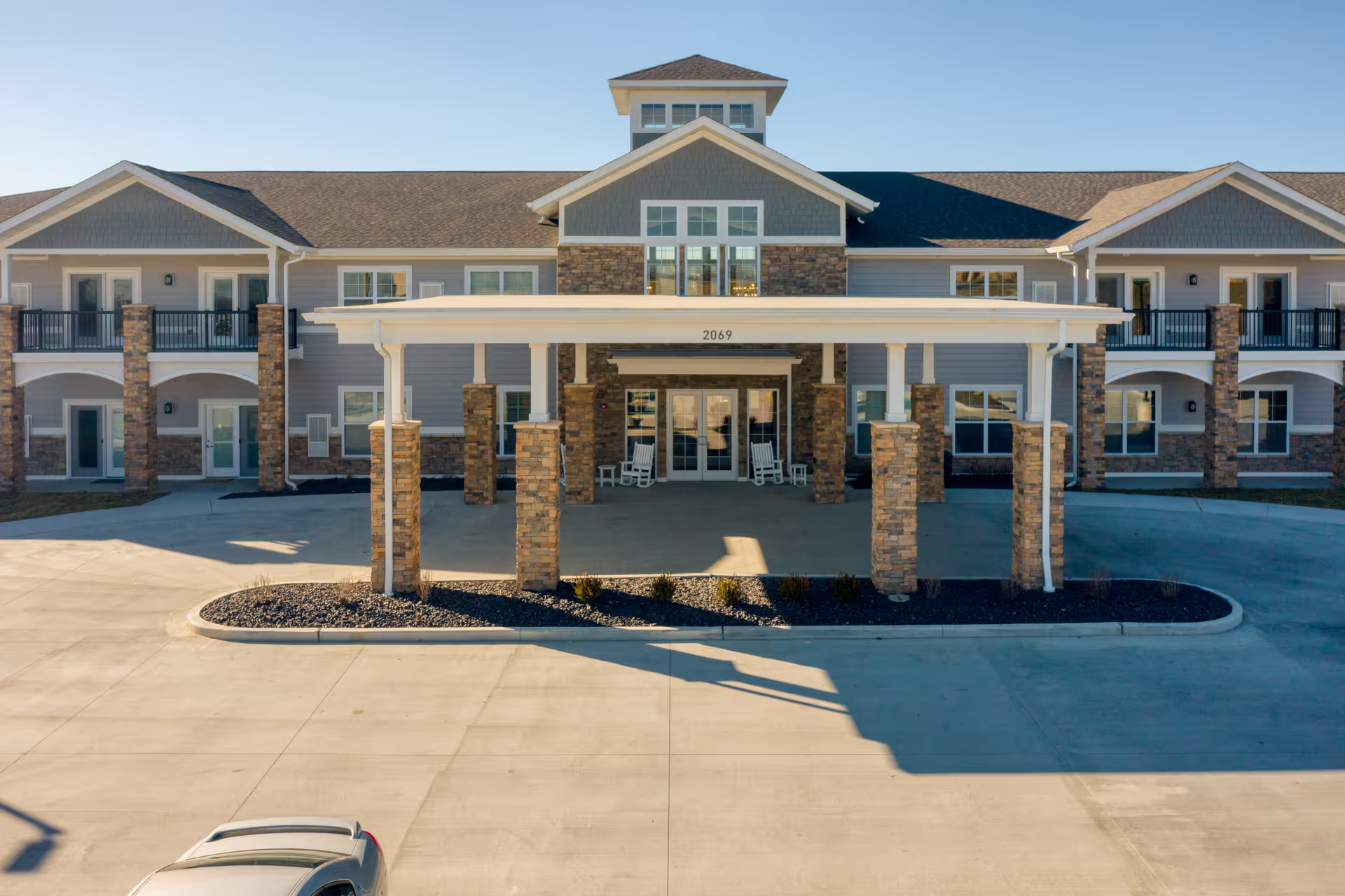
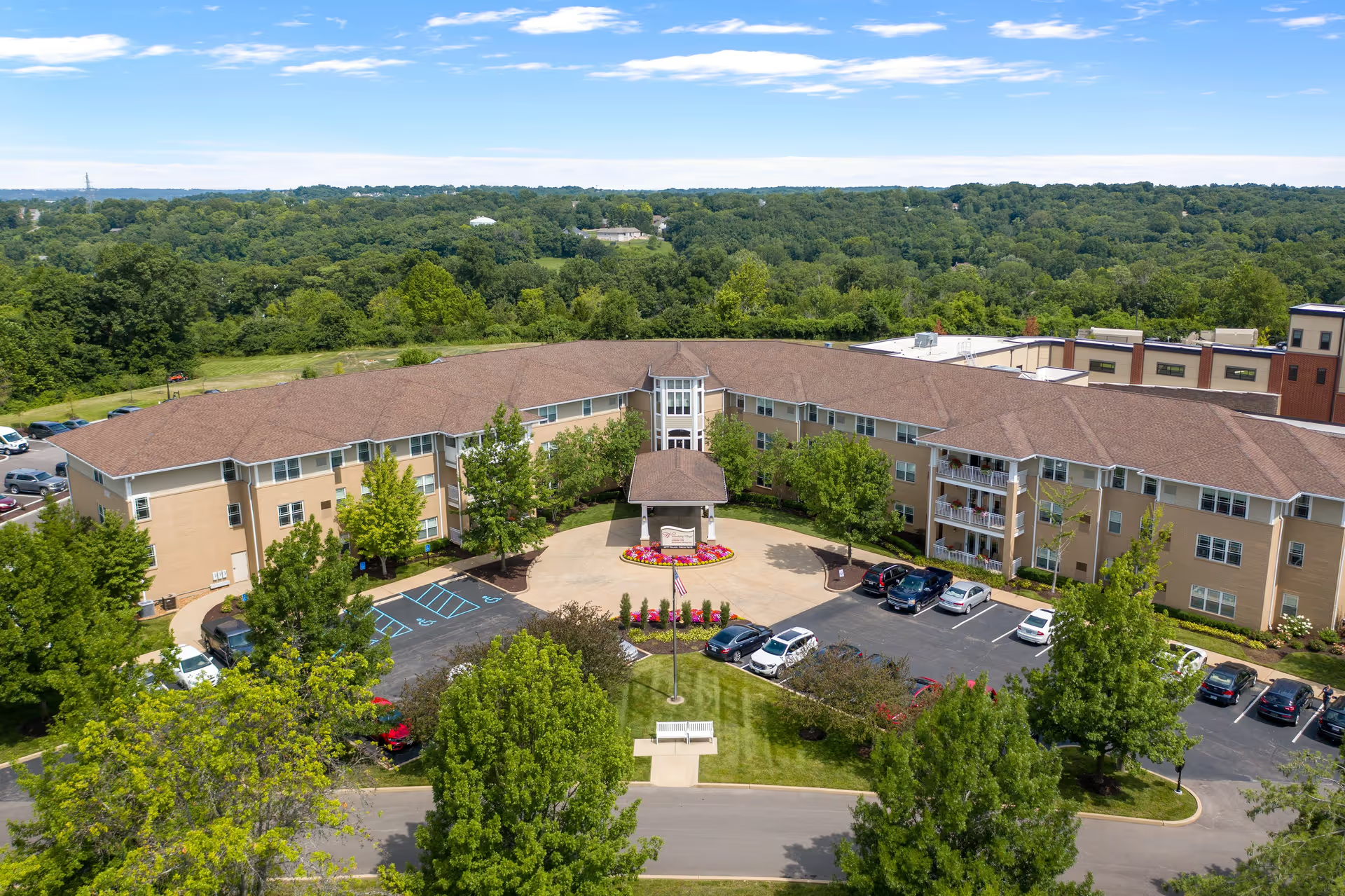
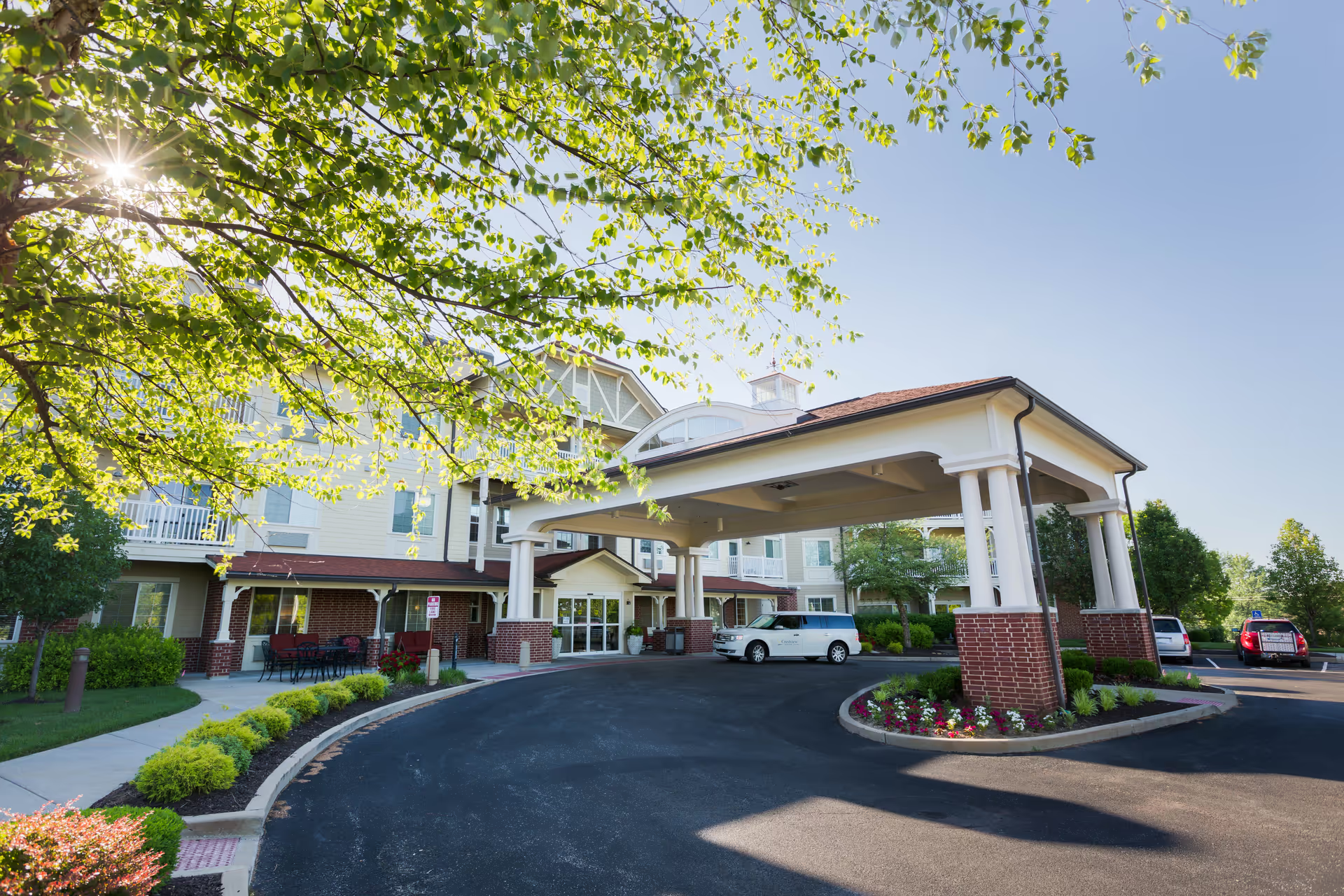
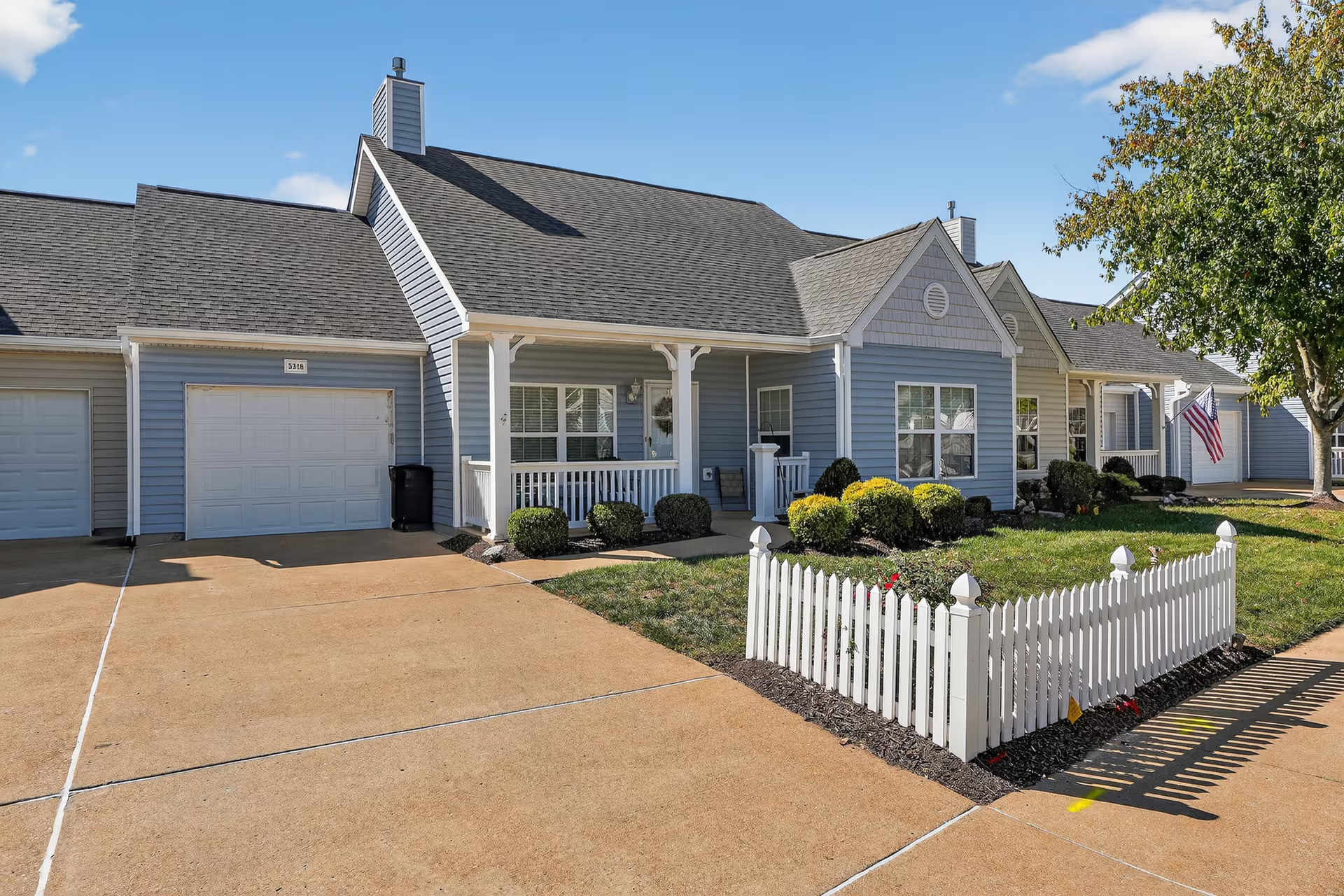
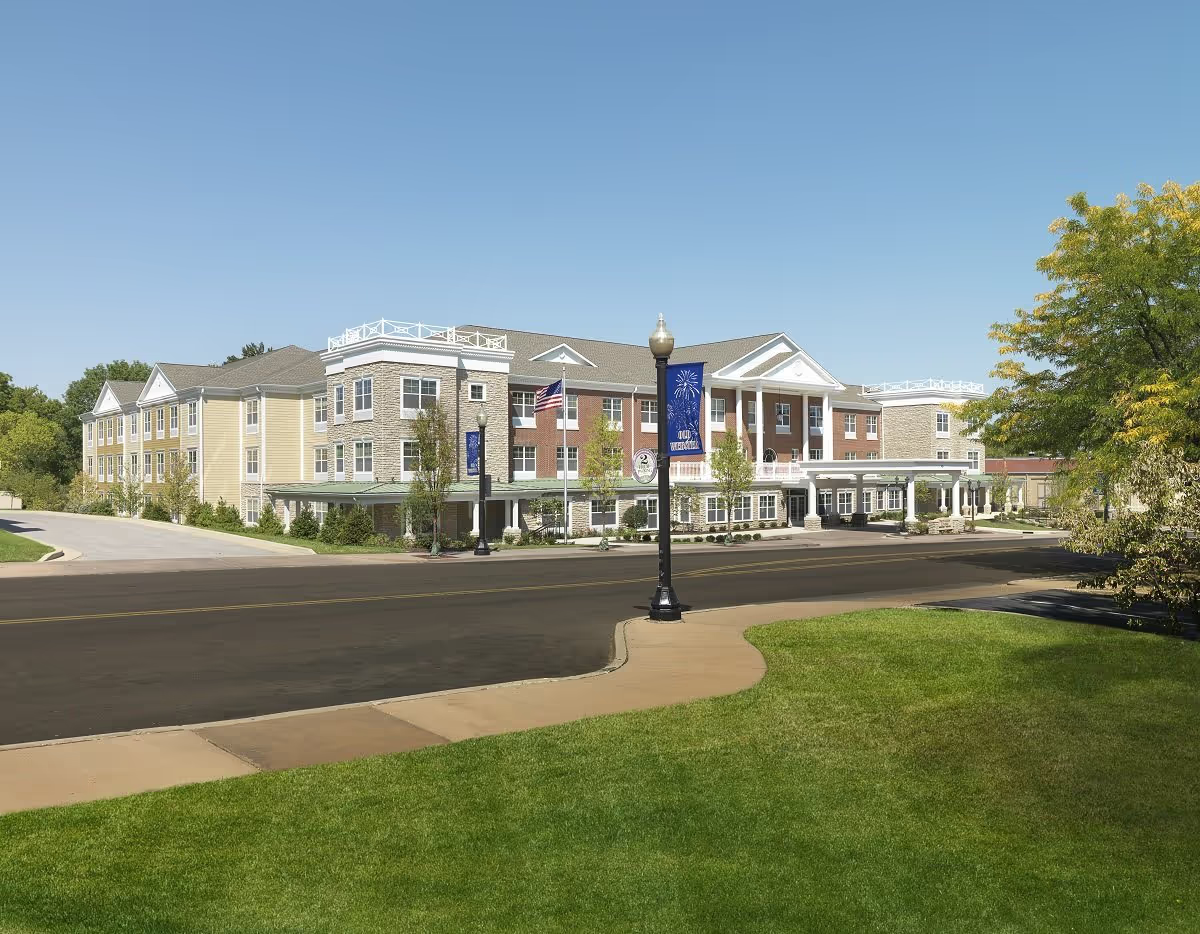
The physical environment is frequently highlighted as a strength: many reviewers described a new or well-maintained building, attractive common spaces, an open kitchen concept, sunny rooms with walk-in showers, and a pleasant courtyard. Dining and social areas are generally characterized as inviting and designed to promote interaction; several accounts referenced family-style meals and visible food preparation that contribute to a home-like feel. Infection-control measures and secure access were also noted positively by families concerned about safety during illness outbreaks.
Despite strong endorsements of caregiving and facility aesthetics, several operational patterns emerge as concerns. Staffing consistency and turnover are recurrent issues: families reported times when coverage was thin (including single staff multitasking), uneven daytime vs evening/weekend operations, and departures of valued caregivers. Related to staffing, reviewers described variability in meal service (examples include limited hot breakfast options or absent meal preparation during visits) and activity programming, with some common areas judged less conducive to engagement depending on layout and staff availability.
Cleanliness and property management showed mixed feedback. While many accounts describe an immaculate environment and attentive hygiene care, other accounts raise sanitation concerns in specific common areas and inconsistencies in housekeeping. There are also mentions of belongings going missing or being mismanaged and at least one allegation of difficulty obtaining inspection or regulatory documentation; these issues point to gaps in property controls and transparency. Management and communication were praised in several cases for responsiveness, yet other families cited inconsistent administrative communication and leadership-related concerns that appear linked to staff retention and operational reliability.
Cost and capacity considerations are also notable. Avalon is perceived as a higher-cost option; some families found the price justified by the staff ratio and accommodations, while others questioned value for money. The small-community model is a double-edged sword: it enables personalized care but limits parking, overall capacity, and may magnify the impact of staff shortages. Prospective families should weigh the benefit of a close-knit, dementia-focused setting against the potential for occasional operational inconsistencies.
In sum, Avalon Memory Care presents a compelling option for families seeking a small, dementia-focused residence with compassionate staff and attractive facilities. Prospective residents and families should pay particular attention to current staffing patterns, housekeeping routines, meal-service protocols, and documentation transparency during tours and contract discussions to ensure alignment with their expectations for continuity of care and value.