Reviews for Community Care Center of Lemay present a mixed — at times sharply divided — portrait. A substantial body of feedback highlights strengths in bedside manner, clinical leadership, and a small, family-like culture: many families describe compassionate caregivers, long-term staff who quickly learn residents’ needs, and strong nursing oversight including an engaged Director of Nursing. Several reviewers specifically praised the social-work support and coordination, timely routine labs and wound care, and consistent hospice or end-of-life attention that provided families with reassurance.
Clinical care and safety show both positive examples and concerning variability. Positive notes include attentive nursing, routine clinical tasks being completed in a timely manner, and individualized care plans. At the same time, other reports indicate gaps in safety practices around transfers and fall prevention, as well as operational issues that can affect care continuity (for example, bed‑hold and discharge procedures). These contrasting accounts suggest that clinical oversight and operational reliability may vary by shift, unit, or individual care team.
Staff interactions and communication are frequently cited as a key strength: many families found staff to be caring, communicative, and willing to incorporate family input into care plans. Conversely, admissions and customer-service processes were described as disorganized by some — repetitive paperwork requests, inconsistent callbacks, and variable phone demeanor were noted. Prospective families should be prepared to evaluate the facility’s current admissions workflow and ask specific questions about who will be their primary contact and how care updates are communicated.
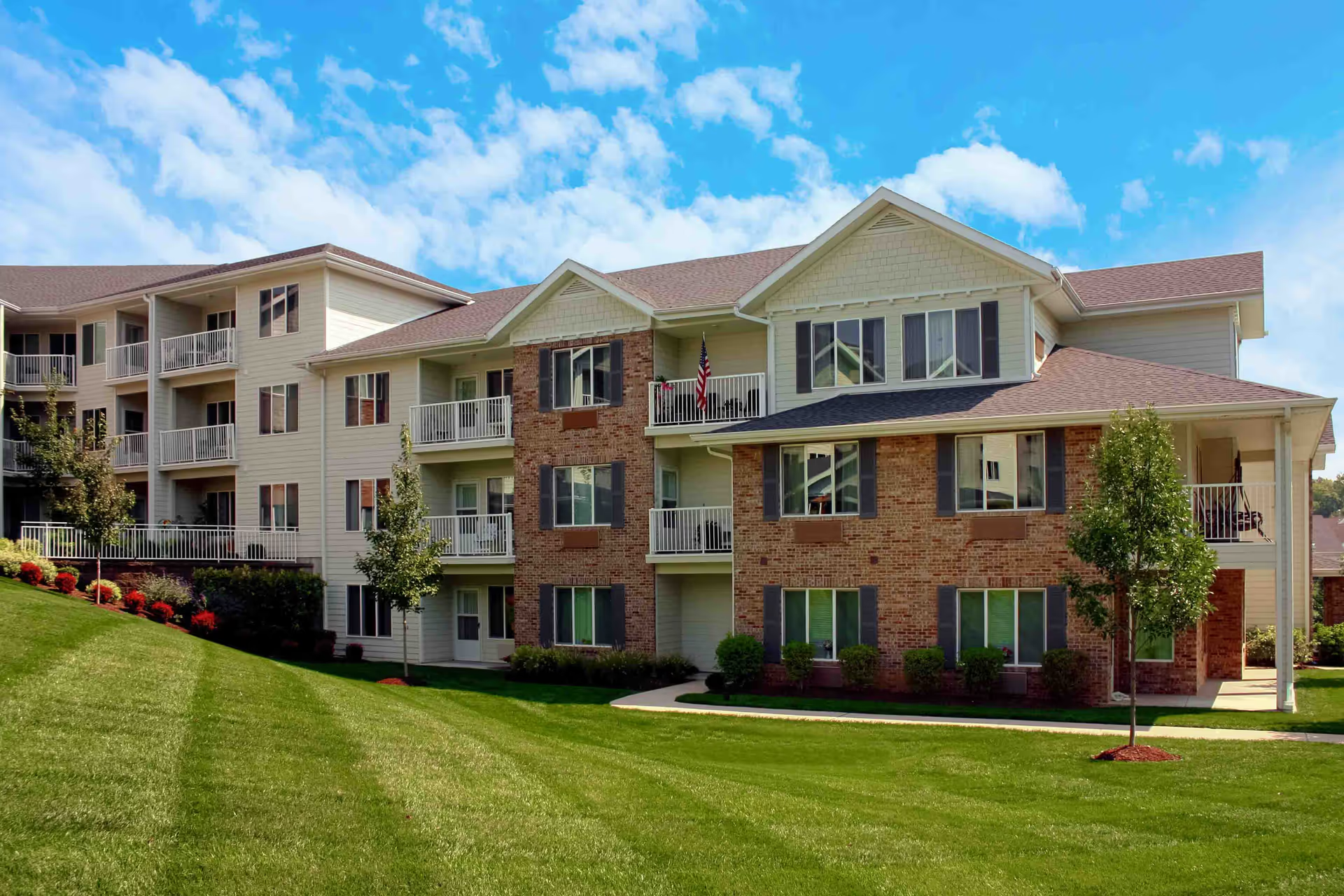
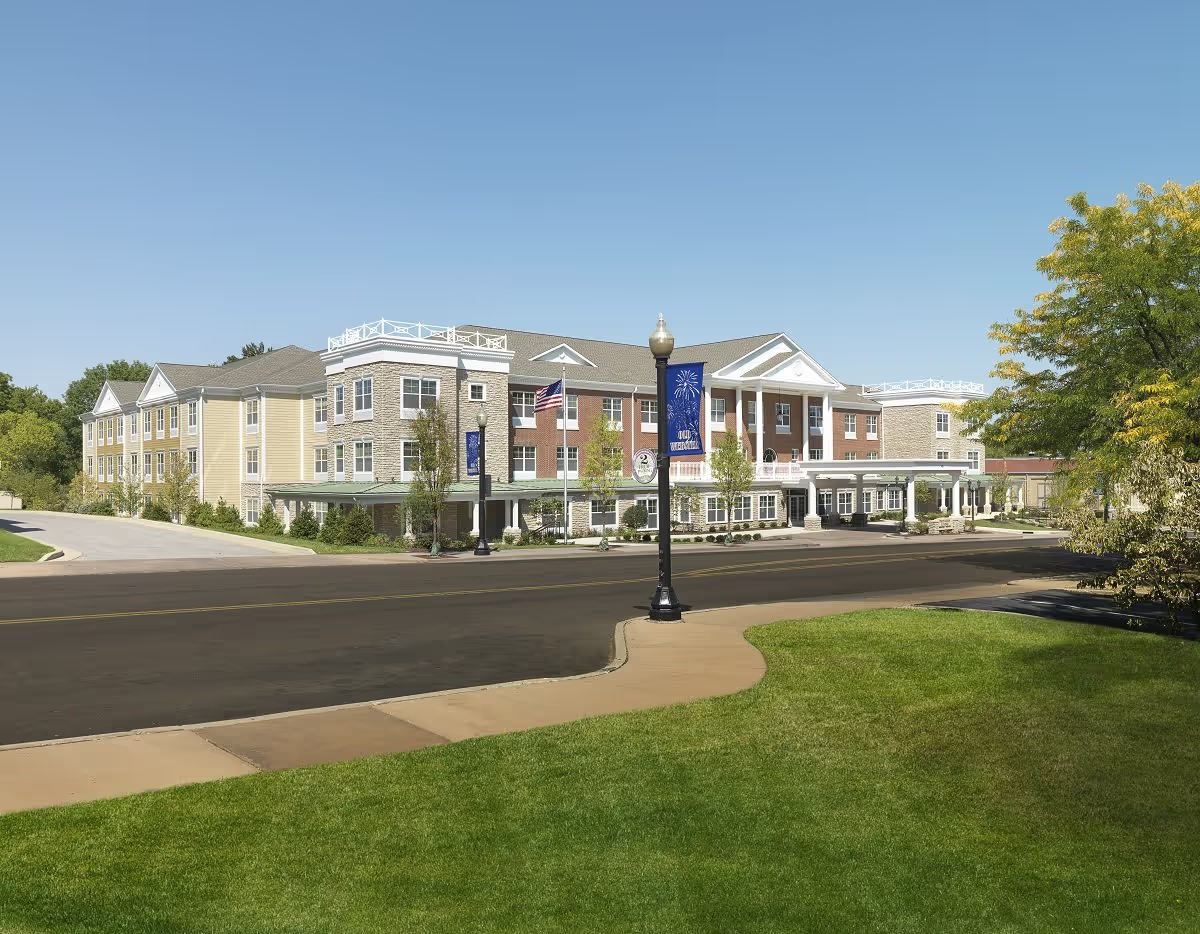
Daily living, dining, and activities receive largely positive remarks. Reviewers describe attentive food service, clean and bright common areas, roomy accommodations for some residents, and active programming such as bingo, cards, and weekly resident meetings. However, a subset of reviews raised sanitation and odor concerns in particular areas and pointed to uneven housekeeping or maintenance experiences across the facility.
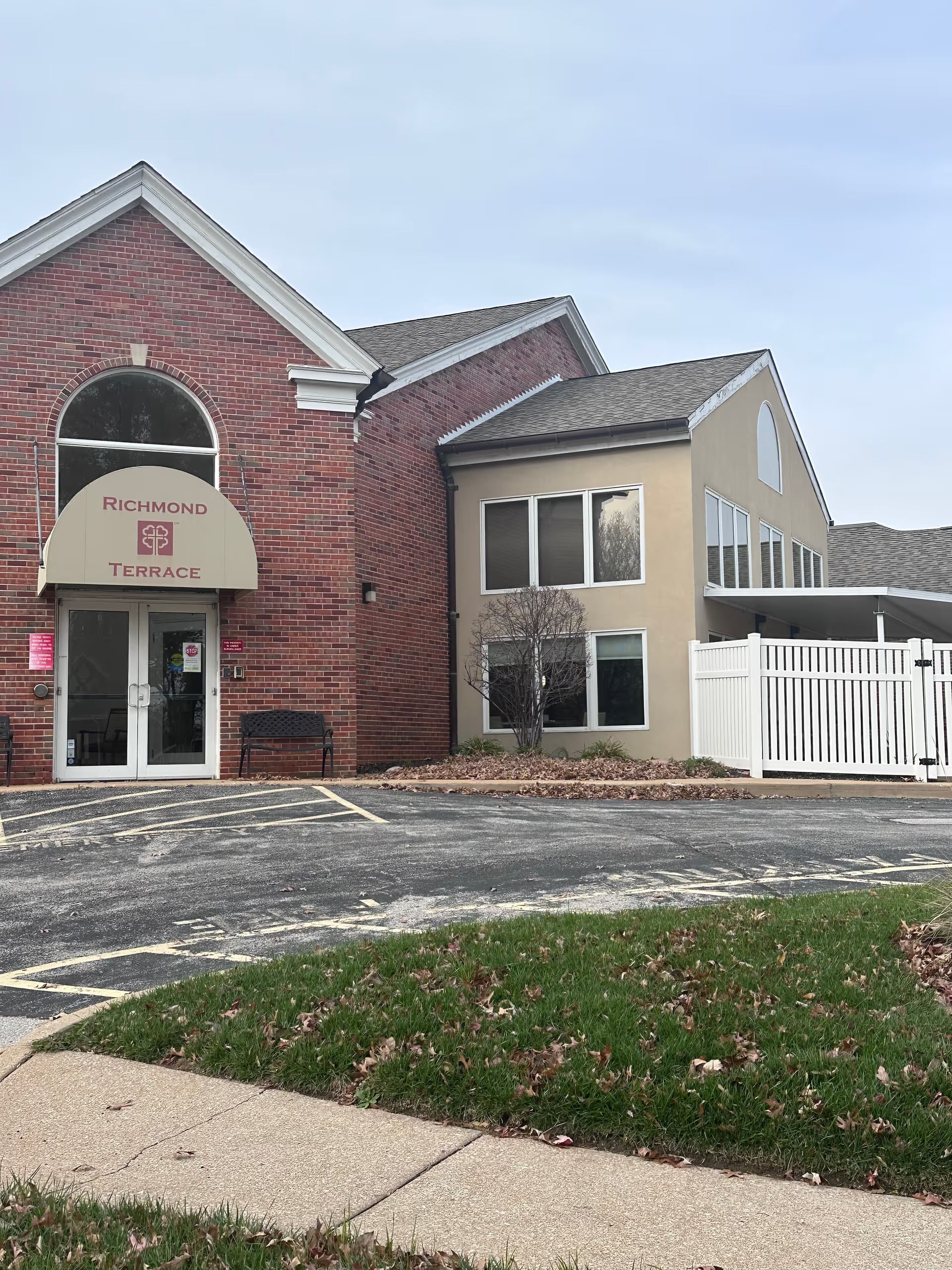
Facility condition and maintenance emerged as a recurrent operational concern. Specific items include exterior infrastructure problems (parking-lot damage, potholes) and interior maintenance shortcomings in some rooms or corridors. These are best characterized as facility-maintenance and campus-infrastructure gaps that can affect accessibility and first impressions.
Overall pattern and practical guidance: the facility appears to deliver excellent, personalized care for many residents, supported by experienced clinical leaders and a family-oriented staff culture. At the same time, variability in maintenance, staffing levels, admissions communication, and some safety processes introduces risk for inconsistent experiences. Families touring the site should observe staffing levels during different shifts, review bed‑hold and discharge policies, ask about fall-prevention and transfer protocols, and request examples of how the facility handles admissions communication and escalation. An in-person visit and direct questions about current staffing and recent corrective actions will help reconcile the divergent accounts and determine fit for an individual resident’s needs.