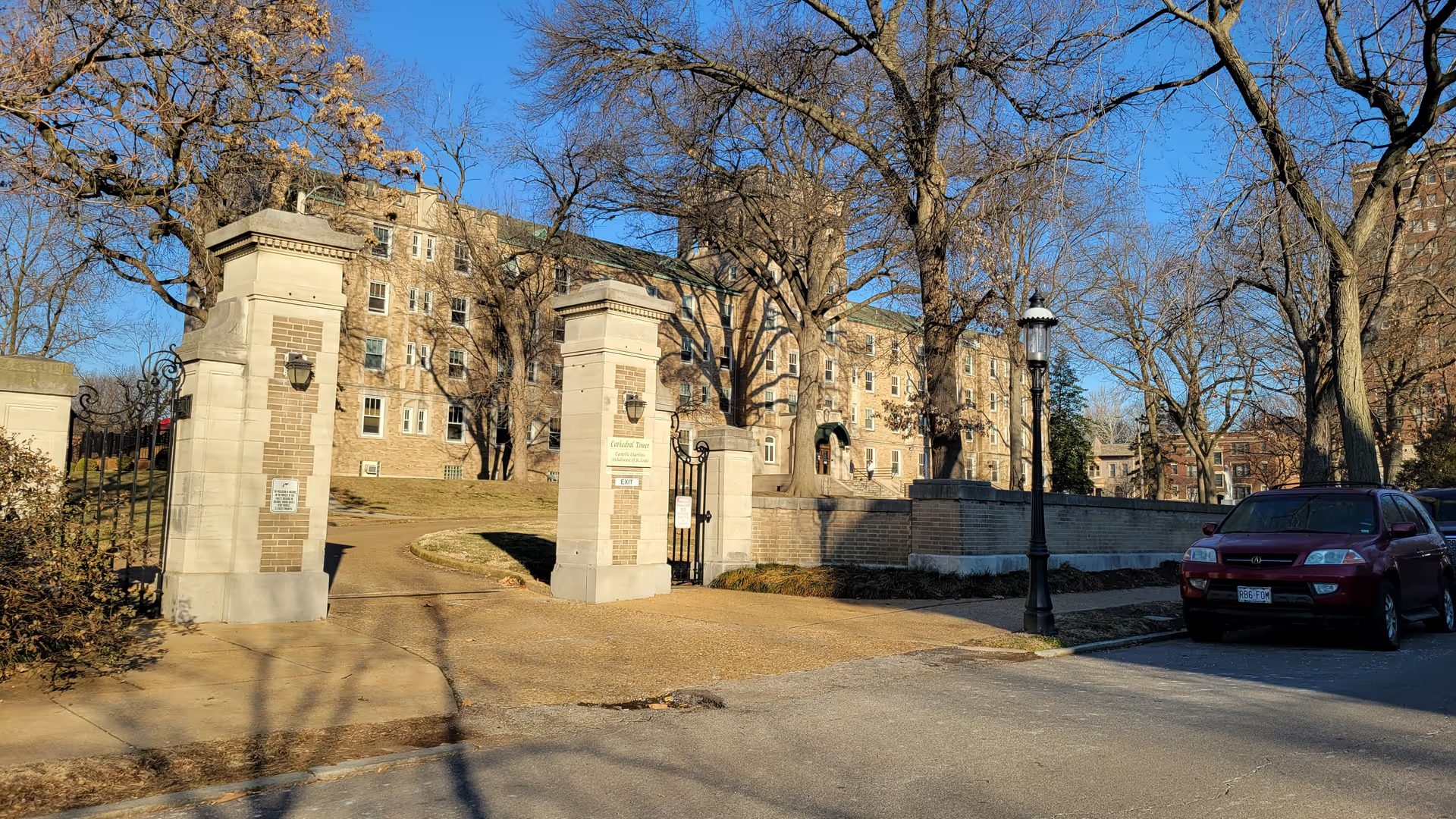
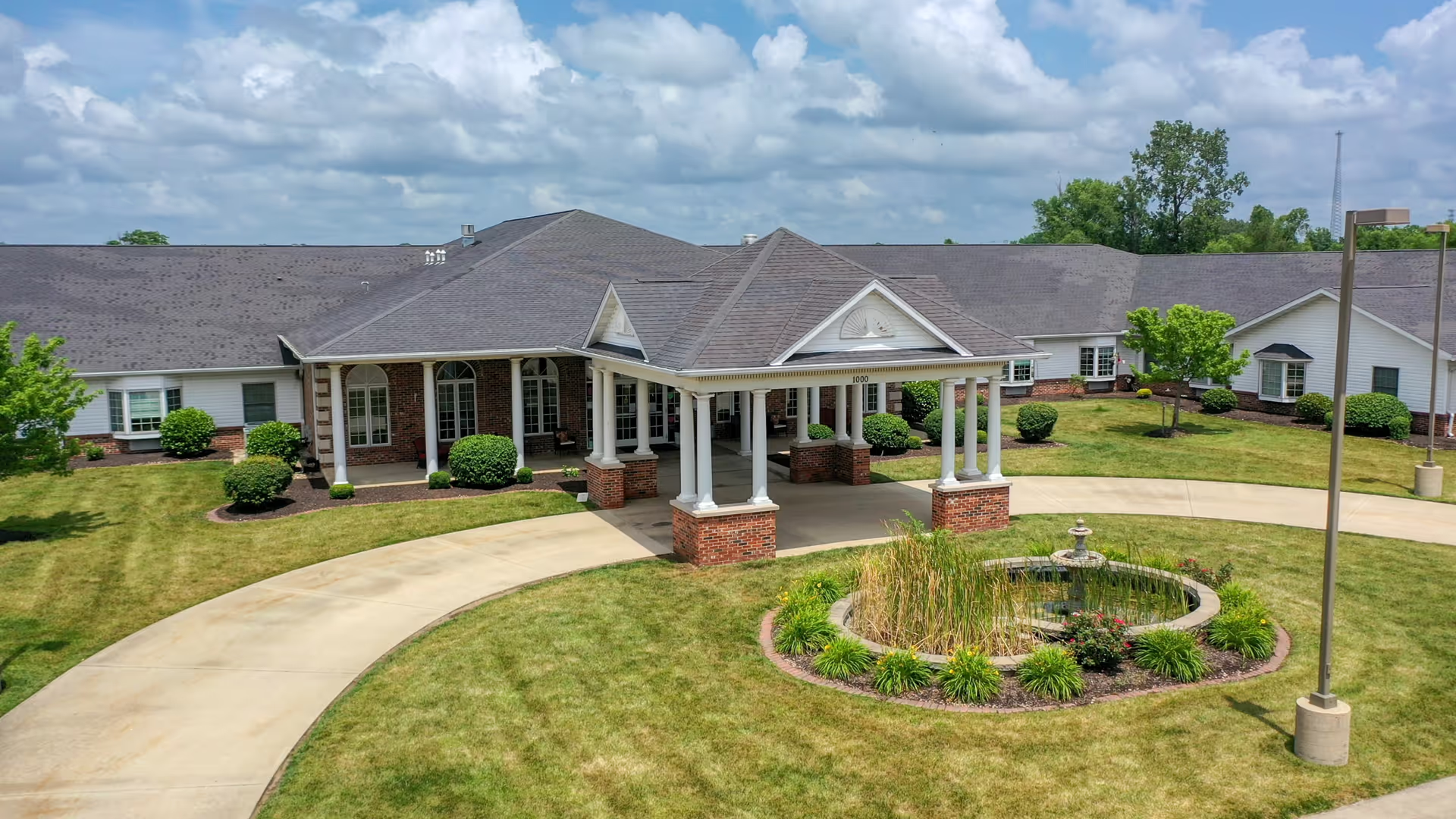
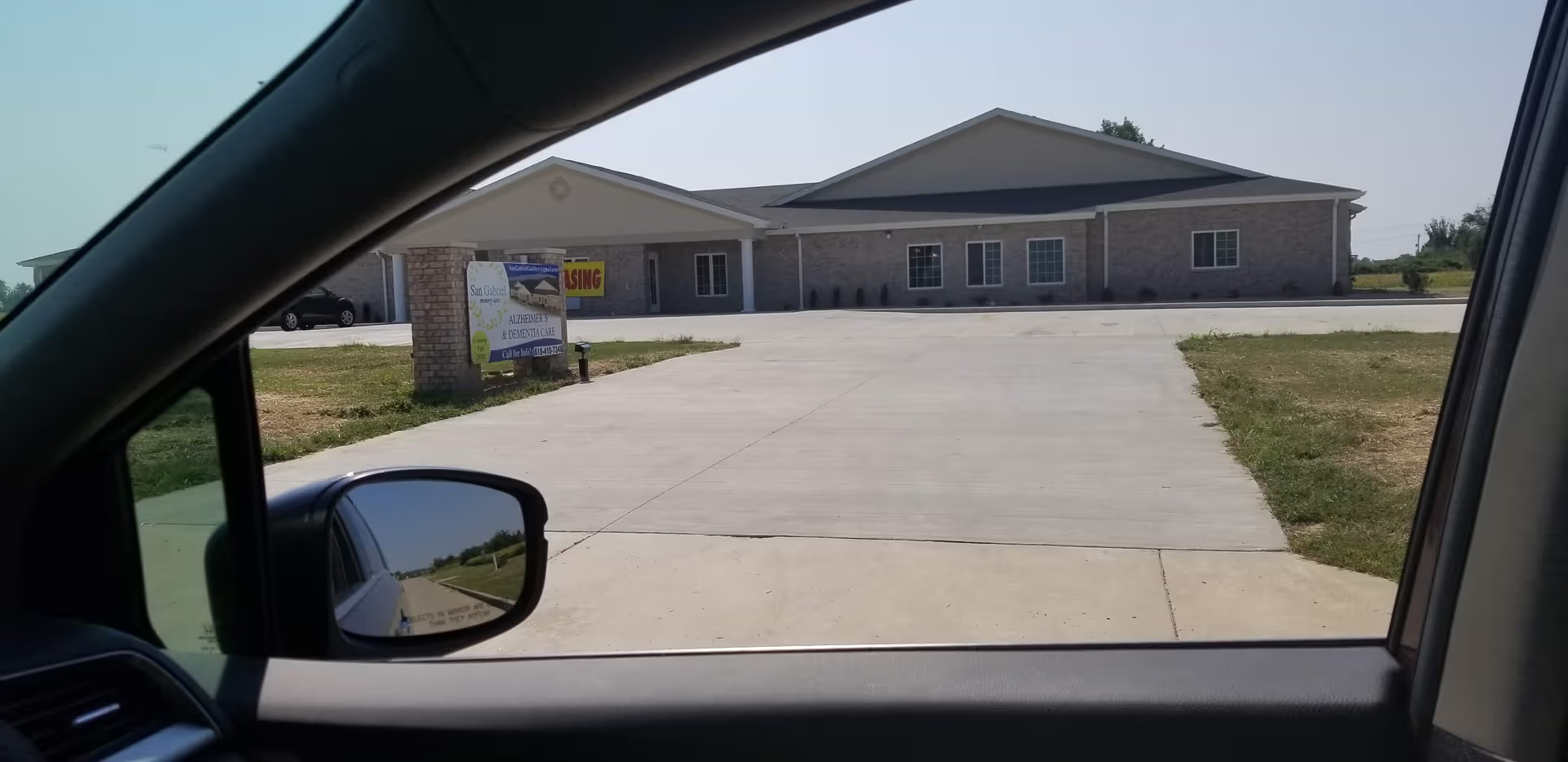
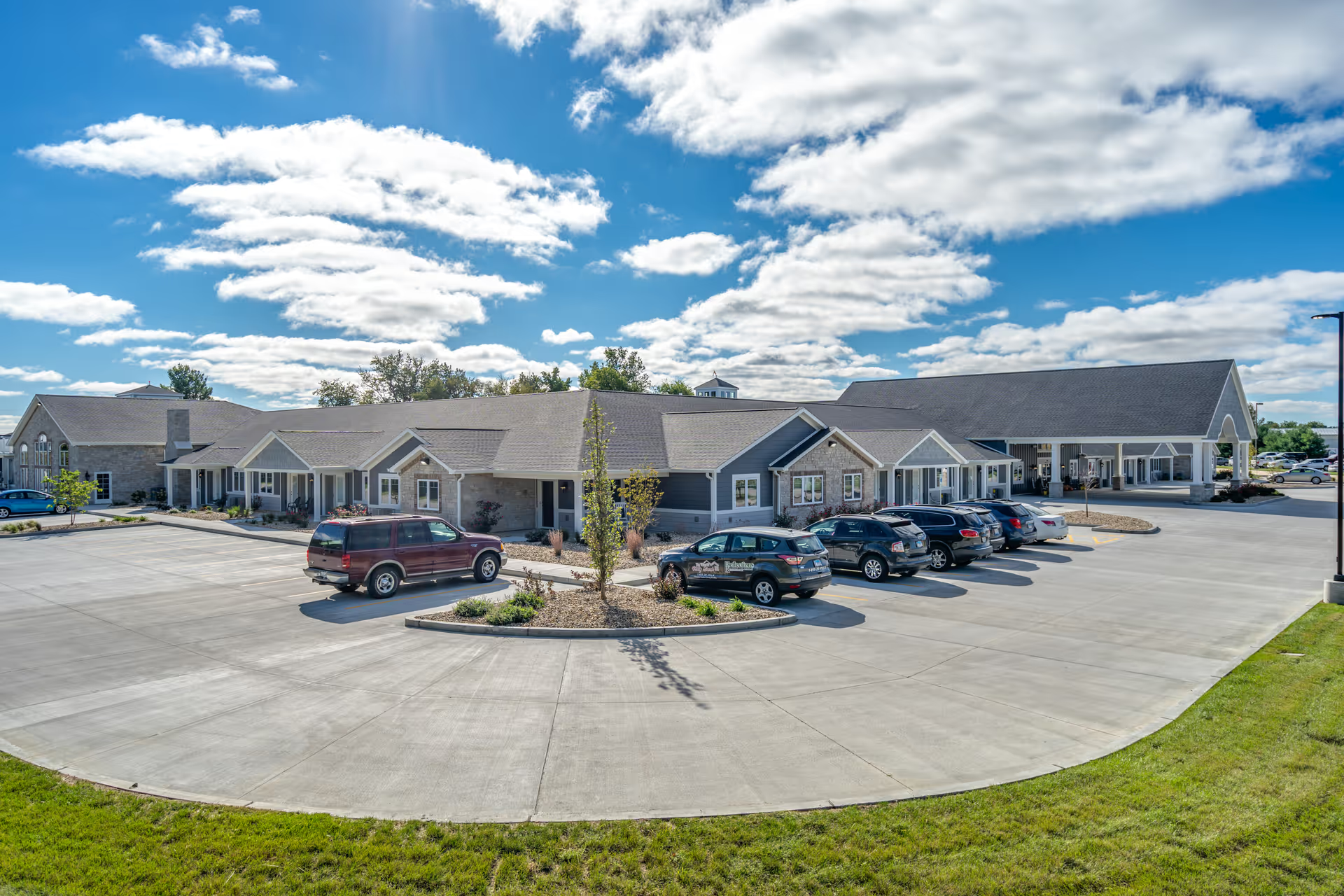
Overall impression: The available feedback on Pope John Paul II Apartments is polarized. Several comments highlight a well-maintained, quiet campus with a home-like atmosphere and responsive maintenance, while other comments raise substantive operational and safety concerns. Prospective residents and families are likely to encounter both positive everyday experiences and reports of serious administrative and safety-related issues when researching this property.
Care and staff: Positive observations emphasize friendly, helpful interactions from many front-line staff members and a smooth move-in experience. Maintenance responsiveness is frequently noted as a strength. Conversely, there are repeated indicators of staffing shortages and concerns about staff conduct and communication tone. Those operational patterns suggest potential variability in day-to-day care responsiveness and resident experience depending on staffing levels and supervisor oversight.
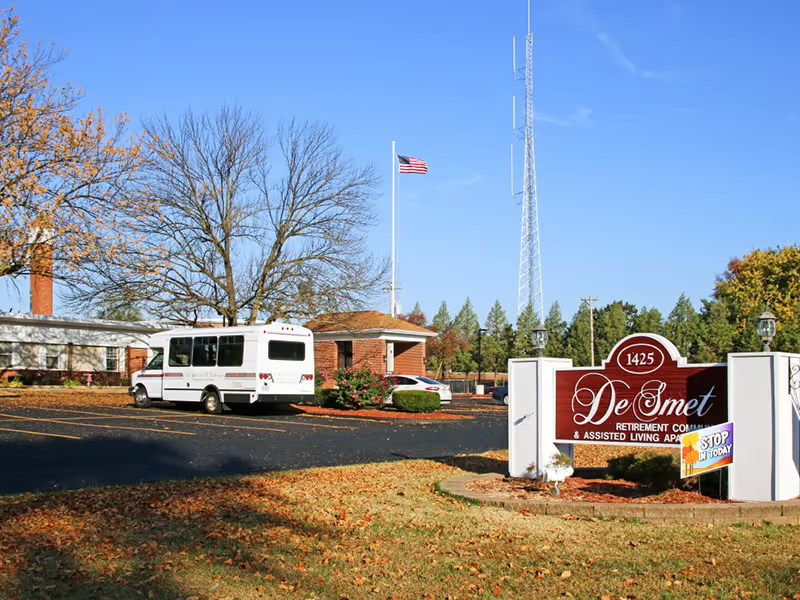
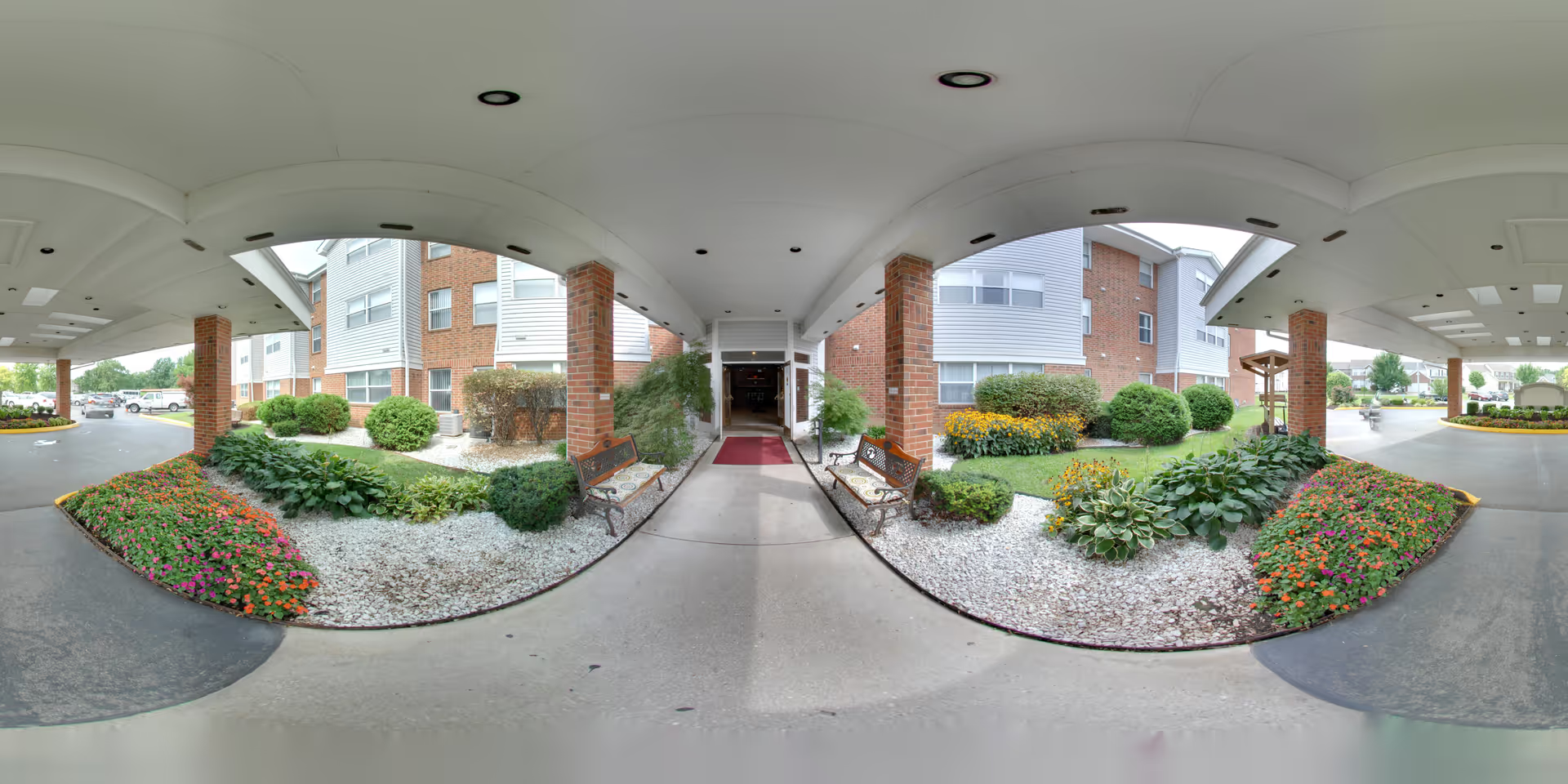
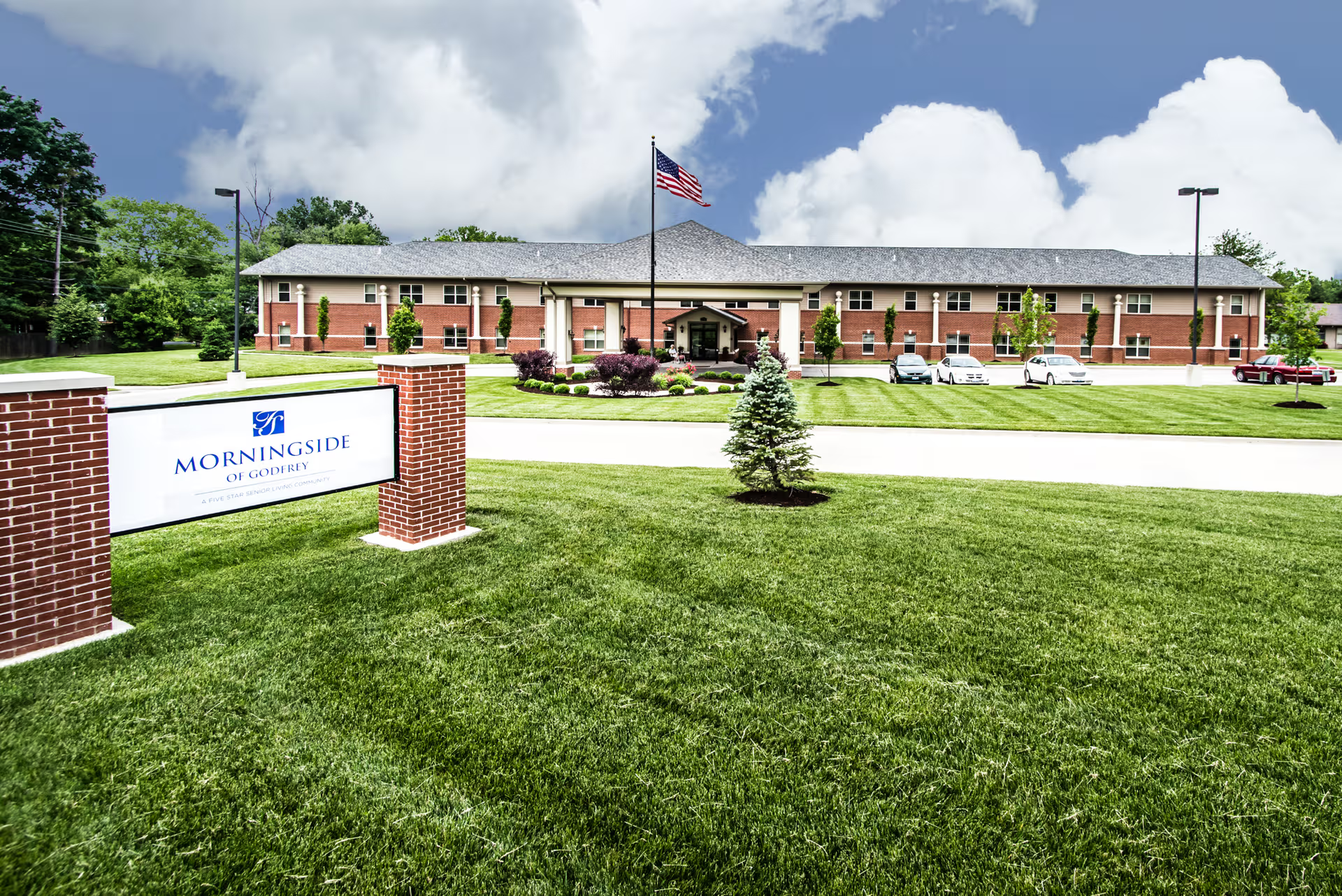
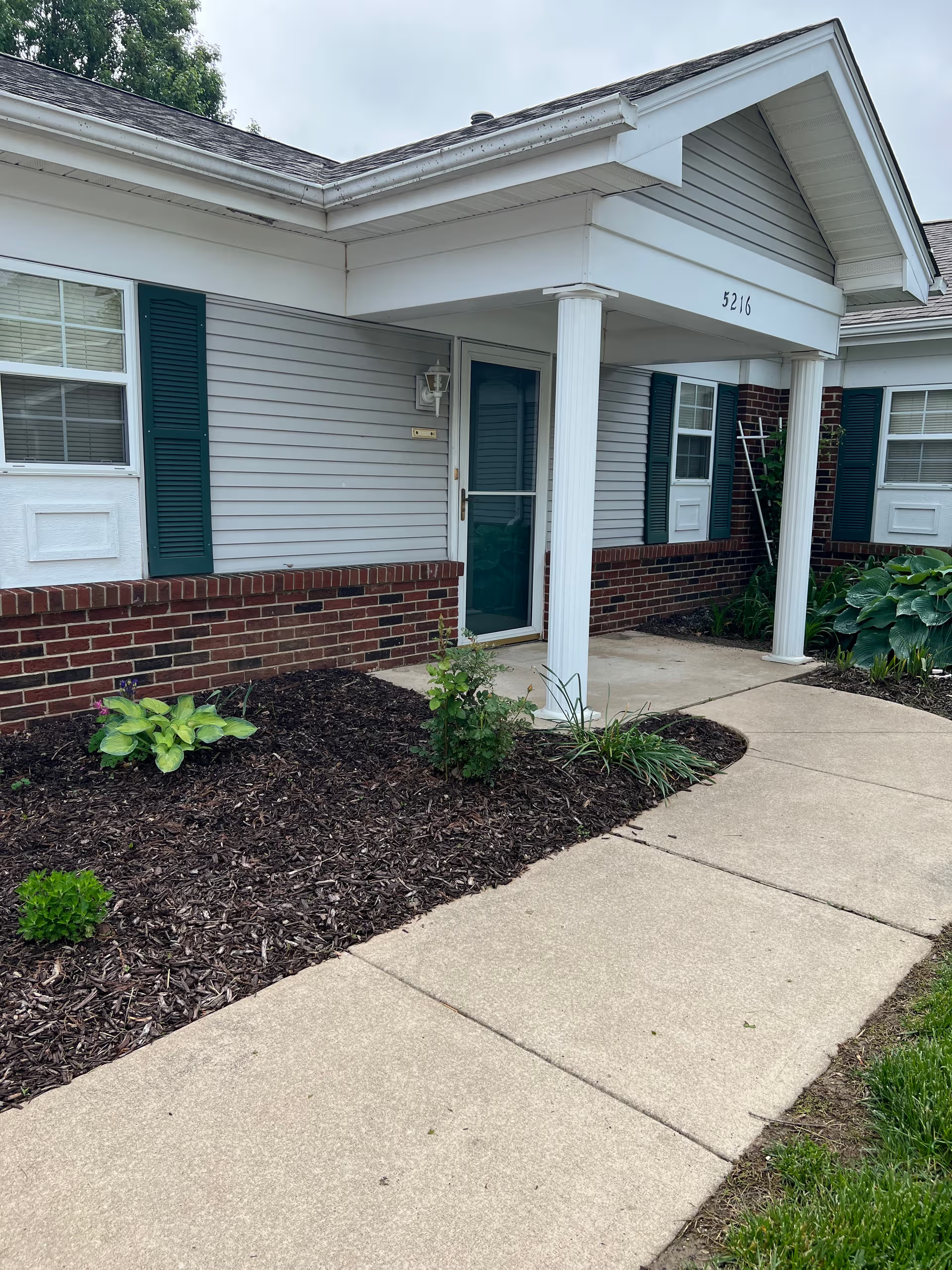
Facilities and environment: Physical attributes are generally described positively: quiet surroundings, attractive and well-kept grounds, and an overall home-like feel. Maintenance responsiveness contributes to the impression of a maintained property. These positives appear strongest in descriptions of common areas and the move-in process.
Dining and activities: There is limited specific information about dining services and organized activities in the available feedback. The home-like atmosphere may reflect informal social opportunities rather than a broad, structured activities program. Prospective residents should ask the community for current activity calendars, sample menus, and dining procedures to confirm whether offerings align with expectations.
Management, safety, and policy patterns: A consistent theme among negative comments relates to management and policy enforcement. Feedback points to inconsistent leadership, operational mismanagement, and unclear governance between resident-assistant roles and formal management. Safety-related concerns include reports of frequent incidents necessitating law-enforcement involvement. There are also claims concerning aggressive lease-enforcement and eviction practices, with allegations of improper procedures in some instances. Additionally, reviewers note steep or frequent rent increases. Together these patterns indicate potential areas of regulatory, contractual, and reputational risk that warrant careful investigation.
Notable patterns and recommended due diligence: The contrast between positive day-to-day observations and serious administrative concerns makes it important for prospective residents and families to verify current conditions directly. Recommended questions include current staffing ratios and turnover, incident and security-incident logs or policies, maintenance response time standards, written lease-enforcement and eviction procedures, recent rent-change history, and the oversight structure for resident-assistant roles. Requesting references from current residents, reviewing any available inspection or regulator findings, and arranging multiple visits at different times of day will help form a clearer picture of whether the facility’s strengths or its operational risks are more salient for a particular applicant.