Reviews describe a facility with notable clinical strengths alongside operational inconsistencies. Many families and short-term rehab patients praised bedside caregivers, therapists, and nurses for being compassionate, attentive, and recovery-focused. Physical and mobility therapy are repeatedly cited as effective, with therapists described as helpful and motivating. Several accounts emphasize a welcoming, family-like atmosphere that contributed to residents’ comfort and confidence during rehabilitation stays.
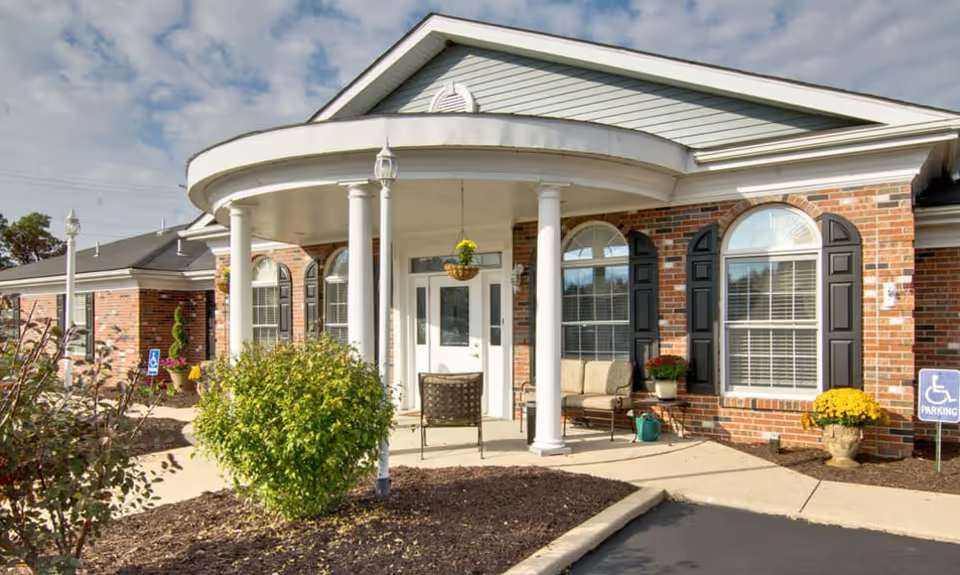
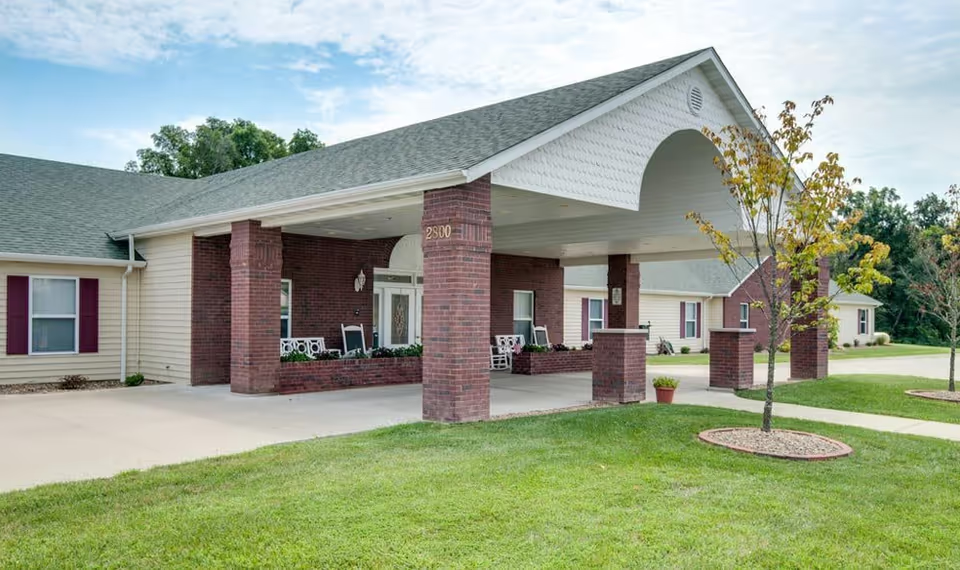
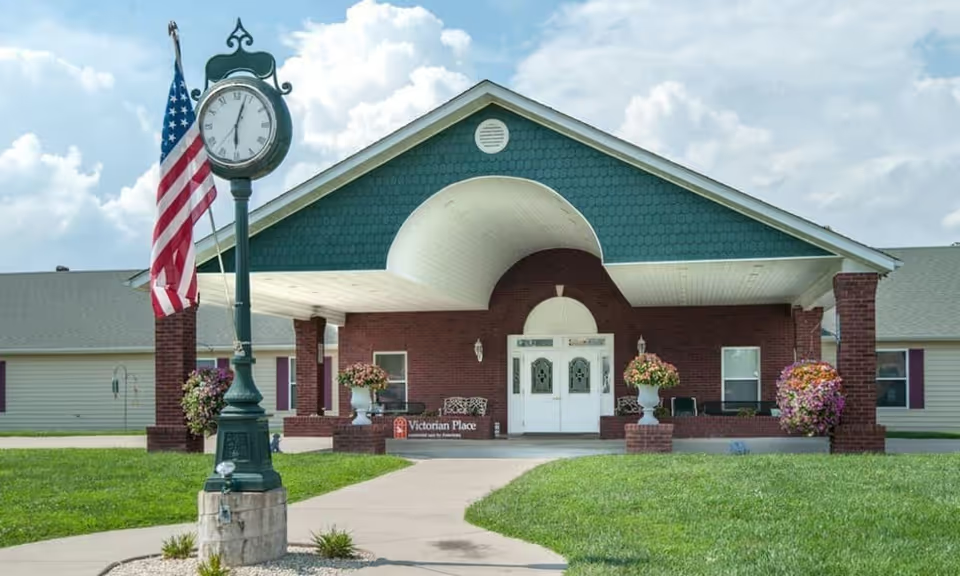
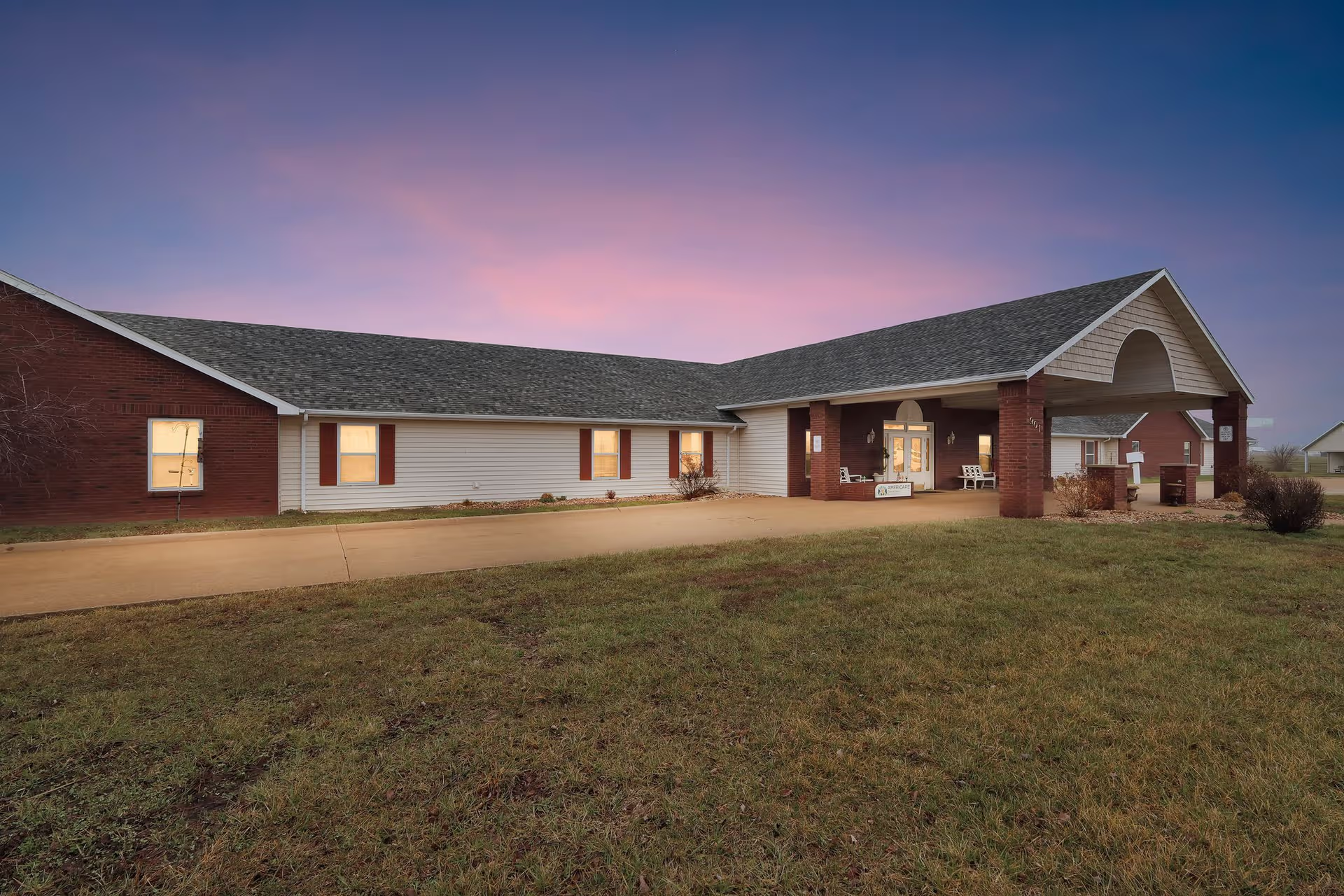
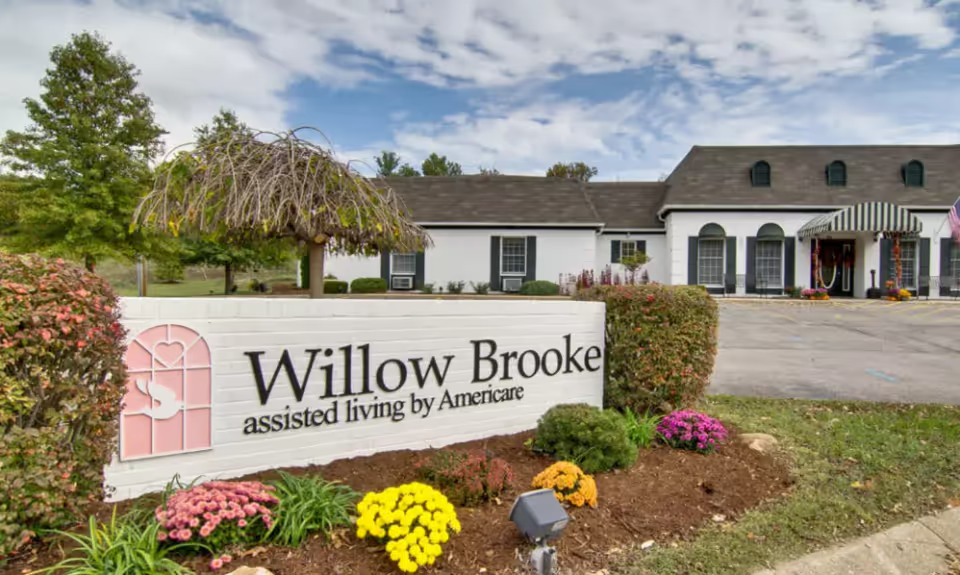
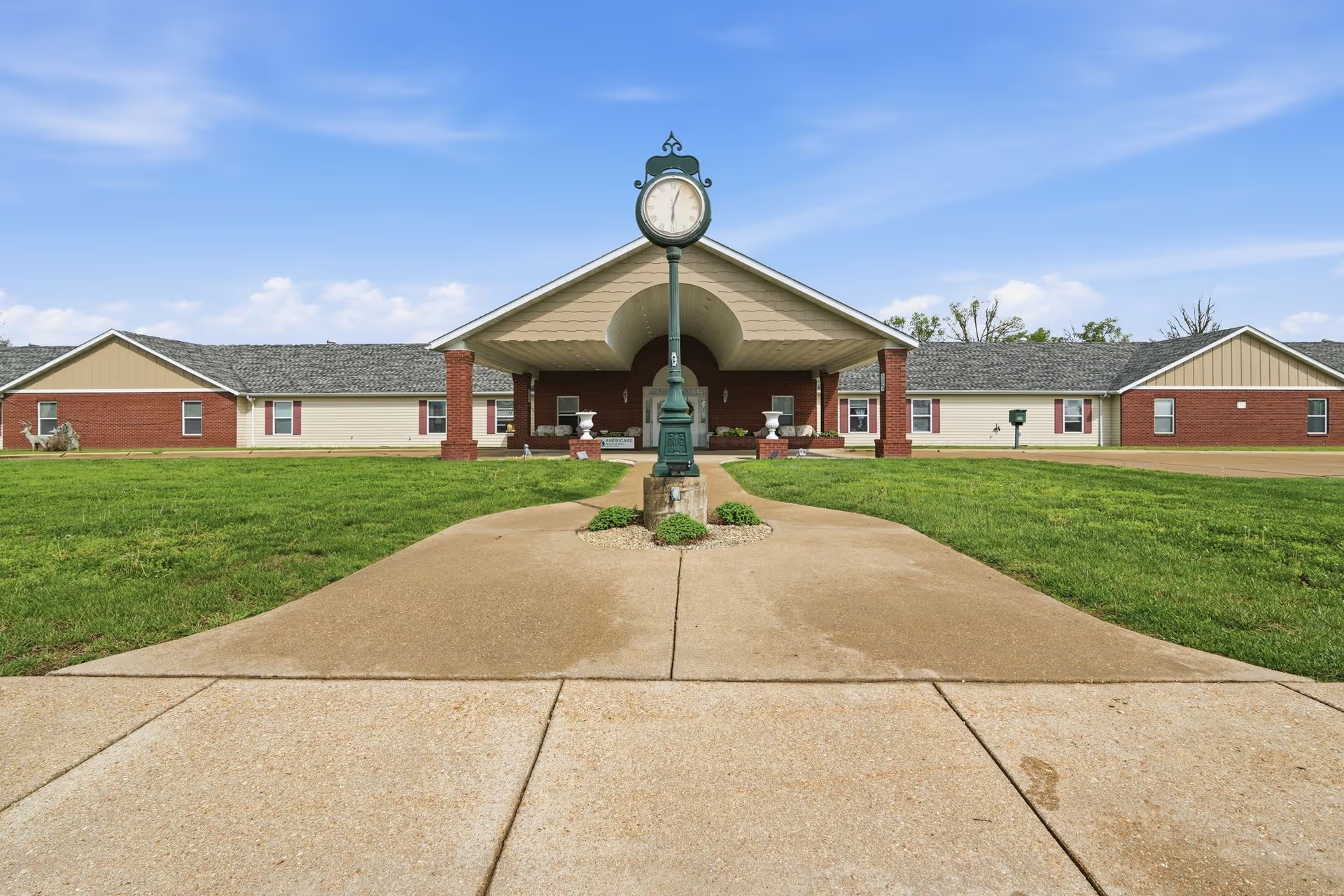
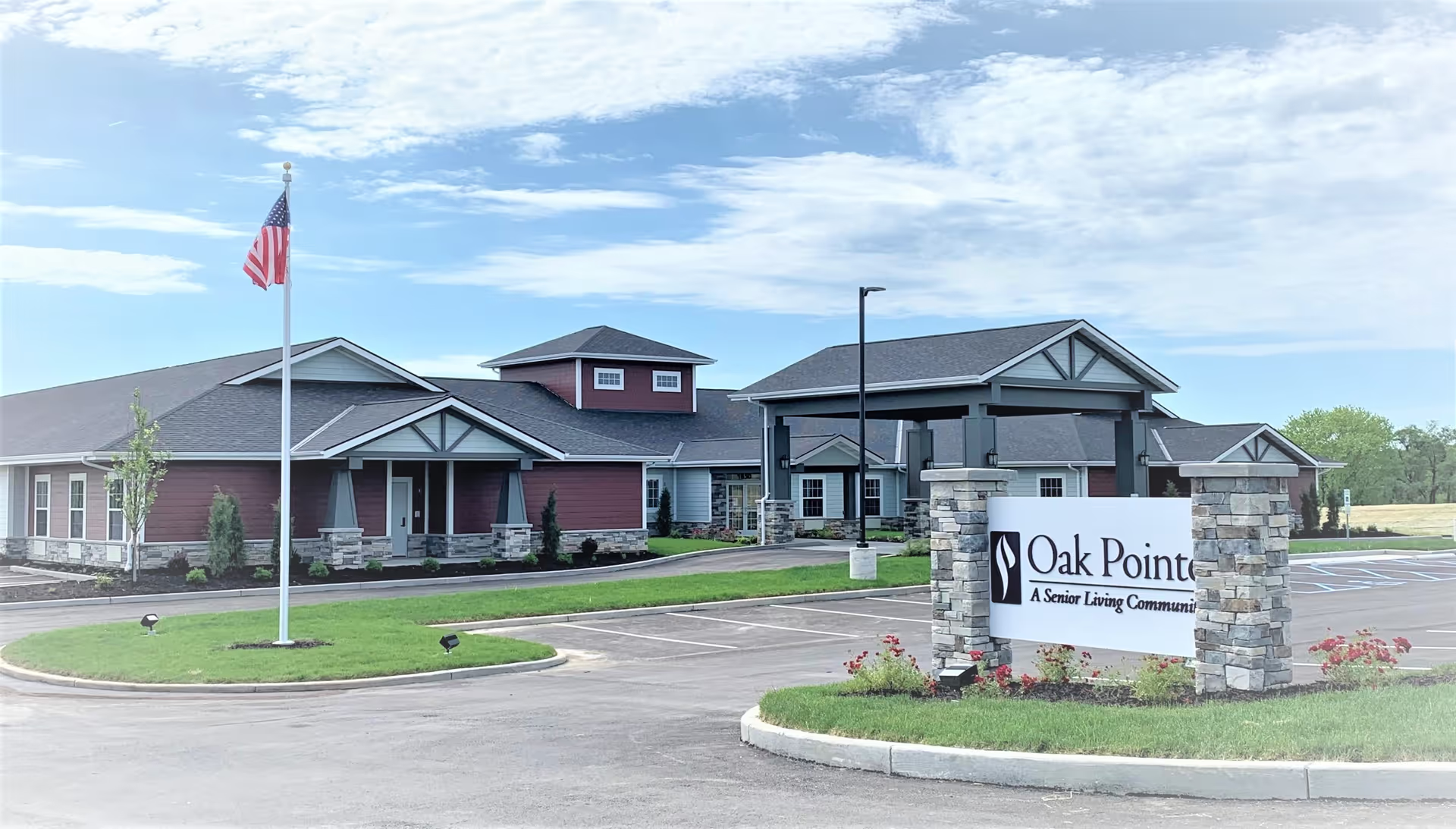
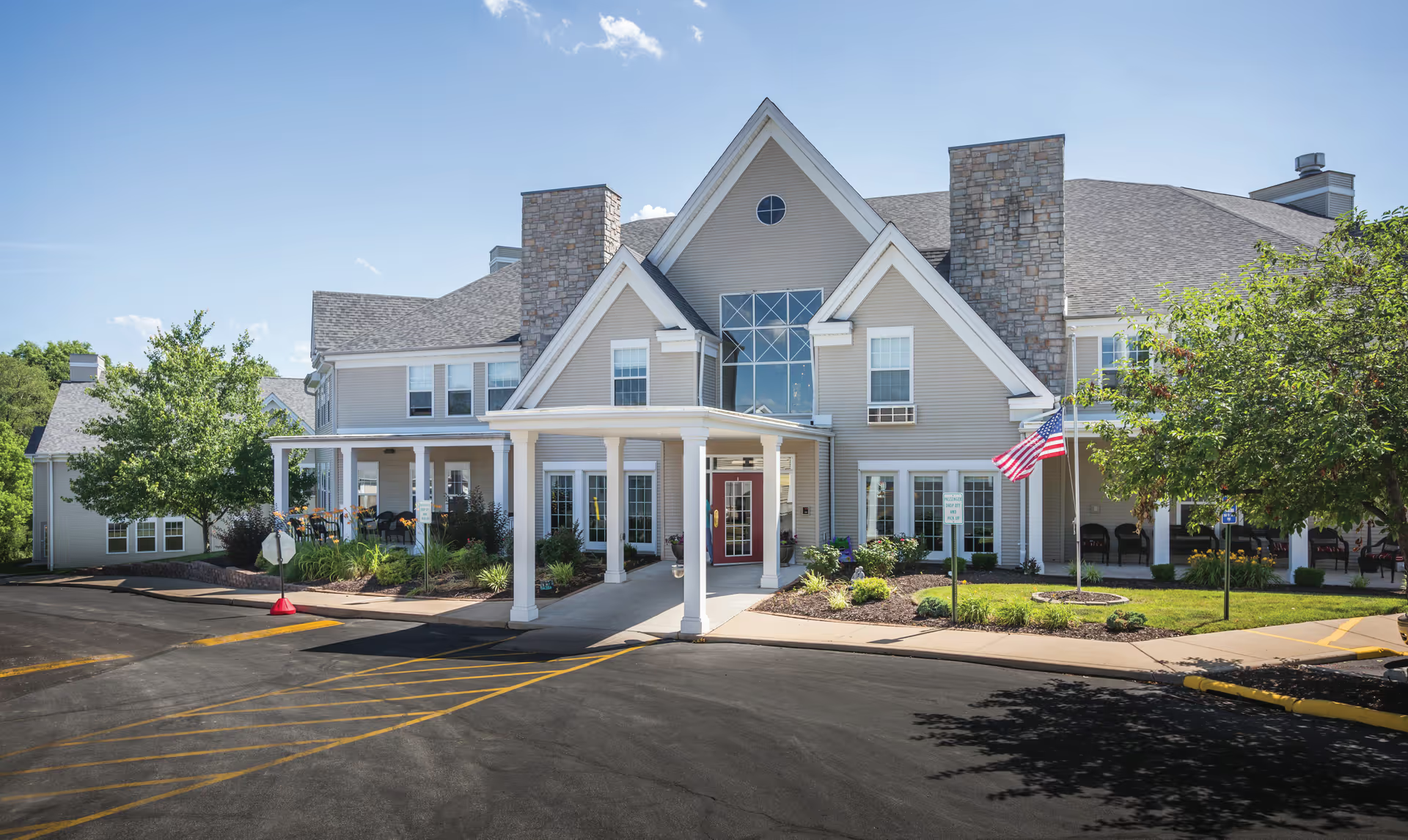
Dining and activities are other commonly appreciated areas. Multiple reviewers noted three meals a day, accommodating dietary preferences, and cooks who prepare appealing food; engaging social programming and frequent virtual activities (for example, Zoom sessions) were highlighted as contributors to residents’ quality of life. The facility itself is frequently described as comfortable and well-maintained, supporting a positive daily environment for many residents.
Alongside these positives, a set of operational weaknesses appears across reviews. Medication-administration and monitoring processes are described inconsistently, producing concern about clinical oversight in some cases. Personal-property controls and privacy handling were raised as a serious issue in individual accounts; there are also statements characterized as allegations of staff theft and mishandling of belongings that warrant verification. Admissions, application handling, and billing practices are another recurring concern, including unresponsiveness during intake and instances of billing discrepancies.
Staffing and management practices show mixed impressions. Several reviewers cite high turnover (notably in housekeeping), uneven staffing levels, and instances suggesting gaps in training or supervision. Relatedly, some families describe unprofessional or opaque administrative interactions, inconsistent family engagement, and variability in communication tone from front-line and supervisory staff. Housekeeping and meal quality were praised by some and criticized by others, indicating variability rather than uniform performance.
For prospective residents and families, the pattern suggests strong clinical and therapy capability with potential tradeoffs around administrative consistency and operational controls. Recommended due diligence includes asking about current staffing ratios, medication-safety protocols, property and privacy safeguards, admissions and billing procedures, and recent turnover rates for key departments. A focused tour of therapy spaces, dining areas, and housekeeping standards — along with direct conversations with administrators about complaint resolution and family involvement policies — will help clarify whether the facility’s strengths align with an individual resident’s priorities.