Reviews of Big Bend Woods Healthcare Center are strongly polarized, reflecting two distinct user experiences. A substantial subset of reviewers describe a high level of person-centered care: compassionate nurses and aides, an effective therapy program that has helped many residents return home, well-run activities and mealtimes, clean rooms and prompt housekeeping, and pleasant common and outdoor spaces. Admissions and intake processes are frequently described as organized and low-pressure, and management and some long-term staff are characterized as helpful and engaged. For families seeking active rehabilitation and social engagement, these elements are consistently cited as strengths.
Counterbalancing those positive accounts are persistent operational concerns that recur across reviews. Cleanliness and odor control are inconsistent across units and shifts; relatedly, some families cite lapses in personal-hygiene assistance and incontinence-care timeliness. Staffing levels and staff mix are a recurrent issue: reviewers describe reliance on temporary staff, variable skill or professionalism between shifts, and delayed responses to call bells. Several reviews raised clinical-safety issues such as medication-administration errors and resident-identification gaps, as well as broader concerns about clinical oversight tied to adverse outcomes including falls, pressure injuries, hospitalizations, and concerns following resident deaths. These indicate variability in the facility's ability to deliver consistently safe clinical care.
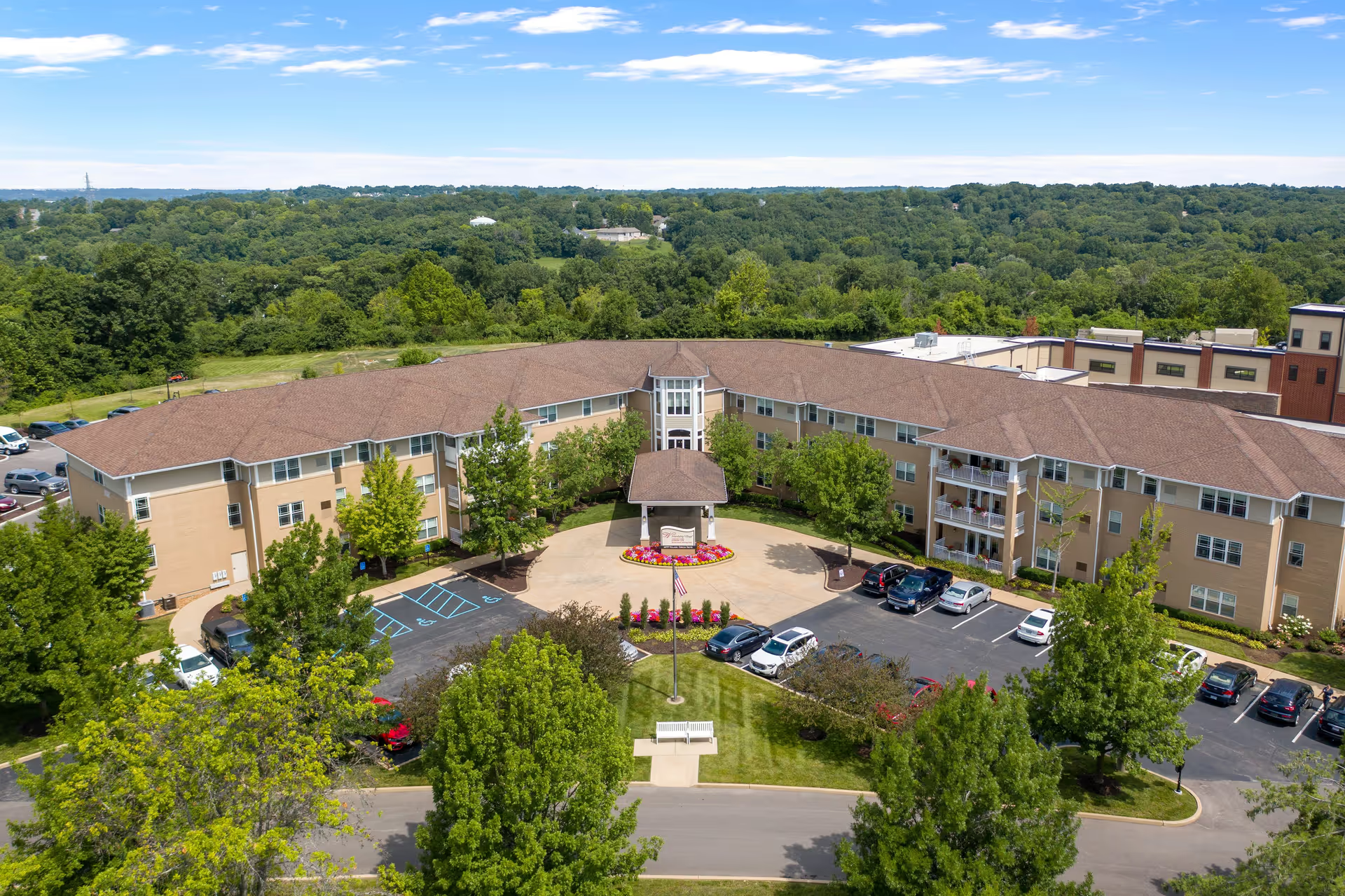
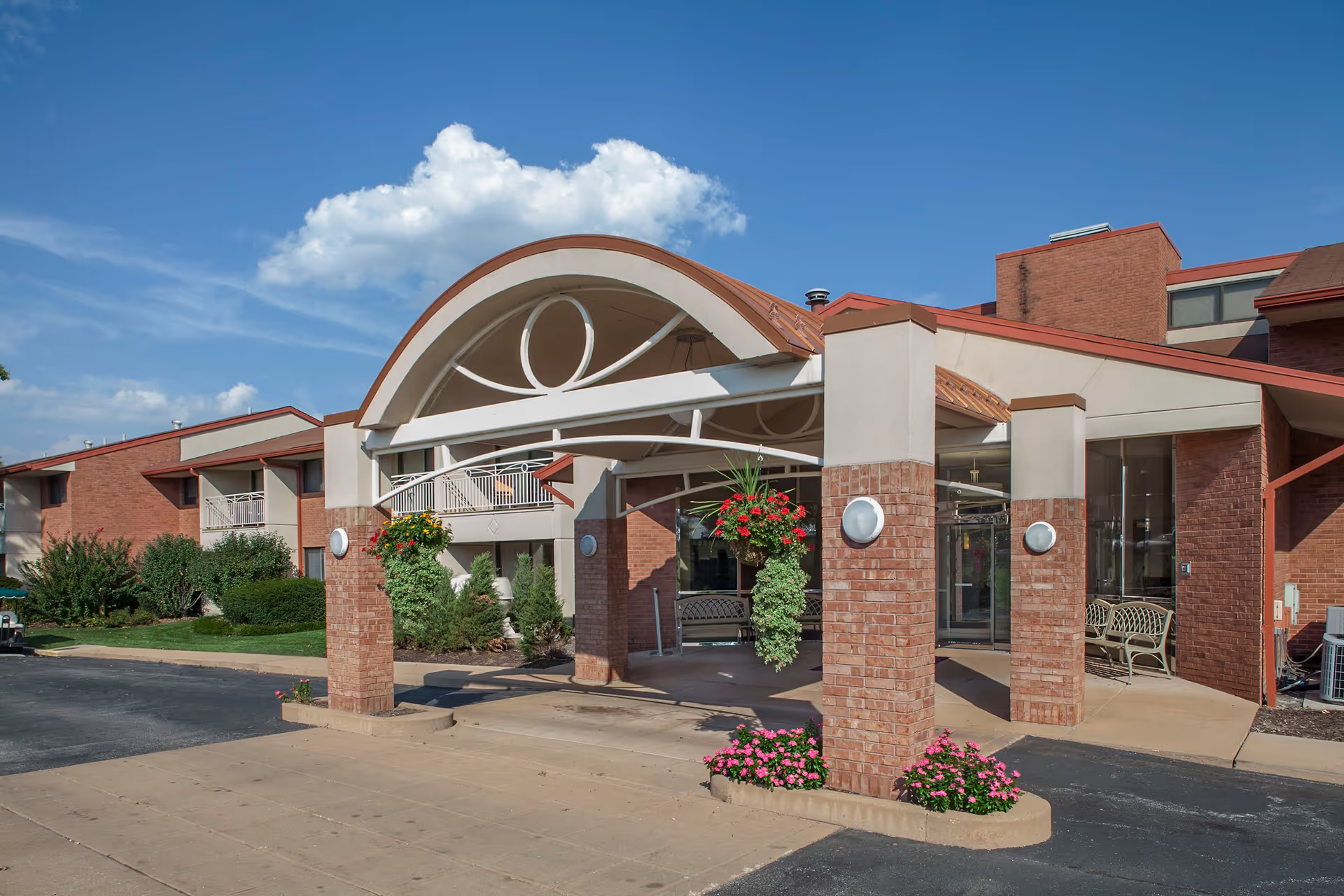
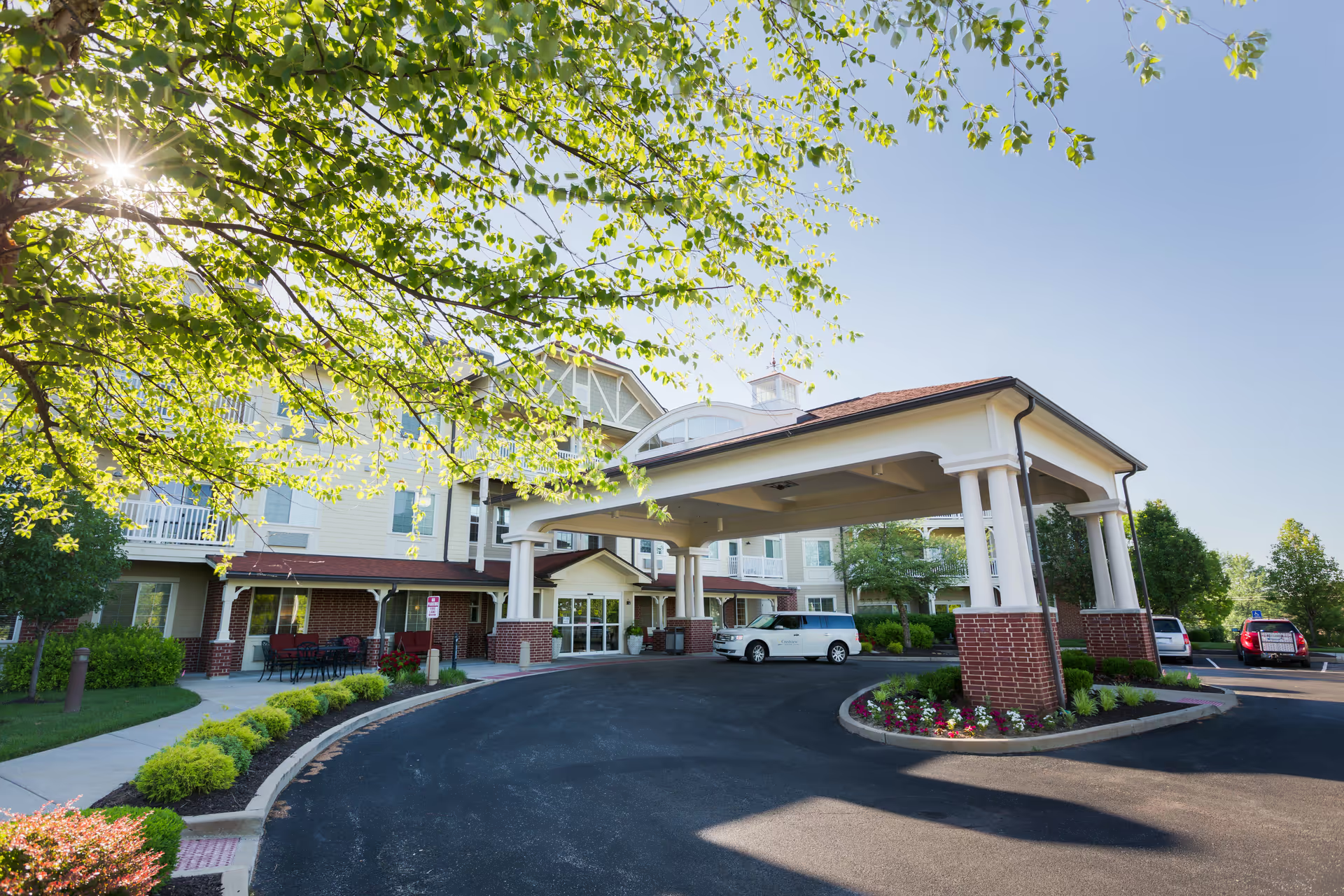
Facilities and maintenance impressions are also mixed. Many reviewers praise bright, renovated common areas, an appealing dining room, and attractive outdoor amenities; others note dated furnishings in some rooms, interior maintenance problems (mold, flickering lights, broken equipment), and neglected exterior landscaping or water features. Dining is a relative strength for many families: chef-prepared and customizable meals, restaurant-style service, and regular checks on resident preferences. However, a minority of reviewers described inconsistent meal quality.
Communication and management performance likewise vary. Positive accounts highlight accessible leadership, an accommodating admissions team, and staff who include families. Negative accounts focus on delayed or inadequate responses to family concerns, unanswered billing or payment inquiries, and isolated instances of unprofessional conduct. There is mention of legal and complaint escalations, which prospective families should consider when conducting due diligence.
Notable pattern: the facility appears to deliver very good care and services under stable staffing and engaged leadership, while care quality and environment appear to deteriorate when staffing, supervision, or maintenance are inadequate. Prospective residents and families should plan an in-person visit across multiple times of day (including evenings/nights), observe staff–resident interactions, assess cleanliness, ask about staffing ratios and medication-safety protocols, review complaint and inspection history, and request specifics on therapy outcomes and recent maintenance efforts. This will help determine whether the facility’s positive practices are consistent with the particular unit and shift that would serve the resident.