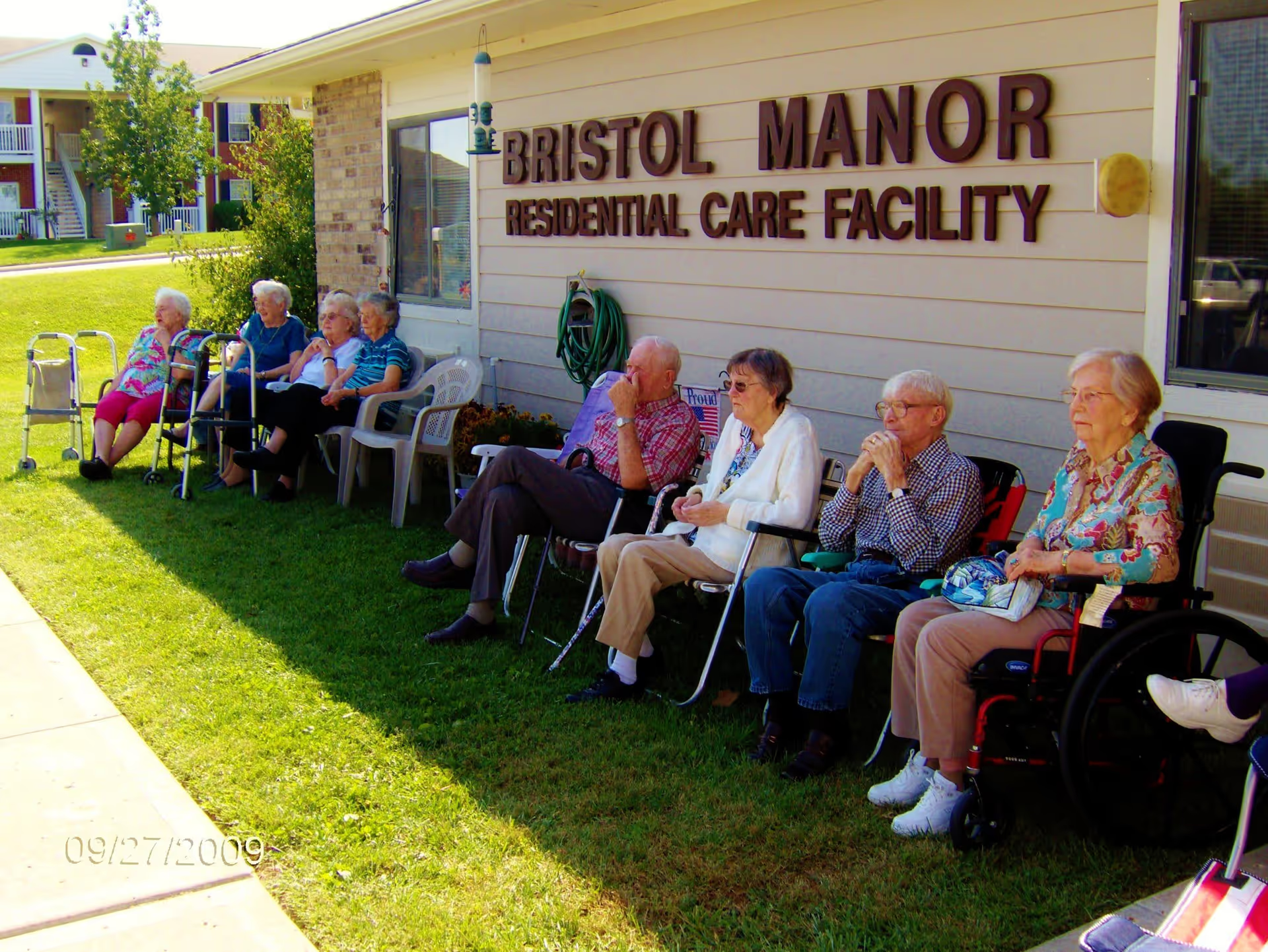
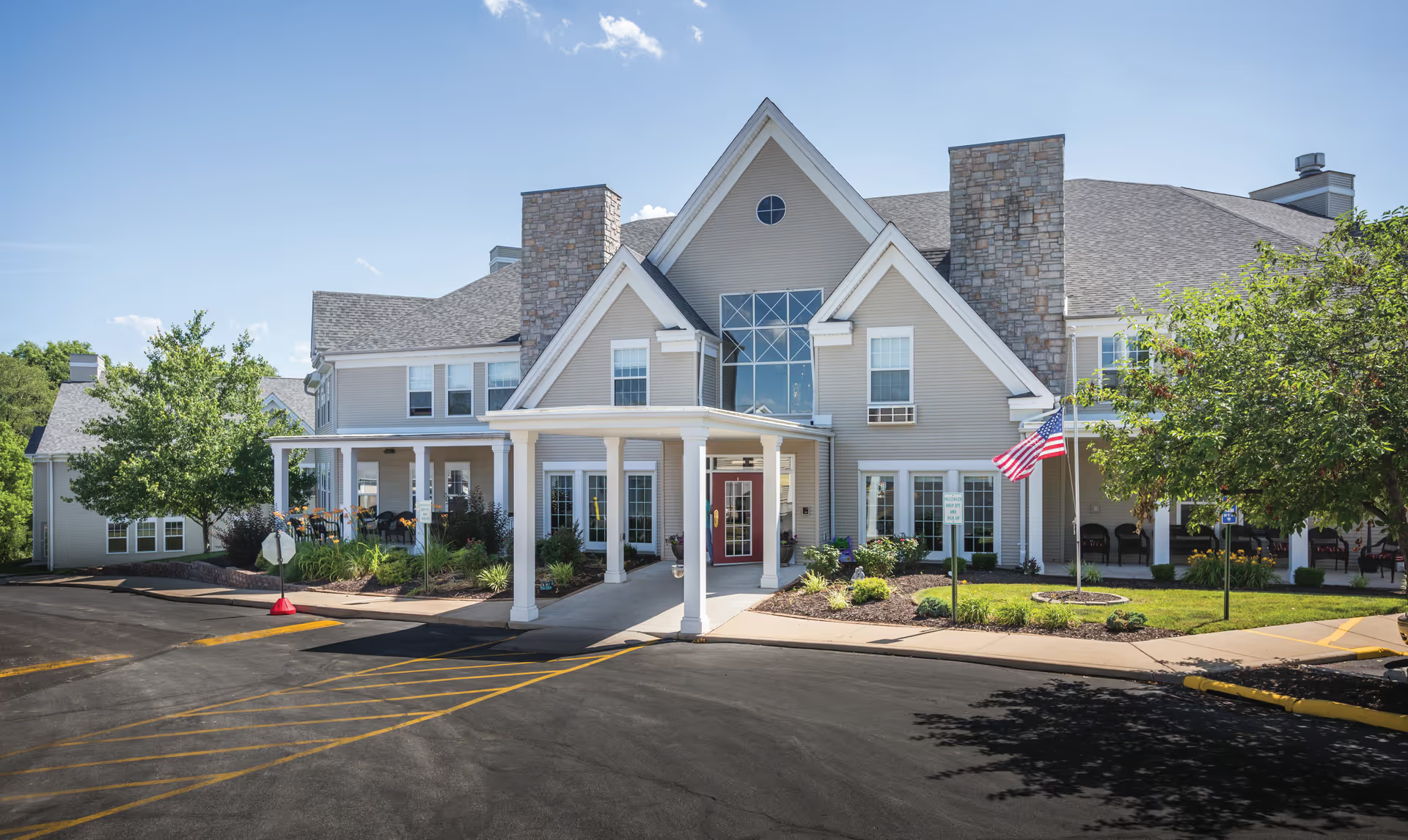
Overall impression: Reviews present a mixed picture. The facility is generally described as well maintained and clean, with visible examples of resident satisfaction and community-oriented programming such as veteran recognition and Honor Flight participation. The therapy and rehabilitation department receives consistently positive mention for helping residents return home after short-term stays.
Care quality and safety: Clinical rehabilitation appears to be a strong point; several comments highlight effective therapy and successful rehab-to-home transitions. At the same time, there are notable safety-related concerns. Review narratives indicate falls and fall-related injuries during short stays, which suggests potential gaps in fall-prevention protocols and transfer-safety practices. Prospective families should inquire about current fall-prevention policies, staffing levels during high-risk periods, and incident-response procedures.
Staff and management: Many reviewers describe staff as caring and willing to go above and beyond, and some note that overall staff performance has been good. However, a contrasting stream of comments raises concerns about staff conduct and communication tone, including instances perceived as rough handling or rudeness. There are also comments implying inconsistent responsiveness. These mixed impressions point to variability in staff interactions rather than uniformly poor or excellent staffing; verifying staff training, supervision, and complaint-resolution practices would be advisable.
Dining and activities: Nutritional content of meals is noted positively in that food is described as healthy, but several reviewers found meals to be lacking in palatability. Activity offerings are another area of concern: some observers described limited engagement programming and low levels of social activity, with residents spending long periods seated and limited organized programming visible. Families should ask for activity schedules, participation rates, and examples of individualized engagement plans.
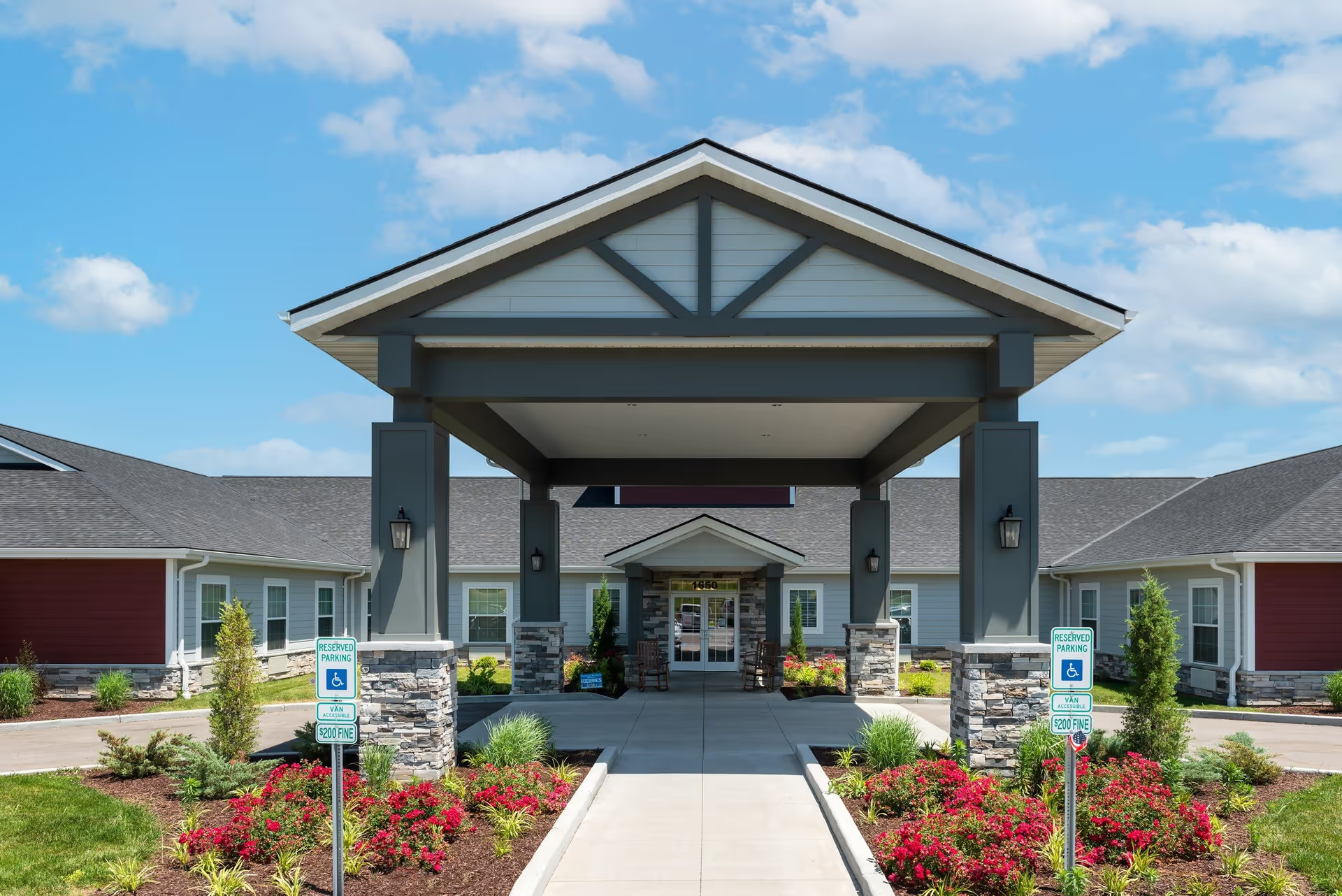
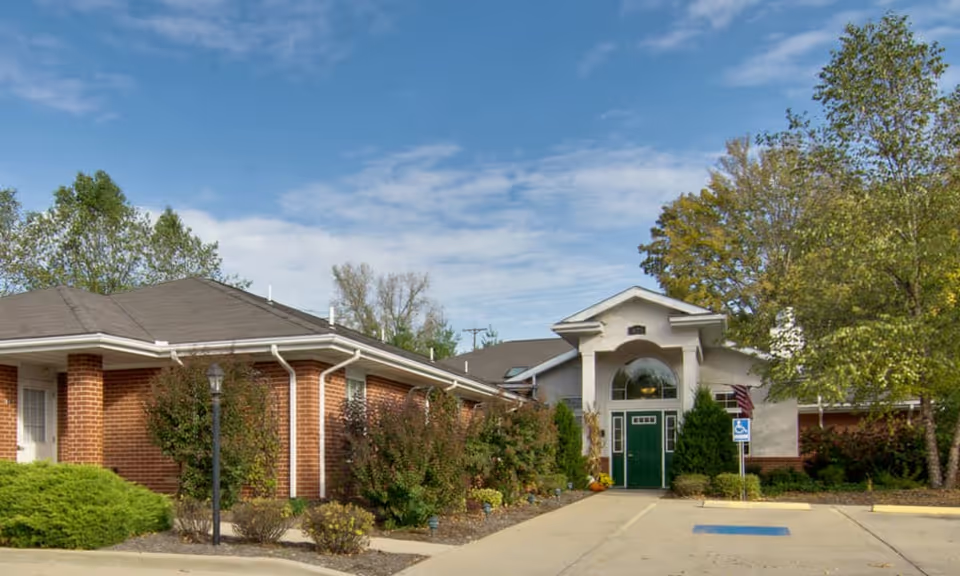
Facilities and environment: The physical plant is generally regarded as well kept, though aesthetics are seen as dated or institutional by some observers. There are recurring mentions of odor concerns in certain areas, which may reflect sanitation or incontinence-care challenges in specific locations. Noise management is also a practical issue; early-morning lawn maintenance and other noise sources were cited as disruptive to resident sleep. Clarify housekeeping, odor-control, and facility-improvement plans when evaluating the site.
Notable patterns and recommendations: The dominant pattern is a juxtaposition of solid rehabilitation services and a generally clean, community-minded facility with operational weaknesses around safety, engagement, and consistent staff conduct. Those considering Cedarcrest Manor would be well served to review fall-prevention metrics, observe staff–resident interactions during a visit, request meal samples and activity calendars, and ask management about noise-control and odor-mitigation procedures. This balanced approach will help families weigh the facility's strong therapeutic offerings against the operational concerns documented in reviews.